
conservation
الدليل الشامل للنظام الغذائي النباتي في المغرب: أسئلة وأجوبة
اكتشف كيف يمكن للنظام الغذائي النباتي أن يزدهر في المغرب بفضل تقاليده الغنية ومكوناته المحلية.
11 دقيقة قراءة
من أجل بعضنا البعض
ثلث حبوب العالم يُزرع لإطعام الحيوانات المُربّاة. لو أُعيد توجيهه للبشر مباشرة، لأمكنه إطعام مليارات إضافية. الأنظمة الغذائية النباتية أكثر كفاءة ببساطة — وهي طريقة أكثر عدلًا لتقاسم كوكب محدود الموارد.

القضية الأخلاقية للنباتات لا تتعلق بالحيوانات أو البيئة فحسب، بل بالبشر أيضًا. عمال المسالخ لديهم من أعلى معدلات الإصابة بين المهن كافة. المجتمعات القريبة من منشآت تربية الماشية الصناعية تتحمل الأعباء الصحية لبرك السماد التي لا يريدها أحد بجوار منزله. أساطيل الصيد من أكثر بيئات العمل استغلالًا على وجه الأرض.
ثم يأتي الغذاء نفسه. إطعام الحبوب للحيوانات يُهدر نحو 80% من السعرات الحرارية. وفي عالم يعاني فيه مليار شخص من نقص التغذية، فإن جغرافيا هذا الهدر ليست محايدة — إنها خيار سياسي نتخذه كل يوم.
أدلة رئيسية
يمسّ النظام الغذائي العمل والجوع والتنوع البيولوجي والمجتمع. تُظهر هذه الأرقام لماذا يُعدّ الطبق أيضًا قضية عدالة اجتماعية.
لو وُجّه للبشر، لأمكن إطعام مليارات إضافية.
المصدر: Cassidy et al., ERL 2013
في نظام لا تصل فيه معظم السعرات الحرارية من محاصيل الأعلاف إلى طبق إنسان أبدًا.
المصدر: FAO SOFI 2023
لا تزال صناعة تعبئة اللحوم من أخطر الصناعات في معظم البلدان.
المصدر: US GAO / HRW reports
العمال والمزارعون والمجتمعات داخل النظام الغذائي.
متابعة الحفاظ على البيئةكيف يشكّل استخدام الأراضي ما يعيش — وما يختفي.
متابعة إجراءسياسات الغذاء المحلية، والخيارات النباتية الافتراضية، ووجبات المدارس.
متابعةأفلام مختارة
أفلام وثائقية وتحقيقات وأفلام قصيرة من جماعات مناصرة وصانعي أفلام مستقلين.
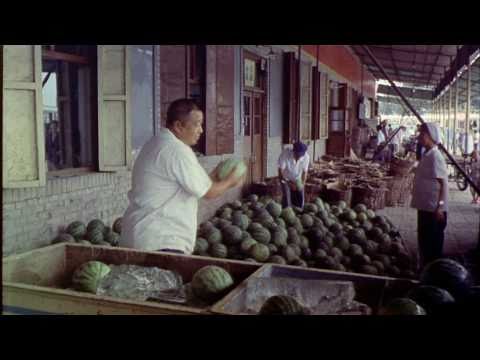 إعلان فيلم وثائقي
الفيلم الوثائقي الذي أقنع الملايين بحجة التغذية النباتية.
المصدر: Forks Over Knives
 فيلم قصير
لو كانت للمسالخ جدران زجاجية، كما قال مكارتني ذات مرة، لأصبح الجميع نباتيين. هذا ما كان يقصده.
المصدر: PETA
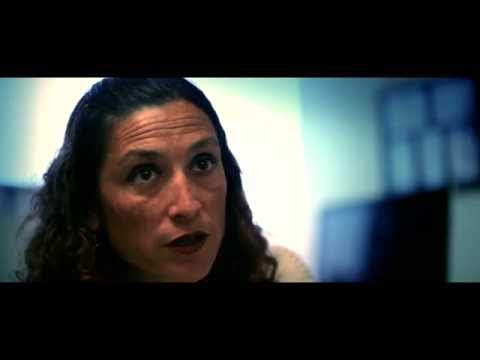 إعلان فيلم وثائقي
الحجة البيئية ضد تربية الحيوانات الصناعية، في 90 ثانية.
المصدر: Cowspiracy
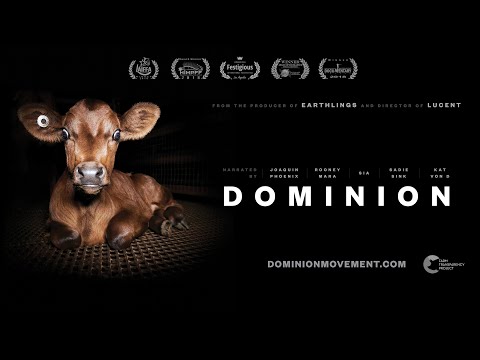 إعلان فيلم وثائقي
نظرة لا تتهاون في كيفية استغلال البشر للحيوانات غير البشرية في كل صناعة تقريبًا.
المصدر: Dominion Movement
 شرح مبسّط
شرح هادئ وغني بالبيانات لحسابات استهلاك اللحوم البيئية.
المصدر: Kurzgesagt
 تحقيق
تحقيقما لا يظهره كرتون الحليب.
المصدر: Mercy For Animals
الأسئلة الشائعة
أفضل التقارير حول العدالة الغذائية والمستقبل المشترك، بالإضافة إلى إجراء واحد يستحق اتخاذه. لا شيء آخر.
الركائز الأربع
يصل الناس إلى الحياة النباتية من أبواب مختلفة تمامًا. الأسباب تتنوع، لكن الوجهة واحدة.
يُذبح أكثر من 80 مليار حيوان بري — وتريليونات من الكائنات المائية — من أجل الغذاء كل عام. معظمها لم يرَ الشمس قط.
اقرأ المزيد ←وجدت دراسة أجرتها جامعة أكسفورد عام 2018 شملت 38700 مزرعة في 119 دولة أن اتباع نظام غذائي نباتي هو أعظم ما يمكن لفرد واحد فعله.
اقرأ المزيد ←دراسات Adventist Health وEPIC-Oxford وPREDIMED وEAT-Lancet: من يتبعون نظامًا نباتيًا يعيشون أطول، وتقل لديهم أمراض القلب والسكري.
اقرأ المزيد ←يُزرع ثلث محاصيل الحبوب في العالم لإطعام الحيوانات المستزرعة. لو وُجّهت للبشر لأمكن إطعام مليارات إضافية.
اقرأ المزيد ←