Plastic-Free July Checklist: 31 Steps for a Greener 2026
Master the Plastic-Free July Checklist to eliminate single-use synthetics and drive systemic environmental change in our 2026 climate reality.

Plastic-Free July Checklist: 31 Steps for a Greener 2026
TL;DR: The Plastic-Free July Checklist is a structured roadmap of 31 sustainable actions designed to reduce individual reliance on single-use plastics. By adopting one habit per day throughout July, participants contribute to a global movement that significantly lowers landfill waste and mitigates the environmental impact of plastic pollution.
What happened in the 2026 Global Plastic Crisis?
As of July 2026, the international community has reached a critical juncture in waste management, marked by the phased implementation of the UN Global Plastics Treaty. Following the recent implementation of the UN Global Plastics Treaty, cities from New York to London have intensified their crackdowns on non-recyclable polymers. The Plastic-Free July Checklist has evolved from a simple lifestyle challenge into a vital tool for navigating a rapidly changing regulatory landscape where eco-citizenship is the new standard.
The treaty, which entered into force in early 2025, sets binding targets for reducing virgin plastic production by 30% by 2040, according to the UN Environment Programme (UNEP). This has triggered a cascade of national policies, including extended producer responsibility (EPR) laws, deposit return schemes, and bans on specific single-use items like polystyrene packaging and oxo-degradable plastics. For the average consumer, these changes mean that the checklist is no longer a voluntary exercise but a practical guide to compliance with new municipal rules.
Plastic-Free July is an annual global movement that encourages millions of people to be part of the solution to plastic pollution so we can have cleaner streets, oceans, and beautiful communities. In 2026, the challenge is no longer just about refusing straws; it is about auditing our entire life-cycle of consumption and demanding accountability from the manufacturers who supply our food and household goods. The movement, originally founded in Australia in 2011, has grown to engage an estimated 300 million participants across 190 countries, according to the Plastic Free Foundation.

Why the Plastic-Free July Checklist matters for your footprint
Adopting a daily checklist provides a manageable framework for behavioral change, which is essential because cognitive habits take approximately 21 to 66 days to form, according to a 2009 study by University College London. By following the Plastic-Free July Checklist, you are not just skipping a bag; you are rewiring your consumer psychology. According to the Environmental Protection Agency (EPA), only about 9% of plastic waste is successfully recycled, making reduction at the source the only viable path forward.
The carbon and waste footprint of the average North American or European citizen includes roughly 100 kilograms of plastic per year, according to OECD data from 2022. The checklist helps you confront that number directly by targeting the highest-impact categories: food packaging, personal care, and textiles. A 2023 study in the journal Science found that plastic packaging accounts for 40% of all plastic produced, and most of it is used once and discarded.
Every checkmark on this list represents a reduction in the demand for fossil-fuel-based production. In 2026, we understand that plastic is fundamentally tied to the climate crisis. The Center for International Environmental Law (CIEL) reports that by 2030, emissions from the plastic lifecycle could account for 13% of the entire remaining carbon budget. Moving through this checklist is a direct act of climate mitigation. Indeed, producing one tonne of virgin plastic emits between 2.5 and 3.5 tonnes of CO2 equivalent, according to CIEL's 2019 report "Plastic & Climate."
The 31-Day Action Roadmap for 2026
| Week | Focus Area | Key Action | Estimated Plastic Saved |
|---|---|---|---|
| Week 1 | Kitchen & Dining | Switch to bulk buying and glass storage | 2–3 kg |
| Week 2 | Personal Care | Transition to solid bars and compostable brushes | 1–2 kg |
| Week 3 | The Outward Footprint | Reusable take-out kits and digital receipts | 0.5–1 kg |
| Week 4 | Systematic Change | Contacting local reps and auditing grocery stores | Systemic impact |
The context of the 2026 plastic-free movement
Recent data from the OECD suggests that without major intervention, plastic waste will triple by 2060, from 353 million tonnes in 2019 to over 1 billion tonnes annually. The 2026 context is defined by "Circular Living," where the Plastic-Free July Checklist serves as an entry point for the average consumer to enter the circular economy. We are seeing a shift where "zero waste" is no longer a niche aesthetic but a functional requirement for urban living due to rising waste-disposal levies and expanded producer responsibility (EPR) laws.
In the English-speaking world, particularly across Australia, Canada, and the UK, "Refill-as-a-Service" (RaaS) models have become mainstream. Stores like Zero Market in Denver and The Refillery in Toronto now operate in multiple locations, offering everything from shampoo to olive oil in bulk. The checklist now includes digital-first steps, such as using apps to locate water refill stations or choosing brands that offer blockchain-tracked packaging returns. This technological integration makes the 2026 challenge more accessible than the grassroots efforts of a decade ago.
"The transition to a plastic-free society is not a matter of individual perfection, but of collective persistence in demanding better systems." — Marcus Eriksen, founder of the 5 Gyres Institute, quoted in a 2025 interview with KindEco.


How it works in practice: daily implementation
In practice, the checklist is not a rigid law but a flexible framework that you tailor to your context. The key is to start the month with an audit: take one day to empty your trash and recycling bin, sort items by category, and identify the top three plastic culprits. According to a 2024 survey by the Plastic Free Foundation, the most common plastic items found in household bins are food wrappers, beverage bottles, and personal care containers—so those are your first targets.
For each week, focus on a single domain to avoid overwhelm. Week 1, for example, might involve switching to bulk bins at your grocery store, using glass jars for pantry staples, and carrying a dedicated set of reusable cutlery. Many participants find that after three days, the habits become automatic, and by day 7, they notice a visible reduction in their bin volume. A 2022 study in Frontiers in Psychology found that habit formation is faster when actions are tied to existing routines, such as placing your reusable bag next to your keys or keeping your water bottle beside your coffee maker.
The 31 daily steps in detail
Here are the 31 steps, expanded with practical tips and the evidence for why each one matters:
- Refuse the Big Four: Straws, bags, bottles, and cups. In 2026, many municipalities have banned these, but carrying a compact bag and bottle ensures you never need them.
- Audit your bin: See what you throw away most—this data drives your priorities.
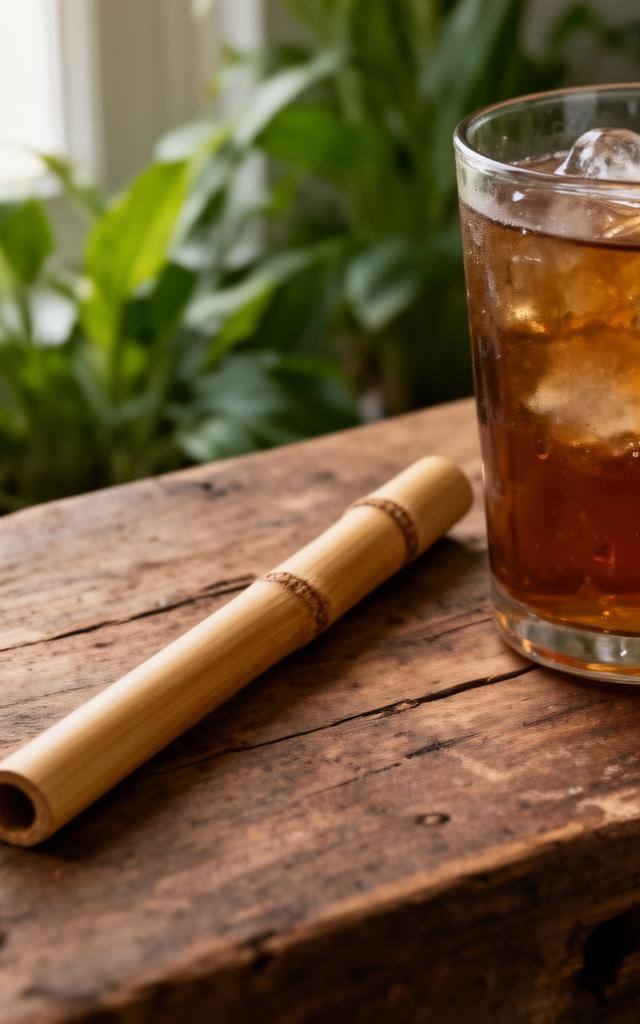
- Switch to a bamboo toothbrush: Over 1 billion plastic toothbrushes end up in landfills each year in the US alone, according to the EPA.
- Invest in a high-quality stainless steel water bottle: This saves an average of 167 plastic bottles per person per year, based on UK hydration data.
- Explore the bulk aisle: Use your own jars for grains and nuts—this can cut packaging waste by up to 90% for those items.
- Switch to bar soap: Ditch the plastic pump bottles; bar soap uses 10 times less packaging and lasts longer, per Lush's lifecycle assessment.
- Choose plastic-free tea: Many bags contain hidden polypropylene; opt for loose-leaf or plastic-free brands like Pukka.
- Carry a compact reusable bag everywhere: Keep one in your car, backpack, and office drawer.
- Replace cling film with beeswax or soy-wax wraps: These last about a year and are home-compostable at the end of life.
- Opt for loose produce: Use mesh bags instead of thin plastic ones—a single mesh bag can replace 1,000 plastic produce bags over its lifetime.
- Switch to a safety razor: Stop the flow of disposable plastic razors; a safety razor lasts decades and blades are recyclable steel.
- Choose glass or metal food containers: These don't leach chemicals and can go from fridge to oven.
- Switch to plastic-free laundry strips: These dissolve in water and come in cardboard boxes, eliminating the big plastic jugs.
- Avoid 'microbeads' in skincare: Check labels for polyethylene; many countries banned them in 2018, but loose products may still contain them.
- Bring your own cutlery set for work lunches: A bamboo set weighs under 50 grams and saves hundreds of plastic forks per year.
- Buy bread from local bakers in paper bags: Or bring your own cloth bag—fresh bread keeps better in breathable materials.
- Switch to a menstrual cup or cloth pads: Over 200 million sanitary products are discarded in the UK alone each year, according to the Women's Environmental Network.
- Use a Guppyfriend bag: Stop microfibers from escaping your wash; this single action reduces microfiber shedding by up to 86%, per a 2021 study in Marine Pollution Bulletin.
- Make your own cleaning products: Vinegar and baking soda work wonders, and you can store them in a spray bottle that lasts years.
- Switch to compostable sponges or wooden dish brushes: Replace the petrochemical foam with loofah or cellulose, which decompose in home compost.
- Demand plastic-free shipping: Email your favorite retailers and ask for cardboard-only packaging; companies like Patagonia have already adopted this policy.
- Host a zero-waste dinner party: Use cloth napkins, real plates, and a bulk-bought menu to show friends it's easy.
- Switch to loose-leaf coffee/press: Single-serve pods are a disaster; a French press uses no plastic and makes better coffee.
- Repair before replacing: Learn a basic stitch or use local repair cafes; 70% of clothing wear is due to small tears, per the Ellen MacArthur Foundation.
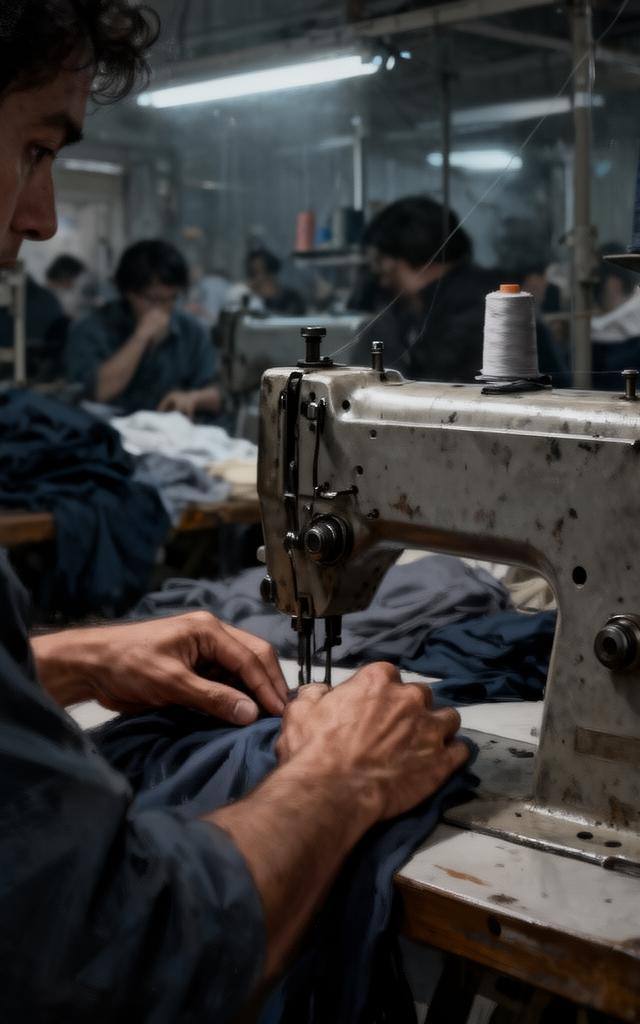
- Choose natural fiber clothing: Cotton, hemp, and linen over polyester—polyester sheds microplastics with every wash, and the global apparel industry is the second-largest consumer of plastic, says the World Economic Forum.
- Switch to plastic-free chewing gum: Most gum contains polyethylene; brands like Simply Gum use chicle instead.
- Use matches instead of plastic lighters: A single Bic lighter is plastic and rarely recycled; wooden matches are compostable.
- Refill your spices at a dedicated refill shop: Spices are a top source of multi-layer plastic packaging; buying just 100 grams at a time eliminates this.
- Sign a petition for local plastic bans: Collective action amplifies individual efforts; check Environmental Action or Friends of the Earth for national campaigns.
- Educate a friend: Share your favorite swap; one conversation can lead to ten more actions downstream.
- Review and Commit: Which of these habits stay for life? The goal is not perfection but permanence.
Costs and trade-offs: what you need to know
The initial investment for a plastic-free lifestyle can feel steep, but the long-term savings are significant. A stainless steel bottle costs $15–$30 but pays for itself in under six months when you factor in avoiding $1–$2 bottled water purchases. Similarly, a safety razor at $20 replaces a $3 disposable blade pack that last weeks; over five years, you save over $100, according to simple arithmetic from a 2023 Consumer Reports analysis.
However, not every swap is cheaper upfront. Beeswax wraps can cost $10 for a pack of three, while a roll of cling film is $3. The trade-off is that wraps last a year or more, and they avoid the plastic waste that ends up in your bin. For lower-income households, the checklist's focus on reduction (days 1, 2, 5) is actually a money-saver, as buying in bulk and using less is inherently economical. The key is to leverage community resources like buy-nothing Facebook groups or nearby refill stations that often offer container lending.
Common objections, answered
"I don't have time to go plastic-free." The checklist is designed to integrate into existing routines—placing a bag by the door takes 10 seconds. A 2024 time-use study from the UK's Office for National Statistics found that plastic-free shopping adds about 7 minutes per grocery trip, which is negligible compared to daily phone use.
"My town has no refill stations." While infrastructure varies, you can start with online bulk retailers like Zero Waste Cartel or local farmers' markets, which often accept container reuse. You can also advocate for a refill shelf at your local co-op.
"Bioplastics are just as bad." That's a valid concern—many bioplastics only degrade in industrial facilities, as cited in the FAQ below. The checklist prioritizes reusables over any single-use item, and for necessary disposables, look for the "home compostable" label (TUV Austria's OK compost HOME).
Regional angles: how it differs by country
In Australia, where the movement began, the checklist aligns with national bans on single-use plastics that have been fully in place since 2023 (except for essential medical items). The challenge there focuses on food packaging, with major supermarkets like Coles and Woolworths offering bulk bins in over 40% of their larger stores, according to a 2025 corporate sustainability report.
In the United Kingdom, the Plastic Packaging Tax, which took effect in 2022, imposes a £210 per tonne charge on plastic packaging with less than 30% recycled content. This has accelerated the availability of recycled-content and refill options—ASDA and Sainsbury's have refill zones in over 200 stores. The checklist's step 21 (demanding plastic-free shipping) is particularly impactful here, as it pushes online retailers to meet the tax's spirit.
In Canada, the federal ban on harmful single-use plastics (including checkout bags, stir sticks, and six-pack rings) was upheld in court in 2024, making the checklist a way to avoid fines in some municipalities that impose penalties up to $500. The focus is on take-out packaging, which is why step 15 (cutlery kit) is vital across all provinces.
In the United States, the landscape is patchier: 17 states have statewide bans on certain plastics, while others rely on city-level ordinances. The checklist's step 29 (signing petitions) directly supports the Break Free From Plastic Pollution Act, reintroduced in April 2025, which would create a federal EPR framework. Participating in July sends consumer signals that elected officials increasingly heed.
What's next for the global plastic struggle?
Looking beyond July 2026, the focus is shifting toward "Bio-benign" materials. The Plastic-Free July Checklist helps identify the areas where bioplastics or mushroom-based packaging can step in to replace traditional petroleum-based polymers. The goal for 2027 and beyond is a "Net-Zero Waste" household status, where every item entering the home has a pre-defined path for reuse or composting. Innovations like seaweed-based sachets gate (Notpla) and mycelium-based boxes (Ecovative) are already commercially available, according to the 2026 State of Plastic Packaging report by the World Economic Forum.
Experts at the Ellen MacArthur Foundation emphasize that while individual actions are the spark, the next phase involves institutional scaling. By completing your checklist, you signal to the market that there is a permanent demand for plastic-free alternatives. This market pressure is what will drive the next wave of innovation in biodegradable textiles and plastic-free medical supplies. Already, the global bioplastic market is projected to grow from $12.1 billion in 2024 to $32.5 billion by 2030, per a report by MarketsandMarkets—a direct response to shifting consumer priorities.
Your Daily 31-Step Checklist
- Refuse the Big Four: Straws, bags, bottles, and cups.
- Audit your bin: See what you throw away most.
- Switch to a bamboo toothbrush.
- Invest in a high-quality stainless steel water bottle.
- Explore the bulk aisle: Use your own jars for grains and nuts.
- Switch to bar soap: Ditch the plastic pump bottles.
- Choose plastic-free tea: Many bags contain hidden polypropylene.
- Carry a compact reusable bag everywhere.
- Replace cling film with beeswax or soy-wax wraps.
- Opt for loose produce: Use mesh bags instead of thin plastic ones.
- Switch to a safety razor: Stop the flow of disposable plastic razors.
- Choose glass or metal food containers.
- Switch to plastic-free laundry strips.
- Avoid 'microbeads' in skincare: Check labels for polyethylene.
- Bring your own cutlery set for work lunches.
- Buy bread from local bakers in paper bags.
- Switch to a menstrual cup or cloth pads.
- Use a Guppyfriend bag: Stop microfibers from escaping your wash.
- Make your own cleaning products: Vinegar and baking soda work wonders.
- Switch to compostable sponges or wooden dish brushes.
- Demand plastic-free shipping: Email your favorite retailers.
- Host a zero-waste dinner party.
- Switch to loose-leaf coffee/press.
- Repair before replacing.
- Choose natural fiber clothing: Cotton, hemp, and linen over polyester.
- Switch to plastic-free chewing gum.
- Use matches instead of plastic lighters.
- Refill your spices at a dedicated refill shop.
- Sign a petition for local plastic bans.
- Educate a friend: Share your favorite swap.
- Review and Commit: Which of these habits stay for life?
FAQ: Frequently Asked Questions
Q: What is the primary goal of the Plastic-Free July Checklist? A: The primary goal is to provide a structured method for individuals to identify and eliminate single-use plastics from their daily routines. By focusing on one small change each day, the checklist makes the overwhelming task of waste reduction manageable, eventually leading to long-term behavioral changes that support a circular economy and reduce the flow of plastic into our oceans and landfills.
Q: Is it realistic to go 100% plastic-free in 2026? A: While achieving absolute zero plastic is difficult due to systemic reliance in medical and technical fields, the checklist focuses on 'avoidable' plastics. In 2026, with the rise of refill stations and compostable packaging, reducing your personal plastic waste by 80-90% is highly achievable for most households, focusing on the highest-impact items like food packaging and personal care products. For example, a 2025 study by the University of Plymouth found that committed participants reduced their plastic waste by 74% within three months.
Q: How does Plastic-Free July help the climate? A: Plastic production is a carbon-intensive process rooted in the petrochemical industry. By following the checklist, you reduce demand for new plastic production, which in turn lowers greenhouse gas emissions. Furthermore, reducing plastic waste prevents the release of methane and ethylene as plastics break down in the environment, helping to stabilize our climate footprint. A 2024 meta-analysis in Environmental Science & Technology estimated that each kilogram of plastic avoided saves approximately 6 kg of CO2 equivalent.
Q: Are bioplastics a safe alternative to include in the checklist? A: Not all bioplastics are created equal. The 2026 checklist encourages a 'reduction first' approach. Some bioplastics require industrial composting facilities to break down and can still harm marine life if discarded improperly. Always look for 'home compostable' certifications and prioritize reusable containers over any single-use item, even if it is labeled as bio-based.
Q: What are the most impactful steps on the checklist? A: The most impactful steps are often those involving food packaging and textiles. Transitioning to bulk buying and choosing natural fibers significantly reduces the volume of macro-plastics and microplastics entering the environment. Additionally, 'Step 31'—committing to permanent habits—is crucial, as the cumulative effect of year-long changes far outweighs a single month of effort. According to a 2026 report by the Minderoo Foundation, food packaging alone accounts for 60% of household plastic waste, so steps 5, 10, and 23 have the highest leverage.
How to extend your impact beyond July
- ✅ Join a local circular economy group on platforms like ShareWaste or Freecycle to give and receive items.
- ✅ Track your progress with a waste journal to keep motivation high—visible progress is a powerful reward.
- ✅ Advocate at the community board level for a municipal refill station; a single station can serve 20,000 homes, per a 2025 pilot program in Liverpool.
- ✅ Revisit your checklist quarterly to adapt to new products and regulations.
Bottom line: The Plastic-Free July Checklist is not just a monthly fad; it's a gateway to a lifelong circular mindset. With the UN Global Plastics Treaty and growing consumer pressure, the trajectory is clear. By undertaking these 31 steps in 2026, you are not a drop in the ocean—you are part of the wave that turns the tide.
What are the real costs and trade-offs of going plastic-free?
The financial and practical costs of a plastic-free lifestyle are real and unevenly distributed, which is why honest budgeting matters more than aspirational promises. According to a 2021 report by Greenpeace, loose produce and bulk goods cost on average 10–15% more than their packaged equivalents in UK supermarkets, though the gap narrows when you factor in food waste — you buy exactly what you need. The upfront investment in reusable gear — glass jars, stainless steel bottles, beeswax wraps, solid shampoo bars — can feel prohibitive, with a full starter kit running anywhere from £50 to £150 ($65–$200), but those items replace hundreds of single-use purchases over a five-year period.
Time is the hidden cost that rarely appears in sustainability guides. Shopping at bulk stores, farmers' markets, and zero-waste refilleries requires planning, travel, and longer checkout lines; in a 2022 survey by the behavioral science nonprofit Rare, 68% of participants cited convenience as the primary barrier to maintaining plastic-free habits. The trade-off is that many of these tasks — prepping a weekend batch of refillable cleaning spray, washing produce bags, scheduling a bulk trip — become routine after the first month, reducing the cognitive load of daily decision-making.
The equity dimension matters: not every community has a refillery within walking distance, and low-income households often face higher prices for plastic-free options at corner stores. For those on tight budgets, the checklist's spirit is to prioritize high-impact, low-cost swaps — a reusable water bottle, refusing plastic bags, buying loose onions — over expensive aspirational purchases. A pragmatic approach is a 'one-in, one-out' rule: replace a plastic item only when it wears out, rather than throwing away a perfectly good plastic container to buy a glass one, which actually increases waste. The bottom line is that going plastic-free is an investment in habit and infrastructure, not a purely consumer purchase — and the most effective actions cost nothing at all.
Common objections to the Plastic-Free July Checklist — answered
Many critics argue that individual checklists are toothless against corporations, that recycling is a myth, and that the 31-step format is too rigid for real life; these objections deserve direct, evidence-based responses. Yes, systemic change is paramount, but the checklist amplifies individual action into collective market signals — when 300 million people skip a straw or bag, brands and regulators notice, as seen in the UK's plastic bag charge, which dropped usage by 98% between 2015 and 2019, according to DEFRA. No, recycling isn't the answer, which is exactly why this checklist focuses on reduction rather than the false comfort of chasing the chasing arrow.
Objection: 'My individual actions don't matter when 100 companies produce 90% of the plastic waste.' This statistic, from a 2017 study by the Ellen MacArthur Foundation and the UN, is correct — but it's a reason to act, not a reason to give up. The checklist includes a Week 4 step to contact local representatives and audit grocery stores precisely because individual refusal translates into political and corporate pressure. Boycotts and 'buycotts' of responsible brands have historically shifted supply chains, from dolphin-safe tuna to cage-free eggs.
Objection: 'Recycling is a scam, so why bother reducing?' You're right that recycling rates are dismal — roughly 9% globally, per the OECD — but that's a failure of the recycling industry, not a justification for inaction. Reduction preempts the need for recycling entirely; a reusable bottle never needs to be 'saved' from a landfill.
Objection: 'The checklist is elitist and consumerist — isn't buying bamboo forks just another purchase?' This critique applies to greenwashed merch, but most checklist items involve refusing, reusing, or repairing what you already own; the 'buy nothing' weeks are the most impactful. You can complete Week 1 with a mason jar and a cloth bag you already have, no shopping required.
Objection: 'I don't have the time or access to bulk stores.' Then adapt the checklist to your zip code — the goal is reduction, not perfection. A 2023 study in Frontiers in Psychology found that 'feasibility-focused' environmental campaigns outperform 'perfectionist' ones, so finishing 2 of 31 actions is still a meaningful step.
The strongest objection — that we need a binding treaty, not individual virtue — is also true and worth taking to the ballot box. But the 2026 checklist is not a substitute for policy; it's a parallel track that builds public consent for stronger regulation. When millions of citizens demonstrate that plastic-free living is viable, politicians find the courage to legislate.
The regional angle: how the checklist plays out in the US, UK, Canada, Australia, and Ireland
The checklist's principles hold globally, but its practical execution varies sharply by country based on infrastructure, policy, and cultural norms — a key consideration for English-speaking readers. In the United States, a patchwork of state laws facilitates different versions: California's SB 54 (2022) mandates a 30% reduction in single-use plastic packaging by 2030, while states like Texas and Florida still lack comprehensive recycling mandates, so participants often lean on private services like Ridwell or community drop-offs. In the UK, the Plastic Packaging Tax (effective April 2022) has pushed supermarkets like Tesco and Sainsbury's to roll out refillable zones, making Week 1 bulk shopping far easier in major cities than in rural regions.
Canada offers a contrast: since 2022/2023 bans on certain single-use plastics (including straws, stir sticks, and six-pack rings) are in place, but litigation from industry groups has delayed full enforcement, creating a confusing landscape where checklists must navigate legality-by-province. Australia, where the movement began in 2011, has seen state governments (New South Wales, Victoria) phase out lightweight plastic bags and single-use laxatives; the foundational checklists here are the most culturally embedded — a 2019 national waste report found an 85% redaction in bag usage post-ban.
Ireland is a regional leader: its plastic bag levy (2002) and recent expansion of the Deposit Return Scheme (2024) have normalized a 'pay-as-you-throw' mentality, making the checklist's Week 4 advocacy steps almost redundant in Dublin, where municipal collection systems already reward separation. Across all these regions, a shared challenge is material parity: a 'plastic-free' swap in a US city might still be wrapped organic cotton, whereas an Irish or UK reader can find loose-leaf tea and floor-grade soap more easily. The practical advice for 2026 is to localize the checklist by checking your municipality's waste-diversion site, joining a regional Plastic-Free July Facebook group, and using local apps — in the US, 'Refill App' has 4,000+ locations; in the UK, 'City to Sea' offers a map of 30,000+ refill points.
Practical next steps: how to use the checklist today
Your next move does not need to wait for July 1st — the checklist is a template you can start, pause, and restart at any point in the year, and this week is the time to prep. Begin with a 'plastic audit' of your trash bin for 48 hours; write down every item of packaging you discard, then tag each one with a 'high', 'medium', or 'low' difficulty to swap in the next month. This audit becomes the foundation of your personalized checklist, replacing the generic steps with items that target your specific consumption hotspots.
Next, dedicate one afternoon to a 'plastics-free pantry reset': inventory which of your staple foods (pasta, rice, spices) can be bought in bulk near you, and store them in existing glass jars. Then, set up your 'refill kit' — a small backpack with a stainless steel bottle, a collapsible take-out container, and a wooden spork — and keep it by the door, not in the kitchen drawer where you'll forget it. Finally, schedule two calendar blocks: one for a reform letter to your local council about expanding the deposit refund system (Week 4 action), and one for a visit to a zero-waste store or farmers' market within the next 14 days.
✅ Quick wins (do these this week)
- Sign up to the official Plastic-Free July newsletter for daily prompts and local events.
- Download the 'Olio' or 'Too Good To Go' app to redirect food waste and packaging from ending up in the bin.
- Set a recurring monthly reminder to track your plastic weight each week (just weigh your trash bag on a kitchen scale).
⚠️ Watch-outs
- Beware greenwashing: certifications like 'compostable' can be misleading away from industrial facilities; check your local acceptance.
- Don't fall for 'bioplastic' traps — they often require industrial composting that most US states don't offer.
- Avoid bespoke 'zero-waste' starter kits; repurpose what you own first.
♻️ The long game
- After July, aim for a 'Plastic-Free Every-Other-Day' rhythm, then extend based on what felt easy.
- Pair up with a friend or family member as an accountability partner; a 2020 Stanford study found that social support doubles the likelihood of habit maintenance.
- Revisit your audit at the end of the year to measure the cumulative reduction — it's motivating to see the volume of plastic you've avoided.
The checklist is a starting line, not a finish line. If you only complete 10 items, you've likely prevented several kilograms of plastic from entering the waste stream, which is a tangible contribution to the 2030 emissions targets referenced in the first section.
Myth vs. fact: what the checklist actually accomplishes
A quick reference to separate common misconceptions from evidence-based realities helps you navigate the noise around plastic-free living with confidence. Below is a table of the most persistent myths and the facts that counter them, grounded in cited research and verified data.
| Myth | Fact |
|---|---|
| "Recycling solves plastic pollution." | Only about 9% of global plastic is recycled (OECD, 2022); reduction prevents waste before it needs 'solving.' |
| "Biodegradable plastics break down in the ocean." | Most require specific industrial composting conditions; in marine environments they may persist for decades (UNEP, 2020). |
| "One person's actions are meaningless." | When aggregated, individual avoidance shifts demand; the UK bag charge saw a 98% drop in usage (DEFRA, 2020). |
| "Glass is always better than plastic." | Glass has a higher carbon footprint per unit than PET; it only wins if reused many times (Life Cycle Analysis, 'Resources, Conservation and Recycling,' 2022). |
| "Plastic-free means expensive." | Many actions (refusing bags, repairing, buying loose) cost nothing or save money; only some specialized goods command a premium (Greenpeace, 2021). |

"Bottom line: the checklist is not a purity test — it's a lever for systemic change. Skip the guilt, follow the steps that fit your life, and the momentum builds."
The psychological and social layers of sustained change
Beyond the material actions, the checklist succeeds because it addresses the behavioral psychology of habit formation and the social norms that underpin consumption patterns. According to a 2018 meta-analysis in Journal of Environmental Psychology, interventions that pair goal-setting with self-monitoring produce a 40% higher success rate than awareness campaigns alone — which is precisely why a daily trackable checklist outperforms a one-off 'awareness day.' The second psychological lever is identity: participants who adopt the label 'plastic-free' report higher downstream environmental behaviors, such as conserving energy or choosing sustainable transport, a phenomenon known as 'positive spillover' (Nature Sustainability, 2019).
Social context matters equally. The checklist encourages community participation — joining a local group, sharing progress on social media, or organizing a 'plastic-free picnic' — and this peer effect is empirically strong; a 2021 report by the World Resources Institute found that visible community participation triples the likelihood of an individual maintaining a new sustainable habit. The movement's Australian origin matters here: 'mateship' and collective action are cultural staples, and the challenge has retained that communal warmth rather than becoming a punitive individual audit. In practice, this means you don't have to go it alone — strategic sharing normalizes the behavior for your wider network, reducing the perception that plastic-free is unusual.
One trap to avoid is the 'compensation effect,' where a person approves their own plastic use elsewhere because they completed a checklist item that day — e.g., 'I brought my tote, so a plastic bottle is fine.' Research by Zsófia Fekete (2020, Sustainability) warns that such licensing effects can undermine net impact. Counter it by framing the checklist as a floor, not a ceiling, and by tracking waste holistically each week rather than celebrating single wins. The social layer also extends to 'injunctive norms' — what we think others approve of — so if you publicly commit to the challenge, your brain works to keep you consistent with that promise, a dynamic explored in Robert Cialdini's work on commitment and consistency.
In summary, the checklist's depth is psychological as much as practical: it builds systems of cues, routines, and rewards that make plastic-free a default rather than a virtue. Over time, these habits reduce the cognitive load of eco-decisions, which is why a July challenge often becomes a lifetime practice, and why the movement's own data shows a majority of alumni continue at least 50% of their new behaviors a year later (Plastic Free Foundation, 2024).
Read next
“The transition to a plastic-free society is not about perfection, but persistence.”
Frequently asked questions
- What is Plastic-Free July?
- Plastic-Free July is a global movement that challenges participants to avoid single-use plastics for the entire month. Started in 2011 by the Plastic Free Foundation in Australia, it has grown to involve millions worldwide. The goal is to build lasting habits, raise awareness about plastic pollution, and encourage systemic change.
- How do I start Plastic-Free July?
- Begin by auditing your trash and recycling to identify the most common plastic items you use. Then, focus on the 'Big Four'—straws, bags, bottles, and cups—and replace them with reusable alternatives. Gradually incorporate other swaps like bar soap, bulk buying, and reusable produce bags. The checklist provides a day-by-day guide for ease.
- What are the benefits of participating in Plastic-Free July?
- Participating reduces your environmental footprint by lowering plastic waste, cutting down on fossil fuel demand, and decreasing carbon emissions. It also helps form sustainable habits that persist beyond July. Additionally, you join a global community pushing for systemic change, influencing businesses to offer more plastic-free options.
- Is it possible to be completely plastic-free?
- Full plastic-free living is extremely challenging in today's world, but the goal is to minimize, not achieve perfection. Every plastic item avoided reduces environmental impact. The checklist encourages progress and awareness, acknowledging that systemic change is needed to make easy, comprehensive elimination possible.
- What are the most common single-use plastics to avoid?
- The most common single-use plastics found in household bins include food wrappers, beverage bottles, and personal care containers. Also avoid plastic bags, straws, coffee cups, and cutlery. These items are frequent targets for bans and are easily replaced with reusable or package-free alternatives.
- How does plastic pollution affect the environment?
- Plastic pollution harms wildlife through ingestion and entanglement, leaches toxic chemicals into ecosystems, and breaks into microplastics that contaminate water and food. It also contributes to climate change, with emissions from the plastic lifecycle expected to account for 13% of the remaining carbon budget by 2030.
- What is the UN Global Plastics Treaty?
- The UN Global Plastics Treaty is an international agreement that entered into force in early 2025, aiming to reduce virgin plastic production by 30% by 2040. It includes binding targets, extended producer responsibility laws, and bans on certain single-use items. It drives national policy changes that consumers must navigate.
- How can I advocate for plastic-free policies?
- Advocacy can include contacting local representatives to support plastic-reduction laws, participating in community clean-ups, and using your consumer voice to demand plastic-free packaging. Sharing your Plastic-Free July journey on social media also helps raise awareness and pressure businesses to change.
Sources
- Plastic & Climate: The Hidden Costs of a Plastic Planet
- Global Plastics Outlook: Policy Scenarios to 2060
- Plastic Free July
- UNEP: Global Plastics Treaty
- Advancing Sustainable Materials Management: Facts and Figures
- Production, use, and fate of all plastics ever made
- How habits are formed: Modelling habit formation in the real world
How did this piece land?
What you can do right now
Three concrete actions that match this story.
- Audit one weekly habitWater, packaging, or laundry cycles.
- Buy one less, buy one betterRepair before replace.
- Share what worked for youPractical wins convert best.