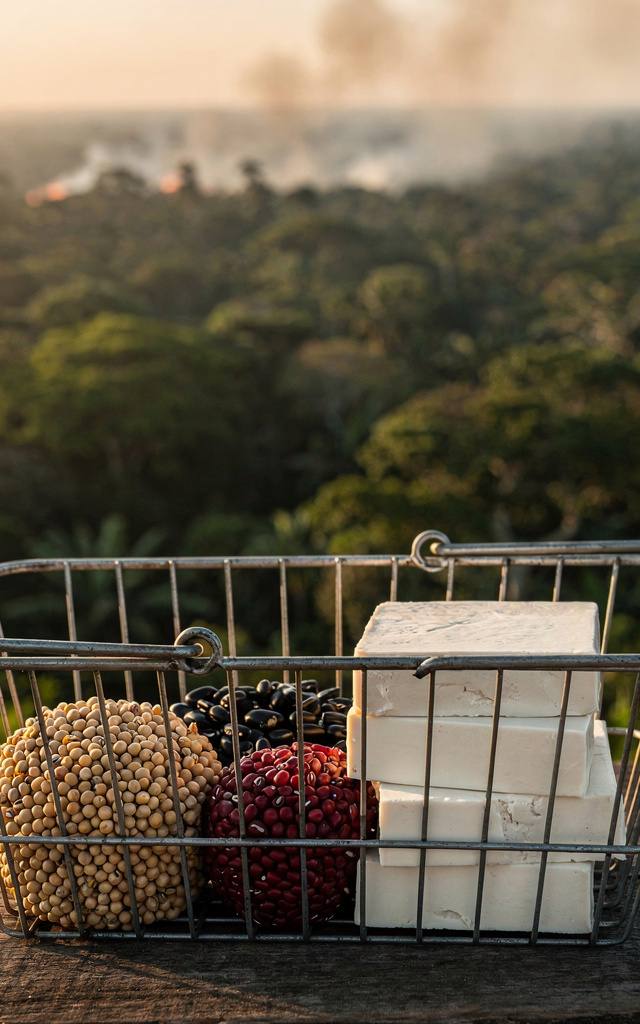
conservation
Amazon Deforestation: Beef, Soy and Your Shopping Basket
Amazon deforestation is driven largely by cattle ranching and soy fed to factory-farmed animals — here's how your supermarket basket connects to the rainforest.
9 min read
For your health
Adventist Health, EPIC-Oxford, the China Study, PREDIMED, EAT-Lancet. Every long-running nutrition study keeps landing on the same conclusion: people who eat mostly plants live longer, with less heart disease, less type 2 diabetes and lower rates of several major cancers.
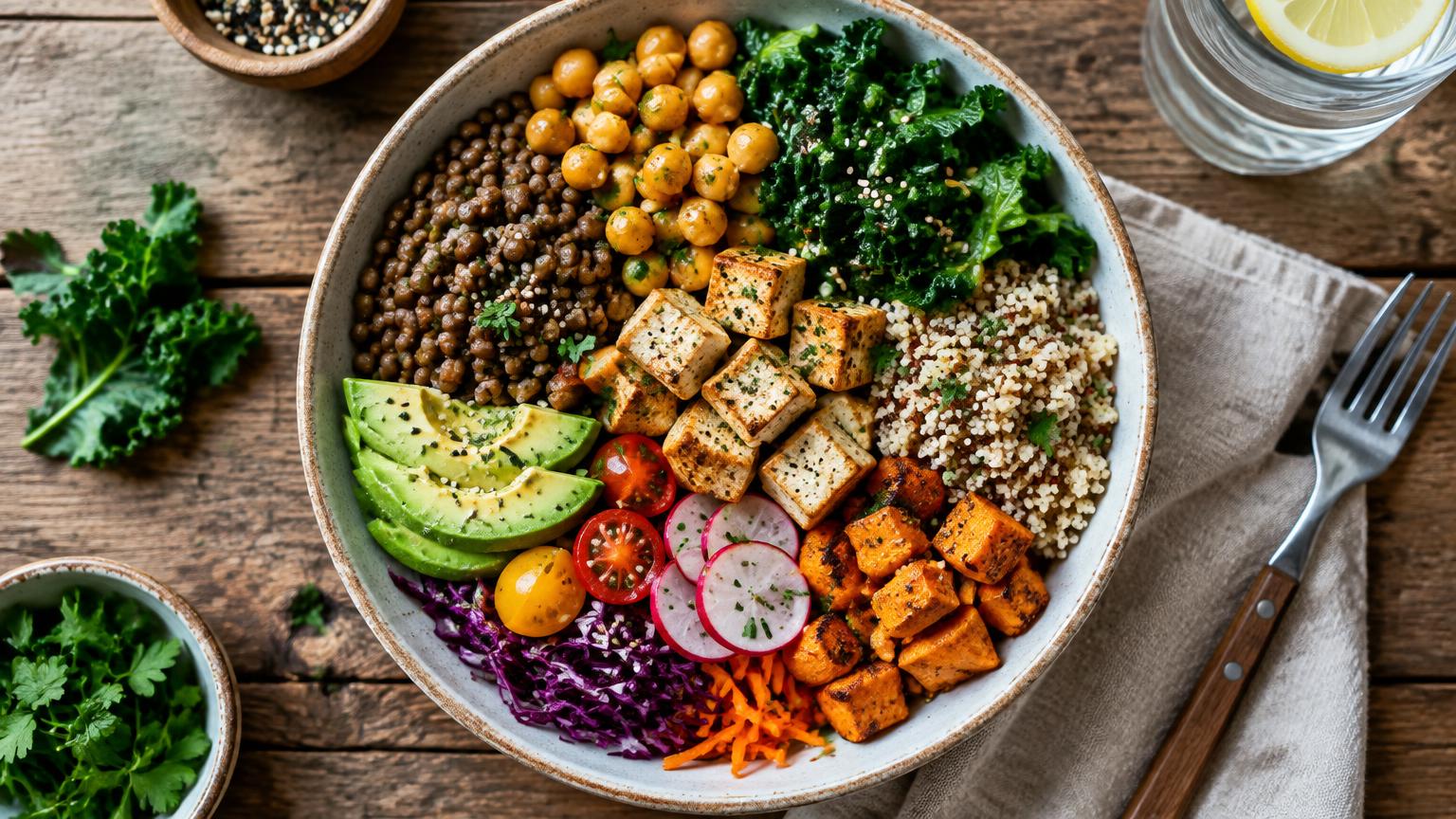
The nutrition literature is noisy because food is emotional and industry-funded. Cut through it and the consensus is boring: eat more legumes, whole grains, nuts, fruit and vegetables. Eat less red and processed meat. That advice comes from every major health authority — the WHO, the American Heart Association, the Academy of Nutrition and Dietetics.
A well-planned plant-based diet is nutritionally adequate for every life stage. B12 supplementation is required (it's a bacterial vitamin, not an animal one). Iodine, omega-3s and vitamin D warrant attention. Everything else is easier than most people think.
Key evidence
Multiple long-running cohort studies point the same direction: plant-forward eating is associated with less chronic disease and longer lives.
In vegetarians vs. non-vegetarians across large cohort studies.
Source: EPIC-Oxford, BMJ 2019
In people following a healthful plant-based diet.
Source: Adventist Health Study-2
Modelled gain from switching to an optimised plant-forward diet at age 20.
Source: Fadnes et al., PLOS 2022
The food system in one chart
Meat, dairy, eggs and farmed fish take up most of the world's agricultural land, including the cropland grown for feed. They supply a small share of what we eat.
Shifting plates toward plants could free up land on the scale of continents for forests and wildlife.
Amazon deforestation is driven largely by cattle ranching and soy fed to factory-farmed animals — here's how your supermarket basket connects to the rainforest.
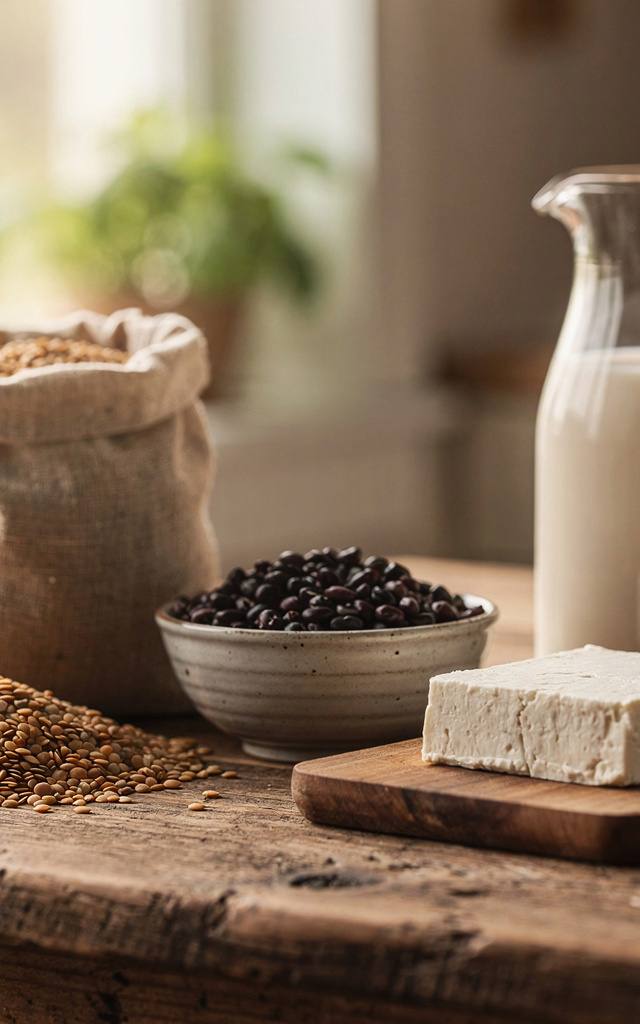
A plant-based diet guide to the climate solution science—how far your footprint can fall, and how to start with beans, lentils and tofu from any supermarket.
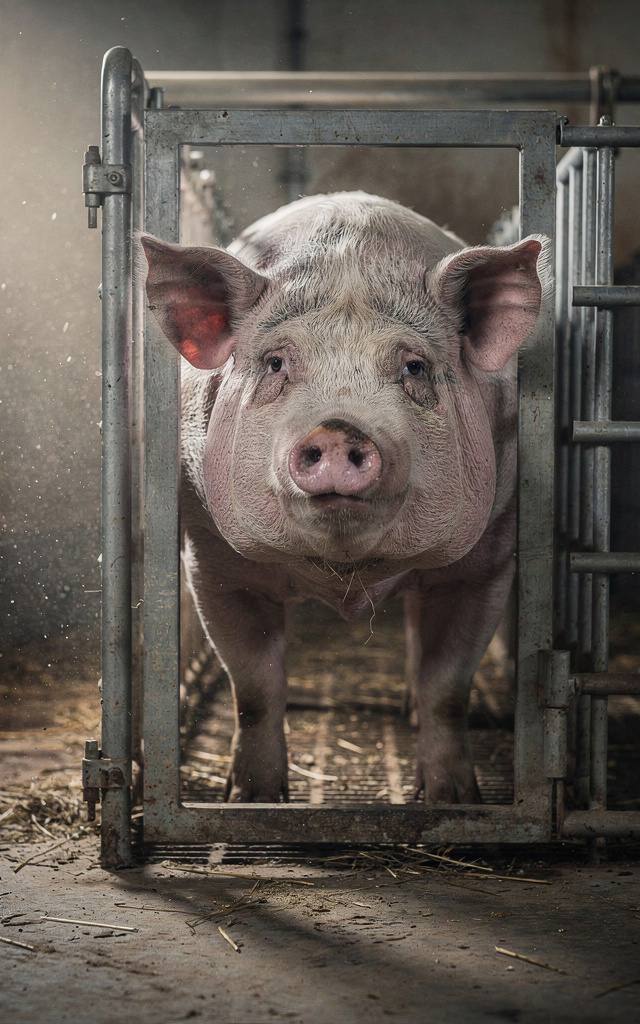
A journey through the life of a factory-farmed pig—from gestation crate to transport—and a map of US state laws versus what actually happens on the ground, with labels and swaps you can use.
Curated films
Documentaries, investigations and short films from advocacy groups and independent filmmakers.
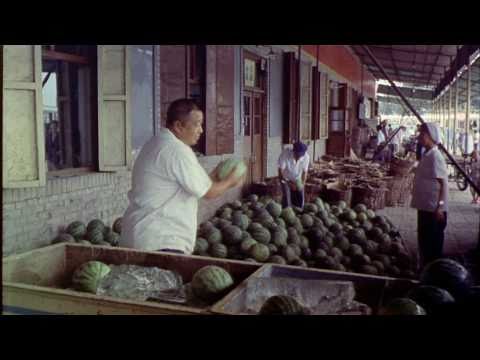 Documentary trailer
The documentary that made the plant-based case to millions.
Source: Forks Over Knives
 Short film
If slaughterhouses had glass walls, McCartney once said, everyone would be vegetarian. This is what he meant.
Source: PETA
 Documentary trailer
The environmental case against industrial animal agriculture, in 90 seconds.
Source: Cowspiracy
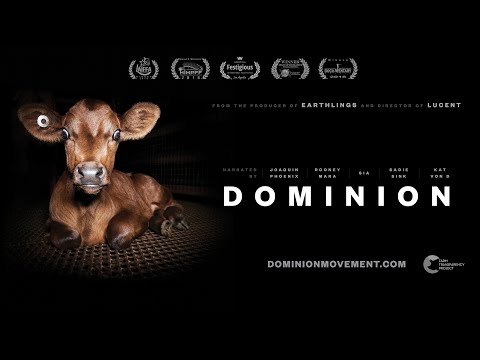 Documentary trailer
An unflinching look at how humans exploit non-human animals across every industry.
Source: Dominion Movement
 Explainer
A calm, data-rich explainer on the environmental math of eating meat.
Source: Kurzgesagt
 Investigation
What the milk carton doesn't show.
Source: Mercy For Animals
The common questions
The best reporting on plant-based nutrition and healthspan, plus one action worth taking. Nothing else.
The four pillars
People come to plant-based living from very different doors. The reasons differ; the destination converges.
More than 80 billion land animals — and trillions of aquatic ones — are killed for food each year. Most never see the sun.
Read more →A 2018 Oxford study of 38,700 farms in 119 countries found plant-based eating is the single biggest thing one person can do.
Read more →Adventist Health, EPIC-Oxford, PREDIMED, EAT-Lancet: plant-eaters live longer, with less heart disease and diabetes.
Read more →A third of the world's grain is grown to feed farmed animals. Redirected to humans, it could nourish billions more.
Read more →