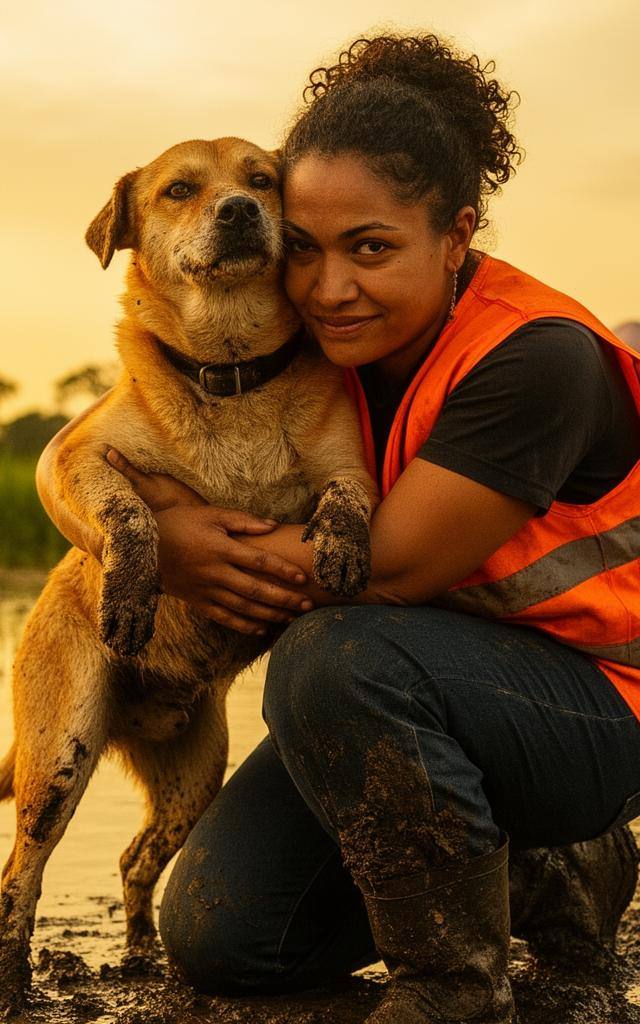
Veganismo
Asa Brasil: Por que apoiar a proteção animal é urgente
Entenda como a Asa Brasil une solidariedade animal e veganismo em 2026, e por que você deve agir agora.
6 min de leitura

Pelos animais. Pelo planeta. Pela sua saúde. Ajudamos pessoas curiosas e compassivas a migrar para uma vida à base de plantas — sem julgamentos e sem ruído.
11 idiomas · Redação
O problema
Todos os dias, mais de 200 milhões de animais terrestres são abatidos para alimentação. Somando os animais aquáticos, o número diário sobe para bilhões. Para produzi-los, construímos um sistema que ocupa cerca de 80% das terras agrícolas do mundo, causa mais desmatamento do que qualquer outra indústria e contribui entre 14,5% e 19,5% das emissões globais de gases de efeito estufa. É, pela maioria das medidas, o maior empreendimento humano na Terra — e aquele em que menos pensamos.
Isto não é uma acusação; é um convite. A KindEco existe porque acreditamos que, quando as pessoas veem com clareza, escolhem de forma diferente. E que a maneira como comemos é uma das alavancas mais significativas que pessoas comuns têm para tornar o mundo menos cruel.
Os quatro pilares
As pessoas chegam à vida à base de plantas por portas muito diferentes. As razões variam; o destino converge.
Mais de 80 bilhões de animais terrestres — e trilhões de aquáticos — são mortos para alimentação todo ano. A maioria nunca vê a luz do sol.
Leia mais →Um estudo de Oxford de 2018 com 38.700 fazendas em 119 países concluiu que a alimentação à base de plantas é a maior ação que uma pessoa pode tomar.
Leia mais →Adventist Health, EPIC-Oxford, PREDIMED, EAT-Lancet: quem come à base de plantas vive mais, com menos doenças cardíacas e diabetes.
Leia mais →Um terço dos grãos do mundo é cultivado para alimentar animais de criação. Redirecionado aos humanos, poderia alimentar bilhões a mais.
Leia mais →Torne isso concreto
Deslize para um número de dias — uma semana, um mês, um ano de alimentação à base de plantas — e veja o que sua decisão individual representa.
Estimativas ilustrativas, não economias pessoais medidas. Premissas diárias fixas são multiplicadas pelos dias; a água é uma estimativa superior de pegada hídrica. Os resultados dependem da dieta anterior, local, produção e desperdício. Não contam animais resgatados nem terras efetivamente liberadas.
Estimativas de limite superior de Poore & Nemecek (Science, 2018); Mekonnen & Hoekstra (pegadas hídricas); Counting Animals (incl. aquáticos).
Por onde começar
Responda cinco perguntas rápidas e vamos indicar a parte do site com mais chance de fazer sentido para você — de acordo com quem você realmente é.
Vozes
“Auschwitz começa onde alguém olha para um matadouro e pensa: são apenas animais.”
Filmes selecionados
Documentários, investigações e curtas-metragens de grupos de defesa e cineastas independentes.
 Trailer de documentário
O documentário que convenceu milhões da alimentação à base de plantas.
Fonte: Forks Over Knives
 Curta-metragem
Se os matadouros tivessem paredes de vidro, disse McCartney certa vez, toda a gente seria vegetariana. É isto que ele quis dizer.
Fonte: PETA
 Trailer de documentário
O argumento ambiental contra a pecuária industrial, em 90 segundos.
Fonte: Cowspiracy
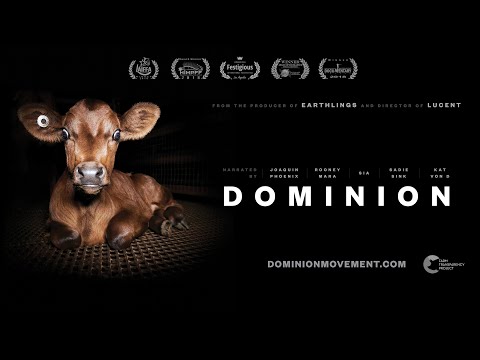 Trailer de documentário
Um olhar direto sobre como os humanos exploram os animais não-humanos em praticamente todas as indústrias.
Fonte: Dominion Movement
 Explicativo
Uma explicação serena e rica em dados sobre a matemática ambiental do consumo de carne.
Fonte: Kurzgesagt
 Investigação
O que o pacote de leite não mostra.
Fonte: Mercy For Animals
As perguntas mais comuns
Da revista
Entenda como a Asa Brasil une solidariedade animal e veganismo em 2026, e por que você deve agir agora.
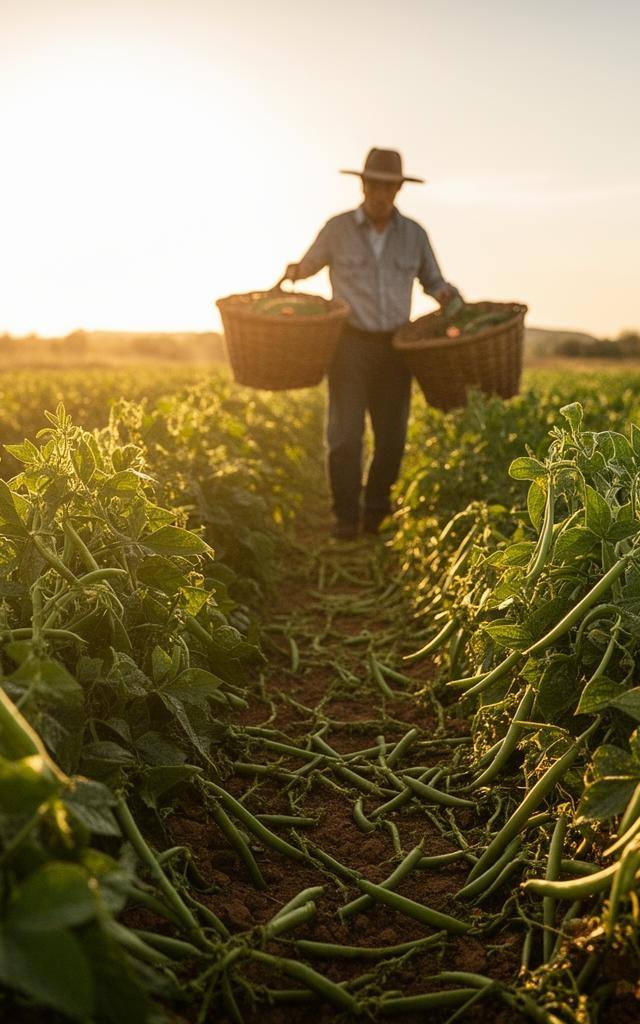
Investigamos se comer feijão aumenta a pegada de carbono em Portugal, com dados de outubro de 2026.
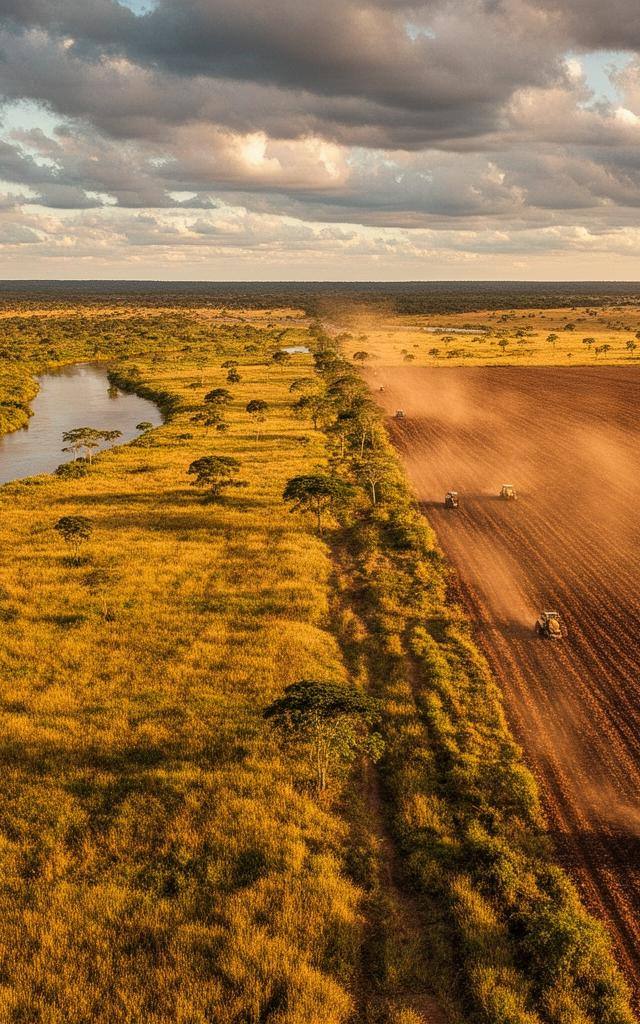
Análise inédita mostra que a agricultura moderna no Brasil concentra 74% das emissões na pecuária — e aponta o caminho para uma produção sustentável.
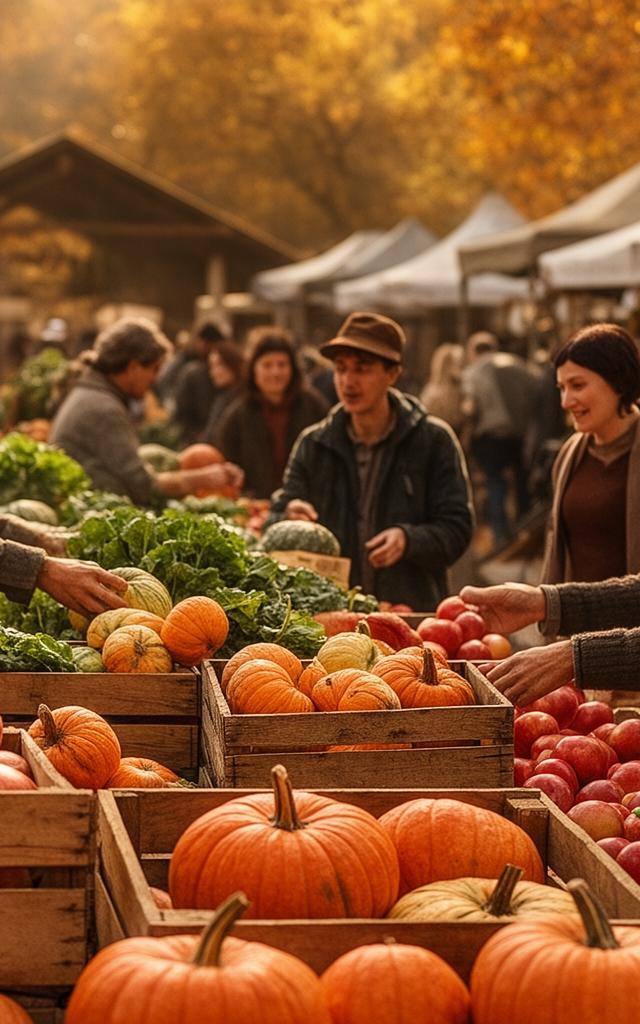
Descubra como as escolhas alimentares conscientes transformam a sua saúde e o planeta com o guia de produtos sazonais no Brasil e em Portugal.

Guia passo a passo para usar a linha Vemondo do Lidl em Portugal como ferramenta prática de ações contra mudanças climáticas, com dados e estratégias.
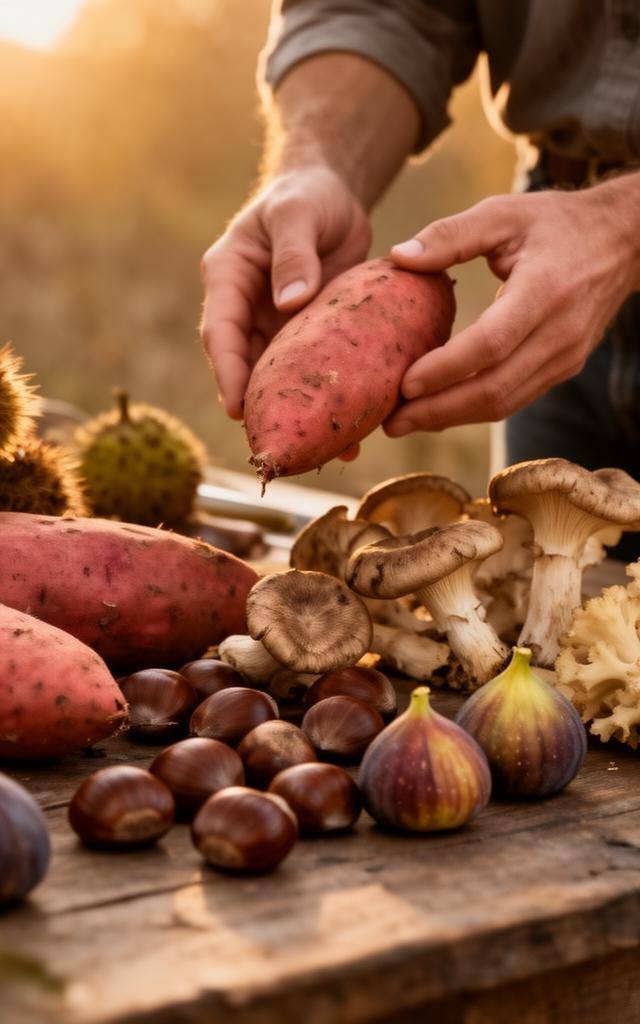
Um relatório de mercado detalha os fatores por trás do aumento do preço do leite vegetal no Brasil e o que esperar para o consumidor e investidor.
Newsletter
Algumas receitas, uma história que vale seu tempo, e uma coisa que você pode fazer esta semana. Nada mais.