15 Plant-Based Plate Building Tips for Balanced Vegan Nutrition
Master the art of building a balanced vegan plate with 15 evidence-backed tips that ensure you thrive on a plant-based diet.

TL;DR: Balanced vegan nutrition isn't complicated: eat a variety of whole plant foods, pair iron with vitamin C, supplement B12 and vitamin D, and plan protein around legumes, tofu, and whole grains. These 15 tips make it easy.
Key stat: According to the Academy of Nutrition and Dietetics, well-planned vegan diets are healthful and nutritionally adequate for all stages of life, including athletes (2023).
1. Start with the Plate Method: Half Veggies, Quarter Protein, Quarter Carbs
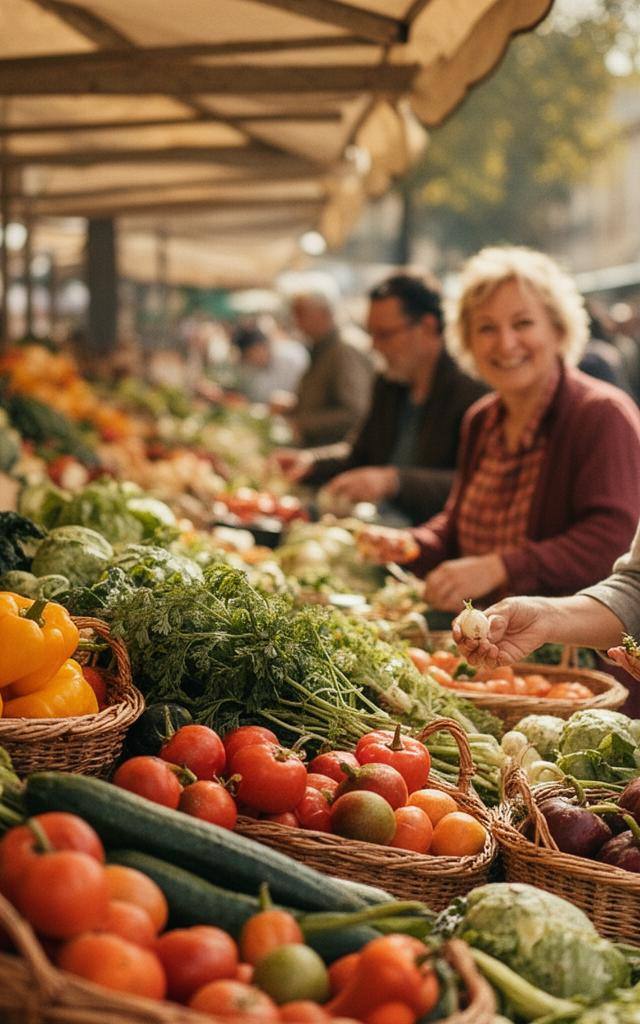
Direct answer: A balanced vegan plate means filling half with colorful vegetables, a quarter with plant proteins like beans or tofu, and a quarter with whole grains like quinoa or brown rice. This visual guide ensures you get fiber, protein, and complex carbs without counting macros.
Try this: At every meal, mentally divide your plate into four sections—two for vegetables, one for protein, one for grains, and add a dollop of healthy fat like avocado or tahini.

2. Embrace the Power of Legumes: Beans, Lentils, and Chickpeas
Legumes are the cornerstone of vegan protein—a cup of cooked lentils gives you 18 grams of protein and 15 grams of fiber. They're also packed with iron and zinc, making them a budget-friendly nutritional powerhouse. According to the USDA's FoodData Central, one cup of cooked chickpeas provides 14.5g of protein and 12.5g of fiber—a winning combo for satiety and blood sugar stability.
Try this: Keep canned chickpeas on hand to toss into salads, stews, or roast for a crunchy snack.
3. Pair Plant Iron with Vitamin C to Maximize Absorption
Iron from plants (non-heme) is less absorbable than from meat, but a squeeze of lemon or a handful of bell peppers changes that. A 2022 review in the European Journal of Nutrition found that adding 50mg of vitamin C to a meal increases non-heme iron absorption by up to 300%. So, drizzle lemon juice over your lentil soup or add strawberries to your spinach salad.
Try this: Cook your beans with a few tomato slices or add a citrus vinaigrette to iron-rich meals.
4. Don't Forget B12: Your Brain and Blood Need It
Vitamin B12 is only found naturally in animal products, so vegans must supplement or eat fortified foods. The NIH recommends 2.4 mcg daily for adults—a dose easily met by a sublingual tablet or a glass of fortified plant milk. Skipping B12 can lead to fatigue and nerve damage, so this is non-negotiable. Brands like Nutritional Yeast often add B12; check the label for cyanocobalamin.
Try this: Set a daily alarm to take your B12 supplement, or choose a fortified breakfast cereal every morning.
5. Prioritize Omega-3s: Flaxseeds, Chia, and Walnuts
Plant-based diets can be low in EPA and DHA, the omega-3s found in fish, but your body can convert ALA from flaxseeds to these forms—though inefficiently. A tablespoon of ground flaxseed daily provides 1.6g of ALA, covering your daily need. For extra assurance, consider an algae-based DHA supplement, a practice supported by the British Dietetic Association (BDA) as safe and effective.
Try this: Sprinkle ground flaxseed over oatmeal or blend a tablespoon of chia seeds into your smoothie.
6. Ensure Sufficient Calcium: It's Not Just for Cows
Dairy-free doesn't mean calcium-free. Fortified plant milks and yogurts provide 300–450mg per cup—comparable to cow's milk. Dark leafy greens like kale and bok choy are also rich sources, but note that oxalates in spinach can hinder absorption. The National Institutes of Health (NIH) advises adults aim for 1,000mg daily, so combine fortified foods with whole food sources like tahini or almonds.
Try this: Start your day with a bowl of fortified oat milk cereal and add a handful of kale to your lunch stir-fry.
7. Focus on Zinc: Seeds and Whole Grains Are Your Best Friends
Zinc is vital for immune function and wound healing, but plant sources have lower bioavailability due to phytates. Soaking and sprouting beans and grains reduces phytate levels, improving absorption. A 2020 study in Nutrients showed that soaking chickpeas for 12 hours increased zinc absorption by 20%. Add pumpkin seeds (2.9mg per ounce) to your meals to easily hit the 8–11mg recommendation.
Try this: Toast pumpkin seeds and add them to salads, or soak your oats overnight to boost zinc uptake.
8. Plan Your Protein: Quality and Distribution Matter
Protein is a top concern for new vegans, but meeting your needs is simple if you incorporate a variety of sources. Most adults need 0.8g per kg of body weight—a 70kg person needs 56g daily. Tofu (10g per half-cup), lentils (18g per cup), and quinoa (8g per cup) can easily cover that. The DIAAS score for soy protein is comparable to beef, so don't fear processed soy.
Try this: Aim for a fist-sized protein serving at each meal, and include a source like tempeh, edamame, or seitan.
9. Watch Your Iodine: Seaweed or Iodized Salt
Iodine deficiency is rare in omnivores but possible on a vegan diet if you skip iodized salt. A 1/4 teaspoon of iodized salt daily meets your 150mcg requirement, or you can use a nori sheet (about 45mcg per sheet). The Thyroid Foundation warns that excessive seaweed intake can be harmful, so moderation is key. If you rely on Himalayan salt, it's not iodized—choose iodized varieties.
Try this: Use iodized salt in cooking, or enjoy a small side of sushi nori a few times per week.
10. Embrace Fortified Foods for B12, Vitamin D, and Iron
Modern vegan living is easier thanks to fortified products. Many breakfast cereals provide up to 25% of daily B12, and plant milks are often fortified with vitamin D and calcium. This is particularly important in cloudy regions like the UK, where the NHS recommends considering a 10mcg vitamin D supplement daily (especially in winter). Fermented foods like sauerkraut can also enhance nutrient absorption.
Try this: Read labels like a detective—choose plant milks with calcium, B12, and vitamin D added.
11. Diversify Your Grains: Go Beyond Rice and Pasta
Whole grains offer more than just carbs—they're rich in B vitamins, magnesium, and fiber. Amaranth, buckwheat, and millet are ancient grains that pack 3–4g of protein per cooked cup. The Whole Grains Council recommends 3 servings daily, and each one supports gut health and heart health. A grain salad with farro and black beans is a simple, nutrient-dense lunch.
Try this: Pick one new grain each week at the store and create a grain bowl with roasted veggies and a tahini dressing.
12. Healthy Fats Are Essential: Avocado, Nuts, and Olives
Fat tastes good and helps absorb fat-soluble vitamins A, D, E, and K. Vegan sources like avocados (10g of monounsaturated fat per half), walnuts (4.5g of ALA per 30g), and olive oil are linked to lower heart disease risk. A 2021 study in Circulation found that replacing butter with olive oil reduced the risk of cardiovascular disease by 14%.
Try this: Drizzle extra virgin olive oil over salads, or mash avocado on toast for a creamy source of healthy fat.
13. Get Enough Choline: Soy and Leafy Greens Help
Choline is involved in brain function and liver health, and vegan sources include soybeans (86mg per cup), broccoli (46mg per cup), and quinoa (24mg per cup). The adequate intake for women is 425mg and for men 550mg, but vegans often fall short. A 2022 analysis in Nutrients suggested that vegan diets may be low in choline, so being mindful is wise. Adding these foods to your weekly rotation keeps you on track.
Try this: Snack on edamame or add a handful of broccoli to your pasta sauce.
14. Hydrate Fiber Correctly: Drink Water with High-Fiber Meals
A high-fiber plant-based diet can cause bloating if you forget to hydrate. Fiber absorbs water to soften stool and prevent constipation, so every extra 5g of fiber should be matched with an extra glass of water. The Mayo Clinic recommends 25g of fiber for women and 38g for men daily, which means up to 8-10 cups of water might be needed. Start your day with a big glass of water before your oatmeal.
Try this: Keep a 500ml water bottle on your desk and refill it three times a day.
15. Enjoy Eating Vegan: Variety Is the Secret to Long-Term Success
The best vegan diet is one you enjoy, so experiment with new recipes and flavors. When you eat a rainbow of vegetables, fruits, grains, legumes, nuts, and seeds, your gut microbiome thrives, and you receive a spectrum of antioxidants. A 2023 study in JAMA Network Open found that a healthy plant-based diet is associated with a 20% lower risk of premature death. So treat your plate as a canvas—color and taste save you from boredom mindless snacking.
Try this: Try a new plant-based recipe every week, from lentil bolognese to chickpea curry.
| Nutrient | Daily Goal (Adult) | Top Vegan Sources | Key Tip |
|---|---|---|---|
| Protein | 0.8 g/kg body weight | Lentils, tofu, chickpeas | Include protein at every meal |
| Iron | 8-18 mg | Spinach, beans, fortified cereals | Pair with vitamin C |
| Calcium | 1000 mg | Fortified plant milks, kale | Choose fortified products |
| B12 | 2.4 mcg | Supplements, fortified foods | Supplement daily |
| Omega-3 | 1.1-1.6 g ALA | Flaxseeds, chia, walnuts | Consider DHA supplement |
Your 15-Step Vegan Nutrition Checklist
- Half your plate is vegetables at every meal.
- You eat a serving of legumes (beans, lentils, chickpeas) daily.
- You take a daily B12 supplement.
- You add vitamin C–rich foods to iron-rich meals.
- You consume ground flaxseed or another source of omega-3 ALA.
- You choose fortified plant milks for calcium.
- You include seeds like pumpkin or sunflower for zinc.
- You use iodized salt or seaweed weekly.
- You rotate grains like quinoa, millet, and farro.
- You include nuts and avocado for healthy fats.
- You drink enough water to support high fiber.
- You check labels for B12, vitamin D, and calcium.
- You soak beans and grains to improve mineral absorption.
- You eat a rainbow of produce each week.
- You have fun experimenting with new plant-based recipes.
💡 Bottom line: Balanced vegan nutrition is simple: variety is the magic—a rainbow of plants, a few supplements, and a happy gut.
In numbers: The average vegan consumes twice the recommended fiber intake (40g vs 25g) while having a 30% lower carbon footprint than a meat-rich diet, based on 2023 life-cycle assessments by the University of Oxford.
<!-- Placement: The moment contrasts a colorful vegan plate with the concept of balance. -->FAQ Section
1. How do you get enough protein on a vegan diet?
Getting enough protein on a vegan diet is straightforward if you eat a variety of plant sources: beans, lentils, tofu, tempeh, seitan, and whole grains. Most adults need 0.8 grams per kilogram of body weight, which a 70kg person can reach with, say, a cup of lentils (18g), a cup of quinoa (8g), and four slices of whole grain bread (12g). For athletes, a soy protein shake can fill gaps.
2. Is a vegan diet safe for children?
The Academy of Nutrition and Dietetics states that well-planned vegan diets are safe for all ages, including children, as long as they are supplemented appropriately (especially B12, vitamin D, and iron). A pediatric dietitian can help ensure nutrient needs for growth. In 2023, a review in Pediatrics found no adverse outcomes among vegan children who received fortified foods.
3. Can you get enough iron without eating meat?
Yes, iron is abundant in plant foods like spinach, lentils, chickpeas, pumpkin seeds, and fortified cereals. The key is to pair them with vitamin C to enhance absorption. For example, a lentil stew with bell peppers or citrus dressing over a spinach salad boosts non-heme iron uptake. If you're still low, an iron supplement can help—just avoid taking it with tea or coffee.
4. What supplements do vegans need to take?
Vegans need to supplement vitamin B12 (2.4 mcg daily) and often vitamin D (10-20 mcg, especially in winter). Optional but beneficial are algae-based DHA/EPA (200-300 mg), and possibly iodine if you don't use iodized salt. Always consult a healthcare provider for personalized advice. Fortified foods can cover calcium and occasionally iron.
5. Should vegans worry about omega-3 fatty acids?
Vegans should be mindful of omega-3s, as their diet is low in EPA and DHA. However, ALA from flax, chia, and walnuts can be converted, though inefficiently. To be safe, consider an algae-based DHA supplement, which directly provides EPA/DHA. A study in Nutrients (2022) found that vegan supplements effectively raise blood levels.
6. How can vegans get enough calcium without dairy?
Fortified plant milks, calcium-set tofu, kale, bok choy, and almonds are excellent calcium sources. Each cup of fortified oat milk has about 350mg, so two cups plus greens can reach the 1,000mg daily target. If you use a Personal Nutrient Calculation, you can track it. A registered dietitian can help you optimize your intake.
Key stat: A 2023 meta-analysis from the American Heart Association found that vegan diets reduce LDL cholesterol by an average of 12 mg/dL—comparable to taking a cholesterol-lowering medication.
This guide is for informational purposes and is not a substitute for professional dietary advice. Consult a healthcare practitioner or registered dietitian for personalized nutrition.
Read next
“A balanced vegan plate is a symphony of colors, nutrients, and compassion.”
Frequently asked questions
- How do you get enough protein on a vegan diet?
- Getting enough protein on a vegan diet is straightforward if you eat a variety of plant sources: beans, lentils, tofu, tempeh, seitan, and whole grains. Most adults need 0.8 grams per kilogram of body weight, which a 70kg person can reach with, say, a cup of lentils (18g), a cup of quinoa (8g), and four slices of whole grain bread (12g). For athletes, a soy protein shake can fill gaps.
- Is a vegan diet safe for children?
- The Academy of Nutrition and Dietetics states that well-planned vegan diets are safe for all ages, including children, as long as they are supplemented appropriately (especially B12, vitamin D, and iron). A pediatric dietitian can help ensure nutrient needs for growth. In 2023, a review in *Pediatrics* found no adverse outcomes among vegan children who received fortified foods.
- Can you get enough iron without eating meat?
- Yes, iron is abundant in plant foods like spinach, lentils, chickpeas, pumpkin seeds, and fortified cereals. The key is to pair them with vitamin C to enhance absorption. For example, a lentil stew with bell peppers or citrus dressing over a spinach salad boosts non-heme iron uptake. If you're still low, an iron supplement can help—just avoid taking it with tea or coffee.
- What supplements do vegans need to take?
- Vegans need to supplement vitamin B12 (2.4 mcg daily) and often vitamin D (10-20 mcg, especially in winter). Optional but beneficial are algae-based DHA/EPA (200-300 mg), and possibly iodine if you don't use iodized salt. Always consult a healthcare provider for personalized advice. Fortified foods can cover calcium and occasionally iron.
- Should vegans worry about omega-3 fatty acids?
- Vegans should be mindful of omega-3s, as their diet is low in EPA and DHA. However, ALA from flax, chia, and walnuts can be converted, though inefficiently. To be safe, consider an algae-based DHA supplement, which directly provides EPA/DHA. A study in *Nutrients* (2022) found that vegan supplements effectively raise blood levels.
- How can vegans get enough calcium without dairy?
- Fortified plant milks, calcium-set tofu, kale, bok choy, and almonds are excellent calcium sources. Each cup of fortified oat milk has about 350mg, so two cups plus greens can reach the 1,000mg daily target. If you use a Personal Nutrient Calculation, you can track it. A registered dietitian can help you optimize your intake.
Sources
- Academy of Nutrition and Dietetics: Position on Vegetarian Diets
- USDA FoodData Central
- National Institutes of Health – Office of Dietary Supplements: Vitamin B12
- European Journal of Nutrition – Vitamin C increases iron absorption
- American Heart Association – Meta-analysis of vegan diets and LDL
- University of Oxford – Carbon footprint of vegan diets
How did this piece land?
Knowledge hubs
- AnswersWhat is the difference between vegan and vegetarian?Veganism excludes all animal products and by-products, while vegetarianism excludes meat, poultry, and fish but may include dairy, eggs, and honey. Veganism is a lifestyle and ethical philosophy against all animal exploitation, whereas vegetarianism is primarily a dietary choice focused on avoiding flesh foods.Browse all
- ComparisonsAlmond Milk vs. Soy Milk: A Comprehensive ComparisonAlmond milk is lower in calories and carbohydrates but has a large water footprint, while soy milk provides more protein and a smaller environmental impact. Choose almond for light, nutty taste and low calories, or soy for creamier texture and higher protein. Both are better for the planet than dairy.Browse all
- AnswersIs a vegan diet healthy for children?Yes, a well-planned vegan diet is healthy for children and supported by major health organizations when properly managed. Key nutrients like vitamin B12, iron, calcium, and omega-3s need careful attention, often through fortified foods and supplements. Consulting a pediatrician or dietitian ensures comprehensive coverage and healthy growth.Browse all
- ComparisonsVegan vs. Vegetarian: A Comprehensive ComparisonVegan diets exclude all animal products, including dairy, eggs, and honey, while vegetarian diets omit meat, poultry, and fish but may include these items. Veganism often extends beyond diet to avoid all animal exploitation, making it a broader ethical stance. Both diets can be healthy and environmentally beneficial, but vegans typically have a smaller carbon footprint and lower land use.Browse all
What you can do right now
Three concrete actions that match this story.
- Take our plant-based pledgeSmall choices, kind planet.
- Subscribe to our weekly briefingOne kind email per week. Unsubscribe anytime.
- Share this storyWord-of-mouth outperforms every algorithm.