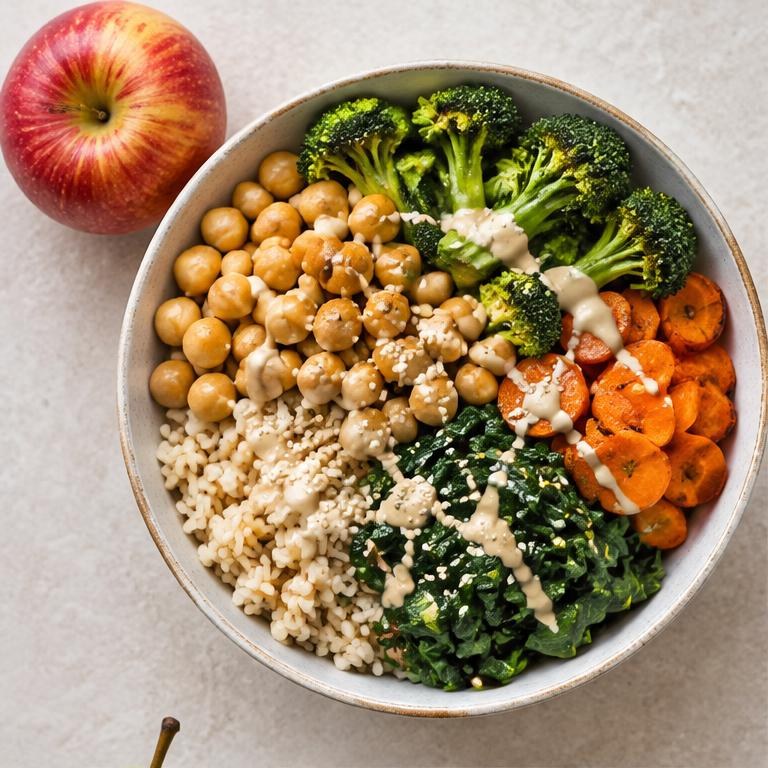
What is a whole-food plant-based diet?
A whole-food plant-based diet centres meals on vegetables, fruit, whole grains, beans, lentils, nuts and seeds, with an emphasis on foods close to their original form. There is no single regulated definition. Some people use “plant-based” for mostly plant meals that still contain animal foods; others use it for entirely animal-free eating. All the meal examples in this guide are animal-free.
Whole-food describes food quality; vegan describes the exclusion of animal ingredients. A vegan menu can still be dominated by sweets, refined snacks or salty convenience foods. Conversely, a plant-forward diet is not necessarily vegan. Veganism can also involve ethical choices beyond food.
Processing is not automatically a problem. Frozen vegetables, canned beans, tofu, wholegrain bread and fortified plant drinks can make a balanced diet easier. Do not remove dependable vitamin B12 or calcium sources just to follow a strict “unprocessed” rule. This is a practical eating pattern, not a detox or a treatment.
Build a satisfying meal
As a flexible starting point, make roughly half a meal vegetables and fruit, a quarter whole grains and a quarter protein-rich foods such as beans, lentils or tofu. This adapts the Harvard Healthy Eating Plate to animal-free meals; it is a visual planning aid, not a calorie prescription. Potatoes and other starchy staples can also fit. Appetite, activity and individual needs may require different amounts.
Try brown rice with chickpeas, broccoli and tahini; wholegrain bread with lentil soup and a salad; or tofu, vegetables and noodles. Add nuts, seeds or an unsaturated oil where appropriate. A bowl of leaves alone is rarely a satisfying main meal: include starch, protein and enough total food. Drink water regularly and use herbs, spices, lemon or vinegar for variety.
Foods to keep in your kitchen
- Vegetables and fruit: fresh, frozen or suitable canned options. Choose different colours and use what is affordable and available locally.
- Grains and starches: oats, brown rice, barley, wholegrain bread, wholewheat pasta, millet and potatoes. Check the ingredient list rather than relying on a brown colour.
- Protein foods: lentils, chickpeas, beans, peas, tofu and tempeh. Keep a ready-to-use option for busy days.
- Nuts, seeds and fats: walnuts, peanuts, ground flaxseed, chia, sesame or tahini. Use alternatives that fit allergies and budget.
- Fortified essentials: unsweetened plant drinks or yogurts with calcium and suitable fortification, plus a reliable B12 source. Fortification varies by brand and country; read labels.
Build a short shopping list around meals you actually want to eat. Specialist powders, expensive meat substitutes and imported “superfoods” are not required.
Nutrients that need a plan
Vitamin B12
Use a reliable, consistent source from B12-fortified foods or an appropriate supplement. Unfortified plant foods, fermented foods and seaweed are not dependable sources. Check the amount on labels and ask a qualified professional about a suitable regimen. Suspected deficiency needs clinical assessment, not guesswork.
Protein
Include beans, lentils, peas or soy foods regularly; nuts, seeds and grains also contribute. Eat enough overall. You do not need to combine complementary proteins at every meal. Needs vary with age, activity and health, so this guide does not set a personal target.
Calcium
Look for calcium-fortified plant drinks and yogurts, calcium-set tofu and suitable greens such as broccoli or kale. Tofu and drinks differ, so check labels. Spinach contains calcium but its oxalate limits absorption; do not rely on it as your main source.
Iron
Pulses, whole grains, fortified cereals and some nuts and seeds supply plant iron. Pair them with vitamin-C-rich peppers, citrus, tomatoes or broccoli to help absorption. Tea or coffee with meals can reduce absorption. Do not start iron supplements without advice, particularly if deficiency is suspected.
Vitamin D
Few foods naturally supply much vitamin D. Check fortified foods and follow current local public-health guidance on supplementation; recommendations depend on country, season and personal risk. Confirm that a chosen supplement is suitable for vegans.
Iodine
Check whether plant drinks are iodine-fortified; calcium fortification does not imply iodine fortification. Seek advice about a dependable source or supplement if needed. Seaweed iodine levels vary and kelp can supply excessive amounts, so it is not a reliable daily workaround. Thyroid conditions need individualized advice.
Omega-3 fats
Ground flaxseed, chia and walnuts provide ALA. Conversion to the longer-chain omega-3 fats EPA and DHA is limited. An algae-derived EPA/DHA supplement may be worth discussing for individual needs, especially in pregnancy or breastfeeding; it is not prescribed here.
Seven days of meal ideas
These examples are a starting point, not a nutritionally calculated meal plan. Adjust portions, snacks, fortified foods and supplements to your needs. Use leftovers and swap ingredients for familiar local staples.
| Day | Breakfast | Lunch | Dinner |
|---|---|---|---|
| 1 | Oats, fortified soy drink, berries and ground flax | Lentil soup, wholegrain bread and salad | Brown rice, chickpeas, broccoli and tahini |
| 2 | Wholegrain toast, peanut butter and banana | White-bean and vegetable bowl with barley | Tofu, brown rice and stir-fried greens |
| 3 | Oats, fortified soy yogurt, apple and walnuts | Chickpea salad in a wholegrain wrap | Lentil dal, brown rice and spinach |
| 4 | Tofu scramble, wholegrain toast and tomato | Leftover dal with vegetables | Black beans, baked potato and cabbage salad |
| 5 | Oats, fortified soy drink, pear and chia | Hummus, wholegrain bread and crunchy vegetables | Wholewheat pasta with lentil-tomato sauce |
| 6 | Wholegrain toast, hummus and cucumber | Brown-rice bowl with edamame and vegetables | Bean stew, barley and greens |
| 7 | Oats, fortified soy yogurt, fruit and seeds | Leftover bean stew and wholegrain bread | Tofu, roasted vegetables and quinoa |
Budget and batch cooking
Compare local prices: pulses, oats and seasonal produce can be useful staples, but no diet guarantees a fixed saving. Frozen produce reduces waste; canned beans save preparation time. Rinse canned beans when useful to reduce some added salt. Choose no-added-salt options where available.
Cook a pot of lentils or beans and a grain, then combine them with different vegetables and sauces. Refrigerate promptly, follow local food-safety storage guidance and freeze portions you will not use soon. Plan leftovers before shopping. A few flexible ingredients often work better than buying a long list for unfamiliar recipes.
Start gradually and eat out confidently
Begin with a breakfast you enjoy, then replace one familiar dinner with a bean- or tofu-based version. Add rather than simply remove: replace the protein and energy that animal foods previously supplied. Increase fibre gradually and drink enough fluids; sudden large changes can cause digestive discomfort.
When eating out, look for a grain or starchy base, a meaningful plant protein and vegetables. Ask about stock, butter, dairy, eggs and sauces rather than assuming a vegetable dish is vegan. Mention allergies separately: vegan does not mean allergen-free. Convenience foods can help on busy days; compare salt, saturated fat and protein rather than judging only the label.
Benefits and limits of the evidence
Dietary patterns rich in vegetables, fruit, whole grains, legumes and nuts are associated with better health outcomes, including lower cardiovascular risk in research. Food quality matters, and studies of different plant-based patterns do not establish that one strict version is best for everyone.
This does not prove that a diet prevents, treats or reverses cancer or any other disease. Weight change is not guaranteed, and removing every animal food is not the only route to a healthier diet. Adequate energy, nutritional planning, physical activity, sleep and appropriate medical care still matter. Supplements and medication should not be stopped because of a dietary claim.
When to get personal advice
This is general information for adults, not a complete plan for pregnancy, breastfeeding, infants, children or adolescents. These stages require additional attention to growth, energy, nutrients and supplements. Ordinary plant drinks are not a replacement for infant formula.
Consult a clinician or registered dietitian for kidney disease, diabetes medication, thyroid disease, gastrointestinal problems, food allergies, a history of deficiency or restrictive eating, or other medical concerns. A high-fibre menu or potassium-rich foods may need adjustment in some conditions. Nutrient needs also extend beyond this short checklist, including zinc and selenium. Persistent fatigue, unexplained weight loss or other symptoms deserve assessment.
If you take warfarin or another medicine affected by vitamin K, discuss keeping intake consistent with your medical team before changing your diet. Do not change medication or supplement regimens on your own.
Common questions
Is whole-food plant-based the same as vegan?
No. WFPB usually emphasizes minimally processed plants; vegan eating excludes animal ingredients. Definitions of plant-based vary. This guide combines an emphasis on whole foods with animal-free meal examples, without rejecting useful fortified foods.
Can I get enough protein without meat?
Yes, with enough total food and regular protein-rich choices such as beans, lentils and soy foods. A salad-only diet is not the same as a balanced plant-based pattern. A professional can help if your needs are higher or restricted.
Do I still need B12 if I eat very well?
Food variety does not make unfortified plant foods a reliable B12 source. Plan dependable fortified foods or a suitable supplement consistently, and obtain advice if you are unsure or have symptoms.
Is oil forbidden?
Some WFPB programmes exclude added oil, but that is not a universal definition or a requirement established by this guide. Nuts, seeds and suitable unsaturated oils can fit a balanced pattern. Personal energy needs and clinical advice matter more than purity rules.
Will this make me lose weight?
Not necessarily. Weight depends on overall intake, needs, health and many other factors. Focus on satisfying meals and nutritional adequacy rather than guaranteed weight loss or severe restriction.