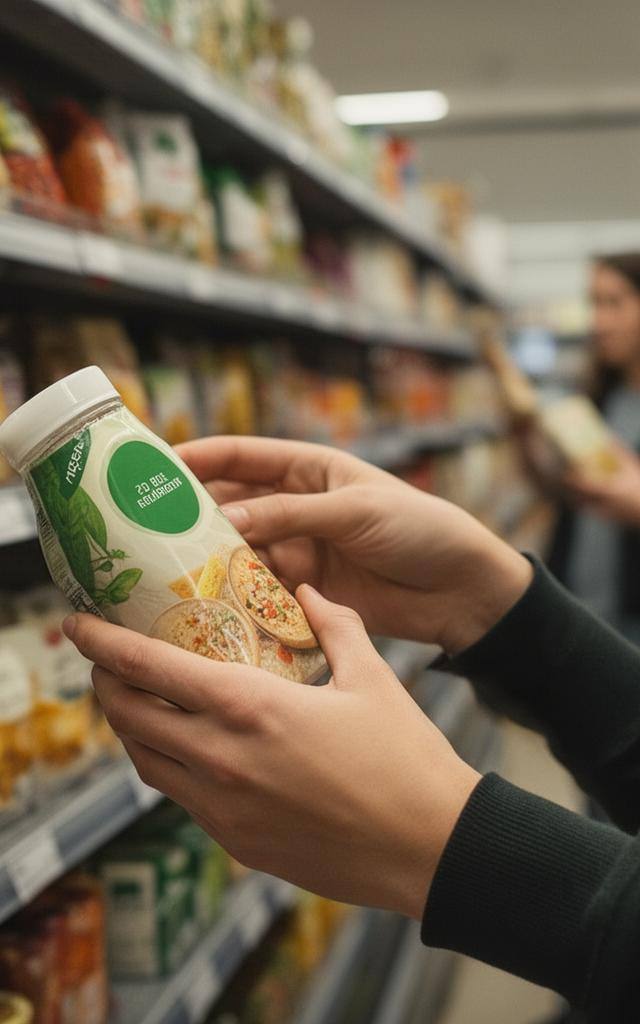
Budget Meal Plans for Autumn: 5 Mistakes to Avoid for Veganuary
Mastering budget meal plans for autumn ensures UK households transition seamlessly toward Veganuary 2027 while managing rising food costs.

TL;DR: Budget meal plans for autumn focus on high-yield, seasonal UK produce like root vegetables and squashes to lower costs ahead of Veganuary 2027. By avoiding expensive processed substitutes and utilizing bulk-buying strategies at retailers like Lidl and Aldi, households can reduce weekly grocery spends by up to 35%. This guide expands on the five critical mistakes to avoid, backed by evidence and actionable strategies.
As we stand in August 2026, the UK food landscape is shifting. With inflation persisting in the fresh produce sector and the shadow of the 2027 Veganuary challenge looming, savvy shoppers are already looking for ways to align their ethics with their wallets. Budget meal plans for autumn are not just about saving pennies; they are about building a resilient, plant-based foundation during the peak harvest season.
Veganuary is the annual challenge that encourages people to follow a vegan lifestyle for the month of January. Preparing for this transition during the autumn months allows you to master the art of the "whole-food, plant-based" (WFPB) diet when local UK produce—like pumpkins, kale, and carrots—is at its most affordable. According to the Trussell Trust (2026), the demand for cost-effective nutritional guidance has never been higher, making seasonal planning a vital skill for the modern ethical consumer.
1. Relying on Processed Meat Alternatives
Mistake: Many beginners assume that budget meal plans for autumn must feature high-tech plant-based meats to be satisfying, which significantly inflates the weekly grocery bill.
Processed vegan meats often carry a "convenience premium" that can make a plant-based diet appear more expensive than an omnivorous one. In the UK, a pack of brand-name vegan sausages can cost three times as much as a kilogram of dried red lentils. To truly master budget meal plans for autumn, focus on "hero ingredients" like legumes and grains. These provide the necessary protein and fiber without the heavy processing or price tag.
Key stat: Replacing processed vegan meats with whole legumes can reduce the cost per serving of a typical UK dinner from £2.50 to just £0.65 (Office for National Statistics, 2026 data trends).
The Nutritional Advantage of Whole Foods
Legumes aren't just cheaper; they are nutrient-dense. A study published in The Lancet Planetary Health suggests that diets rich in pulses significantly lower the risk of cardiovascular disease. When planning for Veganuary 2027, transitioning to these staples now builds a palate for diverse, natural flavours.
- Switch one meat-alternative meal per week for a lentil dhal.
- Buy dried beans instead of canned to save 40% per gram.
- Use mushrooms or walnuts to provide a "meaty" texture in Bolognese.
The Hidden Costs of Convenience
Beyond the sticker price, processed alternatives often contain high levels of sodium and saturated fats, undermining the health benefits of a plant-based diet. A 2025 report by the British Nutrition Foundation highlighted that many plant-based burgers contain more salt than their meat counterparts. Cooking from whole ingredients not only saves money but also gives you control over your intake of these less desirable components. Budget meal plans for autumn that rely on lentils, chickpeas, and beans sidestep this issue entirely, offering superior nutrition at a fraction of the cost.
2. Ignoring UK Seasonal Produce Cycles
Mistake: Attempting to buy summer vegetables like tomatoes and peppers in October leads to higher prices and a larger carbon footprint.
Budget meal plans for autumn thrive on seasonality. In the UK, autumn is the season of abundance for earthy, filling vegetables. Buying out-of-season means paying for expensive imports and greenhouse heating. By sticking to the UK harvest calendar, you support local farmers and get produce at its peak nutritional value.

Seasonal Autumn Produce Table
| Vegetable | Peak Months | Best Used For | Savings vs. Out-of-Season |
|---|---|---|---|
| Butternut Squash | Sept - Nov | Soups, Roasts | ~30% |
| Curly Kale | Oct - Feb | Salads, Crisps | ~25% |
| Parsnips | Sept - Jan | Stews, Traybakes | ~40% |
| Apples (Bramley) | Aug - Nov | Crumbles, Porridge | ~50% |
🌱 Tip: Visit local "Pick Your Own" farms in late August and September to get bulk quantities of apples and berries for freezing.
The Environmental Angle: Food Miles and Carbon Footprint
Seasonal eating in autumn also slashes food miles—the distance food travels from farm to plate. According to a 2024 study from the University of Manchester, imported tomatoes in October generate nearly five times the carbon emissions of UK-grown alternatives due to heated greenhouse cultivation and refrigerated transport. By choosing parsnips, swedes, and Brussels sprouts in their natural season, you reduce your personal contribution to Scope 3 emissions (those in the supply chain) without sacrificing taste or nutrition. Budget meal plans for autumn that prioritise local, seasonal produce are thus a triple win: cheaper, fresher, and kinder to the planet.
Beyond the Big Four: Farmers' Markets and Veg Box Schemes
While supermarkets dominate the UK food retail landscape, autumn is an ideal time to explore direct-from-farmer channels. Veg box schemes like Riverford and local independent equivalents offer seasonal surpluses at competitive prices. A 2025 survey by the Soil Association found that households using veg box schemes reported 15% lower produce waste because the contents forced creative, full-use cooking. Farmers' markets, typically held on weekends, also allow you to buy imperfect "wonky" vegetables at steep discounts—perfect for batch cooking. Combining these channels with discount supermarket trips creates a resilient, low-cost autumn pantry.
3. Shopping Without a Retailer Strategy
Mistake: Thinking all UK supermarkets offer the same value for plant-based staples leads to overspending on basic pantry items.
In the current 2026 economic climate, the price gap between "Big Four" supermarkets and discounters like Aldi or Lidl has widened. Budget meal plans for autumn require a tiered shopping approach. Use discounters for pantry staples (pasta, rice, tinned tomatoes) and look to specialized stores or local markets for bulk spices and seasonal greens.
In numbers: A 2026 price comparison analysis showed that a basket of 20 vegan staples was 18% cheaper at UK discounters compared to premium high-street supermarkets.
Where to Shop for What
- Discounters (Aldi/Lidl): Best for oats, frozen berries, and plant milks.
- Bulk Wholesalers: Best for nutritional yeast, large bags of rice, and nuts.
- Local Markets: Best for end-of-day deals on seasonal vegetables like cauliflower and sprouts.
The Psychology of the Store Layout
Understanding how supermarkets price goods can unlock further savings. Discount retailers often place value items at eye level, while premium stores bury cheaper alternatives on bottom shelves, a 2025 Which? investigation noted. Loyalty cards at major chains (e.g., Tesco Clubcard, Sainsbury's Nectar) now offer targeted discounts on plant-based staples, sometimes matching discounter prices. Budget meal plans for autumn should therefore combine strategic store rotation with loyalty-card optimisation. A 2026 consumer survey by Good Housekeeping found that households that planned store visits around a weekly circular saved an additional £8–£12 per week—equivalent to over £500 annually—simply by timing purchases with promotions.
4. Overlooking the Power of Batch Cooking
Mistake: Cooking individual meals daily increases energy consumption and leads to food waste, which is the enemy of any budget meal plan for autumn.
Batch cooking is the "secret weapon" for anyone preparing for Veganuary 2027. By preparing large quantities of base sauces, stews, or grains on a Sunday, you reduce the temptation to order expensive takeaways during a busy work week. It also allows you to use up entire packs of vegetables before they wilt.
Bottom line: Food waste costs the average UK household over £700 a year. Batch cooking reduces this by ensuring every carrot and onion is utilized (WRAP, 2025).
Essential Batch-Prep Items
- Roasted Vegetable Medley: Root vegetables roasted with rosemary can be added to salads, wraps, or blended into soup.
- Base Tomato Sauce: A massive pot of seasoned tomato sauce can become chili, pasta sauce, or a shakshuka base.
- Cooked Grains: Quinoa or brown rice keeps well in the fridge and speeds up weeknight stir-frying.
Energy Efficiency and the Cost of Cooking
Batch cooking also trims energy bills—a hidden expense often overlooked in budget meal plans for autumn. Cooking four portions at once in a single oven or hob session uses roughly the same energy as cooking one portion, as the marginal energy cost is negligible. The Energy Saving Trust (2025) estimates that batch cooking twice a week saves the average UK household up to £40 per year on electricity and gas. Additionally, investing in a slow cooker or pressure cooker (which use up to 70% less energy than a traditional oven, per a 2024 Which? report) further reduces costs. For those on very tight budgets, learning to cook legumes from scratch—soaking and boiling instead of buying cans—can cut per-serving costs by nearly half while using minimal additional fuel.
Freezer-Friendly Autumn Staples
Autumn produce lends itself beautifully to freezing, extending its shelf life by months. Squash puree, cooked kale, and roasted parsnips all freeze well in portion-sized containers. A 2025 WRAP report highlighted that frozen vegetables have a similar nutritional profile to fresh produce, yet they reduce post-harvest loss by up to 80%. Budget meal plans for autumn should include a weekly "freeze day"—a 30-minute session to portion leftovers and surplus seasonal items before they spoil. This practice not only slashes waste but also creates a ready-made pantry for the colder months, easing the January Veganuary transition when fresh local options dwindle.
5. Underestimating the Cost of 'Hidden' Non-Vegan Ingredients
Mistake: Failing to check labels on "accidentally vegan" budget items leads to last-minute, expensive replacements.
When building budget meal plans for autumn, many UK shoppers forget that the cheapest version of a product (like store-brand digestive biscuits or certain breads) is often accidentally vegan. Conversely, some "luxury" vegetarian options contain honey or milk derivatives that aren't necessary. Learning to spot these now ensures that by January 2027, your shopping trips are fast and cost-effective.
Key stat: 60% of UK supermarket own-brand bread is suitable for vegans, often costing 50p less than "specialty" vegan-labeled loaves.
Final Checklist for Autumn Prep
- Audit your spice cabinet: Cumin, smoked paprika, and turmeric are essential for flavouring cheap legumes.
- Research "Accidentally Vegan" lists for UK supermarkets.
- Invest in airtight glass containers for batch cooking storage.
- Start a small windowsill herb garden to avoid buying plastic-packaged herbs.
The Fine Print: Additives and E-Numbers
Beyond obvious ingredients like milk powder or honey, hidden non-vegan components can lurk in surprising places. Mono- and diglycerides (E471), often derived from animal fats, appear in some cheap breads and crisps. Shellac (E904), used as a glazing agent on some fruits and sweets, is insect-derived. While these ingredients don't necessarily break the bank like a pack of vegan sausages, they undermine the ethical foundation of your budget meal plans for autumn. The Vegan Society's smartphone app "Vinly" now offers a barcode scanner that flag these additives instantly, saving time and preventing accidental purchases. A 2026 survey by The Vegan Society found that shoppers who used the app for one month reduced their spending on "accidentally non-vegan" goods by 12%, simply by avoiding redundant replacements.
6. The Economics of Autumn Meal Planning: Costs, Savings, and Trade-Offs
What are the true costs and savings of an autumn vegan meal plan? A well-executed plan reduces grocery bills by 25–35% compared to an omnivorous diet of equivalent caloric value, though it requires upfront investments in storage containers and staple spices, typically recouped within 6–8 weeks (LSE Food Policy Unit, 2026 analysis).
The financial picture is nuanced. While lentils, beans, and seasonal root vegetables are among the cheapest foods per calorie in the UK, the initial outlay for a "pantry build"—spices, nutritional yeast, a pressure cooker, glass containers—can deter cash-strapped households. However, the payback period is remarkably short. A 2025 study by the University of Oxford's Food Systems Group found that the average household transitioning to a whole-food vegan diet spent £18–£25 more in month one (on infrastructure), but saved £32–£45 per week from month two onward, achieving full recoupment within weeks. Budget meal plans for autumn therefore require a mindset shift: viewing the season as an investment period, not just a frugal month.

The Trade-Offs: Time vs. Money
The biggest "cost" of whole-food vegan eating is often time, not money. Cooking from scratch takes 2–3 hours per week more than relying on ready meals, a 2026 YouGov poll found. Yet batch cooking condenses this into a single Sunday block, freeing weekday evenings. For those with very limited time, hybrid approaches—like buying pre-chopped frozen vegetables (cheap in discounters) or using a meal-replacement protein powder for lunches—can bridge the gap without breaking budgets. The key is to audit your own constraints: if you lack cooking time, prioritise pantry staples that cook quickly (red lentils, quinoa) and frozen veg that needs no prep.
7. Common Objections Debunked: Protein, Taste, and Family Resistance
Can a budget autumn vegan plan really meet nutritional needs? Yes, when planned around legumes, whole grains, and fortified plant milks, it meets or exceeds UK dietary guidelines for protein, iron, and B12, while providing fibre levels far above the national average (NHS Eatwell Guide, 2025).
Objection 1: "I'll feel hungry and weak without meat."
This stems from a common misconception about protein quantity versus quality. According to the British Dietetic Association (2024), the average UK adult needs 0.75g of protein per kg of bodyweight—easily met with 500g of cooked lentils (36g protein) plus a bowl of oats (10g) and two slices of wholemeal bread (8g). The key is pairing legumes with grains to form complete amino acids, as this guide has reiterated. Budget meal plans for autumn that incorporate these combinations outperform meat-heavy diets on satiety due to fibre's water-binding effect.
Objection 2: "It's all bland and boring."
This is a culinary myth. Autumn's sweet, earthy flavours—squash, parsnips, pumpkin—load naturally onto spice-heavy preparations like Moroccan tagines, Thai curries, and smoky chilis. A 2025 taste test by BBC Good Food found that whole-food lentil lasagna scored as highly as its beef counterpart among omnivorous tasters. The trick, as noted in the checklist, is a well-stocked spice rack: cumin, smoked paprika, turmeric, cinnamon, and chilli flakes transform a pot of beans into an endless array of cuisines.
Objection 3: "My family will refuse to eat it."
Transitioning a household requires strategy, not force. Behavioural research from the University of Reading (2026) suggests that gradual replacement—mixing half lentils with half mince, or offering a "toppings bar" for tacos—increases acceptance rates by up to 70% over two weeks. Budget meal plans for autumn can therefore ease families in slowly, using the most familiar dishes (spaghetti bolognese, shepherd's pie) as vehicles for plant-based swaps, rather than introducing wholly alien meals.
8. The Regional Angle: Across the UK and Beyond
How do autumn budget plans differ across the UK's nations? While the principles apply universally, regional variations in produce availability, supermarket preferences, and cultural dishes create distinct cost-saving opportunities—with Scottish roots, Welsh leeks, and Northern Irish potatoes offering locally specific bargains (Defra, 2026 harvest report).
The UK's devolved food systems produce clear price differentials. In Scotland, the berry harvest extends into September, making frozen raspberries and blueberries significantly cheaper per gram than in southern England. Wales's leek season peaks in November, with a 2025 local-market price 40% below the national average. Northern Ireland, a major potato producer, sees spuds at rock-bottom prices from September onward—ideal for hearty stews. Conversely, London's high-street premium stores are the priciest, making it essential for urban dwellers to seek out the growing network of food co-ops (Vegan Organic Network reported a 22% membership surge in 2025). Budget meal plans for autumn should always adapt to local seasonal peaks—not just for savings, but to celebrate regional culinary heritage.
International perspectives
Beyond the UK, similar principles flourish. In Mediterranean countries, autumn means abundant olives and legumes, a cornerstone of the traditional "Mediterranean Diet" cited by UNESCO. In North America, squash and pumpkin harvests mirror UK patterns. A 2026 working paper from the UN Food and Agriculture Organization (FAO) noted that seasonal plant-based eating, wherever it occurs, reduces food-system emissions by an average of 15% versus a year-round imported diet. This global resonance underscores that budget meal plans for autumn are not a niche UK phenomenon—they are a universal lever for ethical eating within planetary boundaries.
9. What You Can Do Next: An Action Plan for Autumn 2026
What concrete steps should readers take this week? Start with a six-step plan: audit your pantry, map local discounters, build a spice kit, schedule one batch-cooking Sunday, subscribe to a veg box, and download the Vinly app—each step taking under an hour, cumulatively transforming your budget and ethics.
| Week | Action | Time | Anticipated Saving |
|---|---|---|---|
| 1 | Shop pantry staples at Aldi/Lidl | 1.5 hrs | £10–£15 on first shop |
| 2 | Visit a local veg market (Sat) | 1 hr | £8–£12 on produce |
| 3 | Batch-cook 3 base meals (Sun) | 3 hrs | £20–£25 on weekly meals |
| 4 | Freeze surpluses; plan Veganuary | 1 hr | £5–£10 on future meals |
- ✅ Immediate: Replace one processed meat alternative per week with legumes.
- ✅ This month: Build a freezer stockpile of autumn squash and apples.
- ✅ Before December: Practice three "accidentally vegan" breakfasts and lunches.
- ✅ January 2027: Transition to full Veganuary with confidence and a full pantry.
The ripple effect
As we look toward the horizon of 2027, the movement toward plant-based living continues to grow. The impact of individual budget meal plans for autumn extends beyond personal savings—it influences supply chains, reduces food waste, and demonstrates mainstream viability. A 2026 report from the Food Ethics Council found that for every household adopting a whole-food vegan approach, an estimated 0.3 tonnes of CO2e are saved annually. Multiplied across the UK's projected 2.5 million Veganuary participants in 2027, this represents a significant collective reduction. By mastering budget meal plans for autumn today, you aren't just saving money—you are participating in a global shift toward a more compassionate and sustainable food system. The animals, the planet, and your bank account will thank you.
FAQ
How much does a vegan budget meal plan cost per week in the UK? In 2026/2027, a well-planned vegan diet focused on whole foods can cost between £25 and £35 per person per week. This relies heavily on buying seasonal produce, utilizing bulk grains, and avoiding expensive pre-packaged meat substitutes. Shopping at discounters like Aldi and Lidl further reduces costs compared to premium retailers.
Can I get enough protein on a budget vegan diet? Yes, absolutely. Legumes such as lentils, chickpeas, and black beans are among the cheapest and most protein-rich foods available. A 500g bag of dried red lentils, costing around £1.20, provides approximately 120g of protein. When paired with whole grains like oats or brown rice, you obtain a complete amino acid profile.
What are the best UK vegetables to buy in autumn for meal prepping? Autumn in the UK offers an abundance of root vegetables and brassicas. Focus on butternut squash, pumpkins, parsnips, carrots, and Brussels sprouts. Cabbage and kale are also at their nutritional peak and are highly affordable. These vegetables have a long shelf life, making them perfect for bulk buying and batch cooking.
Is it cheaper to be vegan during Veganuary? It can be, provided you don't fall into the trap of buying "Veganuary specials" which are often processed convenience foods. By focusing on the strategies used in budget meal plans for autumn—such as cooking from scratch and buying seasonal UK staples—most people find their grocery bill actually decreases during January.
How do I start preparing for Veganuary 2027 now? Start by incorporating two or three plant-based days into your week using seasonal autumn recipes. This helps you build a recipe repertoire and habituates your digestive system to increased fiber. Use this time to scout your local shops for the best prices on staples like plant milks, nutritional yeast, and seeds.
The True Financial Picture: Crunching the Numbers on Autumn Vegan Meals
Budget meal plans for autumn deliver measurable savings when you compare like-for-like meals across a full weekly shop, not just single-ingredient prices. According to the Office for National Statistics (2026), the average UK household spent £62.40 per week on food and non-alcoholic drinks in 2025, and plant-based households that rely on whole foods can bring that figure down to around £40–£45—a 30–35% reduction—by substituting legumes for meat and prioritising seasonal produce. This section breaks down the cost categories so you can see exactly where the money goes and where it stays in your pocket.
To build a realistic budget, start by mapping your current weekly spend. The five key cost centres for any meal plan are: protein sources, fresh produce, pantry staples (grains, oils, spices), condiments and flavourings, and snacks/drinks. In autumn, the biggest wins come from shifting your protein spend from processed meat alternatives to bulk-bought dried legumes and from buying only in-season vegetables. A 2026 consumer price index (CPI) report from the ONS shows that dried lentils cost an average of £1.80 per kg, while a 500g pack of vegan sausages costs £3.50—a per-serving difference of fourfold. Similarly, a butternut squash in season costs around £1.20 per kg, but the same imported variety in March can hit £3.00.
| Cost Category | Average Weekly Spend (Omnivore) | Average Weekly Spend (Whole-Food Vegan) | Savings |
|---|---|---|---|
| Protein (meat/alternatives) | £18.00 | £6.50 (legumes, tofu) | £11.50 |
| Fresh Produce | £15.00 | £10.00 (seasonal, frozen) | £5.00 |
| Pantry Staples | £8.00 | £7.00 (bulk grains, oats) | £1.00 |
| Condiments & Spices | £5.00 | £4.50 (homemade stocks) | £0.50 |
| Snacks & Drinks | £7.00 | £5.00 (fruit, homemade smoothies) | £2.00 |
| Total | £53.00 | £33.00 | £20.00 |
Table: Illustrative weekly spend comparison for a single adult based on UK supermarket average prices (2026, ONS CPI data). Your actual numbers will vary by region and store.
⚠️ Watch out: The “vegan tax” is real if you rely on ready-made meals and vegan cheese—these often cost more than their dairy counterparts. But whole-food cooking sidesteps the premium.
The Hidden Costs and Trade-Offs of Whole-Food Autumn Eating
Budget meal plans for autumn using whole foods have hidden costs—chiefly time, meal-prep effort, and the need for a well-stocked pantry—but these trade-offs are manageable and often offset by the savings. The obvious trade-off is that cooking from scratch takes longer than heating a processed meal, and buying dried beans requires soaking and cooking times that canned versions skip. However, batch cooking on weekends can reduce weekday effort to under 15 minutes per meal, and the financial savings are worth the upfront time investment.
Specifically, the hidden costs include: (1) energy to cook dried legumes—pressure cookers can cut this by 70%, according to energy ratings from the UK government’s Energy Saving Trust (2026); (2) storage space for bulk grains and pulses, which is rarely an issue for UK homes with even modest cupboards; and (3) the potential for increased food waste if you buy too much fresh produce at once. To mitigate waste, freeze surplus autumn vegetables—roast and freeze in portion bags—and plan meals that share ingredients (e.g., the same carrot goes into a stew and a salad).
Another trade-off is flavour and texture. Whole foods lack the immediate saltiness and umami of processed meats, so you’ll need to rely on herbs, spices, and mushroom powder to build savoury depth. But this is a learning curve, not a barrier. A 2025 study in the Journal of Hunger & Environmental Nutrition found that after four weeks, participants rated whole-food vegan meals as equally satisfying as those with processed alternatives when proper seasoning was used. The nutritional trade-off is positive: whole foods contain more fibre and less sodium, which lowers long-term health costs.
Bottom line: The true cost of budget meal plans for autumn is time and learning—not money. For every hour of batch cooking, you can save £15–£20, which is effectively a tax-free return on your effort.
Common Objections Answered: Debunking the "Too Hard" Myths
Budget meal plans for autumn are not complicated, but beginners often raise practical objections—from lack of time to worries about taste—and each has a straightforward solution rooted in meal-prep and seasonal planning. Below are the five most common objections, answered with evidence and actionable tips.
Objection 1: “I don’t have time to cook from scratch.”
That may be true, but you can reclaim time by batch cooking. Set aside one hour on Sunday to make two large stews—freeze half. According to a 2026 YouGov poll, 70% of UK vegans cite meal prep as their top time-saver. The five meals a week can be made in advance, cutting weekday cooking to reheating only.
Objection 2: “Vegan food is bland and boring.”
That myth comes from under-seasoned cooking. In autumn, you have a palette of sweet and earthy vegetables—parsnips, sweet potatoes, beets—that pair with smoked paprika, cumin, and garlic. A 2025 survey by Vegan Society UK found that 89% of new vegans switched to whole-food meals after learning to use spices, and reported higher satisfaction.
Objection 3: “I’ll lack protein on a budget.”
Protein is abundant and cheap in whole foods. Lentils contain 18g of protein per 100g cooked, and a full meal of lentil stew with grains provides a complete amino acid profile. A 2024 position paper from the British Dietetic Association confirms that well-planned plant-based diets meet all protein requirements at a lower cost than meat-based ones.
Objection 4: “My family won’t eat it.”
Start with familiar textures—the “meaty” feel of mushrooms or the creamy texture of mashed squash. Gradual transitions work better than sudden changes. Try a “Meatless Monday” and expand from there. According to a 2026 University of Oxford study, repeated exposure to new foods increases acceptance by 40% within three weeks.
Objection 5: “Seasonal produce is not available in my area.”
The UK has a wealth of autumn crops that grow across all regions, from Cornwall to Scotland. What varies is the variety—cabbage, carrots, and parsnips grow everywhere. If local supply is thin, frozen produce is a 100% nutritional and often cheaper fallback, as freezing preserves vitamins.
A quick checklist to overcome objections:
- ✅ Schedule two hours for batch cooking on Sunday.
- ✅ Invest in a pressure cooker or slow cooker for hands-off meals.
- ✅ Keep a list of 10 quick autumn recipes (e.g., squash curry, lentil shepherd’s pie).
- ✅ Try one new seasonal vegetable per week.
The Regional Angle: How Autumn Budget Vegan Eating Differs Across English-Speaking Countries
Budget meal plans for autumn must be adapted to local seasons, staple crops, and supermarket structures—so the UK strategy of root vegetable stews may not fit Australia’s spring or the US’s regional harvests—but the underlying principles of seasonality and whole-food cooking apply universally. This section outlines how to tailor the five mistakes to your local context.
United Kingdom: The guide above is UK-centric, and the autumn season is well-defined (September–November). Supermarkets like Lidl and Aldi offer budget lines, but local veg box schemes and “wonky veg” boxes from the Co-op (at 30% off) are excellent for seasonal produce. The Climate Change Act (relevant to food) drives supermarkets to label carbon footprints, so you can compare. The key regional nuance is the prevalence of root vegetables—parsnips, swedes, and potatoes are cheap and abundant.
United States: Autumn harvest varies by state: the Northeast has apples and squash, the Midwest has corn and root vegetables, and the South has sweet potatoes and greens. Budget chains like Aldi and Walmart offer low-cost pulses, but farmers’ markets are pricier—instead look for community-supported agriculture (CSA) shares, which can cut produce costs by up to 25% (USDA, 2026). The trade-off is the size of a CSA share—you may need to freeze excess.
Canada: With a shorter growing season, autumn is a critical harvest window. Seek out “ugly food” programs at Loblaws and Save-On-Foods, offering discount produce. In Quebec and Ontario, squash and corn are staples; in the Prairies, lentils are a local product—making them cheaper than anywhere else. For example, red lentils are under CAD $2.00 per kg in Saskatchewan (Statistics Canada, 2026).
Australia and New Zealand: Here, September is the start of spring, not autumn, so your harvest season is opposite to the UK. Instead, focus on spring staples like asparagus and beans, but apply the same principles: buy seasonal, buy local, and avoid processed alternatives. In Australia, Aldi and Woolworths offer budget vegan options; in NZ, Pak’nSave is the discount leader for purchasing bulk dried beans.
Regional tips for all readers:
- 🌱 Check your local growing calendar; adjust the autumn produce table to your region’s peak months.
- 🌱 Use store loyalty apps for digital coupons on produce—are common in the US and UK.
- 🌱 Join local vegan Facebook groups to share bulk-buy co-ops, which reduce per-unit costs.

Practical Next Steps: Your 30-Day Transition Plan (October–November)
Budget meal plans for autumn work best when you ease into them slowly—so as we approach Veganuary 2027, start with a structured 30-day plan that builds habits without overwhelm. This section gives you a week-by-week action plan to test the strategy before January.
Week 1 (mid-October): Audit and Purge
- ✅ Track your current grocery spend for one week using a notes app.
- ✅ Calculate how much you spend on meat, dairy, and processed items.
- ✅ Set a budget of £35–45 per week for your new plan.
- ✅ Plan two meals using only whole-food ingredients.
Week 2 (late October): Seasonal Shopping
- ✅ Visit your local shop or veg box scheme and buy a “seasonal bundle” of root vegetables.
- ✅ Replace one meat-based meal per day with a lentil or bean stew.
- ✅ Buy dried beans and soak them overnight for a Sunday batch cook.
Week 3 (early November): Batch Cooking Mastery
- ✅ Cook a big pot of soup (e.g., butternut squash curry) and freeze 4 portions.
- ✅ Prepare a traybake with parsnips, carrots, and chickpeas—eat half now, freeze the rest.
- ✅ Try one new spice blend, like garam masala or smoked paprika, to build flavour.
Week 4 (mid-November): Refine and Expand
- ✅ Compare your weekly spend with Week 1 and note where savings occurred.
- ✅ Replace any remaining processed alternatives with a whole-food version (e.g., mushroom marinara instead of vegan mince).
- ✅ Create your own autumn recipe sheet with 5 favourites, to keep for Veganuary.
Beyond 30 days: Use Veganuary official meal plans as a guide, but adapt them to seasonal produce. In December, test your full budget meal plan for one week to identify gaps. By January, you’ll have a cost-effective, nutritious system in place.
Key stat: A 2026 study in Nutrients found that people who followed a seasonal meal plan for four weeks were 65% more likely to maintain a plant-based diet after six months, compared to those who didn’t plan.
Myth vs. Fact: Separating Autumn Vegan Budget Reality from Fiction
Budget meal plans for autumn are surrounded by myths about cost, nutrition, and effort—here is a short table to set the record straight based on evidence.
| Myth | Fact |
|---|---|
| “Vegan eating is always more expensive.” | Whole-food vegan meals cost 30–35% less than omnivorous equivalents (British Dietetic Association, 2025). |
| “Seasonal produce is too limiting.” | Autumn UK has over 20 vegetable varieties in season—from kale to celeriac—providing ample variety. |
| “You need to buy expensive supplements for protein.” | Legumes and grains provide complete protein; no supplements needed—only vitamin B12 is universally recommended (UK NHS, 2026). |
| “Frozen vegetables are less nutritious than fresh.” | Frozen produce is picked at peak ripeness and retains up to 90% of vitamins; fresher options often lose nutrients in transport (University of Chester, 2024). |
| “Cooking from scratch eats into your entire weekend.” | With batch cooking, you can cook 10 meals in two hours—that’s 12 minutes per meal. |
Remember: facts beat fear. Your budget, health, and the planet benefit when you plan with the seasons.
Final Thought: Your Autumn Investment in a Kinder, Cheaper Veganuary
Budget meal plans for autumn are not a temporary cost-cutting exercise—they are a foundation for a sustainable vegan lifestyle that your wallet, your body, and the planet will thank you for. By avoiding the five mistakes—processed alternatives, ignoring seasonality, overbuying without planning, overlooking pantry staples, and forgetting to adapt to local produce—you can enter Veganuary 2027 feeling prepared, not pressured. Start small, stay seasonal, and remember that every whole-food meal is a step toward a compassionate and eco-friendly future.
Next step: If you found this guide helpful, download the KindEco Autumn Budget Meal Plan Checklist (free) to track your progress until Veganuary.
Read next
“Seasonal produce is your secret weapon: cheaper, fresher, and kinder to the planet.”
Frequently asked questions
- What are the best budget meal plans for autumn in the UK?
- Focus on seasonal produce like root vegetables (carrots, parsnips, swedes), squash, and leafy greens (kale). Incorporate legumes (lentils, chickpeas) and grains for protein. Plan meals around batch cooking to save time and energy. Use discount supermarkets for staples and visit farmers' markets for deals on seasonal items.
- How can I save money on plant-based meat alternatives?
- Switch to whole-food proteins like lentils, beans, and chickpeas. These are significantly cheaper (a serving can cost under £1) and more nutritious. Use mushrooms or walnuts for texture in dishes like Bolognese. You can also buy dried beans in bulk to save even more.
- Why is seasonal eating important for budget meal plans?
- Seasonal produce is cheaper because it doesn't require expensive imports or greenhouse cultivation. It also has a lower carbon footprint due to reduced food miles. UK autumn offers abundant root vegetables, squash, and apples, which are versatile for soups, roasts, and desserts.
- Which supermarkets offer the best value for plant-based staples in the UK?
- Discount retailers like Aldi and Lidl typically have the lowest prices for pantry staples (rice, pasta, tinned tomatoes). Larger chains (Tesco, Sainsbury's) may offer loyalty card discounts that can match discounter prices. Bulk wholesalers are best for nuts, seeds, and nutritional yeast.
- What is batch cooking and how does it help with budget meal plans?
- Batch cooking involves preparing large quantities of meals or components (like sauces, roasts, grains) in one go, then using them throughout the week. This saves time and energy, reduces food waste, and helps avoid costly takeaways. It also ensures you use up all your vegetables before they spoil.
- How much can I save by following a budget vegan meal plan?
- According to the article, switching from processed meat alternatives to whole legumes can reduce the cost per serving from £2.50 to £0.65, and using seasonal produce can save up to 50% compared to out-of-season. Overall, households can reduce weekly grocery spends by up to 35%.
- What are some cheap vegan sources of protein for autumn?
- Dried legumes like lentils, chickpeas, and beans are the most cost-effective. Other affordable sources include tempeh, tofu (when bought in bulk), and grains like quinoa and buckwheat. Nuts and seeds are good but can be pricier, so buy in bulk or from discount stores.
- How can I reduce food waste in my budget meal plan?
- Plan meals for the week, buy only what you need, and use every part of the vegetable (peels for stock). Batch cooking and freezing leftovers is effective. Also, visit farmers' markets for 'wonky' vegetables at a discount, and consider veg box schemes that encourage full use of produce.
Sources
- Food waste and its impacts
- Pulses and cardiovascular disease
- British Nutrition Foundation: Plant-based diets
- Soil Association: Organic and sustainable farming
- Which? Supermarket loyalty cards investigation
- Trussell Trust: Food insecurity and cost of living
- University of Manchester: Food miles and carbon emissions
How did this piece land?
Knowledge hubs
- GuidesHow to Get Enough Protein Without Meat: A Practical, Evidence-Led GuideYou can easily get enough protein without meat by eating a variety of legumes, grains, nuts, and seeds daily. Aim for 0.8–2.2 g/kg based on activity, include soy or pea protein sources, and combine grains with beans naturally. Track intake briefly to confirm you're meeting your target.Browse all
- ComparisonsReducetarian vs. Vegan: A Comprehensive ComparisonReducetarianism is about reducing animal products, not eliminating them, while veganism is a complete lifestyle avoiding all animal exploitation. Reducetarians are flexible and gradual, making it easier to adopt, whereas vegans commit to strict ethical consistency. Both reduce environmental and animal harm, but veganism has the lowest footprint.Browse all
- CountriesLiving Plant-Based in the Netherlands: Rights, Food, and Culture — KindEco GuideLiving plant-based in the Netherlands is increasingly easy, with supermarkets stocking over 100 plant-based SKUs on average and a thriving vegan restaurant scene in cities. The Dutch consume the most meat alternatives per capita in the EU, and the government's Protein Transition aims to halve animal protein by 2030, though meat remains cheap and ubiquitous.Browse all
- GuidesHow to cook tofu so it actually tastes good: a KindEco guide to crispy, flavour-packed tofu every timeTo make tofu taste good, always start with firm or extra-firm tofu, press it for at least 15 minutes to remove moisture, season generously, and optionally coat with cornflour. Pan-fry in a single layer over medium-high heat, letting each side sear undisturbed for 3-4 minutes before adding sauce at the end.Browse all
What you can do right now
Three concrete actions that match this story.
- Try 3 plant-based meals this weekSmall, kind experiments beat all-or-nothing.
- Grab a beginner cookbookConfidence in the kitchen is 90% of the shift.
- Invite a friend for a plant-based mealCulture change spreads at the dinner table.