Biodiversity Loss from Animal Agriculture: Why Our Food Choices Matter
Animal agriculture is a leading driver of biodiversity loss — here's how factory farming harms wildlife, and which local plant foods can help.

TL;DR: Animal agriculture drives biodiversity loss through habitat destruction, pollution, and climate change, with factory farming being the worst offender. Shifting to plant-based proteins like beans, lentils, and tofu reduces this impact and supports wildlife. Government subsidies often entrench the problem, but informed food choices can help.
Biodiversity loss is the decline in the variety and abundance of living species and ecosystems — and it is accelerating. According to the IPBES Global Assessment (2019), land use change, primarily for agriculture, is the leading driver of terrestrial biodiversity loss. Animal agriculture occupies roughly 77% of global agricultural land (FAO, 2018) yet provides only 18% of calories. This mismatch is at the heart of the crisis.
Factory farming intensifies the damage. Concentrated animal feeding operations (CAFOs) pollute waterways, destroy habitats for feed crops, and emit greenhouse gases. In the US, UK, Canada, Ireland, Australia, and New Zealand, these impacts threaten native species and ecosystems.

What Is Biodiversity Loss and How Does Animal Agriculture Contribute?
Biodiversity loss is the decline in species populations, genetic diversity, and ecosystem health — and agriculture, especially animal farming, is a primary driver. Animal agriculture contributes through three main pathways: habitat conversion for pasture and feed crops, pollution from manure and fertilisers, and climate change from greenhouse gas emissions.
Habitat destruction is the most direct. Globally, beef production is the leading cause of tropical deforestation (FAO, 2015). In Australia, land clearing for livestock grazing has destroyed critical habitat for koalas, greater gliders, and other species (WWF-Australia, 2021). In the UK, intensive poultry and pig farming relies on imported soy, often linked to deforestation in South America (RSPB, 2020).
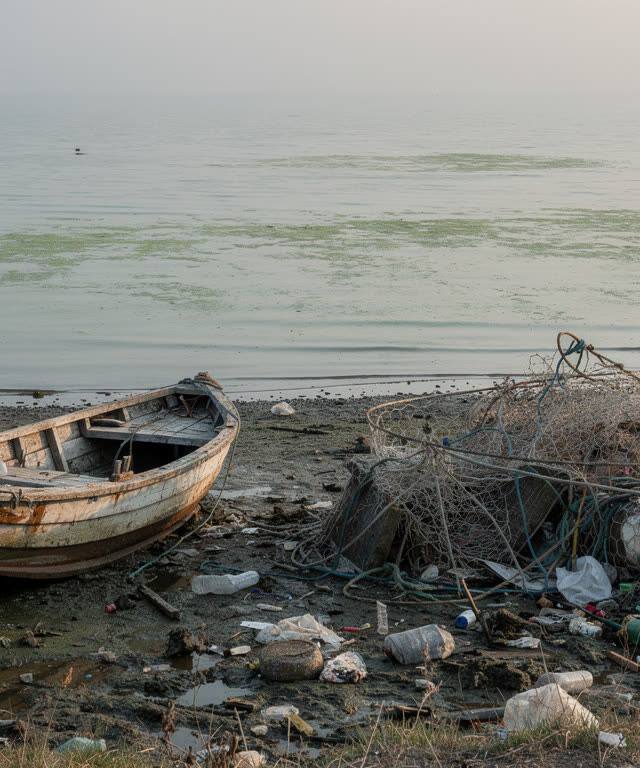
Pollution compounds the problem. Manure lagoons and fertiliser runoff create dead zones in rivers and coastal waters. In the US, the Gulf of Mexico hypoxic zone — a dead zone — is largely driven by agricultural runoff from the Mississippi River basin (NOAA, 2021). In Ireland, nutrient pollution from dairy farms threatens freshwater pearl mussels and other protected species (EPA, 2020).
Climate change is the third pathway. Animal agriculture accounts for 14.5% of global greenhouse gas emissions (FAO, 2013). These emissions drive temperature rise, extreme weather, and ocean acidification, which disrupt ecosystems and force species to migrate or face extinction.
Key stat: Animal agriculture uses 77% of global agricultural land but produces only 18% of the world's calories (FAO, 2018).
How Does Factory Farming Specifically Harm Wildlife and Ecosystems?
Factory farming — or CAFOs — harms wildlife by concentrating pollution, destroying habitat for feed crops, and spreading disease. Unlike extensive grazing, factory farms import feed, often soy and maize, from cleared land. They also produce massive amounts of manure in small areas, leading to localised environmental damage.
In the US, the EPA reports that CAFOs can contaminate groundwater and surface water with nitrogen and phosphorus, causing algal blooms and fish kills (EPA, 2021). In the UK, intensive poultry units have been linked to ammonia emissions that damage sensitive habitats like peat bogs and heathlands (Natural England, 2019). In Canada, manure runoff from hog farms has polluted rivers in Manitoba, affecting Lake Winnipeg's ecosystem (Environment Canada, 2017).
Factory farming also drives antibiotic resistance, which can affect wildlife. According to the WHO (2017), overuse of antibiotics in livestock contributes to resistant bacteria that can spread to wild animals and humans. In Australia, intensive cattle feedlots near the Great Barrier Reef contribute to nutrient runoff that harms coral reefs (Australian Government, 2018).
Which Species and Habitats Are Most Threatened by Animal Agriculture in My Region?
The threats vary by region. In the US, the clearing of grasslands for cattle grazing threatens the greater sage-grouse, black-footed ferret, and swift fox (US Fish & Wildlife Service, 2020). In the UK, intensive farming has contributed to a 50% decline in farmland birds since 1970 (RSPB, 2019). In Canada, boreal caribou are threatened by habitat fragmentation from oil and gas exploration and logging, but also by land clearing for agriculture (Environment Canada, 2018).
In Ireland, agriculture is the dominant land use, and nutrient pollution threatens freshwater species like the freshwater pearl mussel and salmon (EPA, 2020). In Australia, land clearing for livestock is a major threat to koalas, especially in New South Wales and Queensland (WWF-Australia, 2021). In New Zealand, dairy expansion has led to increased nitrogen leaching, threatening native fish and freshwater ecosystems (Ministry for the Environment, 2019).
Bottom line: Wherever you live, animal agriculture is likely harming local wildlife — from sage-grouse to koalas to freshwater mussels.
What Are the Most Effective Ways to Eat That Support Biodiversity?
The most effective way to support biodiversity through diet is to shift toward plant-based proteins like beans, lentils, and tofu, which require far less land and water and produce fewer emissions. According to the University of Oxford (2018), avoiding meat and dairy is the single biggest way to reduce your environmental impact on Earth.
Plant-based foods are efficient. Producing 1 kg of beef requires about 15,000 litres of water, while 1 kg of lentils requires about 1,250 litres (Water Footprint Network, 2017). In the US, swapping beef for beans can reduce your diet's carbon footprint by up to 50% (PNAS, 2017). In the UK, pulses like beans and lentils are grown locally and are affordable at supermarkets like Tesco, Sainsbury's, and Aldi.

What Local Foods Should I Choose?
Choosing local, seasonal plant foods reduces transport emissions and supports regional biodiversity. Here are some options by country:
- 🇬🇧 UK: Fava beans, lentils, and peas are grown locally. Try Hodmedod's British pulses.
- 🇺🇸 US: Black beans, pinto beans, and tofu are widely available. Look for US-grown soy.
- 🇨🇦 Canada: Lentils from Saskatchewan are a major export. Red lentils are cheap and versatile.
- 🇮🇪 Ireland: Peas and beans are increasingly grown. Try Irish-grown tofu from brands like Tofu Co.
- 🇦🇺 Australia: Chickpeas and lentils from Victoria and South Australia are local and affordable.
- 🇳🇿 New Zealand: Lupin beans and peas are grown locally. Try NZ-grown tofu.
How Do Farming Systems Compare?
| System | Land Use | Biodiversity Impact | Emissions |
|---|---|---|---|
| Factory farming (CAFOs) | High (feed crops) | Severe (pollution, habitat loss) | High |
| Regenerative grazing | Very high | Mixed (can support some biodiversity) | Moderate to high |
| Plant-based agriculture | Low | Low (if managed well) | Low |
According to a 2020 study in Nature Sustainability, even the most sustainable animal farming uses more land and produces more emissions than plant-based alternatives.
How Do Government Subsidies for Animal Agriculture Affect Biodiversity?
Government subsidies for animal agriculture often encourage overproduction, keeping prices artificially low and entrenching environmentally harmful practices. In the US, the Farm Bill subsidises feed crops like corn and soy, which are mainly used for livestock feed (EWG, 2019). In the EU, the Common Agricultural Policy (CAP) has historically favoured intensive livestock farming, though it now includes some green measures (European Commission, 2021).
In the UK, post-Brexit agricultural policy is shifting toward public money for public goods, but livestock subsidies remain significant (UK Government, 2020). In Canada, supply management for dairy and poultry limits imports and supports domestic production, but has been criticised for hindering plant-based innovation (C.D. Howe Institute, 2019). In Ireland, dairy expansion under Food Wise 2025 has increased greenhouse gas emissions and nutrient pollution (EPA, 2020).
In Australia, the livestock sector receives indirect support through drought relief and tax breaks (Australian Government, 2019). In New Zealand, dairy is the largest export earner, and subsidies for irrigation and research have supported intensification, with environmental costs (Ministry for the Environment, 2019).
Key stat: Global livestock subsidies amount to $22 billion per year (FAO, 2019), often encouraging practices that harm biodiversity.
Can Regenerative Animal Farming Coexist with Biodiversity, or Is Plant-Based Eating the Only Solution?
Regenerative animal farming can support biodiversity in some contexts, but it cannot scale to meet current demand without massive land use — making plant-based eating the more viable solution. Regenerative grazing, which mimics natural herd movements, can improve soil health and sequester carbon (Savory Institute, 2019). However, it requires far more land per unit of food than plant-based farming. According to a 2017 study in Environmental Research Letters, grass-fed beef requires 2.5 times more land than feedlot beef.
In the UK, the Soil Association promotes regenerative farming, but acknowledges that reducing meat consumption is necessary for climate goals (Soil Association, 2020). In Australia, regenerative practices like holistic management can benefit native grasslands, but they are niche (Australian Regenerative Farmers, 2021).
Bottom line: Regenerative farming can be part of the solution, but it is not a silver bullet. Reducing animal-product consumption — especially from factory farms — is essential to halt biodiversity loss.
Actionable Steps to Protect Biodiversity Through Your Food Choices
You don't need to be perfect. Small shifts add up. Use this checklist to get started:
- Replace beef with beans or lentils in at least two meals per week.
- Try tofu or tempeh instead of chicken in stir-fries.
- Choose local, seasonal vegetables to reduce transport emissions.
- Support brands that use deforestation-free soy.
- Write to your MP or representative to advocate for subsidy reform.
- Join a local wildlife trust or conservation group.
- Share plant-based recipes with friends and family.
Simple Swaps for Your Region
| Instead of... | Try... | Why |
|---|---|---|
| Beef mince | Lentil bolognese | 90% less land, 75% less emissions |
| Chicken breast | Tofu or chickpeas | 80% less water, 70% less emissions |
| Cheese | Nutritional yeast or cashew cream | 60% less land, 50% less emissions |
These swaps are affordable and available at mainstream supermarkets in the US, UK, Canada, Ireland, Australia, and New Zealand.
Frequently Asked Questions
Q: Is animal agriculture the biggest cause of biodiversity loss?
A: Yes, land use change for agriculture — primarily animal grazing and feed crops — is the leading driver of terrestrial biodiversity loss (IPBES, 2019). It also contributes to freshwater and marine biodiversity loss through pollution.
Q: Can eating meat ever be sustainable?
A: In very specific contexts, regenerative grazing can support biodiversity. However, global demand for meat far exceeds what sustainable systems can supply. Reducing meat consumption is necessary to protect biodiversity at scale.
Q: What are the most biodiversity-friendly proteins?
A: Legumes like lentils, beans, and peas, as well as tofu and tempeh, have the lowest land use and emissions. They are also nutritious and affordable.
Q: How do government subsidies affect biodiversity?
A: Subsidies for feed crops and livestock often encourage intensive farming, leading to habitat destruction and pollution. Reforming subsidies to support plant-based agriculture and regenerative practices would help.
Q: What can I do locally to protect biodiversity?
A: Support local conservation groups, buy from farmers' markets that sell plant-based foods, and advocate for policies that protect wildlife habitats.
Q: Is plant-based eating more expensive?
A: Not necessarily. Beans, lentils, and tofu are among the cheapest protein sources. In many countries, they cost less per gram of protein than meat.
The Bottom Line
Biodiversity loss is one of the most pressing environmental crises, and animal agriculture — particularly factory farming — is a major driver. By choosing plant-based proteins like beans, lentils, and tofu, you can reduce your impact and support wildlife. Government subsidies must also shift to support sustainable, plant-based agriculture. Every meal is a chance to protect the planet.
Key takeaway: Shifting to plant-based eating is one of the most effective ways to halt biodiversity loss and protect wildlife.
Read next
“Every meal is a chance to protect wildlife — choose plants.”
Frequently asked questions
- Is animal agriculture the biggest cause of biodiversity loss?
- Yes, land use change for agriculture — primarily animal grazing and feed crops — is the leading driver of terrestrial biodiversity loss (IPBES, 2019). It also contributes to freshwater and marine biodiversity loss through pollution.
- Can eating meat ever be sustainable?
- In very specific contexts, regenerative grazing can support biodiversity. However, global demand for meat far exceeds what sustainable systems can supply. Reducing meat consumption is necessary to protect biodiversity at scale.
- What are the most biodiversity-friendly proteins?
- Legumes like lentils, beans, and peas, as well as tofu and tempeh, have the lowest land use and emissions. They are also nutritious and affordable.
- How do government subsidies affect biodiversity?
- Subsidies for feed crops and livestock often encourage intensive farming, leading to habitat destruction and pollution. Reforming subsidies to support plant-based agriculture and regenerative practices would help.
- What can I do locally to protect biodiversity?
- Support local conservation groups, buy from farmers' markets that sell plant-based foods, and advocate for policies that protect wildlife habitats.
- Is plant-based eating more expensive?
- Not necessarily. Beans, lentils, and tofu are among the cheapest protein sources. In many countries, they cost less per gram of protein than meat.
Sources
- IPBES Global Assessment Report on Biodiversity and Ecosystem Services
- FAO: Livestock's Long Shadow
- EPA: Concentrated Animal Feeding Operations
- WWF-Australia: Land Clearing and Koalas
- RSPB: The State of the UK's Birds
- University of Oxford: Avoiding meat and dairy is 'single biggest way' to reduce your impact on Earth
- NOAA: Gulf of Mexico Hypoxia
How did this piece land?
Knowledge hubs
- AnswersAre free-range eggs cruelty-free?Free-range eggs are not cruelty-free. While they offer better welfare than caged systems, the industry still involves killing male chicks, often trims beaks, and culls hens when egg production declines. The label ensures outdoor access but does not eliminate suffering.Browse all
- ComparisonsVegan Cheese vs. Dairy Cheese: A Comprehensive ComparisonVegan cheese is usually better for the climate, land, water, and animal welfare, with a lower environmental footprint than dairy cheese. However, dairy cheese often has more protein and calcium and melts more traditionally, while vegan cheese quality and nutrition vary significantly by brand. Choosing vegan cheese is a straightforward way to reduce animal suffering and environmental impact, but checking labels for protein, calcium, and saturated fat is wise.Browse all
- AnswersWhat happens to male chicks?Male chicks are killed in the egg industry because they don't lay eggs and are inefficient for meat production, making them an unwanted by-product. Culling occurs within hours of hatching via maceration or gassing. However, new in-ovo sexing technology and bans in countries like Germany and France are emerging solutions.Browse all
- AnswersIs a vegan diet healthy for children?Yes, a well-planned vegan diet is healthy for children and supported by major health organizations when properly managed. Key nutrients like vitamin B12, iron, calcium, and omega-3s need careful attention, often through fortified foods and supplements. Consulting a pediatrician or dietitian ensures comprehensive coverage and healthy growth.Browse all
What you can do right now
Three concrete actions that match this story.
- Donate to a habitat charityEven small monthly gifts compound.
- Plant one pollinator patchWindowsills count.
- Share this pieceOne share informs 5-10 people on average.