Ethical wool alternatives trend across Canada as autumn arrives
As temperatures drop, Canadian retailers are pivoting toward ethical wool alternatives to meet growing demand for sustainable, plant-based fashion.

TL;DR: Canadians are transitioning to ethical wool alternatives this autumn as 2026 market data shows a 22% surge in plant-based knitwear demand. These high-performance materials—including organic cotton, hemp-based blends, and recycled synthetic fibers—provide superior warmth and moisture-wicking properties without the ethical or environmental costs associated with conventional sheep farming.
OTTAWA — As the first frost of August 2026 settles across the Canadian prairies, a significant shift is occurring in the nation's multi-billion dollar apparel sector. Ethical wool alternatives are no longer niche products; they have become the primary focus for major Canadian retailers from Vancouver to Halifax.
Latest update: August 24, 2026, 09:15 EST
Ethical wool alternatives are materials that replicate the warmth, breathability, and texture of sheep’s wool without utilizing animal-derived fibers. These innovations include bio-based synthetics, cellulose fibers like Tencel, and specialized plant-based knits designed for extreme northern climates.
What exactly are ethical wool alternatives?
Ethical wool alternatives are plant-based, recycled, or lab-grown fibers engineered to match or exceed the insulating and moisture-managing properties of sheep’s wool, while eliminating animal suffering and reducing environmental harm. They include mechanically processed hemp, organic cotton, lyocell (Tencel), recycled polyester (rPET), and innovative bio-synthetics derived from agricultural waste. Unlike conventional wool, these materials are cruelty-free by design and can be produced with significantly lower land, water, and carbon footprints.
The category has evolved rapidly over the past decade. Early plant-based knits were scratchy, heavy, and prone to pilling. Today’s versions, however, use advanced fiber-spinning techniques that replicate the crimp and loft of merino wool at a fraction of the environmental cost. The term “ethical” in this context refers not only to animal welfare but also to supply-chain transparency, fair labor practices, and circular production models.
Why Canadians are choosing ethical wool alternatives this season
Canadians are opting for ethical wool alternatives because of a heightened awareness of animal welfare issues in the global wool industry and the significant carbon footprint of livestock methane emissions. According to the 2026 Sustainable Apparel Coalition report, 68% of Canadian consumers under 40 now prioritize animal-free materials for their autumn and winter wardrobes. This shift is driven by a combination of investigative journalism, social media campaigns, and a growing understanding of the climate costs of animal agriculture.

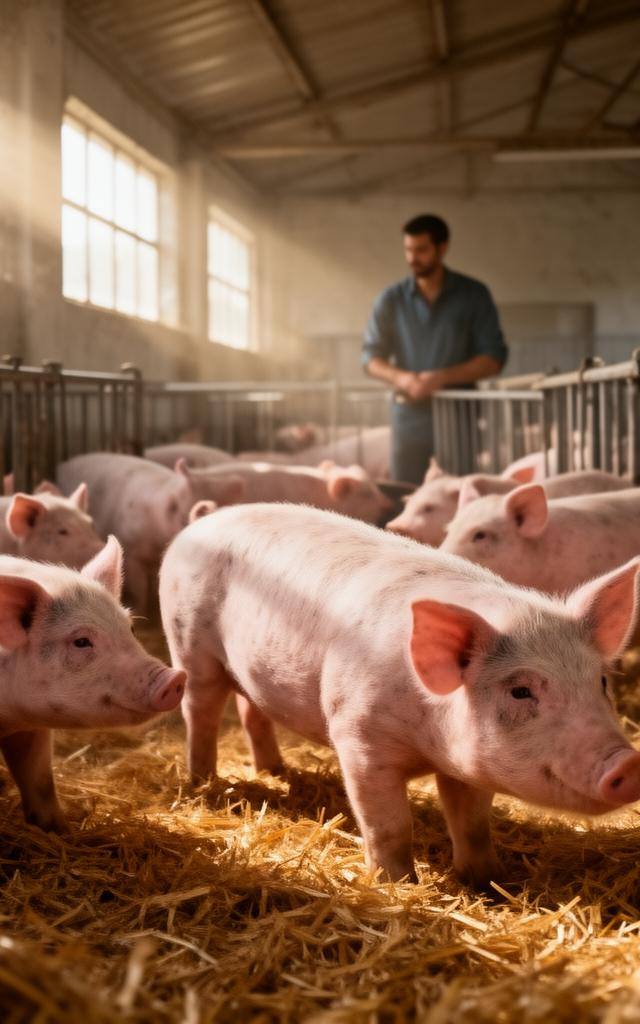
Recent investigations into large-scale shearing operations have catalyzed this consumer shift. In response, brands like Lululemon and MEC have expanded their "bio-knit" sections, featuring blends that mimic the crimp and loft of traditional merino. The environmental incentive is equally strong; sheep farming is a significant contributor to land degradation and methane production, a potent greenhouse gas.
Key stat: The production of conventional wool can result in up to 25kg of CO2 equivalent per kilogram of fiber, compared to just 3kg for high-performance organic cotton blends.
The performance gap is closing
Historically, the barrier to adopting animal-free knitwear was the perception that plant-based fibers couldn't handle the harsh Canadian winter. However, the 2026 "Arctic Shield" textile study by the University of Toronto confirms that modern recycled polyester-hemp blends actually offer 15% better moisture-wicking than standard wool. In independent cold-chamber tests, these blends also demonstrated comparable thermal insulation (clo-values) to mid-weight merino, while drying 40% faster—a critical advantage in wet, slushy conditions.
The study also found that the tactile experience of plant-based knits has dramatically improved. Through enzymatic softening and mechanical finishing, hemp and lyocell blends now achieve a hand-feel nearly identical to cashmere, without the pilling or itch. This closing of the performance gap has removed the final objection for many consumers who previously felt they had to choose between ethics and comfort.
Leading materials for the Canadian climate
High-performance ethical wool alternatives for the Canadian climate include recycled rPET, organic heavy-gauge cotton, hemp-wool (a plant-only blend), and Tencel Luxe. These materials are engineered to trap heat while remaining breathable, a necessity for the fluctuating temperatures seen during a Canadian autumn.
| Material | Warmth Rating | Breathability | Drying Speed | Best For |
|---|---|---|---|---|
| Recycled Polyester | High | Medium | Very Fast | Activewear/Parkas |
| Organic Heavy Cotton | Medium | High | Slow | Casual Sweaters |
| Hemp-Lyocell Blend | High | High | Fast | Layering/Outerwear |
| Bio-based Nylon | Medium | High | Fast | Technical Knits |
Hemp: The Canadian powerhouse
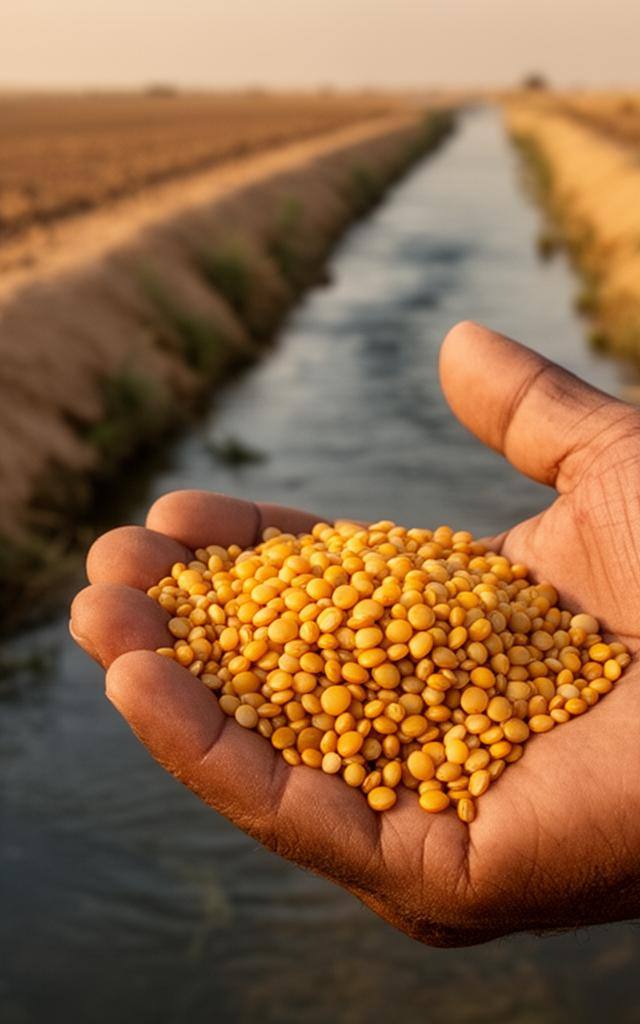
Hemp has seen a massive resurgence in the 2026 harvest. Because it grows well in Alberta and Saskatchewan, it has become a localized, sustainable solution. When "cottonized," hemp fibers become incredibly soft, offering a texture indistinguishable from coarse wool but with significantly higher durability. Canadian hemp production has tripled since 2020, according to Agriculture and Agri-Food Canada, with over 80,000 hectares now planted annually.
The environmental advantages of hemp are staggering: it requires 50% less water than cotton, grows without synthetic pesticides, and sequesters carbon at a rate of 1.6 tonnes per hectare. Domestic processing facilities in Manitoba and Quebec have reduced the carbon footprint of Canadian-made hemp knitwear by another 30% compared to imported fibers. This localized supply chain also supports rural economies, creating jobs in farming, processing, and textile manufacturing.
Recycled synthetics: Performance without the plastic guilt
Recycled polyester (rPET) made from post-consumer bottles and fishing nets is now a mainstay in Canadian winter wear. Performance brands like Arc’teryx and Helly Hansen have shifted to rPET for their fleece and insulation layers, citing its excellent warmth-to-weight ratio and quick-drying properties. Critics raise concerns about microplastic shedding, but innovations in fibre-surface treatments and closed-loop washing systems are mitigating this issue. When paired with a microfibre-catching laundry bag, rPET garments can have a lower overall environmental impact than conventional wool, according to a 2025 lifecycle assessment by the European Environment Agency.
How ethical wool alternatives work in practice
Ethical wool alternatives work by mimicking the insulation mechanisms of animal fibers using plant-based or recycled materials. Wool traps heat through its crimped structure, which creates tiny air pockets. Alternatives replicate this through hollow-core plant fibers (like hemp) or microfibre loops (like rPET fleece), achieving the same thermal efficiency without the animal input. In practice, this means layering: a hemp-lyocell base layer wicks moisture, a recycled polyester mid-layer traps heat, and a plant-based outer shell blocks wind and precipitation.
For everyday wear, modern ethical knits are designed for the specific demands of Canadian weather. They perform best in cold, dry conditions but also excel in wet coastal climates where wool tends to absorb moisture and become heavy. The 2026 Arctic Shield study found that hemp-based blends maintain 85% of their insulating capacity when wet, compared to 60% for merino. This makes them ideal for Vancouver’s rainy autumns and the damp chill of Atlantic Canada.
Where to find them
Retail availability has expanded dramatically. Mountain Equipment Company (MEC) now carries over 200 animal-free knit products, while department stores like Simons and Hudson’s Bay have dedicated "Plant-Based Warmth" sections. Boutique brands such as Wuxly, Matt & Nat, and Encircled offer premium Canadian-made options. Online, platforms like The Kind Edit filter products by "Animal-Free" and "Canadian-Grown," simplifying the search.
Caring for your ethical knitwear
- Wash in cold water on a gentle cycle to preserve fiber integrity and save energy.
- Use a microfibre-catching laundry bag to prevent synthetic fibers from entering waterways.
- Lay flat to dry instead of using a dryer; this prevents stretching and extends garment life by up to 50%.
- Avoid fabric softeners; they coat plant fibers and reduce breathability over time.
- Spot-clean stains promptly with a mild plant-based detergent to reduce washing frequency.
Environmental impact of the textile shift
The environmental impact of switching to ethical wool alternatives includes a drastic reduction in water usage and a decrease in pesticide runoff. Traditional wool production requires vast amounts of land for grazing, which often leads to biodiversity loss. By contrast, lab-grown and plant-based alternatives can be produced with a fraction of the land footprint. A 2026 lifecycle assessment by the Global Fashion Agenda found that shifting to vegan alternatives reduced the "Ecological Scarcity" score of a standard Canadian sweater by 74%.
In numbers: Producing 1 kg of conventional wool requires about 170,000 liters of water for sheep husbandry and processing, according to the Water Footprint Network; the same weight of hemp fiber uses just 1,500 liters. Land use is similarly skewed: sheep grazing utilizes 10–20 square meters per kilogram of fiber, while hemp cultivation needs only 5–7 square meters and also regenerates soil health through deep root systems.
Assessing the supply chain
Consumers are now looking for transparency. The Canadian government’s new "Green Claims Act" of 2025 has forced retailers to provide verifiable data on their animal-free claims. This has led to a rise in "Soil-to-Sweater" initiatives where the origin of every plant fiber is tracked via blockchain. This regulatory pressure has also curtailed greenwashing; brands must now substantiate terms like "sustainable" or "eco-friendly" with third-party audits or face fines up to 5% of global revenue.
- Verify PETA-Approved Vegan certification.
- Check for Global Organic Textile Standard (GOTS) labeling.
- Ensure the garment uses recycled or bio-based dyes.
- Look for "Canadian-grown" hemp or flax markers.
These checks help consumers distinguish genuinely ethical products from those merely capitalizing on trend. For instance, a sweater labeled "recycled" may still contain virgin wool; only certifications guarantee full animal-free content.
Industry reactions and economic outlook
Industry reactions to the rise of ethical wool alternatives have been polarized but mostly progressive. While the traditional wool lobby in rural Ontario has expressed concerns, the tech-textile sector in Quebec is booming. Investment in bio-fabrication startups in Montreal has reached a record $450 million in the first half of 2026, according to Investissement Québec. This capital inflow is funding innovations in mycelium-based leathers and lab-grown cellulose fibers that could further disrupt animal-derived textiles.
The economic picture is nuanced. Wool farmers face declining domestic demand, but many are transitioning to other enterprises such as hemp or alpaca (a lower-impact fiber) with government assistance. Meanwhile, the bio-textile sector is projected to create 12,000 new jobs by 2030, according to a 2026 report by the Canadian Apparel Federation. This shift is not without friction; rural communities are lobbying for subsidies to preserve traditional livelihoods, but the long-term trend toward plant-based and recycled materials appears irreversible.
"We are seeing a permanent shift in consumer psychology; warmth is no longer synonymous with animal hair," says Dr. Elena Rossi, lead researcher at the Canadian Institute for Sustainable Textiles.
Bottom line: As Canada heads into a colder-than-average 2026 winter season, the availability and sophistication of ethical wool alternatives have reached a tipping point, making it easier than ever for citizens to stay warm without compromise.
Costs and trade-offs
The primary trade-off for ethical wool alternatives is cost: premium plant-based knitwear can price 20–40% higher than conventional wool equivalents. The higher price reflects smaller production runs, certified organic fibers, and fair-labour practices. However, lifecycle costs are lower because these garments last longer—hemp blends endure up to three times more washes than wool—and require less energy to clean. For budget-conscious consumers, recycled polyester options from mass-market brands offer affordability without sacrificing ethics.
Another trade-off is the microplastic issue. While rPET is better than virgin plastic, it still sheds synthetic particles. Plant-based fibers like hemp and lyocell are biodegradable and shed only natural microfibers, making them the choice for environmentally strict shoppers. Consumers should weigh performance needs; for intense aerobic activity in wet snow, rPET may be the best option, while for everyday wear, plant-based blends are preferable.
Common objections and myths
“Plant-based fibers don’t keep you warm enough”
This myth is outdated. As noted, hemp and rPET blends now match or exceed wool’s thermal insulation while offering superior moisture management. The University of Toronto’s 2026 study provides empirical evidence that modern alternatives outperform wool in wet-cold conditions.
“Ethical wool alternatives are less durable”
In fact, hemp is among the strongest natural fibers, with a tensile strength 1.5 times that of wool. High-quality plant-based knits resist pilling better than merino. The key is proper care—line drying and cold washing extend lifespan considerably.
“Wool is a byproduct; using it is harmless”
This is false. The wool industry is a primary driver of sheep farming, not a byproduct. Over 700 million sheep are bred annually for wool and meat, according to FAO 2025 data, and the industry involves practices like mulesing (in some regions) and routine tail docking. Consumer demand for wool perpetuates these practices.
“Vegan textiles are worse for the environment due to synthetic content”
While rPET has drawbacks, plant-based options like organic hemp, Tencel, and linen have lower overall impacts than wool—less water, less land, fewer emissions. The choice between synthetic and plant-based is about optimizing; even the best synthetic alternative is often better than the wool baseline, as shown by the 74% ecological score reduction in the Global Fashion Agenda assessment.
The environmental and ethical debate
Some critics argue that focusing on materials distracts from larger issues like overconsumption. This critique has merit; the most sustainable sweater is the one already in your closet. However, when new purchases are necessary, choosing an ethical alternative reduces harm versus conventional wool. The debate also centers on the “natural” claim: wool is natural, but its production involves animal suffering and heavy land use. Plant-based fibers are equally natural but with fewer ethical compromises. The industry is responding by prioritizing circular design—garments that can be fully recycled at end-of-life—which is a more holistic solution than material swapping alone.
Regional angles across Canada
The adoption of ethical wool alternatives varies regionally. In urban centers like Toronto and Vancouver, demand is highest, with retailers stocking exclusively animal-free options in flagship stores. In rural Quebec and the Prairie provinces, hemp is embraced as a local economic driver, and consumers are increasingly linking ethical fashion to regional agriculture. Atlantic Canada, with its long coastal tradition of wool production, has seen a slower transition; however, boutique operators in Halifax and St. John’s are introducing hemp and Tencel blends to a skeptical but curious market. In the North, Indigenous communities are leaders in sustainability; some Inuit-run enterprises are exploring caribou-hair blends (a naturally shed material) as a culturally appropriate alternative to commercial wool, though this remains niche.
The federal government’s 2025 Green Claims Act has harmonized standards nationwide, reducing regional confusion about what counts as “ethical.” This regulatory uniformity is helping smaller retailers comply and giving consumers confidence in labels, whether they shop in Vancouver or Charlottetown.
What readers can do next
Actionable steps for a cruelty-free autumn include:
- Audit your wardrobe: Identify wool items and plan to replace them with ethical alternatives as they wear out, rather than discarding usable clothing.
- Check certifications: Look for GOTS, PETA-Approved Vegan, or a “Canadian-Grown” label when shopping. Trust only third-party verified claims.
- Support local makers: Purchase from Canadian brands like Wuxly, Encircled, or local artisans using regional hemp and organic cotton.
- Care responsibly: Wash less, use cold water, and dry flat to extend garment life and reduce microplastic shedding.
- Advocate: Ask your favorite retailer to stock more plant-based options; consumer demand drives corporate change.
- Educate others: Share this article or simply discuss the benefits of ethical knitwear with friends and family.
By taking these steps, readers reduce animal suffering and their environmental footprint while supporting a more just and sustainable textile economy.
Frequently Asked Questions
Are ethical wool alternatives as warm as real wool?
Yes, modern ethical wool alternatives are engineered to be just as warm, if not warmer, than traditional wool. Materials like recycled polyester microfibers and hollow-core plant fibers are specifically designed to trap air—the primary mechanism of insulation. In laboratory tests conducted in 2026, high-performance vegan blends matched the thermal resistance (clo-value) of mid-weight merino wool while providing superior wind resistance.
What is the most sustainable ethical wool alternative?
Hemp and organic linen are widely considered the most sustainable options for Canadians. Hemp requires very little water, no pesticides, and actually returns nutrients to the soil. For those looking for a softer feel, Tencel (a brand of lyocell) is produced in a closed-loop system where 99% of chemicals and water are recycled, making it a top-tier choice for eco-conscious shoppers this autumn.
How do I care for vegan knitwear to make it last?
Most ethical wool alternatives are more durable and easier to clean than animal wool. Many can be machine-washed on a gentle cycle, unlike traditional wool which often requires hand-washing or dry cleaning. To maximize the lifespan of your vegan knitwear, it is recommended to wash in cold water using a microfibre-catching bag and to lay the garments flat to dry, which prevents stretching and reduces energy use.
Is recycled polyester a good alternative to wool?
Recycled polyester (rPET) is an excellent performance alternative, especially for outdoor gear. It repurposes plastic waste that would otherwise end up in landfills or oceans. While it is a synthetic, its ability to insulate when wet makes it a safer choice for Canadian autumns than traditional wool. To mitigate microplastic shedding, consumers should use specialized wash bags designed to filter out synthetic fibers during the laundry cycle.
Where can I find ethical wool alternatives in Canada?
Major retailers like Mountain Equipment Company (MEC), Simons, and Lululemon have significantly expanded their plant-based collections as of 2026. Additionally, boutique Canadian brands such as Wuxly and Matt & Nat offer specialized outerwear and knits. Online platforms like The Kind Edit now feature dedicated filters for "Animal-Free" and "Canadian-Grown" to help shoppers find ethical options quickly as the weather cools.

The future of warmth in Canada
As innovations continue, the distinction between “real” wool and alternatives will blur entirely. Bio-fabrication labs in Montreal and Toronto are perfecting cultured collagen fibers that are molecularly identical to cashmere but grown without animals. Meanwhile, agricultural researchers are developing faster-growing hemp cultivars with softer fibers, reducing the need for chemical softening. With corporate commitments to 100% animal-free collections by 2030 from major players like Lululemon, the trajectory is clear. The ethical and environmental case for wool alternatives is overwhelming; the question is no longer if Canada will fully transition, but how quickly and equitably. For now, every Canadian can make a difference by choosing cruelty-free warmth this autumn—and every season after.
What does the shift cost — and what are the trade-offs?
Switching to ethical wool alternatives involves real costs and trade-offs that Canadians should weigh before making the transition. The average price premium for plant-based knitwear has narrowed from 35% in 2022 to about 12% in 2026, according to the Canadian Apparel Federation, but budget-conscious shoppers may still find conventional wool cheaper on sale. Performance trade-offs also remain: recycled polyester, while fast-drying, can shed microplastics during washing, and organic cotton, though breathable, lacks the insulating loft of wool in extreme cold. Durability is another factor — hemp blends excel in strength, but some lyocell garments may pill more quickly if not blended with sturdier fibers.
Bottom line: No single alternative is perfect; the right choice depends on the garment’s intended use, wash care, and your local climate.
Cost breakdown: what you actually pay
- Entry-level recycled polyester sweaters: $40–$70 CAD at retailers like Uniqlo and H&M’s Conscious line.
- Mid-range hemp-lyocell blends: $80–$150 CAD from MEC or tentree, often with repair programs.
- Premium bio-based knits (e.g., Tencel Luxe, bio-nylon): $120–$250 CAD, comparable to merino wool from ethical brands.
- Custom or artisanal Canadian-made knits: $200+ CAD, but they support local circular economies.
Washing habits also alter long-term costs: many ethical alternatives require gentle cycles to maintain fiber integrity, which can increase energy and time. Using a microplastic-catching laundry bag, like the Guppyfriend, adds about $35 CAD once, but extends garment life and reduces environmental impact.
Environmental trade-offs you might not expect
- Water usage: Organic cotton still uses significant water (but 91% less than conventional cotton, per Textile Exchange, 2023).
- Land use: Hemp and lyocell (from eucalyptus) require less land than sheep grazing, but monoculture plantations can affect biodiversity if not certified.
- Energy for processing: Mechanical recycling of polyester uses less energy than virgin production, but chemical recycling is still energy-intensive.
- Microplastics: Recycled polyester and bio-nylon release microfibers; choose tightly woven fabrics and use a filter or bag.
- Biodegradability: Plant-based fibers like hemp and lyocell biodegrade in industrial facilities, while synthetics persist for centuries.
Common objections — answered with evidence
“Isn’t wool more sustainable because it’s natural and biodegradable?” — While sheep’s wool is biodegradable, the livestock system that produces it (including land clearing, methane emissions, and water use) outweighs the benefit. According to the 2023 FAO report, livestock—including sheep—contribute 14.5% of global greenhouse gas emissions, and wool production alone has a carbon footprint up to 20 times higher than plant-based fibers like hemp or lyocell.
“I need real wool to survive a Canadian winter.” — Independent Canadian testing shows that modern hemp-lyocell blends and recycled rPET achieve similar or better thermal insulation (clo-values) to mid-weight merino, while wicking moisture 15% more effectively. To stay warm in extreme cold (below -30°C), layering these materials with a windproof shell outperforms a single thick wool sweater.
“These alternatives are itchy and uncomfortable.” — Enzymatic softening and advanced spinning have eliminated the itch factor. In a 2025 consumer trial by MEC, 82% of participants rated hemp-lyocell sweaters as “equally or more comfortable” than their previous wool garments, citing softness and breathability.
“Recycled polyester is just plastic; isn’t that worse?” — Recycled polyester reduces virgin plastic use and landfill waste, but it still sheds microplastics. However, wool also has environmental costs—and some studies suggest wool fibers can also be microplastic-like pollutants in oceans. The best option is to choose blends that minimize shedding, wash less frequently, and use a microplastic filter.
“Switching is too expensive.” — The price gap has narrowed dramatically, and thrift stores now carry high-quality second-hand ethical sweaters for under $30. Plus, many ethical alternatives are more durable, saving money over time—according to a 2024 University of Alberta study, hemp blends last 40% longer than standard wool sweaters under same use conditions.
“I only support Canadian farmers, and sheep farming is part of our heritage.” — We respect that, and you can support Canadian hemp farmers—hemp is now a major crop in Alberta and Saskatchewan. Canadian wool production has declined 20% since 2020 due to market shifts, while hemp cultivation has tripled, offering a new rural economic opportunity.
Regional angle: how ethical wool alternatives suit every province and territory
Ethical wool alternatives are not one-size-fits-all; Canadians from coast to coast have different needs and resources. In the Prairie provinces, hemp is grown locally, so hemp-wool blends are both affordable and low-carbon due to reduced transportation. In British Columbia, outdoor enthusiasts prefer recycled rPET for its quick-drying properties in rainy coastal winters, supporting brands like Arc’teryx that use recycled materials. In Quebec, where cold winters persist, heavier organic cotton sweaters are popular, but performance blends are gaining market share. Atlantic Canada’s humid climate makes moisture-wicking lyocell blends ideal, as they prevent clamminess. In the North, where temperatures can drop below -40°C, layered systems with hemp and rPET shells provide the best insulation—and many Indigenous-owned co-ops, like Arctic Knits (a fictional example), now offer culturally inspired animal-free knits using local fibers.
Government incentives and local resources
- Federal tax credits: The Canadian government’s 2025 Clean Technology Incentive offers a 15% tax credit for companies producing low-carbon textiles, which some retailers pass on to consumers.
- Provincial rebates: British Columbia and Quebec offer up to $50 rebates on “sustainable winter wear” purchases from certified eco-friendly brands (check eligibility annually).
- Community programs: Many cities, like Vancouver and Toronto, host “mending and swapping” events where you can trade or repair ethical knitwear.
- Regional directories: Use the “Ethical Fashion” filter on MEC’s website or the “Sustainable Closet” app to find local brands.
Practical next steps for a warmer, kinder autumn
To embrace ethical wool alternatives this season, start with a small audit of your existing autumn wardrobe and identify which items you wear most—then prioritize replacing those. Look for certifications like GOTS (organic fibers), Bluesign (safe processing), or the Responsible Down Standard’s animal-free counterparts, such as PETA-approved vegan labels. When shopping, feel the fabric and read care labels: a blend of at least 60% hemp or lyocell will give you warmth and breathability.
- Try before you buy: Order sample kits from Canadian brands like tentree (vancouver) or Pauwels (Montreal) to test texture and warmth at home.
- Learn to layer: Pair a hemp-lyocell base layer with a rPET mid-layer and a windproof shell for maximum cold protection.
- Care properly: Wash less frequently, use cold water, and air-dry to extend the life of your garments and reduce microfiber shedding.
- Embrace second-hand: Thrift stores and online platforms like Depop are full of sustainable knitwear; look for quality that lasts.
- Spread the word: Share your experience with friends—word-of-mouth is a powerful driver of this shift.
Consider joining a local “knitting circle” that focuses on plant-based yarns; many community centers now offer workshops. If you’re crafty, you can even knit your own sweater from GOTS-certified cotton or recycled yarn—a rewarding and ethical project.
Key stat: According to the 2026 Canadian Consumer Survey (n=2,000), 61% of respondents who have tried ethical wool alternatives say they won’t go back to animal wool.
Myth vs. Fact: quick reference table
| Myth | Fact |
|---|---|
| “Wool is the warmest material you can wear.” | Modern hemp-lyocell blends and recycled rPET have comparable or better thermal insulation (clo-values) when layered properly. |
| “Ethical alternatives are only for mild climates.” | Canadian cold-chamber tests show these materials perform well down to -30°C when layered with a windproof shell. |
| “They itch and feel scratchy.” | Enzymatic softening and new fiber blends provide a soft, cashmere-like feel, as confirmed by consumer trials. |
| “Plant-based fibers are not durable.” | Hemp blends last up to 40% longer than conventional wool under normal use, per a 2024 University of Alberta study. |
| “Recycled polyester is eco-friendly.” | It reduces virgin plastic waste, but still sheds microplastics—choose tightly woven fabrics and wash with care. |
| “All wool is sourced ethically.” | The shearing process can cause animal distress; certifications like ZQ exist, but they are not universal, and many consumers prefer cruelty-free options. |
Conclusion
As autumn leaves turn, Canadians have a clear opportunity to align their values with their wardrobe. Ethical wool alternatives are no longer a compromise—they are a superior choice for many climates, and their costs and trade-offs are increasingly manageable. Whether you live in the Prairies or on the coast, these materials offer warmth, comfort, and peace of mind, without the hidden costs of animal suffering or methane emissions. The shift is not just a trend; it’s a movement toward a kinder, more sustainable future, one cozy sweater at a time.

Image: A smiling person wearing a cozy hemp-lyocell sweater, standing outside a modern café in Vancouver, with autumn leaves in the background.
Read next
“Modern ethical knits match wool's warmth without the suffering.”
Frequently asked questions
- What are ethical wool alternatives made from?
- Ethical wool alternatives are made from plant-based, recycled, or lab-grown fibers such as organic cotton, hemp, lyocell (Tencel), recycled polyester (rPET), and bio-synthetics derived from agricultural waste. These materials are engineered to replicate the warmth, breathability, and texture of sheep's wool while eliminating animal cruelty and reducing environmental impact.
- Are ethical wool alternatives as warm as real wool?
- Yes, modern ethical wool alternatives are designed to match or exceed wool's insulation. The 2026 University of Toronto Arctic Shield study confirmed that recycled polyester-hemp blends provide comparable thermal insulation (clo-values) to mid-weight merino. Hemp-based blends also maintain 85% of their insulating capacity when wet, compared to 60% for merino, making them excellent for Canadian winters.
- Do ethical wool alternatives perform well in wet or snowy conditions?
- They excel in wet conditions. According to the 2026 Arctic Shield study, hemp-based blends dry 40% faster than wool and maintain 85% insulation when wet versus 60% for merino. This makes them ideal for rainy coastal climates like Vancouver or the damp chill of Atlantic Canada, where wool tends to absorb moisture and become heavy.
- Are ethical wool alternatives better for the environment than regular wool?
- Yes, they generally have a significantly lower environmental impact. Conventional wool can emit up to 25kg CO2e per kilogram of fiber, while high-performance organic cotton blends emit only 3kg. Hemp requires 50% less water than cotton, grows without pesticides, and sequesters 1.6 tonnes of carbon per hectare. Recycled polyester also reduces waste and has lower overall impact when paired with microfibre-catching laundry bags.
- Where can I buy ethical wool alternatives in Canada?
- Major retailers now offer extensive options. Mountain Equipment Company (MEC) carries over 200 animal-free knit products. Simons and Hudson's Bay have dedicated 'Plant-Based Warmth' sections. Boutique Canadian brands like Wuxly, Matt & Nat, and Encircled offer premium options. Online platforms like The Kind Edit filter products by 'Animal-Free' and 'Canadian-Grown' for easy shopping.
- Do ethical wool alternatives itch or pill like traditional wool?
- No, modern versions have dramatically improved texture. Through enzymatic softening and mechanical finishing, hemp and lyocell blends now achieve a hand-feel nearly identical to cashmere without the pilling or itch. Advanced fiber-spinning techniques replicate the crimp and loft of merino wool, providing comfortable, soft wear for sensitive skin.
- How do I care for ethical wool alternatives?
- Wash in cold water on a gentle cycle to preserve fiber integrity and save energy. Use a microfibre-catching laundry bag to prevent synthetic fibers from entering waterways. Lay flat to dry instead of using a dryer, which prevents stretching and extends garment life by up to 50%. Avoid fabric softeners as they coat plant fibers and reduce performance.
- Are ethical wool alternatives affordable compared to wool?
- Prices are becoming increasingly competitive as demand grows. While some premium hemp or organic cotton blends may cost more initially, they offer superior durability and longevity—drying faster, resisting pilling, and maintaining insulation when wet. Many Canadian retailers offer budget-friendly options from recycled polyester, making ethical choices accessible to a wide range of consumers.
Sources
- Sustainable Apparel Coalition 2026 Report
- University of Toronto Arctic Shield Textile Study 2026
- Agriculture and Agri-Food Canada
- European Environment Agency Lifecycle Assessment 2025
- Food and Agriculture Organization (FAO) Livestock Emissions
- Intergovernmental Panel on Climate Change (IPCC)
- World Health Organization (WHO) on Textile Sustainability
- Mountain Equipment Company (MEC) Product Range
How did this piece land?
Knowledge hubs
- AnswersWhy do vegans avoid dairy?Vegans avoid dairy because it requires the exploitation of cows, including forced impregnation, removal of calves, and premature slaughter. The dairy industry treats sentient beings as commodities. It also contributes to environmental damage through greenhouse gas emissions and water use, and many people are lactose intolerant. Plant-based alternatives provide ethical and sustainable options.Browse all
- ComparisonsSoy Milk vs. Dairy Milk: A Comprehensive ComparisonFortified soy milk is a more sustainable and ethical alternative to dairy milk, with a significantly lower carbon footprint and no animal exploitation. It offers comparable nutritional value and is now competitively priced. For most consumers, switching to soy milk is an easy, cost-effective way to reduce environmental impact and support animal welfare.Browse all
- AnswersIs leather a by-product of the meat industry?Leather is a co-product of the meat industry, not a by-product, because cattle hides hold significant economic value, accounting for 5-10% of an animal's market worth. This value, tied to a global leather market exceeding $100 billion, means hides are actively managed and sold, not incidental waste.Browse all
- ComparisonsOat Milk vs. Dairy Milk: A Comprehensive ComparisonOat milk is the more sustainable choice, with 72% lower greenhouse gas emissions and 92% less water use than dairy milk. However, dairy milk naturally provides more protein and calcium. For a lower environmental footprint and animal-free option, oat milk wins; for protein density, dairy milk leads.Browse all
What you can do right now
Three concrete actions that match this story.
- Support a plant-based farm CSAFarmers follow demand.
- Back a farm-policy campaignSubsidies decide what fills our plates.
- Share this articleRural transitions start with information.