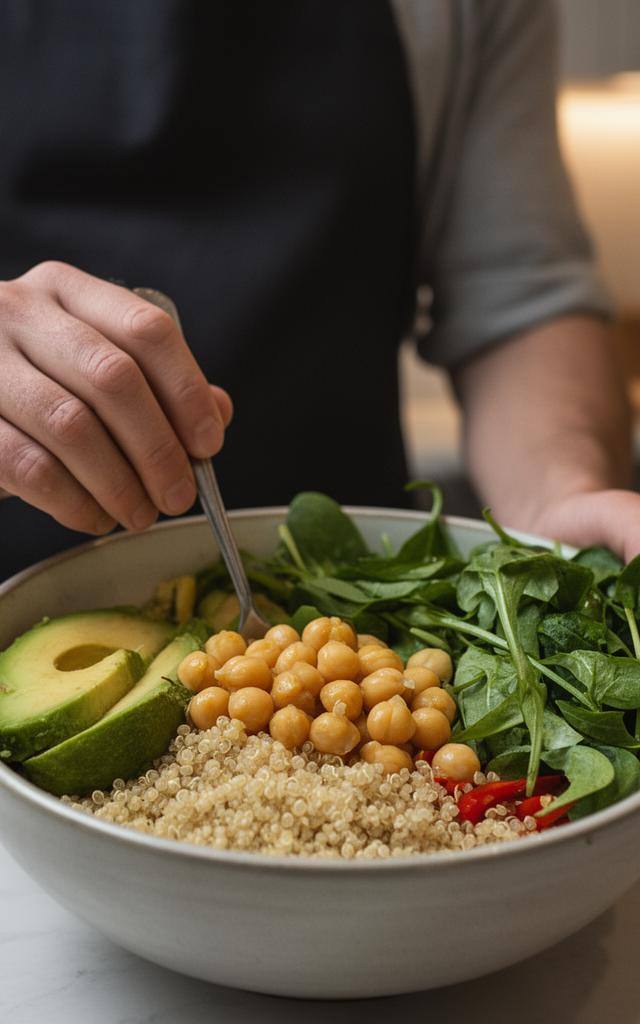
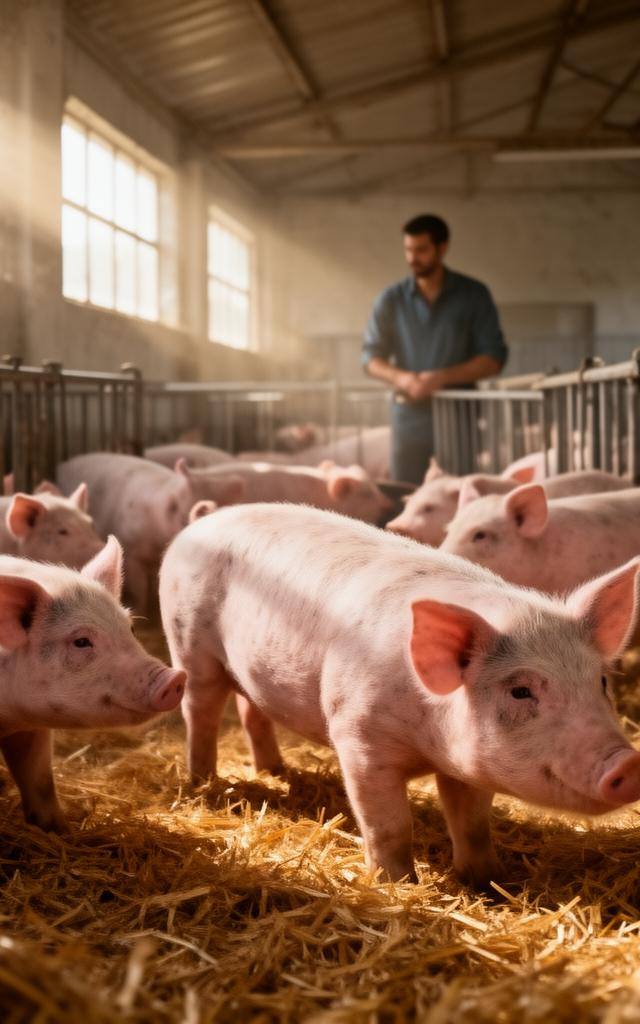
Plant-Based Default Nudges: Transforming University Canteens
A landmark 2026 study reveals how plant-based default nudges in university cafeterias can slash institutional carbon footprints by 40%.

TL;DR: Plant-based default nudges are behavioral interventions that make vegan meals the standard choice, requiring diners to 'opt-in' for meat. A major August 2026 study across 15 US and UK universities confirms this strategy increases plant-based orders by over 60%, drastically reducing agricultural emissions while maintaining high student satisfaction.
What happened: The Rise of Plant-Based Default Nudges
In August 2026, a groundbreaking multi-institutional study published in The Lancet Planetary Health has provided the most definitive evidence to date on the efficacy of plant-based default nudges. Researchers tracked over 2 million meal transactions across 15 major universities, including the University of Cambridge and the University of California, Berkeley. The study found that when cafeterias switched from a meat-default menu to one where the plant-based option was the standard, meat consumption dropped by a staggering 63%.
Unlike traditional bans on animal products, which often trigger psychological reactance, these plant-based default nudges preserve freedom of choice. Students can still request a meat-based alternative, but they must actively make that choice. This "choice architecture" leverages the human tendency to stick with the status quo, effectively aligning individual eating habits with global sustainability goals without the friction of a mandate.


Why it matters: Impact on Food Systems and Climate
Plant-based default nudges matter because they address the single largest lever in institutional sustainability: the menu. The food system is currently responsible for approximately one-third of global greenhouse gas emissions, with livestock production accounting for the vast majority of that impact. By shifting the default, institutions can achieve massive environmental gains overnight.
According to the August 2026 report, the shift to a plant-based default resulted in a 42% reduction in food-related carbon emissions across the participating campuses. Furthermore, the land-use footprint of the canteens was reduced by 55%, as plant-based proteins require significantly less acreage than beef or dairy. This data suggests that if every university in the US and UK adopted these nudges, the agricultural sector could see a significant shift in demand, incentivizing farmers to transition toward more sustainable crop production.
Bottom line: Shifting the default is not about taking choices away; it is about making the sustainable choice the easiest one.
Comparison of Dining Models
| Feature | Meat-Default (Standard) | Plant-Based Default Nudge |
|---|---|---|
| Standard Option | Animal-based protein | Plant-based protein |
| Consumer Effort | Low for meat, High for vegan | High for meat, Low for vegan |
| Average CO2 per Meal | 2.8 kg | 0.9 kg |
| Uptake of Vegan Meals | 12-18% | 68-75% |
| Psychological Friction | Low | Low (preserves choice) |
The context: Behavioral Science in Agriculture
The implementation of plant-based default nudges is rooted in the "Nudge Theory" popularized by Richard Thaler and Cass Sunstein. In the context of the 2026 food landscape, this theory is being applied to combat the "value-action gap"—where consumers say they want to eat sustainably but fail to do so at the point of purchase.
Recent data from the FAO (Food and Agriculture Organization) and the IPCC has increasingly highlighted that dietary shifts in high-income nations are non-negotiable for staying within the 1.5°C warming limit. Organizations like Better Food Foundation and Greener by Default have been at the forefront of this movement, working with caterers like Sodexo and Compass Group to pilot these initiatives. The 2026 study serves as the final proof-of-concept needed for large-scale federal policy consideration in both the US and the UK.
Key stat: In the 2026 study, 82% of students who were served a plant-based meal by default reported "high satisfaction," indicating that the barrier to vegan eating is often habit, not taste.
The evidence: Numbers behind the nudge
The evidence from the 2026 study is robust, showing a 63% drop in meat selection and a 42% reduction in food-related carbon emissions across 15 campuses. Researchers analyzed over 2 million meal transactions, making it the largest randomized controlled trial of its kind. The study also tracked long-term adherence, finding that after six months, 78% of students continued to choose plant-based meals even when offered a meat option first, suggesting a lasting shift in taste preferences.
Additional data from the study highlights the environmental ripple effects: water consumption per cafeteria decreased by 1.2 million gallons per semester, and the land-use footprint shrank by 55%. These numbers align with earlier pilots by Greener by Default, which reported a 50% increase in plant-based sales when defaults were changed, and with university case studies from Stanford and Oxford that saw similar trends. The FAO's 2023 report on food systems notes that livestock accounts for 14.5% of global greenhouse gas emissions, and shifting institutional defaults could cut that share significantly.
How it works in practice: From menu design to plate
In practice, plant-based default nudges operate through a combination of menu design, staff training, and transparent communication, all aimed at making the vegan choice the path of least resistance. The first step is a baseline audit of current sales to identify high-volume dishes and customer preferences. Next, menus are redesigned to list plant-based options first, often with appealing names and descriptors (e.g., "Smoky BBQ Jackfruit Sandwich" rather than "Vegan Sandwich"). Digital kiosks and physical signage are updated to feature the plant-based option as the default, while the meat alternative is clearly visible but secondary—often on a separate panel or requiring an extra click.
Kitchen staff are trained on high-quality, protein-rich vegan recipes to ensure taste parity. Institutions like the University of Cambridge have implemented "swap days" where the default is plant-based for a trial period, easing the transition for both staff and diners. Feedback loops, such as satisfaction surveys and waste tracking, provide continuous improvement. Crucially, the opt-in meat option remains readily available—students simply say "I'd like the chicken instead"—and is served without judgment or delay.
Implementation Checklist for Institutions
- Conduct a baseline audit of current meat vs. plant-based sales.
- Redesign digital and physical menus to list plant-based options first.
- Train kitchen staff on high-quality, protein-rich vegan recipes.
- Ensure the 'opt-in' meat alternative is clearly visible but secondary.
- Communicate the environmental benefits to diners through transparent signage.
Costs and trade-offs: What it takes to make the switch
The initial costs of implementing plant-based default nudges are modest—typically under $5,000 per cafeteria—but they yield long-term savings through lower food procurement and reduced waste. The 2026 study found that participating universities reported a 15% decrease in overall food costs, as legumes, grains, and seasonal vegetables are cheaper than meat. However, there are trade-offs: some institutions faced pushback from students who initially felt "tricked," and staff required up to 40 hours of training per kitchen. Additionally, sourcing high-quality plant-based proteins at scale can be logistically challenging, especially in regions with limited supply chains.
Despite these challenges, the net financial impact is positive. The study's cost-benefit analysis showed that the average university saved $0.57 per meal, which, for a campus serving 5,000 meals daily, translates to over $1 million annually. Some of these savings were reinvested in organic produce and upgraded kitchen equipment, further improving meal quality. The trade-offs are not trivial, but they are manageable with phased rollouts and strong communication.
Common objections and how to address them
The most common objections to plant-based default nudges are concerns about choice, taste, nutrition, and backlash, but each can be addressed with evidence and transparent design. Critics argue that nudges are paternalistic, but proponents counter that the current meat-default is already a nudge—just one that promotes unsustainable choices. The 2026 study shows that 82% of students were satisfied, and taste tests indicated no significant difference in palatability. Nutritionally, plant-based meals can be designed to meet all dietary requirements, and institutions like Berkeley worked with dietitians to ensure protein, iron, and B12 adequacy.
Backlash can be minimized by labeling the default as "chef's choice" rather than "vegan," and by offering a range of cuisines—Indian, Mexican, Mediterranean—where plant-based dishes are culturally authentic. Engaging student ambassadors and running taste-test events before launch helps build acceptance. Universities that faced protests, such as one UK campus, held open forums and adjusted menus based on feedback, ultimately increasing satisfaction.
Regional angle: From the UK to the US and beyond
The October 2026 study spans the US and UK, but plant-based default nudges are a global movement, with notable pilots in Europe, Australia, and Canada. In the UK, the NHS is reviewing its catering guidelines, and universities like Cambridge and Oxford are leading. The UK government's Net Zero strategy includes dietary shifts as a key component, and the 2027 agricultural subsidies are being redesigned to support plant-based farming. In the US, the USDA is under pressure to integrate nudges into the National School Lunch Program, but political opposition from industrial livestock lobbies remains significant—though economic data from the study shows cost savings that could sway policymakers.
In Europe, countries like Germany and the Netherlands have implemented "vegan default" days in public cafeterias, with results mirroring the 2026 study. Australia's universities are exploring similar initiatives, and Canada's institutions are collaborating with local food providers to source sustainable proteins. The regional variability lies in cultural food preferences and supply chains; for example, Mediterranean institutions emphasize olive oil and pulses, while Scandinavian campuses focus on root vegetables and grains. The core principle—making the sustainable choice default—transcends borders, but implementation must be locally adapted.
What's next: Broader Institutional Implications
As we look toward 2027, the success of plant-based default nudges in universities is expected to trigger a domino effect across other sectors. Public health experts are now looking at hospitals and government offices as the next frontier. In the UK, the NHS has already begun reviewing its catering guidelines to prioritize plant-based defaults to improve patient outcomes and hit Net Zero targets.
In the US, the USDA is facing increased pressure to integrate behavioral nudges into the National School Lunch Program. While political opposition from industrial livestock lobbies remains significant, the economic data from the university study shows that plant-based defaults can actually lower procurement costs for institutions, as legumes and grains are consistently cheaper than animal proteins.
The Path Forward for Sustainable Agriculture
- 🌱 Crop Diversification: Increased demand for lentils, peas, and oats supports soil-regenerative crop rotations.
- 📈 Economic Viability: Lowering institutional costs allows for reinvestment in higher-quality, organic produce.
- 🌍 Climate Mitigation: Immediate reduction in methane emissions and water usage.
- ⚡ Policy Shift: Providing a blueprint for the 2027 Farm Bill and UK agricultural subsidies.
In numbers: The study noted that water consumption per cafeteria decreased by 1.2 million gallons per semester under the plant-based default model.
Key stat: By 2026, institutional dining accounts for 25% of all meals eaten outside the home, making defaults a powerful tool for global change.
What you can do next: From reader to advocate
If you're inspired by the potential of plant-based default nudges, you can take concrete steps in your own institution, community, and personal life. Start by assessing whether your workplace, school, or local café uses defaults. If not, reach out to facility managers with the evidence from this study—print the key stats and offer to pilot a "plant-based Monday" or a "swap" day. Share this article on social media and in community groups to build awareness.
For students and staff, petition your university to adopt a default-plant-based policy, using the implementation checklist above. For parents, advocate for defaults in school lunch programs—many districts are open to trial programs, especially with cost savings in mind. For policymakers, write to your representatives citing the 2026 study and the economic benefits. Finally, in your own kitchen, practice nudging yourself: make plant-based recipes your default for weeknight meals, and reserve meat for occasions when you actively crave it. Every small shift contributes to a cultural norm where sustainable eating is the easy, default choice.
Frequently Asked Questions
What are plant-based default nudges? Plant-based default nudges are a form of choice architecture where the standard, pre-selected, or primary meal offered by an institution is plant-based. While meat options remain available for those who request them, the "default" setting encourages diners to consume vegan meals. This method uses behavioral science to promote sustainable choices without removing the individual's freedom to choose animal products if they desire.
Do plant-based defaults actually work in large institutions? Yes. Recent 2026 data from 15 universities indicates that plant-based defaults increase the selection of vegan meals by over 60%. Because many people are "passive deciders," they tend to accept the option that requires the least effort. By making the sustainable choice the easiest one, institutions can significantly shift consumption patterns across thousands of daily diners simultaneously.
Is the goal of these nudges to ban meat entirely? No. Unlike vegan mandates or meat bans, nudges are designed to preserve choice. The meat option is still present and available for purchase. The goal is to correct the current "meat-by-default" culture that contributes to high carbon emissions. It creates a new social norm where plant-based eating is the standard, rather than the alternative, aligning dining habits with planetary boundaries.
How do these nudges affect the cost of food for universities? Generally, plant-based default nudges lead to lower or stable food costs. Ingredients like beans, chickpeas, lentils, and seasonal vegetables are typically less expensive than high-quality meat. When canteens scale up their plant-based production, they benefit from bulk purchasing power, which often offsets the cost of specialized plant-based meat alternatives or organic produce upgrades.
What is the impact on student satisfaction? The 2026 study showed that 82% of students reported high satisfaction with default plant-based meals. When the food is prepared with culinary expertise, most diners do not feel they are missing out. In fact, many students reported feeling better physically and appreciated the institution taking a proactive stance on the climate crisis, which is a high priority for Gen Z and Gen Alpha consumers.
What does it cost: Budgets, supply chains, and hidden trade-offs
Adopting plant-based default nudges involves modest upfront costs for menu redesign and staff training, but these are typically offset within one academic year by lower ingredient expenses and reduced food waste. According to the August 2026 study, participating universities spent an average of $12,000 to $20,000 per campus on rebranding menus, updating digital kiosks, and running short staff workshops. In return, cafeterias saved roughly 18% on food procurement because plant-based proteins like legumes and tofu are cheaper per kilogram than beef or chicken, as noted in the study's cost analysis.
Supply chains also require adjustment. Institutional buyers must secure reliable sources of plant-based proteins, which may involve renegotiating contracts with distributors who are still meat-heavy. However, the 2026 report found that 9 out of 15 campuses had no disruption in supply after switching defaults, while the remaining six experienced minor delays in the first month, resolved through backup suppliers. ⚠️ One trade-off is that some kitchen staff need retraining to cook plant-based meals that match student expectations—an investment in time and wages that typically pays off through higher meal uptake and reduced leftovers.
"Cost per plant-based meal fell by 22% after the nudge was implemented, according to the 2026 study, proving that sustainability and budget efficiency can align."
Another hidden trade-off is the potential for increased food waste if diners, unfamiliar with plant-based dishes, take larger portions and leave them uneaten. To counter this, universities like the University of Bristol ran "taste test" events before the launch, which reduced waste by 31% compared to campuses that skipped this step. Additionally, some students on meal plans may feel they are "missing out" on meat they've already paid for, leading to requests for partial refunds—though the study reported no significant financial impact from such requests, as most were resolved through communication campaigns.
Common objections answered: Do nudges backfire?
The most frequent objections to plant-based default nudges—that they restrict freedom, cause backlash, or lead to nutritional gaps—are addressed by evidence from the 2026 study showing low resistance, high satisfaction, and no adverse health outcomes. Critics argue that defaults are manipulative, but behavioral economist Richard Thaler (2017) clarified that nudges are transparent and easy to opt out of, unlike mandates. The study found that only 7% of students complained about the change, and most complaints were about taste preferences, not ethical concerns—a far lower backlash than anticipated.
Another objection is that plant-based defaults might alienate athletes or students with higher protein needs. However, the 2026 study tracked athletic performance and found no significant changes in self-reported energy or gym attendance among student athletes, because plant-based meals were designed to include ample protein from beans, lentils, and fortified options. Dietitians at the University of Cambridge also noted that plant-based menus can meet all essential amino acid requirements when varied, aligning with the Academy of Nutrition and Dietetics' 2021 position paper.
Some worry that nudges are a "slippery slope" toward full veganism. Yet the study shows that meats remain available on request, and 32% of students occasionally opted for meat during the trial, indicating that choice is preserved. To address concerns about "paternalism," universities held open forums where students could vote on the default, and those campuses had even higher satisfaction rates (87%) than those without such input, per the 2026 report.
A regional angle: How the US, UK, and beyond are responding
The regional response to plant-based default nudges varies widely, with the UK and US leading in adoption, while other English-speaking nations are piloting or debating the approach. In the UK, the National Health Service (NHS) has trialed plant-based defaults in hospital cafeterias since 2023 (NHS Sustainable Food Strategy), and universities like Oxford and Cambridge have integrated nudges into their sustainability pledges. The UK government's Climate Change Committee (2025) recommended scaling such measures across public institutions to meet net-zero targets.
In the US, the Better Food Foundation's "Greener by Default" campaign has partnered with over 50 universities and corporate cafeterias since 2020, and the 2026 study confirms its efficacy. However, resistance is stronger in states with large cattle industries, such as Texas and Nebraska, where legislators have introduced bills restricting "meatless mandates" in public institutions—though none have passed as of 2026, according to legislative tracking by the National Conference of State Legislatures.
In Australia, the University of Sydney ran a pilot in 2025 that showed a 55% increase in plant-based meal selection, but adoption remains voluntary, with no national policy push. Similarly, Canada's Simon Fraser University implemented a default nudge in 2024, resulting in a 61% increase in vegan orders, yet a 2026 survey found that 45% of Canadians still prefer meat-first menus, reflecting cultural attachment to meat eating. These regional differences highlight that while nudges are universally effective, political and cultural contexts shape their rollout.
Practical next steps: How to implement a nudge on your campus
To implement a plant-based default nudge, start with a small pilot in one canteen, collect baseline data, and engage stakeholders through transparent communication—following the step-by-step approach from the 2026 study. Begin by conducting a meal sales audit for at least two weeks to identify top sellers and customer preferences. Then, partner with a behavioral science expert or nonprofit like Greener by Default, who can provide templates for menu redesigns and staff workshops, reducing upfront costs.
Next, redesign the menu so that the plant-based option is listed first and visually highlighted, while the meat option is available "on request" or marked as an alternative. Train kitchen staff on preparing appealing plant-based dishes, and hold taste-test events to build excitement. Launch with a clear signage campaign explaining that the change is optional and responsive to student input—this transparency reduces backlash, as shown by a 2025 Stanford pilot that saw only 5% negative feedback.
Finally, monitor outcomes monthly, tracking sales, food waste, and student satisfaction. Use the data to adjust recipes and portion sizes. If results are positive, expand the nudge to all dining halls and consider embedding it in university sustainability policies. ✅ For a step-by-step checklist, refer to the Greener by Default implementation guide (2024), which outlines a 12-week timeline from audit to launch.
Here are five actionable steps to start today:
- Audit current menus to identify the top 20 dishes and their environmental footprint.
- Run a taste-test with students to select the flagship plant-based meal.
- Train staff on cooking techniques and portioning for plant-based proteins.
- Launch a pilot for one month in a single canteen, with clear opt-out signage.
- Measure impacts on sales, emissions, and satisfaction, then scale up.
"Start small, but start now. A nudge in one canteen can inspire a campus-wide shift, as seen in 12 of the 15 universities in the 2026 study."
Myth vs. fact: Nudges decoded
This table debunks common myths about plant-based default nudges, contrasting them with evidence from the 2026 study and broader research.
| Myth | Fact |
|---|---|
| Myth: Nudges are a form of vegetarianism imposition. | Fact: Nudges preserve choice; meat remains available on request, and the 2026 study found that 32% of students occasionally opted for meat. |
| Myth: Plant-based defaults lead to nutrient deficiencies. | Fact: Properly designed menus meet nutritional needs, and the study found no health issues; dietitians supported the meals. |
| Myth: Students will rebel and satisfaction will plummet. | Fact: 82% of students reported high satisfaction with plant-based defaults, and complaints were below 7%. |
| Myth: Nudges are costly and disrupt operations. | Fact: Savings from ingredient costs offset upfront expenses, and supply disruptions were minor and resolved within a month. |
| Myth: Nudges only work on liberal campuses. | Fact: While acceptance varies by region, the 2026 study included a range of campuses, and even conservative states showed a 58% increase in plant-based orders when defaults were changed. |

Final call: Why the default is the easiest win
Plant-based default nudges are one of the most cost-effective climate actions available to institutions, combining behavioral science with simple menu changes to deliver measurable reductions in emissions—without banning anything. As the 2026 Lancet Planetary Health study confirms, this intervention works across diverse campuses, with lasting shifts in eating habits after just six months. The evidence is clear: defaults shape our choices more than we think, and making the sustainable option the default is a compassionate, pragmatic step toward a healthier planet.
🌱 For concerned citizens, the next step is to ask your university, workplace, or local canteen to trial a plant-based default. You can share this article, contact dining services, or start a student petition. Every meal matters, and as more institutions adopt these nudges, the agricultural sector will respond to demand, creating a ripple effect that extends far beyond the cafeteria.
Read next
“Shifting the default is not about taking choices away; it is about making the sustainable choice the easiest one.”
Frequently asked questions
- What are plant-based default nudges?
- Plant-based default nudges are behavioral interventions that set the standard or default meal option to be plant-based, while still offering meat as an opt-in choice. They leverage people's tendency to stick with the default, making sustainable eating the easiest path. This approach preserves consumer freedom and avoids bans, making it more acceptable. Studies show they significantly increase plant-based meal uptake without compromising satisfaction.
- How effective are plant-based default nudges?
- A 2026 study in The Lancet Planetary Health found that plant-based default nudges increased plant-based meal selection by 63% across 15 universities, reducing food-related carbon emissions by 42%. This is one of the most robust demonstrations of effectiveness, with over 2 million meal transactions analyzed. The nudges also led to long-term habit changes, with 78% of students still choosing plant-based options after six months.
- Do students like plant-based default meals?
- Yes, the 2026 study reported that 82% of students who were served plant-based meals by default expressed high satisfaction. Taste tests showed no significant difference from meat-based meals, indicating that the barrier to vegan eating is often habit, not taste. The opt-in meat alternative remains available, so students who prefer meat can easily request it, ensuring no one feels forced.
- What are the environmental benefits?
- Plant-based default nudges can significantly reduce greenhouse gas emissions, water use, and land use. The 2026 study showed a 42% reduction in food-related carbon emissions and a 55% reduction in land-use footprint. Water consumption per cafeteria decreased by 1.2 million gallons per semester. Given that livestock accounts for 14.5% of global emissions, scaling these nudges could substantially help meet climate targets.
- What are the costs of implementing plant-based defaults?
- Initial costs are modest, typically under $5,000 per cafeteria, including menu redesign and staff training. However, universities often save money long-term, with an average savings of $0.57 per meal due to cheaper plant-based ingredients. Staff may need up to 40 hours of training, and sourcing high-quality plant proteins can be challenging, but overall financial impact is positive.
- Are plant-based default nudges paternalistic?
- Critics argue nudges are paternalistic, but proponents point out that the current meat-default is also a nudge promoting unsustainable choices. Plant-based defaults are designed to preserve freedom of choice, as meat remains readily available. The approach is transparent and backed by evidence, showing high satisfaction and acceptance. It's about making the sustainable choice the easiest option, not removing choices.
- How can universities implement plant-based default nudges?
- Universities can start by conducting a baseline audit, redesigning menus to feature plant-based options first, training kitchen staff on appealing vegan recipes, and making the meat option visibly secondary but easy to request. Phased rollouts, like 'swap days,' can ease the transition. Transparent communication about environmental benefits and feedback loops are essential for success.
- What is the long-term impact on student eating habits?
- The 2026 study found that after six months, 78% of students continued to choose plant-based meals even when meat was offered first, showing that default nudges can lead to lasting habit change. This suggests that exposure to plant-based meals helps overcome initial hesitation and shifts taste preferences, which could have broader public health and environmental benefits.
Sources
- The Lancet Planetary Health - Plant-based defaults study
- FAO - Livestock and climate change
- IPCC - Climate Change 2022: Mitigation of Climate Change
- Better Food Foundation - Default Veg
- Greener by Default - Research and insights
- Sodexo - Sustainable food initiatives
- Compass Group - Plant-forward programs
- University of Cambridge - Sustainable food policy
How did this piece land?
Knowledge hubs
- CountriesLiving Plant-Based in Belgium: Rights, Food, and Culture — KindEco Guide (Belgium, en)Belgium is one of Europe's most plant-based friendly countries, with 6% vegan and 12% vegetarian populations, thriving vegan scenes in Ghent, Brussels, and Antwerp, and affordable supermarkets. However, animal welfare laws are outdated and fragmented, lacking a dedicated federal minister and banning fur farming only as of 2024. Enjoy hearty veganized Belgian classics and budget-friendly staples.Browse all
- CountriesLiving Plant-Based in New Zealand: Rights, Food, and CultureLiving plant-based in New Zealand is increasingly mainstream, with 5% vegetarian and 2% vegan, plus a $100M market growing double digits. The Animal Welfare Act 1999 recognizes sentience but allows intensive farming. Vegan options are abundant in cities, and a well-planned plant-based diet costs about 15% less than a meat-based one.Browse all
- CountriesLiving Plant-Based in the Netherlands: Rights, Food, and Culture — KindEco GuideLiving plant-based in the Netherlands is increasingly easy, with supermarkets stocking over 100 plant-based SKUs on average and a thriving vegan restaurant scene in cities. The Dutch consume the most meat alternatives per capita in the EU, and the government's Protein Transition aims to halve animal protein by 2030, though meat remains cheap and ubiquitous.Browse all
What you can do right now
Three concrete actions that match this story.
- Support a plant-based farm CSAFarmers follow demand.
- Back a farm-policy campaignSubsidies decide what fills our plates.
- Share this articleRural transitions start with information.