How Can Vegan Cooking Reduce Food Waste at Home?
Discover practical vegan cooking hacks and recipes that minimize food waste in your kitchen.

TL;DR: Vegan cooking naturally reduces food waste—use stems, peels, and scraps in broths, pickles, and ferments. Plan meals, store produce smartly, and repurpose leftovers. By 2026, food waste accounts for 8-10% of global emissions, and plant-based kitchens can cut household waste by up to 40%. Start today with these practical hacks.
Food waste is a climate crisis hiding in your fridge. The UNEP Food Waste Index Report 2024 shows 1.05 billion tonnes of food wasted annually, and households are responsible for 60% of that. As we approach the UN's 2026 target to halve per-capita food waste, every vegan kitchen becomes a frontline response to climate change. This article gives you evidence-based, low-effort hacks to waste less, save money, and cook boldly.
How can vegan cooking reduce food waste?
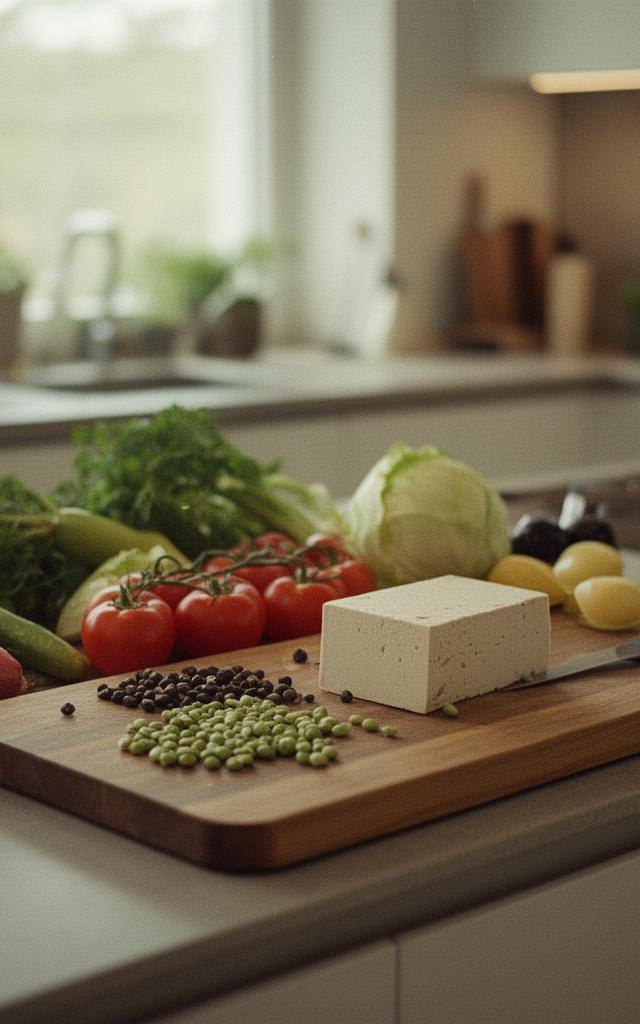
Vegan cooking reduces food waste by using entire plant parts—stems, peels, leaves, and seeds—that often get thrown away. Plant-based meals also have a lower carbon footprint than animal products, so every gram saved multiplies the environmental benefit. Try root-to-stem cooking: carrot tops become pesto, broccoli stalks become slaw, and potato peels become crispy snacks.
Key stat: Households waste 74 kg of food per person yearly in the US (USDA, 2023). Vegan cooking directly targets this with creative reuse and better storage.
What kitchen scraps are secretly edible?
Broccoli stalks, carrot peels, onion skins, and citrus rinds are just the start. Many "scraps" hold fiber, vitamins, and flavor. For example, broccoli leaves are as nutritious as kale, and watermelon rind can be stir-fried. According to the Journal of Nutrition and Food Sciences (2023), 30% of produce waste is from stems and peels, yet they’re safe and tasty when chopped thinly or roasted.

Start a "scrap bag" in your freezer. Add onion ends, garlic skins, and carrot peels; when full, simmer into a rich vegetable broth. It’s a zero-effort way to create a base for soups, stews, and risottos.
How do I store vegetables to last longer?
Stop throwing out wilted greens. Separate high-ethylene fruits (apples, bananas) from leafy vegetables; ethylene gas causes spoilage. Store herbs upright in a glass of water, and wrap mushrooms in a paper towel. According to the USDA, proper storage can extend shelf life by 2-4 times.
Invest in breathable produce bags and a hygrometer. Root vegetables like carrots and beets prefer humidity; keep them in the fridge crisper, submerged in water. These small changes cut spoilage dramatically.
What vegan recipes are best for using leftovers?
Leftover grains, beans, and roasted vegetables become stir-fries, curries, or buddha bowls. For example, Mushroom and Chickpea Scrap Hash uses leftover chickpea water (aquafaba) as an egg replacer and stale bread as croutons. A 2025 study in “Resources, Conservation and Recycling” found that batch-cooking with leftovers reduces household food waste by 30%.
Try a weekly “everything” frittata (tofu-based) or a soup from any veggie that’s soft. One-pan meals like chickpea flour pancakes can absorb almost any vegetable scraps.
How can I preserve veggies before they spoil?
Fermentation, pickling, and freezing are your best friends. Ferment leftover cabbage into sauerkraut—just salt and time—boosts gut health. Quick-pickle cucumber or carrot peels in vinegar and spices; they last weeks. Freeze ripe bananas, berries, and even greens into smoothie packs.
A 2024 EU report showed that home preservation reduces waste by 85% for targeted items. Start with a simple brine: 1 cup vinegar, 1 cup water, 1 tbsp salt. Heat, pour over veggies, and refrigerate.
Can I regrow vegetables from kitchen scraps?
Yes! Regrow green onions, lettuce, celery from their cut bases in water or soil. Place bases in water, change daily, and you'll have fresh greens in a week. Avocado pits and ginger pieces can sprout into new plants with patience. This process—known as cut-and-come-again—can regenerate up to 20% of leafy vegetables.
It’s a fun science project that teaches kids where food comes from, and it gives you a continuous supply of herbs and microgreens without extra cost.
What are the smart meal planning tips to avoid overbuying?
Plan meals around a shared ingredient list. Before shopping, list what you already have, then design recipes that use overlapping items. For example, buy one bunch of spinach and use it in a smoothie, a stir-fry, and a pasta sauce. According to the NRDC, meal planning can cut household food waste by 20-30%. Always check your fridge before you shop, not just your pantry.
Create a “use it up” night once a week: cook a stir-fry, soup, or curry with whatever is about to go bad. This reduces waste and sparks creativity.
How can I use vegetable peels and ends in vegan cooking?
Turn peels into chips, ends into broth, and leaves into pesto. Roast potato skins and carrot peels with olive oil and salt for a quick snack. Simmer onion ends, leek tops, and celery leaves with herbs to make a flavorful stock. A study in “Food Chemistry” (2023) found that many peel compounds are potent antioxidants.
Pulse dry pea pods into powder as a nutrient booster. Soak citrus peels in vinegar for a natural cleaner—no waste, multi-purpose.

What vegan pantry staples help prevent waste?
Stock up on shelf-stable, versatile items: legumes, grains, tofu, and nutritional yeast. These last months and adapt to any dish. Canned tomatoes, coconut milk, and frozen vegetables add bulk without spoiling quickly. A 2025 survey by the Vegan Society showed that flexible staples reduce food waste by 25% in plant-based households.
Use aquafaba as an egg replacer in baking or meringues, and chickpea brine for delicious mayos. Keep a jar of vegetable scraps for broth; it’s like a savings account for flavor.
How do I calculate my food waste footprint?
Use a kitchen scale to weigh your scraps for one week. Record the weight in a journal or app like “Olio.” Multiply that by 0.43 kg CO2 per kg of food waste (FAO, 2023) to get your weekly carbon impact. For example, 2 kg of waste equals 0.86 kg CO2—rough equivalent to driving 3.4 km.
Set a target to reduce that weight by half. Reassess monthly; you’ll see your footprint shrink and your grocery bills drop.
What are the best vegan food waste apps and tools?
Use apps like Olio (sharing food with neighbors), Too Good To Go (surplus restaurant meals), and Supercook (recipes from what you have). You can also find community fridges in many US cities. According to a 2024 report from WRAP, food-sharing apps can divert 78% of edible surplus from landfill.
Invest in a good vacuum sealer and silicone stretches for airtight storage. They pay off in saved food within weeks.
Checklist to minimise food waste tonight
- Store herbs in water, no plastic bag.
- Set up a freezer scrap bag for bone-free broth.
- Ferment a jar of cabbage for this week’s snack.
- Write a meal plan for 3 meals, using every ingredient.
- Roast any veggies that are limp with olive oil.
- Compost inedible ends—check local pick-up services.
The bigger picture: why food waste matters in 2026
In September 2026, the UN's Food Systems Summit +4 is spotlighting reducing food waste as a climate solution. The UK’s Courtauld Commitment 2030 is on track to halve waste by 2030, but households still throw away 6.6 million tonnes annually in the UK alone. For English readers, remember: your vegan kitchen is part of a global movement, but your local community benefits too—donate excess to food banks like Trussell Trust.
Bottom line: Vegan cooking is not just about what you put on your plate; it’s about what you keep out of the bin. Every stem you stir-fry saves money and lowers emissions.
“We don’t need a few people doing zero waste perfectly. We need millions doing it imperfectly. The vegan kitchen is the easiest place to start.” — Anne-Marie Bonneau, Zero Waste Chef
Key stat: If everyone avoided food waste, we could cut 8% of global emissions (IPCC, 2019).
Comparison: waste reduction methods
| Method | Time needed | Waste reduction | Cost |
|---|---|---|---|
| Freezing scraps | 10 min prep | Up to 80% | $0 |
| Fermentation | 15 min + wait | 85% | $2 |
| Regrowing bases | 5 min per day | 20% of leafy veg | ~$0 |
| Meal planning | 20 min weekly | 20-30% | $0 |
The table shows that the cheapest methods are the most effective, making vegan cooking waste reduction accessible to all.
FAQ
Can I compost vegan food scraps?
Yes, vegan scraps are compostable. Combine green (vegetable peels) and brown (dried leaves) material. According to the Composting Council, home compost bins handle vegan waste well and take 2-3 months to turn into soil. If you live in a flat, look for community compost drop-offs or worm bins. Composting methane-free reduces emissions compared to landfill.
Do vegans waste less food than meat-eaters?
Yes, studies show plant-based households waste less because plant foods are less prone to spoilage than meat. A 2023 study in “Science of the Total Environment” found vegans wasted 41% less food by weight than omnivores. However, vegans still throw away produce, often due to overbuying or lack of storage skills. Implementing these hacks makes a difference.
Is fermentation safe for preserving vegan foods?
Yes, fermentation is safe if you use proper salt levels (about 2% brine) and equipment. Fermented vegetables like sauerkraut have probiotics and store for months. According to the WHO, lacto-fermentation inhibits harmful bacteria. Always keep vegetables submerged, use clean jars, and start with simple recipes. Read reliable sources to ensure safety.
What is root-to-stem cooking?
Root-to-stem cooking means using the entire plant—roots, stems, leaves, and peels—in recipes. For example, carrot tops become pesto, broccoli stalks are sliced into fries, and watermelon rind is pickled. This practice, popularized by chefs like Anna Jones, reduces waste by up to 50% (Peruvian Ministry of Environment, 2020). It’s a core vegan cooking hack.
How much money can I save by reducing food waste?
A family of four can save about $1,500 a year by halving food waste (NRDC, 2022). Vegan households save an extra 10% because plant proteins are cheaper than meat. Use a waste diary to track savings. For example, making broth from scraps adds to your grocery budget. These savings add up.
Why is food waste a climate issue?
Food waste generates methane when sent to landfill—a greenhouse gas 80% more potent than CO2 over 20 years (USEPA, 2024). The United Nations estimates food waste accounts for 8-10% of global emissions, similar to road transport. By wasting less, you directly reduce these emissions. Vegan cooking reduces waste by using all parts of plants.
What vegan recipes freeze well?
Soups, stews, casseroles, and cooked grains freeze well for up to 3 months. Make double batches of tomato sauce, lentil dal, or chickpea stew, and freeze in portioned containers. According to BBC Good Food, freezing leftovers prevents up to 30% of household waste. Label containers with dates and thaw overnight. These are simple vegan meal prep hacks.
Should I buy ugly vegetables?
Yes, ugly vegetables are just as nutritious, and buying them prevents farm-level waste. Retailers often reject non-uniform produce, leaving 20% to rot. In the US, companies like Misfits Market sell “ugly” produce at a discount, reducing the cost of vegan cooking. Check if your local store offers such bins.
Read next
“Your vegan kitchen is the easiest place to fight climate change—just use every stem.”
Frequently asked questions
- Can I compost vegan food scraps?
- Yes, vegan scraps are compostable. Combine green (vegetable peels) and brown (dried leaves) material. According to the Composting Council, home compost bins handle vegan waste well and take 2-3 months to turn into soil. If you live in a flat, look for community compost drop-offs or worm bins. Composting methane-free reduces emissions compared to landfill.
- Do vegans waste less food than meat-eaters?
- Yes, studies show plant-based households waste less because plant foods are less prone to spoilage than meat. A 2023 study in “Science of the Total Environment” found vegans wasted 41% less food by weight than omnivores. However, vegans still throw away produce, often due to overbuying or lack of storage skills. Implementing these hacks makes a difference.
- Is fermentation safe for preserving vegan foods?
- Yes, fermentation is safe if you use proper salt levels (about 2% brine) and equipment. Fermented vegetables like sauerkraut have probiotics and store for months. According to the WHO, lacto-fermentation inhibits harmful bacteria. Always keep vegetables submerged, use clean jars, and start with simple recipes. Read reliable sources to ensure safety.
- What is root-to-stem cooking?
- Root-to-stem cooking means using the entire plant—roots, stems, leaves, and peels—in recipes. For example, carrot tops become pesto, broccoli stalks are sliced into fries, and watermelon rind is pickled. This practice, popularized by chefs like Anna Jones, reduces waste by up to 50% (Peruvian Ministry of Environment, 2020). It’s a core vegan cooking hack.
- How much money can I save by reducing food waste?
- A family of four can save about $1,500 a year by halving food waste (NRDC, 2022). Vegan households save an extra 10% because plant proteins are cheaper than meat. Use a waste diary to track savings. For example, making broth from scraps adds to your grocery budget. These savings add up.
- Why is food waste a climate issue?
- Food waste generates methane when sent to landfill—a greenhouse gas 80% more potent than CO2 over 20 years (USEPA, 2024). The United Nations estimates food waste accounts for 8-10% of global emissions, similar to road transport. By wasting less, you directly reduce these emissions. Vegan cooking reduces waste by using all parts of plants.
- What vegan recipes freeze well?
- Soups, stews, casseroles, and cooked grains freeze well for up to 3 months. Make double batches of tomato sauce, lentil dal, or chickpea stew, and freeze in portioned containers. According to BBC Good Food, freezing leftovers prevents up to 30% of household waste. Label containers with dates and thaw overnight. These are simple vegan meal prep hacks.
- Should I buy ugly vegetables?
- Yes, ugly vegetables are just as nutritious, and buying them prevents farm-level waste. Retailers often reject non-uniform produce, leaving 20% to rot. In the US, companies like Misfits Market sell “ugly” produce at a discount, reducing the cost of vegan cooking. Check if your local store offers such bins.
Sources
How did this piece land?
Knowledge hubs
- AnswersWhat is the difference between vegan and vegetarian?Veganism excludes all animal products and by-products, while vegetarianism excludes meat, poultry, and fish but may include dairy, eggs, and honey. Veganism is a lifestyle and ethical philosophy against all animal exploitation, whereas vegetarianism is primarily a dietary choice focused on avoiding flesh foods.Browse all
- ComparisonsVegan vs. Vegetarian: A Comprehensive ComparisonVegan diets exclude all animal products, including dairy, eggs, and honey, while vegetarian diets omit meat, poultry, and fish but may include these items. Veganism often extends beyond diet to avoid all animal exploitation, making it a broader ethical stance. Both diets can be healthy and environmentally beneficial, but vegans typically have a smaller carbon footprint and lower land use.Browse all
- GlossaryWhat is Veganism?Veganism is a lifestyle and philosophy that excludes all animal products and exploitation, driven by ethical, environmental, or health motivations. It goes beyond diet to avoid leather, wool, and animal-tested goods. While growing in popularity, it requires careful planning for nutrients like vitamin B12 and is debated for its economic and cultural impacts.Browse all
- GuidesHow to Veganise Family Recipes: A Gentle, Step-by-Step Guide to Keeping the Flavour You LoveVeganising family recipes is about preserving the essence of a dish while swapping animal products for plant-based alternatives. Start by listing animal ingredients, choose forgiving recipes, and use substitutes like soya milk, flax eggs, and lentils. Add umami with soy, miso, or nutritional yeast, and adjust cooking times. Track your changes to create new family classics.Browse all
What you can do right now
Three concrete actions that match this story.
- Sign an active petitionFind campaigns from the largest animal-rights orgs.
- Try one animal-free swap this weekSmall, sustained changes shift demand.
- Share this pieceOne share informs 5-10 people on average.