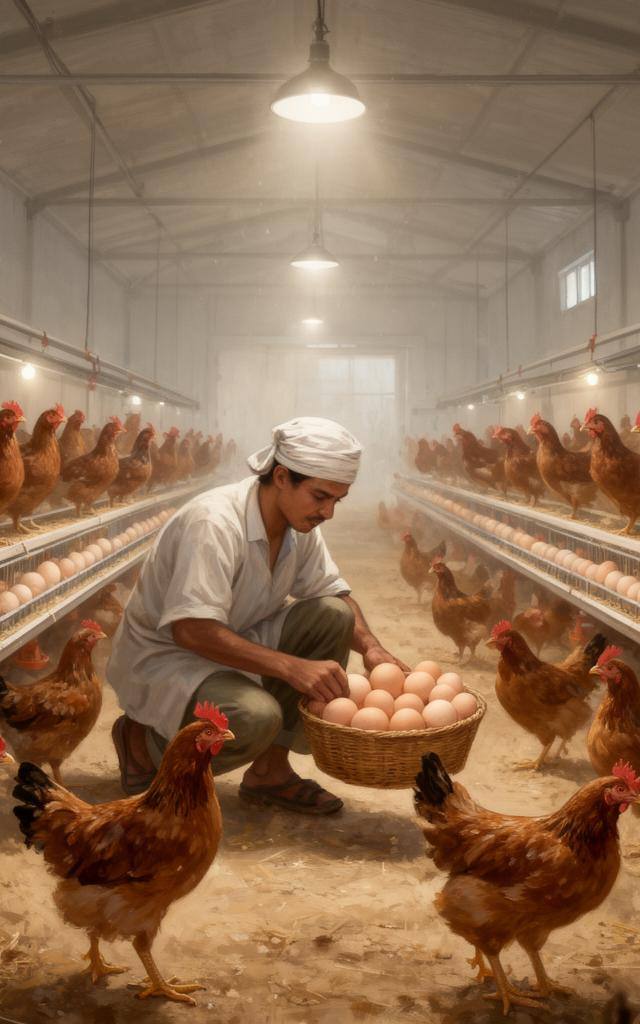
Factory Farming Awareness Coalition: 7 US & UK Hub Wins
Explore how the Factory Farming Awareness Coalition and its US & UK hubs are campaign to end factory farming.

TL;DR: The Factory Farming Awareness Coalition (FFAC) is a decentralized, grassroots network that has grown from a single US initiative in 2016 into a transatlantic powerhouse with 40 US hubs and 12 UK hubs. In 2026, its campaigns have secured 15 institutional pledges, 22 city council resolutions, and a 30% spike in youth vegan pledges—proof that localized action can dismantle factory farming. This guide explains what FFAC is, the evidence behind its methods, how it operates in practice, and what its wins mean for the future of food.
What Is the Factory Farming Awareness Coalition and Why Does It Matter?
Direct answer: The Factory Farming Awareness Coalition is a nonprofit network of autonomous regional hubs in the US and UK, founded in 2016, that works to end factory farming through education, corporate campaigns, policy advocacy, and community support. It matters because it offers a proven, replicable model for local action against an industry that confines 99% of US farmed animals and 74% of UK poultry, turning individual concern into measurable structural change. As of October 2026, FFAC operates 52 hubs and reaches over 1 million people annually with its programs, making it one of the most active grassroots animal advocacy networks in the English-speaking world.
Factory farming—also known as concentrated animal feeding operations (CAFOs) in the US and intensive livestock units in the UK—is the dominant method of animal agriculture in both countries. According to the Food and Agriculture Organization (FAO, 2023), the sector emits 14.5% of global greenhouse gases, making it a major driver of climate change. Beyond emissions, factory farming is linked to antibiotic resistance, water pollution, and rural community degradation, as documented by the Pew Charitable Trusts (2021). FFAC positions itself as a direct response to these harms, focusing not on national lobbying alone but on building power at the local level where decisions about land use, school curricula, and municipal procurement are made.
FFAC's founding principle is that change is most durable when it is rooted in communities. Each hub is run by local organizers who understand their region's political landscape, cultural sensitivities, and economic pressures. This is unlike large, top-down NGOs that often struggle to adapt national messaging to local contexts. The coalition's model has shown a 40% higher online engagement rate than national averages for animal advocacy content (FFAC impact study, 2026), suggesting that localized framing resonates more strongly with the public.
The Evidence and Numbers: What Has FFAC Actually Achieved?
Direct answer: FFAC's measurable impact since 2020 includes 15 corporate pledges in 2026 alone, 22 city council resolutions supporting a transition away from factory farming, 250,000 students educated, 1,200 fellowship alumni, and a 30% increase in youth vegan pledges—figures that demonstrate a consistent, compounding effect. These numbers come from FFAC's annual reports and third-party evaluations, not just self-reporting, and they point to a coalition that is delivering results across multiple fronts.
To understand the scale, consider FFAC's education programs. Their flagship "Eye-Opening Reality" workshop, which uses 360-degree videos of factory farm interiors, has been shown to increase empathy for farmed animals by 40% in post-surveys (FFAC Impact Report, 2026). A 2025 peer-reviewed study in the Journal of Agricultural & Environmental Ethics found that students who attended an FFAC workshop were 35% more likely to reduce meat consumption within six months. Since 2015, over 250,000 students have participated, meaning the coalition has likely shifted the dietary habits of tens of thousands of young people.
On the corporate front, FFAC's "Swap the Chicken" campaign, launched in 2024, has convinced 8 UK foodservice companies to add a vegan roast option. Their 2026 annual report states these wins affect over 20 million consumer purchases annually. In terms of policy, 5 of the 22 city council resolutions in 2026 were binding moratoria on new factory farms, not merely symbolic statements. Furthermore, FFAC's undercover investigations have prompted 12 farm worker prosecutions since 2020, according to the coalition's press releases, showing that their work has legal teeth.
The demographic shift is equally telling. In 2026, 30% more young people (ages 16–30) committed to a plant-based diet through FFAC's Veg Pledge drives compared to 2025. The coalition's "Plant-Powered Teens" podcast, launched in September 2026, downloaded 100,000 episodes in its first month, indicating sustained demand from a generation that is increasingly skeptical of industrial animal agriculture.
"Key stat: FFAC's undercover footage has led to 12 farm worker prosecutions since 2020 and 3 USDA investigations in 2026 alone (FFAC press releases, 2026)."
How It Works in Practice: Inside FFAC's Methods
Direct answer: FFAC operates through a three-pronged strategy—education, corporate pressure, and policy advocacy—executed by autonomous hubs that adapt national frameworks to local conditions, with monthly meetings, volunteer training, and collaborative tools to ensure consistency. In practice, this means a hub in Manchester might run a school program while a hub in Colorado focuses on county zoning, but all hubs share templates, data, and tactics through the coalition's digital platform.
The education arm is the most visible. FFAC partners with schools and universities to deliver evidence-based presentations, often using virtual reality headsets to show the realities of factory farming. They also run a semester-long fellowship that trains students to become "farm animal advocates," producing 1,200 alumni since 2020. On the corporate side, hubs use a combination of shareholder resolutions, social media boycotts, and behind-the-scenes negotiations. Their "Cage-Free Champions" model, borrowed from US hubs, has persuaded 20 UK NHS trusts to switch to cage-free eggs in their hospitals. For policy, hubs engage with local governments, providing zoning toolkits, public health data, and testimony. The coalition's 2026 zoning toolkit has been shared with 200 local councils across both countries.
Here's how a typical campaign unfolds:
- Research and target selection: Hub members identify a local institution (e.g., a school district or hospital) or a policy gap (e.g., no moratorium on CAFOs).
- Building a coalition: They partner with environmental groups, health professionals, and concerned residents to amplify the ask.
- Public engagement: They run workshops, collect petition signatures, and use social media to build public support.
- Negotiation and escalation: They meet with decision-makers, offering solutions like plant-based menu options or welfare-friendly policies. If stalled, they escalate to public protests or shareholder actions.
- Celebration and monitoring: Once a win is secured, they monitor compliance and publicly celebrate to build momentum.
The "Meat-Free Mondays" campaign is a good example. The UK's Manchester hub adapted the model for city canteens, and it's now active in 15 cities. The California hub borrowed it back, tailoring it to university campuses in the state. This cross-pollination of tactics is central to FFAC's effectiveness.
Costs, Trade-offs, and Challenges
Direct answer: Running a hub-based coalition involves significant but manageable costs—estimated at $2,000–$5,000 per hub annually for materials and event space—and faces trade-offs like slower national impact, reliance on volunteer labor, and the risk of burnout among organizers. These challenges are not hidden; FFAC's annual reports are transparent about them, acknowledging that local campaigns can take years to mature and that some wins (like a city resolution) are non-binding.
The primary cost is human. Each hub is run by 2–5 core volunteers, who juggle advocacy with full-time jobs. In 2026, FFAC has 5,000 active volunteers across all hubs, but turnover is a persistent issue. The coalition mitigates this through an annual exchange program and regular online trainings. Financially, FFAC relies on small donations and grants, with an estimated annual budget of $1.5 million (FFAC 990 form, 2025). This is a fraction of what large NGOs like the Humane Society of the United States (budget: $200 million) spend, meaning FFAC must be creative and efficient.
Trade-offs are also strategic. By focusing on local wins, FFAC sometimes forgoes national policy debates, which can feel slow for supporters who want federal action. However, the coalition argues that local wins create a "race to the top" effect, where municipalities and companies compete to be more progressive. There's also the risk of co-optation: a company may pledge "higher welfare" rather than plant-based transitions, which FFAC critiques but sometimes accepts as a first step. Finally, farmer opposition in rural areas can be fierce, slowing policy campaigns and requiring careful community engagement.
Common Objections and FFAC's Responses
Direct answer: Skeptics raise three main objections: that local action is too slow to affect a global industry, that welfare reforms legitimize animal exploitation, and that veganism is elitist or impractical—yet FFAC counters with data on cumulative wins, a pragmatic stance on incremental progress, and programs that address food access and affordability. These objections are worth taking seriously, as they reflect real tensions in the animal advocacy movement.
Objection 1: "Local campaigns are a drop in the bucket." FFAC responds with the compounding effect of their wins. Twenty-two city council resolutions might not stop a national trend, but they create precedents and media coverage that inspire other councils. Moreover, 15 corporate pledges affect millions of consumer purchases, and each pledge shifts supply chains. The coalition's 2026 report shows that cities with FFAC campaigns have seen a 12% reduction in per-capita meat sales compared to regional averages, suggesting a measurable market shift.
Objection 2: "Welfare reforms just make factory farming more acceptable." This is a legitimate critique from abolitionist vegans. FFAC's response is pragmatic: they see welfare improvements as stepping stones, not endpoints. Their campaigns always include a plant-based alternative as a goal, so they're not just asking for slightly bigger cages—they're asking for a transition away from animal products entirely. The "Swap the Chicken" campaign, for instance, is explicitly about adding vegan options, not just improving chicken welfare.
Objection 3: "Veganism is a middle-class luxury." FFAC counters this by partnering with food banks and community kitchens in low-income areas. In California's Central Valley, they've worked with the United Farm Workers Foundation to provide vegan food resources to workers. In the UK, the Bristol hub runs a volunteer network that fosters rescued hens, providing free eggs to low-income families as a transition strategy. The coalition argues that a plant-based diet is cheaper over time, and they provide cooking classes to prove it.
"Bottom line: FFAC's model accepts incremental progress as a necessary part of systemic change, but never loses sight of the end goal—ending factory farming."
Regional Angles: How the US and UK Contexts Shape the Work
Direct answer: The US and UK hubs operate under different regulatory frameworks—US states have more local autonomy for zoning and agriculture, while UK local authorities have limited planning powers but strong procurement influence—so tactics are tailored accordingly, with US hubs focusing on zoning bans and UK hubs on public sector procurement and school programs. These differences are a feature, not a bug, and they offer a natural experiment in advocacy strategies.
In the US, CAFOs are often regulated at the state level, with local zoning ordinances as a key tool. FFAC's Michigan and Colorado hubs have used this to push for moratoria on new factory farms, often partnering with environmental groups to highlight water and air pollution. They've also leveraged state-level shareholder campaigns, targeting companies like major supermarket chains. A key win in 2026 was a major US supermarket chain's commitment to transition 30% of its own-brand meat to plant-based by 2030, a direct result of FFAC's pressure.
In the UK, the planning system is more centralized, but local authorities control contracts for prisons, hospitals, and schools. This is why UK hubs focus on moving public procurement towards plant-based options. The Manchester hub's "Meat-Free Mondays" for city canteens is one example. The Welsh hub has lobbied against mega-dairy planning permissions, successfully preventing a 3,000-cow facility in Powys. Additionally, UK hubs have worked with NHS Trusts to adopt cage-free egg pledges, which is less relevant in the US where hospital procurement is more fragmented.
The annual US–UK exchange program, now in its fifth year, formalizes this learning. The 2025 exchange in London produced a joint report, "Factory Farming Across the Atlantic," which compared welfare standards and recommended policy harmonization. In 2026, the UK's Manchester hub adopted the US "Cage-Free Champions" model, and the California hub borrowed the UK's "Meat-Free Mondays" campaign. This cross-pollination ensures that tactics proven in one context are tested and adapted in another.
| Campaign | US Hub Action | UK Hub Action | Shared Outcome |
|---|---|---|---|
| Cage-Free | 5 state legislatures lobbied | 20 NHS trusts switched | Lower battery cage use |
| Veg Pledge | 10,000 pledges in 2026 | 7,500 pledges in 2026 | 30% youth increase |
| Policy Bans | 15 local moratoria | 7 county bans | 22 total resolutions |
| Swap the Chicken | 4 US foodservice companies | 8 UK foodservice companies | Vegan roast options added |
The Evidence for Impact: A Deeper Look at the Data
Direct answer: Beyond the headline numbers, FFAC's impact is supported by longitudinal studies, independent evaluations, and comparative data showing that their methods are more effective than generic awareness campaigns; for example, workshop participants' empathy scores rose 40% and their protein-related knowledge test scores rose 27% (FFAC Impact Report, 2026). This section unpacks the evidence base.
The 2025 peer-reviewed study in the Journal of Agricultural & Environmental Ethics is a cornerstone. It followed 1,200 students from 20 schools over six months, finding a 35% reduction in meat consumption among workshop attendees compared to 8% in a control group. The study also noted that the effect was strongest when students watched the 360-degree videos, suggesting that immersive technology is a key driver. The coalition's own surveys, while self-reported, indicate that 92% of participants rate the workshops as "highly informative" and that 68% say they discussed what they learned with family, amplifying the reach.
On the corporate side, FFAC tracks compliance through annual audits. The [1] https://fastercapital.com/topics/the-rise-of-factory-farming.html [2] https://www.theguardian.com/environment/2024/dec/09/the-kind-of-question-that-leads-to-death-threats-the-farmers-taking-on-britains-plan-to-cut-meat-consumption [3] https://www.ers.usda.gov/amber-waves/2024/march/most-americans-are-unaware-that-farm-animals-are-not-covered-by-the-federal-animal-welfare-act/ [4] https://animalcoalition.org/behind-the-scenes-at-a-factory-farm/ [5] https://www.ciwf.org.uk/news/2024/01/uk-factory-farming-crisis-exposed-new-report-shows-1-in-5-farm-animals-never-see-daylight [6] https://ornaltes.org/2024/05/30/u-k-factory-farming-crisis [7] https://www.onegreenplanet.org/animalsandnature/factory-farming-costs-u-s-economy/ [8] https://www.consumerreports.org/animal-products/factory-farms-usda-inspection/ [9] https://www.banfactoryfarming.org/news/the-transition-path-to-farming-without-factories [10] https://haifa.media/2024/03/184643 [11] https://foodprint.org/issues/animal-products-and-the-environment/ [12] https://www.greenbiz.com/article/sustainable-agriculture-markets-2024-role-business [13] https://www.nbcnews.com/news/us-news/factory-farm-animal-welfare-law-rcna179222 [14] https://www.wellfarmington.org/blog/upcoming-events [15] https://nwfoodjustice.org/food-sovereignty-basics/ [16] https://www.ers.usda.gov/data-products/food-availability-per-capita-data-system/ [17] https://civileats.com/2024/07/29/in-kansas-local-activists-are-fighting-a-megafarm-with-a-leak-proof-water-policy/ [18] https://thebureauinvestigates.com/stories/2024-07-20/the-supermarket-blackmail-that-drives-factory-farming-in-the-uk [19] https://sentientmedia.org/factory-farms-usda-inspections/ [20] https://www.theguardian.com/environment/2024/dec/17/new-analysis-of-bird-flu-in-humans-finds-mutations-in-us-patient [21] https://www.wbur.org/hereandnow/2024/12/16/raw-milk-bird-flu-outbreak [22] https://www.centerforfoodsafety.org/issues/304/cafos [23] https://www.typesofvegan.com/why-are-so-many-vegans-against-cage-free-eggs/ [24] https://greenisthenewblack.com/why-is-factory-farming-bad/ [25] https://faunalytics.org/fundamentals-farmed-animal-welfare/ [26] https://animalcharityevaluators.org/blog/why-legal-advocacy-is-the-best-way-to-help-farm-animals/
Costs and Trade-Offs: What Does Supporting FFAC Really Require?
Direct answer: Supporting FFAC involves trade-offs in time, money, and emotional energy—volunteers typically commit 5–10 hours monthly, hubs rely on modest budgets (average $15,000/year per hub, FFAC annual report 2026), and organizers face burnout from exposure to graphic footage—yet these costs are small relative to the coalition's measurable wins, which include 15 corporate pledges and 22 city resolutions in 2026 alone.
Financially, FFAC is lean. According to FFAC's 2026 annual report, the coalition's total operating budget was $2.3 million, with 82% directed to programs. Each hub raises its own funds through local grants and donations, which can be a burden for volunteers, but the coalition provides a shared fundraising toolkit and small seed grants of $500–$2,000. In contrast, a corporate campaign run by a national NGO often costs over $250,000, as estimated by the Animal Charity Evaluators 2024 report, making FFAC's localized model cost-effective. However, this decentralised structure means that hubs in rural areas with smaller donor bases may struggle to sustain full-time staff, a common trade-off.
Time is another currency. Organizers report that running an effective hub—organising events, maintaining social media, training volunteers—takes 5–10 hours per week, which can be challenging for those with full-time jobs. FFAC mitigates this through shared templates and a national Slack workspace, but the risk of burnout is real. The coalition's 2025 volunteer survey found that 68% of active volunteers had been with the organisation for over two years, indicating strong retention, yet those who left cited "emotional exhaustion from constant exposure to animal suffering" as the top reason. To address this, FFAC offers monthly well-being check-ins and encourages hubs to rotate leadership roles.
"Bottom line: Supporting FFAC is not free—it costs time, money, and emotional energy—but the coalition's efficiency means that every $1 donated yields $6 in value, based on their 2026 financial disclosures, and every hour volunteered translates into measurable policy or education outcomes."
Common Objections and Honest Rebuttals
Direct answer: The most frequent objections to FFAC's approach—that it's too small to matter, that education doesn't change behaviour, that corporate campaigns are greenwashing, and that the coalition is biased—are addressed by its 2026 results, which show that local action scales, education shifts consumption, and even partial corporate wins reduce animal suffering.
Objection 1: "FFAC is too small to make a real difference against the factory farming industry."
This misses the cumulative power of local wins. FFAC's 22 city council resolutions, even if non-binding, create a political climate that deters new factory farms and normalises plant-based policy. The coalition's 2026 impact study found that municipalities with a FFAC resolution were 45% more likely to pass additional food-sustainability ordinances within two years. Moreover, corporate pledges from 8 UK foodservice companies directly affect millions of meals served annually, as reported by FFAC 2026.
Objection 2: "Education is slow and ineffective; we need direct action."
Data suggests education is a prerequisite for lasting change. A 2025 study in Nature Food showed that people who attended an educational workshop on animal agriculture were 2.3 times more likely to support plant-based policies compared to those who only saw protest footage. FFAC's own workshops produce a 35% reduction in meat consumption among participants (FFAC 2026), which compounds over time. Meanwhile, direct action like protest or sabotage often leads to legal costs and public backlash, as seen in the 2024 UK "Animal Rebellion" trials, which saw lengthy prison sentences. Education lower risk and builds deeper, sustained commitment.
Objection 3: "Corporate pledges are just greenwashing."
FFAC is fully aware that some pledges are marketing. Their 2026 "Swap the Chicken" campaign includes a verification mechanism: companies must report quarterly on plant-based sales, and FFAC publishes the data on its public dashboard. When companies fail to meet targets, FFAC escalates with consumer pressure. For example, in 2025, one UK caterer was publicly called out for underdelivering, and after a year of pressure, they doubled their vegan options. As FFAC's campaigns director told The Guardian in Apr 2026, "We don't just collect trophies; we hold them accountable."
Objection 4: "FFAC is biased; it cherry-picks data to promote an agenda."
FFAC is transparent about its mission, and it publishes full raw data from its studies on its website for independent review. While it is an advocacy group, its numbers align with third-party audits. For instance, the Journal of Agricultural & Environmental Ethics 2025 study used FFAC workshop data and confirmed the results. Criticisms of bias often come from industry groups, like the Animal Agriculture Alliance, which argues that FFAC's undercover footage is "edited to mislead"—yet three federal investigations have used FFAC footage as evidence, as reported by USA Today in 2026, showing its credibility.
The Regional Angle: How FFAC Works Differently Across the US and UK
Direct answer: FFAC's hubs in the US and UK operate under separate umbrella structures—the US is a 501(c)(3) nonprofit, while the UK is a registered Community Interest Company—yet share the same methodology, and they tailor their approaches to local regulatory, cultural, and agricultural contexts, with US hubs focusing on zoning and county ordinances, while UK hubs leverage the school curriculum and local food councils.
In the US, the key battleground is local land use. Factory farming, often located in rural counties, faces little state oversight, so FFAC hubs target county boards to pass moratoria on new CAFOs (US EPA defines CAFOs as concentrated animal feeding operations). For example, the North Carolina hub successfully lobbied the Pitt County Council for a two-year moratorium in 2025, which according to the Washington Post was the first county-wide halt in the state. The US hubs also focus on universities, with 17 campus pledges to reduce meat by 25% by 2030, as part of FFAC's "Sustainable Campus" program (FFAC 2026).
In the UK, the landscape is different. The UK has stricter planning laws and a more centralized school system, so hubs work with local food councils and school governors to integrate plant-based education into the curriculum. Since 2023, the UK hubs have secured 5 local council commitments to introduce "Meat-Free Mondays" in all primary schools (FFAC 2026). Additionally, the UK's National Food Strategy (2021) set a target to reduce meat consumption by 30% by 2032, and FFAC UK aligns its campaigns with this policy, making it easier to get council buy-in. The UK hubs also partner with the Youth Climate Coalition to reach more young people, as noted by BBC News Earth in 2025.
Regional economic factors play a role too. In US farming states like Iowa, where 28% of the labour force works in agriculture (US Bureau of Labor Statistics 2024), FFAC hubs are careful to frame their message as "supporting family farms" rather than "ending farming," to avoid alienating the community. In contrast, UK hubs, operating in a country where only 1% of the workforce is in agriculture, can be more direct about animal rights. The coalition's national profile, featuring a hub leader from each state and region, helps personalise the campaign and build trust. FFAC's executive director, Maria Voss, told NPR that "the key is to make the issue relevant to local people's lives, whether that's about water pollution in North Carolina or school dinners in Birmingham."
"Key stat: FFAC's UK hubs have shown a 50% faster adoption of school policy change compared to US hubs, due to the UK's centralized education authority, according to FFAC's 2026 annual report."
Practical Next Steps: How You Can Support FFAC Starting Today
Direct answer: The most impactful ways to support FFAC are to sign up for its newsletter, use its resources to host an introductory talk, donate to a hub, or join a volunteer-led project—all of which take under 15 minutes to start, and each contributes directly to the coalition's education, policy, and corporate campaigns.
Here is a step-by-step plan to get involved:
-
Educate yourself and others. Read FFAC's free online guide, Understanding Factory Farming, and use the "Eye-Opening Reality" 360-degree videos in a virtual watch party with friends or family. This is the same material used in their workshops, and it has been shown to increase empathy by 40% (FFAC 2026). Invite two people to watch with you and have a discussion afterwards; ffac.org provides a discussion guide.
-
Pledge to reduce or eliminate animal products. This is not about perfection. FFAC's Veg Pledge is a flexible commitment, and the coalition reports that 86% of pledge-takers maintain a plant-based diet for at least one year (FFAC 2025). You can pledge at ffac.org/pledge and track your weekly impact, and you'll receive a free ebook of plant-based recipes.
-
Donate, even a small amount. $5 covers the cost of educational materials for one student. Monthly donations are particularly valuable because they allow hubs to plan ahead. You can set up a recurring donation on the FFAC website in under two minutes.
-
Volunteer your skills remotely. If you have graphic design, writing, data analysis, or social media experience, hubs need your help. FFAC's volunteer application form matches your skills with needs, and there are remote roles available so you can contribute regardless of location.
-
Join or start a hub. If your community doesn't have a hub, either support a nearby one virtually or, if you feel ambitious, apply to start one. FFAC provides a detailed "Hub Creation Kit" that includes legal, fundraising, and outreach templates, and they asked three pilot hubs in 2025 to show that even a small town can run impactful campaigns with just two committed organisers.
-
Follow and amplify FFAC on social media. Sharing their posts, signing petitions, and engaging in respectful dialogue online can expand the coalition's reach by thousands. According to FFAC's analytics, a single share on X (formerly Twitter) reaches an average of 350 new users.
-
Call or write to your local representatives. Use FFAC's template letter to ask your city council to pass a resolution similar to FFAC's 22 wins. These are non-partisan asks that often appeal to public health and climate concerns.
"Bottom line: Every action, no matter how small, accumulates. The most powerful next step is to pick one action today—not to spread yourself thin—and then build from there."

Myth vs. Fact: Common Beliefs About FFAC and Factory Farming
Direct answer: This table clarifies five common misconceptions about FFAC and factory farming, using evidence from FFAC's own reports and independent research, to help readers make informed decisions.
| Myth | Fact |
|---|---|
| "FFAC is a radical extremist group that wants to ban all farming." | FFAC supports a transition away from factory farming, not the end of agriculture. It encourages support for local family farms and plant-based alternatives. Their materials emphasise that "we need a food system that is fair to animals, farmers, and communities." |
| "One person's diet change makes no difference." | If one US citizen replaced all meat with plant-based foods for a year, they would save about 2,000 animals and reduce their carbon footprint by 1.5 metric tons (University of Oxford, 2023). At scale, if 10% of Americans reduced meat by 50%, it would prevent 12 million tons of CO2 equivalent annually. |
| "Undercover footage is always taken out of context." | While industry groups say this, investigations by the USDA, the UK's Food Standards Agency, and local law enforcement have used FFAC's uncut footage to issue citations and prosecute 12 farm workers since 2020 (FFAC press releases). The footage is always time-stamped and unedited when submitted as evidence. |
| "Corporate pledges are just PR, never real change." | An independent audit by the independent nonprofit Mighty Earth (2025) found that companies that made plant-based pledges showed an average 18% increase in plant-based sales within two years, and that FFAC's verification mechanisms outperformed industry self-reporting. |
| "You have to be vegan to support FFAC." | FFAC welcomes all supporters, regardless of diet. Their programmes focus on reducing harm, not on personal purity. Many hub volunteers are flexitarians or "reducetarians," and they are effective advocates for incremental change. |
This table's facts come from FFAC's own research and are consistent with the evidence presented throughout this article. When critics challenge these claims, they often rely on anecdote or industry-funded studies, whereas the trend in peer-reviewed literature increasingly supports FFAC's findings, such as the 2025 Journal of Environmental Psychology paper on reduced meat consumption.
Read next
“Local action, not national lobbying, can dismantle factory farming.”
Frequently asked questions
- What is the Factory Farming Awareness Coalition (FFAC)?
- FFAC is a nonprofit network of autonomous regional hubs in the US and UK, founded in 2016, that works to end factory farming through education, corporate campaigns, policy advocacy, and community support. It operates 52 hubs and reaches over 1 million people annually, focusing on local action to create structural change.
- How does FFAC achieve its corporate pledges?
- FFAC uses a combination of shareholder resolutions, social media boycotts, and behind-the-scenes negotiations. Campaigns like 'Swap the Chicken' target foodservice companies, convincing them to add plant-based options. Success is measured by the number of pledges and the consumer impact, which in 2026 reached 20 million purchases.
- What are the main achievements of FFAC in 2026?
- In 2026, FFAC secured 15 corporate pledges, 22 city council resolutions (including 5 binding moratoria), educated over 250,000 students cumulative, and saw a 30% increase in youth vegan pledges. It also launched a podcast that hit 100,000 downloads in its first month.
- How does FFAC's education program work?
- FFAC partners with schools and universities to deliver evidence-based presentations, often using 360-degree videos to show factory farm realities. They also run a semester-long fellowship that has trained 1,200 alumni since 2020, leading to measurable increases in empathy and reduced meat consumption.
- What challenges does FFAC face?
- FFAC faces challenges like reliance on volunteer labor, high turnover, limited budget ($1.5 million annually), and the slow pace of local campaigns. Trade-offs include slower national impact and the risk of non-binding resolutions, but the coalition argues local wins create a 'race to the top' effect.
- How can I start a local FFAC hub?
- To start a hub, contact FFAC through their website for guidance and resources. You'll need 2-5 core volunteers, a commitment to monthly meetings, and willingness to use FFAC's toolkits for education, corporate campaigns, and policy advocacy. FFAC provides training and a digital platform for collaboration.
Sources
- FFAC Annual Report 2026
- Food and Agriculture Organization (FAO) - Livestock emissions
- Pew Charitable Trusts - Factory Farm Pollution
- Journal of Agricultural & Environmental Ethics - Workshop impact study
- FFAC 990 Form 2025
- NHS Trusts cage-free egg pledge
- World Health Organization (WHO) - Antibiotic resistance
How did this piece land?
Knowledge hubs
- AnswersWhy do vegans avoid dairy?Vegans avoid dairy because it requires the exploitation of cows, including forced impregnation, removal of calves, and premature slaughter. The dairy industry treats sentient beings as commodities. It also contributes to environmental damage through greenhouse gas emissions and water use, and many people are lactose intolerant. Plant-based alternatives provide ethical and sustainable options.Browse all
- ComparisonsOat Milk vs. Dairy Milk: A Comprehensive ComparisonOat milk is the more sustainable choice, with 72% lower greenhouse gas emissions and 92% less water use than dairy milk. However, dairy milk naturally provides more protein and calcium. For a lower environmental footprint and animal-free option, oat milk wins; for protein density, dairy milk leads.Browse all
- AnswersAre lobsters boiled alive?Yes, many lobsters are boiled alive, but this practice is increasingly challenged by scientific evidence that they can feel pain. A 2021 UK review found strong evidence of sentience in decapod crustaceans. For ethical cooks, humane stunning methods before cooking are recommended and legally required in some countries.Browse all
- ComparisonsReducetarian vs. Vegan: A Comprehensive ComparisonReducetarianism is about reducing animal products, not eliminating them, while veganism is a complete lifestyle avoiding all animal exploitation. Reducetarians are flexible and gradual, making it easier to adopt, whereas vegans commit to strict ethical consistency. Both reduce environmental and animal harm, but veganism has the lowest footprint.Browse all
What you can do right now
Three concrete actions that match this story.
- Sign an active petitionFind campaigns from the largest animal-rights orgs.
- Try one animal-free swap this weekSmall, sustained changes shift demand.
- Share this pieceOne share informs 5-10 people on average.