Plant-Based Diet Guide: A Climate Solution
A plant-based diet guide to the climate solution science—how far your footprint can fall, and how to start with beans, lentils and tofu from any supermarket.

TL;DR: A plant-based diet is one of the highest-impact climate actions an individual can take. Research from Oxford and the UN FAO shows plant-based eating can cut food-related greenhouse gas emissions by up to 50%, and the IPCC names dietary shift as a key mitigation option. Starting is simple: swap meat, dairy, eggs and fish for beans, lentils and tofu from mainstream supermarkets, then build meals and nutrition around them.
Switching how you eat is one of the few climate actions that is entirely under your control, works the same way in every country, and pays you back in grocery savings and better health. This guide covers what the science says, how far your footprint can fall, and exactly how to begin with foods already on your local supermarket shelves.

Contents
- What is a plant-based diet, and how does it relate to the climate solution?
- How much can plant-based eating cut your carbon footprint?
- What does the IPCC actually say about eating less meat and dairy?
- Is vegan better for the climate than just eating less meat?
- What does "plant-based" exclude? Dairy, eggs, fish and meat
- How to start with beans, lentils and tofu from your supermarket
- Cheapest plant proteins by country: US, UK, Canada, Ireland, Australia, New Zealand
- Nutrition to watch when switching for climate reasons
- Common mistakes and a starter checklist
What is a plant-based diet — and why is it called a climate solution?
A plant-based diet is a way of eating centred on plants — vegetables, fruits, whole grains, legumes, nuts and seeds — with animal products (meat, dairy, eggs, fish) reduced or removed. Research consistently finds it is one of the highest-impact personal climate actions available, because food production drives roughly a quarter to a third of global greenhouse gas emissions.
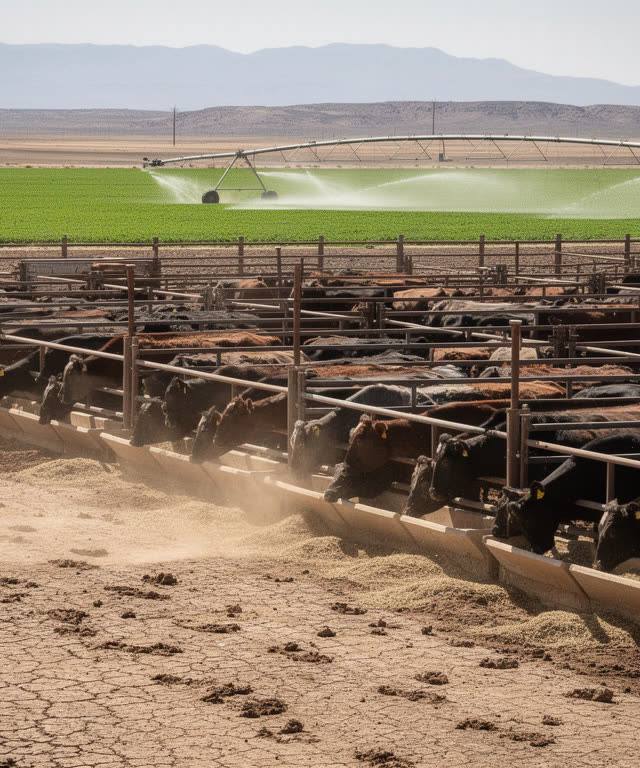
That food share is not evenly distributed. According to the UN Food and Agriculture Organization (FAO), livestock supply chains alone account for around 14.5% of all human-caused greenhouse gas emissions — more than all the world's cars, planes, ships and trains combined.
What a vegan diet excludes: all meat, poultry, fish and seafood, dairy milk and cheese, eggs, honey, and other animal-derived ingredients. Vegetarian diets exclude meat and fish but allow dairy and eggs.
How much can a plant-based diet cut your carbon footprint?
Plant-based diets can cut diet-related greenhouse gas emissions by up to 50% for high meat consumers, and vegan diets sit at the low end of every major food-emissions study. The more animal products you remove, the deeper the cut — and beef and lamb deliver the largest reductions of all.
The most-cited evidence is a landmark 2018 study in the journal Science by Joseph Poore and Thomas Nemecek at the University of Oxford. It analysed 38,700 farms across 119 countries and found that producing a kilogram of beef protein generates roughly 60 kilograms of CO₂ equivalent — about 30 times more than tofu, and around 100 times more than peas or lentils.
Key stat: Even the lowest-impact animal protein — milk, eggs and chicken — produces more emissions than almost every plant protein, according to the Oxford study.
That means a genuinely plant-based diet is not just 'eating less meat'. It targets the single biggest source of most food footprints: ruminant animals. Research led by Oxford's Marco Springmann, published in Nature Food (2021), found that a vegan diet could reduce food-related greenhouse gas emissions by around 70% for someone eating a typical European or North American diet, alongside major land and water savings.
What does the IPCC actually say about eating less meat and dairy?
The Intergovernmental Panel on Climate Change (IPCC) has repeatedly identified dietary shift away from animal products as a significant climate mitigation option — not a fringe idea. Its Special Report on Climate Change and Land (2019) states with high confidence that balanced, plant-based diets "present major opportunities for adaptation and mitigation while generating significant co-benefits in terms of human health".
"Balanced diets featuring plant-based foods ... present major opportunities for adaptation and mitigation." — IPCC, Climate Change and Land, 2019
The report links livestock to methane emissions, land clearing and nitrogen pollution, and warns that climate change in turn threatens food security. Crucially, it frames dietary change as a demand-side solution alongside supply-side fixes such as reduced food waste — and notes that animal agriculture uses roughly 70% of global agricultural land while delivering far less of our calories and protein.
Is a vegan diet better for the climate than just eating less meat?
Yes — a fully vegan diet is better for the climate than merely reducing meat, because dairy, eggs and fish still carry real emissions. Cutting beef while eating cheese and salmon leaves a meaningful footprint on the plate.
| Diet pattern | Excludes | Typical diet-linked emissions |
|---|---|---|
| High meat | Nothing | Highest |
| Flexitarian | Some meat | Moderate reduction |
| Vegetarian | Meat, fish | Further reduction |
| Vegan | All animal products | Lowest |
In numbers: Studies including Scarborough et al. (Climatic Change, 2014) on UK diets found that a vegan diet produced around 1.5 kg CO₂e per day, compared with roughly 3.3 kg for medium meat-eaters and 7.2 kg for high meat-eaters — roughly a halving or more.
A common error is treating one beef-free meal a week as a full climate solution. It is a start, but dairy cheese in particular is emissions-intensive — by some estimates rivalling chicken per kilogram — so reducing all animal products is where the real gains sit.
How do I start a plant-based diet using beans, lentils and tofu?
Start by replacing the animal products you eat most often with beans, lentils or tofu from your normal supermarket — no speciality shop required. These three foods appear in every mainstream store in the US, UK, Canada, Ireland, Australia and New Zealand, in fresh, canned, jarred and dried form.
Beans
Tinned or canned beans (black, kidney, cannellini, chickpeas) are the fastest route in: drain, rinse and use. Plain baked beans are vegan in the US, UK, Canada, Ireland, Australia and New Zealand, though flavoured varieties often contain milk or butter — check the label.
Lentils
Red lentils are cheap, the fastest-cooking dried legume, and thicken soups and curries naturally. Green and brown lentils hold their shape for salads, bowls and bolognese. Dried lentils keep for months and cost a fraction of meat per gram of protein.
Tofu
Firm tofu (usually sold in water-filled packs) can be pressed, cubed and fried or baked; silken tofu blends into sauces, desserts and scrambles. Tofu is widely stocked in the refrigerated aisle of mainstream chains and in many Asian supermarkets, usually at lower prices.
A quick starting method
- Pick one meal a day and make it plant-based for two weeks.
- Choose a base: oats, potatoes, rice, pasta or bread.
- Add a plant protein: beans, lentils, tofu, or a store-bought vegan burger.
- Add plants and flavour: frozen vegetables, tinned tomatoes, spices, herbs, lemon.
- Fortify where relevant: choose plant milks with added calcium and B12 (see nutrition section).
Cheapest plant proteins by country
Plant proteins are affordable in every English-speaking market, but prices and labels differ. Here is where beans, lentils and tofu are typically cheapest and most available.
United States and Canada
- 🌱 Dried beans and lentils in bulk or 1 kg bags; tinned beans at Walmart, Costco, Kroger, Loblaws, Metro.
- Firm tofu is widely stocked near produce, and blocks can be frozen for a firmer texture.
- US/Canada note: the phrase 'plant-based' is unregulated; 'vegan' is a voluntary label. Always check for milk, egg, whey or honey in flavourings.
United Kingdom and Ireland
- Tinned beans, dried lentils and own-brand tofu in Tesco, Sainsbury's, Aldi, Lidl, SuperValu and Dunnes.
- Baked beans are a cheap staple; own-brand plant milks are usually the most affordable.
- UK/Ireland note: 'vegan' is widely used and understood on packaging; EU and UK labelling rules mean allergens such as milk must be declared clearly.
Australia and New Zealand
- Dried and tinned legumes and tofu at Woolworths, Coles, Countdown/Woolworths NZ and Pak'nSave.
- Seasonality is reversed: beans and lentils are pantry staples year-round, but fresh produce peaks differently from the northern hemisphere.
- ANZ note: 'plant-based' and 'vegan' claims are regulated under food standards (FSANZ), so 'vegan' on a label is a meaningful commitment.
| Region | Cheapest staples | Notes |
|---|---|---|
| US / Canada | Dried beans, lentils, tofu, oats | Bulk buying cuts cost most |
| UK / Ireland | Tinned beans, dried lentils, own-brand tofu | Baked beans are a cheap classic |
| Australia / NZ | Tinned legumes, dried lentils, tofu | 'Vegan' label is reliable |
Nutrition to watch when switching for climate reasons
A well-planned vegan diet can meet all nutrient needs at every life stage — a position supported by the Academy of Nutrition and Dietetics — but a few nutrients deserve attention, especially in colder, higher-latitude countries.
- ⚠️ Vitamin B12: not reliably present in plants; choose fortified foods (plant milks, yeast extract, cereals) or a supplement.
- ⚠️ Iodine: levels vary by region; dairy and fish are common sources, so check plant milk and consider a supplement if unsure.
- ✅ Iron: plant iron is abundant in lentils, beans and tofu; pair with vitamin C (citrus, peppers, tomatoes) to improve absorption.
- ✅ Protein: beans, lentils, tofu, oats, nuts and seeds easily meet needs when calories are adequate.
- ⚠️ Omega-3: include walnuts, flaxseed or a microalgae supplement — algae is the original source of the omega-3s found in fish.
- ✅ Calcium: choose calcium-set tofu, fortified plant milks, and leafy greens such as kale and bok choy.
Bottom line: The climate argument is strong and the nutrition is manageable — but fortification and B12 are not optional extras on a vegan diet.
Common mistakes and a starter checklist
Most people who drift away from plant-based eating do so for avoidable reasons: no plan, no protein, or an all-or-nothing mindset. Avoid those and it sticks.
- ❌ Replacing meat with only cheese or eggs. Dairy and eggs are still emissions-intensive.
- ❌ Skipping B12. It is the single most important supplement on a vegan diet.
- ❌ Assuming 'plant-based' means vegan. It often does not — read the label.
- ❌ Buying only expensive meat substitutes. Dried beans, lentils and tofu cost far less.
- ✅ Cooking one reliable meal three times a week beats an elaborate one-off.
Your starter checklist
- Pick one meal a day to make plant-based.
- Buy dried or tinned beans, lentils and a block of tofu.
- Swap dairy milk for a fortified plant milk.
- Add a B12 supplement or fortified foods.
- Learn three go-to recipes you actually enjoy.
- Read labels for milk, egg, whey and honey.
- Check local supermarket own-brand vegan lines for savings.
Bottom line: A plant-based diet is one of the most effective climate actions available to an individual — and it starts with a tin of beans, a bag of lentils and a block of tofu.
Frequently asked questions
How much can a plant-based diet cut my carbon footprint? Diet-related emissions can fall by up to 50% or more, depending on what you ate before. The Oxford Science study (2018) found beef produces around 60 kg CO₂e per kg of protein, versus about 2 kg for tofu — so removing beef alone delivers a large cut, and going fully vegan delivers more.
What does the IPCC say about eating less meat and dairy? The IPCC's 2019 Climate Change and Land report states with high confidence that balanced, plant-based diets offer major opportunities for climate mitigation and adaptation, while generating health co-benefits. It identifies livestock as a major emissions source and dietary shift as a demand-side solution alongside reducing food waste.
Is a vegan diet better for the climate than just eating less meat? Yes. Dairy, eggs and fish still carry meaningful emissions, and cheese can rival chicken per kilogram. Research including Scarborough et al. (2014) in the UK found vegan diets produced roughly half the emissions of medium meat-eaters and far less than high meat-eaters, so going fully vegan cuts more than partial reduction.
How do I start a plant-based diet using supermarket beans, lentils and tofu? Replace the animal product you eat most often with beans, lentils or tofu. Tinned beans need only draining and rinsing; red lentils cook in about 15 minutes; firm tofu can be pressed, cubed and pan-fried. Every mainstream supermarket in the US, UK, Canada, Ireland, Australia and New Zealand stocks all three.
What are the cheapest plant proteins in the US, UK and Australia? Dried beans and lentils are typically the cheapest protein per gram everywhere, followed by tinned legumes and own-brand tofu. In the US and Canada, bulk bags and warehouse stores cut costs; in the UK and Ireland, tinned beans, baked beans and own-brand tofu are cheapest; in Australia and New Zealand, tinned legumes and dried lentils win.
Does plant-based mean vegan, or can I still eat eggs and dairy? They are not the same. Vegan excludes all animal products — meat, dairy, eggs, fish, honey. Plant-based is a looser term describing a diet centred on plants, and unregulated in many markets, so products labelled 'plant-based' may still contain milk or egg. 'Vegan' is the stricter, more reliable label.
What nutrition do I need to know when switching plant-based for climate reasons? Plan for vitamin B12 (fortified foods or a supplement), iodine if you are not eating dairy or fish, and omega-3 from flaxseed, walnuts or algae oil. Iron, calcium and protein are easy to meet with beans, lentils, tofu, fortified milks and leafy greens. A well-planned vegan diet suits all life stages.
Sources
- Poore, J. & Nemecek, T. (2018). Reducing food's environmental impacts through producers and consumers. Science. https://www.science.org/doi/10.1126/science.aaq0216
- IPCC (2019). Climate Change and Land: an IPCC special report. https://www.ipcc.ch/srccl/
- FAO (2013). Tackling climate change through livestock. https://www.fao.org/3/i3437e/i3437e.pdf
- Springmann, M. et al. (2021). The global and regional health effects of future food production under climate change. Nature Food. https://www.nature.com/articles/s43016-021-00425-3
- Scarborough, P. et al. (2014). Dietary greenhouse gas emissions of meat-eaters, fish-eaters, vegetarians and vegans in the UK. Climatic Change. https://link.springer.com/article/10.1007/s10584-014-1169-1
- Academy of Nutrition and Dietetics (2016). Position paper: Vegetarian and vegan diets. https://www.eatright.org/
Key takeaways
- Research from Oxford and the UN FAO shows plant-based diets can cut food-related greenhouse gas emissions by up to 50%.
- Beef produces roughly 60 kg CO₂e per kilogram of protein — about 30 times more than tofu.
- The IPCC (2019) identifies plant-based diets as a major climate mitigation opportunity.
- Beans, lentils and tofu are stocked in every mainstream supermarket in the US, UK, Canada, Ireland, Australia and New Zealand.
- A vegan diet is not the same as 'plant-based' — read labels for milk, egg, whey and honey.
- Vitamin B12, iodine and omega-3 need attention on any fully vegan diet.
Read next
The food system in one chart
Most farmland feeds animals, yet returns little food
Meat, dairy, eggs and farmed fish take up most of the world's agricultural land, including the cropland grown for feed. They supply a small share of what we eat.
- Share of farmland77% / 23%
- Share of calories18% / 82%
- Share of protein37% / 63%
Shifting plates toward plants could free up land on the scale of continents for forests and wildlife.
“A tin of beans is a climate tool — cheaper than beef and roughly thirty times cleaner.”
Frequently asked questions
- How much can a plant-based diet cut my carbon footprint?
- Diet-related emissions can fall by up to 50% or more, depending on what you ate before. The Oxford Science study (2018) found beef produces around 60 kg CO₂e per kilogram of protein, versus about 2 kg for tofu — so removing beef alone delivers a large cut, and going fully vegan delivers more.
- What does the IPCC say about eating less meat and dairy?
- The IPCC's 2019 Climate Change and Land report states with high confidence that balanced, plant-based diets offer major opportunities for climate mitigation and adaptation, while generating health co-benefits. It identifies livestock as a major emissions source and dietary shift as a demand-side solution alongside reducing food waste.
- Is a vegan diet better for the climate than just eating less meat?
- Yes. Dairy, eggs and fish still carry meaningful emissions, and cheese can rival chicken per kilogram. Research including Scarborough et al. (2014) in the UK found vegan diets produced roughly half the emissions of medium meat-eaters and far less than high meat-eaters, so going fully vegan cuts more than partial reduction.
- How do I start a plant-based diet using supermarket beans, lentils and tofu?
- Replace the animal product you eat most often with beans, lentils or tofu. Tinned beans need only draining and rinsing; red lentils cook in about 15 minutes; firm tofu can be pressed, cubed and pan-fried. Every mainstream supermarket in the US, UK, Canada, Ireland, Australia and New Zealand stocks all three.
- What are the cheapest plant proteins in the US, UK and Australia?
- Dried beans and lentils are typically the cheapest protein per gram everywhere, followed by tinned legumes and own-brand tofu. In the US and Canada, bulk bags and warehouse stores cut costs; in the UK and Ireland, tinned beans, baked beans and own-brand tofu are cheapest; in Australia and New Zealand, tinned legumes and dried lentils win.
- Does plant-based mean vegan, or can I still eat eggs and dairy?
- They are not the same. Vegan excludes all animal products — meat, dairy, eggs, fish, honey. Plant-based is a looser term describing a diet centred on plants, and unregulated in many markets, so products labelled 'plant-based' may still contain milk or egg. 'Vegan' is the stricter, more reliable label.
- What nutrition do I need to know when switching plant-based for climate reasons?
- Plan for vitamin B12 (fortified foods or a supplement), iodine if you are not eating dairy or fish, and omega-3 from flaxseed, walnuts or algae oil. Iron, calcium and protein are easy to meet with beans, lentils, tofu, fortified milks and leafy greens. A well-planned vegan diet suits all life stages.
Sources
- Poore & Nemecek (2018), Reducing food's environmental impacts through producers and consumers, Science
- IPCC (2019), Climate Change and Land: an IPCC special report
- FAO (2013), Tackling climate change through livestock
- Springmann et al. (2021), The global and regional health effects of future food production under climate change, Nature Food
- Scarborough et al. (2014), Dietary greenhouse gas emissions of meat-eaters, fish-eaters, vegetarians and vegans in the UK, Climatic Change
- Academy of Nutrition and Dietetics, Position paper on vegetarian and vegan diets
How did this piece land?
Knowledge hubs
- AnswersIs a vegan diet healthy for children?Yes, a well-planned vegan diet is healthy for children and supported by major health organizations when properly managed. Key nutrients like vitamin B12, iron, calcium, and omega-3s need careful attention, often through fortified foods and supplements. Consulting a pediatrician or dietitian ensures comprehensive coverage and healthy growth.Browse all
- ComparisonsWhole-Food Plant-Based vs. Vegan: Understanding the Nuances for Health and EthicsA whole-food plant-based diet focuses on eating unprocessed plant foods for health, while veganism is an ethical lifestyle avoiding all animal products, including in clothing and other goods. Both exclude meat, dairy, eggs, and honey, but WFPB also avoids refined oils, sugars, and processed vegan foods, making it nutritionally superior but more restrictive.Browse all
- AnswersCan regenerative grazing be carbon negative?Regenerative grazing is not carbon-negative. While it can sequester some carbon in soils, livestock emissions—particularly methane and nitrous oxide—exceed any storage. Studies show grass-fed beef often has a higher carbon footprint than conventional beef, making plant-based diets more climate-friendly.Browse all
- ComparisonsVegan Cheese vs. Dairy Cheese: A Comprehensive ComparisonVegan cheese is usually better for the climate, land, water, and animal welfare, with a lower environmental footprint than dairy cheese. However, dairy cheese often has more protein and calcium and melts more traditionally, while vegan cheese quality and nutrition vary significantly by brand. Choosing vegan cheese is a straightforward way to reduce animal suffering and environmental impact, but checking labels for protein, calcium, and saturated fat is wise.Browse all
What you can do right now
Three concrete actions that match this story.
- Contact your representativeAsk for stronger food-system climate policy.
- Take our plant-based pledgeThe single biggest food-related climate lever.
- Share the dataFacts move slowly — help them move faster.