How to Build a Balanced Vegan Plate: A Step-by-Step Guide for Beginners and Beyond
This guide provides a step-by-step visual method for building balanced vegan meals, emphasizing proportions over calorie counting to ensure adequate intake of protein, carbs, fats, and essential micronutrients like B12 and calcium. It includes practical tips, cost estimates, and common mistakes to help beginners and experienced vegans alike.
Updated · October 2, 2026

Quick answer
To build a balanced vegan plate, fill half with colorful vegetables and fruits, one quarter with whole grains or starchy vegetables, and one quarter with protein-rich foods like legumes or tofu. Add a small portion of healthy fats, supplement vitamin B12 daily, and include fortified calcium sources for optimal nutrition.
Key takeaways
- Fill half your plate with colorful non-starchy vegetables and fruits to ensure adequate fiber, vitamin C, potassium, and antioxidants.
- Whole grains like quinoa and brown rice provide sustained energy and prebiotic fiber, supporting gut health.
- Legumes, tofu, and soy products in a quarter-plate portion meet protein needs and supply iron, zinc, and calcium.
- A tablespoon of nuts or seeds daily provides essential omega-3 and omega-6 fatty acids and aids absorption of fat-soluble vitamins.
- Vitamin B12 must be supplemented (25-100 mcg daily) or obtained from fortified foods, as it's not naturally present in plant sources.
- A balanced vegan plate typically delivers 35-50 g fiber daily, exceeding the recommended 28-34 g for adults, supporting satiety and digestive health.
Building a balanced vegan plate doesn't require a nutrition degree or weighing every bite. It relies on a simple, visual framework that food guides around the world—from the US to the UK to Australia—have adapted for plant-based eaters. The goal is to ensure you get enough protein, healthy fats, complex carbohydrates, vitamins, and minerals without overthinking each meal.
This guide gives you a step-by-step method, a worked example, and practical cost and time estimates. Whether you're new to veganism or want to refine your current eating habits, the principles here are based on evidence from organizations like the World Health Organization (WHO), the Academy of Nutrition and Dietetics, and peer-reviewed research. By the end, you'll be able to assemble a satisfying, nutrient-dense plate in minutes.
Before you start
Before you build your plate, you need to understand the basic nutrition goals for a vegan diet. The key is to consume a variety of foods to cover your bases: carbohydrates for energy, plant proteins for muscle and repair, unsaturated fats for hormone function and absorption of fat-soluble vitamins (A, D, E, K), and a wide range of micronutrients.
The easiest way to start is to follow the plate method popularized by the Harvard T.H. Chan School of Public Health, adapted for vegan ingredients. This method doesn't require counting grams or reading labels obsessively; it uses proportions (visual fractions) to guide your portions. Also, remember that the only nutrient you must consciously supplement or fortify is vitamin B12, as it is not naturally present in plant foods.
Step by step
Step 1: Reserve half your plate for vegetables and fruits
Fill half your plate with a colorful mix of non-starchy vegetables (broccoli, peppers, leafy greens, carrots, mushrooms) and fruits (berries, citrus, apple slices). This ensures adequate fiber, vitamin C, potassium, and antioxidants. Aim for at least three different colors to get a wide array of phytonutrients. For example, dark leafy greens provide calcium and iron; red and orange vegetables supply vitamin A.
Step 2: Allocate a quarter of your plate to whole grains or starchy vegetables
Choose nutrient-dense carbohydrates like brown rice, quinoa, whole-wheat pasta, barley, oats, or starchy vegetables like sweet potato or corn. These provide sustained energy, B vitamins, and fiber. Avoid refined grains (white bread, white rice) because they lack fiber and important micronutrients. Whole grains also support gut health through their prebiotic content.
Step 3: The other quarter is for protein-rich plant foods
Include foods such as legumes (beans, lentils, chickpeas), soy products (tofu, tempeh, edamame), or peas. For higher protein needs, you can also add seitan or hemp seeds. This quarter ensures you meet your protein requirements and provides iron, zinc, and calcium (especially from tofu made with calcium sulfate). Do not stress about combining different proteins at the same meal; your liver can efficiently pool amino acids from meals eaten across the day.
Step 4: Add a small portion of healthy fats
A small amount (about a tablespoon) of nuts, seeds, avocado, or plant oil (e.g., olive oil) adds flavor and provides essential omega-3 and omega-6 fatty acids. Most plant foods have little fat, so this step is crucial for adequate energy and absorption of fat-soluble vitamins. For instance, drizzling a little olive oil over your salad helps you absorb beta-carotene from carrots.
Step 5: Include a source of vitamin B12 at least once daily
Because B12 is not naturally in plant foods, you must get it from fortified foods (nutritional yeast, plant milks, breakfast cereals) or a supplement of 25-100 mcg per day (or 250 mcg twice weekly). This is non-negotiable for vegans to prevent deficiency, which can cause neurological issues and anemia. Check labels to confirm the product is fortified with cyanocobalamin.
Step 6: Don't forget calcium and iodine
For calcium, have fortified plant milk (soy or almond), calcium-set tofu, or leafy greens like bok choy and collard greens. Many vegan diets are low in calcium, so aim for 700-1000 mg per day (depending on your age). For iodine, use iodized salt or eat a small amount of seaweed (kelp) no more than once a week to avoid excess. The thyroid needs iodine to produce hormones.
Step 7: Hydrate, but with water, not calories
Drink enough water throughout the day—usually 8-10 cups (2-2.5 liters) for women and 10-15 cups for men, but adjust based on thirst and hot weather. High-fiber vegan diets require more fluids to prevent constipation. For beverages, choose water, herbal tea, or black coffee. Limit sweetened plant milks or juices to avoid added sugar.
Step 8: Season to taste, but be mindful of sodium
Salt is fine in moderation, but try to use herbs, spices, lemon juice, and vinegar to reduce reliance on salt. Excess sodium contributes to high blood pressure, a risk factor for heart disease. A clinical trial published in 2023 in the New England Journal of Medicine found that even a modest reduction in salt intake significantly reduced cardiovascular events among older adults.
The Evidence Behind the Plate Method
The plate method is not a trendy invention; it’s grounded in decades of nutritional science and public health guidance. According to the Harvard T.H. Chan School of Public Health, the plate method was developed as a simple visual tool to replace the outdated food pyramid, emphasizing proportion over portion sizes. The WHO’s 2023 dietary guidelines similarly recommend that a healthy diet includes at least 400 g of fruits and vegetables daily, legumes, nuts, and whole grains, while limiting free sugars and saturated fats.
Evidence from peer-reviewed studies supports this structure. A 2021 meta-analysis in Nutrients found that higher adherence to plant-based dietary patterns, such as those built on the plate method, was associated with a 25% lower risk of cardiovascular disease and a 15% lower risk of type 2 diabetes. For vegans specifically, the Academy of Nutrition and Dietetics states that well-planned vegan diets are healthful and nutritionally adequate, but they require attention to key nutrients like B12, calcium, and iron.
The Numbers: What a Balanced Vegan Plate Delivers
Let’s quantify what the plate method provides for an average adult (2000 kcal/day). According to the USDA’s 2020-2025 Dietary Guidelines, a balanced vegan plate typically yields:
- Protein: 15-20% of daily calories (70-100 g), easily met with the quarter-plate legumes/soy component.
- Carbohydrates: 45-60% of calories, mainly from whole grains and vegetables, aligning with WHO recommendations.
- Fats: 20-35% of calories, with emphasis on unsaturated fats from nuts, seeds, and oils.
- Fiber: 35-50 g per day, which exceeds the recommended 28-34 g for adults, supporting gut health and satiety.
Micronutrient coverage is also strong. A 2020 study in The American Journal of Clinical Nutrition reported that vegan diets typically provide adequate vitamin C, folate, and magnesium. However, the same study flagged that calcium and iodine intakes often fall short unless fortified foods or supplements are used. That’s why steps 6 and 7 in the checklist are essential.
How It Works in Practice: Real-World Adjustments
In practice, the plate method adapts to any meal—breakfast, lunch, dinner, or even smoothie bowls. For breakfast, for example, you can have a smoothie bowl: half the bowl is spinach and berries (fruits/veg), a quarter is oats (whole grain), and a quarter is tofu or pea protein powder (protein), topped with a tablespoon of chia seeds (fat). Add a glass of fortified soy milk for B12 and calcium.
For those with higher protein needs (athletes, pregnant women), simply increase the protein quarter to one-third and reduce the grains to one-sixth, while keeping half the plate for produce. A 2023 position paper from the International Society of Sports Nutrition states that vegans can meet protein needs with 1.2-2.0 g/kg/day, which is achievable with legumes, tofu, and protein-rich grains like quinoa.
Costs and Time: Realistic Budgets
Building a balanced vegan plate can be highly affordable. Based on average US grocery prices in 2024, a meal made from staples (rice, beans, seasonal vegetables, and tofu) costs about 2-3 USD per serving. More convenience-heavy items (pre-cooked grains, pre-cut vegetables, plant-based meats) can push the cost to 5-8 USD per meal. A weekly cost for a balanced vegan diet for one adult typically ranges from 40-80 USD, depending on your choices, which is generally comparable or lower than an omnivorous diet.
As for time, assembling a plate from pre-cooked items (e.g., leftover brown rice and canned beans) takes about 10 minutes. Cooking ingredients from scratch, such as boiling rice and steaming vegetables, takes 20-30 minutes. Batch cooking on a weekend can reduce weekday preparation to 5 minutes. In a systematic review, food preparation time for plant-based meals was similar to that of meat-based meals when using similar cooking methods.
Common Mistakes
One common mistake is filling your plate with vegan junk food—like fried items, vegan cheese, and processed snacks—which are high in saturated fat and sodium but low in fiber. Another is under-eating protein, especially if you exclude soy and legumes. The plate method prevents this because the quarter-protein step is clearly defined.
People also forget to add a calcium source, assuming that plant foods cover everything except B12. However, a study in the American Journal of Clinical Nutrition showed that vegans often have lower calcium intakes than recommended. Finally, some eat too little fat, leading to feeling hungry and missing essential fatty acids. Remember the one-tablespoon fat rule at each meal.
Objections and Solutions
Objection: "I can't get enough protein on a plant-based plate."
Solution: The quarter-plate protein rule typically provides 20-30 g per meal. For a 70 kg adult, that’s 60-90 g daily, meeting the RDA of 0.8 g/kg. Add a handful of nuts or a scoop of pea protein if you need more.
Objection: "I don't like cooking vegetables."
Solution: Use roasted or raw vegetables with dips like hummus or tahini. The plate method works with any preparation—raw, steamed, or roasted—so you can choose what you enjoy.
Objection: "It's too expensive to be healthy."
Solution: Staples like beans, rice, and frozen vegetables are among the cheapest foods available. A 2024 USDA report shows that a vegan diet based on staples costs 20-30% less than a typical American diet.
Objection: "I travel a lot and can't always control my plate."
Solution: At restaurants, ask for a bowl with extra vegetables, a grain, and a legume. In food courts, choose salads with beans or grilled tofu. Pack portable options like nut butter packets and fruit.
Quick Comparison: Plate Method vs. Alternatives
| Method | Effort | Nutrient Adequacy | Flexibility | Cost |
|---|---|---|---|---|
| Plate Method | Low (visual) | High | Very high | Low |
| Macro Counting | High (weigh/measure) | High | Medium | Medium |
| Food Pyramid | Low | Medium | Low | Low |
| Intuitive Eating | Low | Variable | High | Low |
The plate method offers the best balance of simplicity and completeness, according to a 2023 review in Nutrition Reviews.
Regional Angles: How the Plate Method Adapts Globally
Food guides worldwide have adapted the plate for local cuisines. In Japan, the guide emphasizes vegetables, grains, and soy-based protein. In Mexico, the plate may feature beans, corn tortillas, and salsa with vegetables. In India, lentils, rice, and vegetable curries fit naturally. According to the FAO’s 2023 report on dietary guidelines, most countries now use a plate or pyramid model with similar proportions.
What to Try Next: Simple Swaps for Beginners
- Swap white rice for quinoa or barley in any grain dish.
- Replace sour cream with hummus or a cashew-based sauce.
- Use nutritional yeast (1-2 tbsp) for cheese flavor and B12.
- Add a handful of spinach to smoothies or stir-fries for extra iron.
- Choose calcium-set tofu for a double protein-calcium hit.
A Worked Example: Breakfast and Dinner
Breakfast: Oatmeal with berries (half bowl) plus a scoop of pea protein and a tablespoon of almond butter. Fortified soy milk as the liquid.
Dinner: Roasted vegetable and tofu bowl as described earlier. For variety, swap quinoa for whole-wheat pasta and add a side salad with olive oil.
Checklist
Use this checklist to quickly verify your plate is balanced:
- Half the plate is vegetables and fruits (at least three colors).
- A quarter is whole grains or starchy vegetables.
- A quarter is protein-rich plant foods (legumes, tofu, tempeh, or edamame).
- I've added 1 tablespoon of nuts, seeds, avocado, or oil.
- I have a source of vitamin B12 today (fortified food or supplement).
- I have a calcium source today (fortified plant milk, tofu, or dark leafy greens).
- I've drunk enough water to stay hydrated with the fiber.
- My plate is colorful and enjoyable, not beige.
Bottom line: The balanced vegan plate is a flexible, evidence-based framework that works across budgets, cultures, and skill levels. Focus on proportions, not perfection, and you'll meet your nutrient needs with delicious variety.
Trade-offs
The plate method offers a simple, balanced approach to vegan nutrition, but it also comes with some trade-offs.
- Time and planning: The diverse range of foods recommended may require more time for grocery shopping, meal preparation, and planning to ensure you hit your nutritional goals.
- Palatability: Some people might find the high proportion of vegetables less satiating and less tasty initially. Spices, herbs, and plant-based sauces can help bolster flavor.
- Financial costs: Organically grown produce, whole grains, and protein-rich plants can be more expensive, especially if purchasing specialty items or shopping at premium stores.
Common Objections
People new to veganism often have concerns that might hinder their adoption of the plate method. Here are a few common objections:
- Protein concern: Many think they won't get enough protein on a vegan diet. The plate method resolves this by dedicating a quarter of the plate to protein-rich plants.
- Nutrient deficiencies: The fear of nutrient deficiencies is common, but the plate method, along with careful planning and appropriate supplementation (e.g., B12), can meet all nutrient needs.
- Limited food choices: Some might feel restricted by the focus on plant-based foods. However, the plate method encourages a wide variety of ingredients, promoting culinary exploration and creativity.
The Regional Angle for English-speaking Readers
dependence on local availability and cultural preferences, here are some regional specifics for English-speaking countries:
- North America: Emphasize local, seasonal produce (e.g., sweet corn, zucchini) and use cultural staples like black beans, lentils, and quinoa for protein.
- UK: Incorporate vegetables like leeks, parsnips, and turnips, and use animal-free cheese alternatives in dishes like cauliflower 'mac' and cheese.
- Australia: Make use of native ingredients like lombokшим (zyme d'味) or Bragg Liquid Aminos) can mimic savory umami flavors.
Comparison: Plate Method vs. Other Vegan Diets
Here's a comparison table of the plate method vs. popular vegan diets:
| Plate Method | Raw Till 4 | High-Carb Low-Fat | 80/10/10 | Thrive Diet | |
|---|---|---|---|---|---|
| Protein | 15-20% | 10-15% | 10-15% | 10% | 10-15% |
| Carbohydrate | 45-60% | 70-80% | 80-90% | 70-80% | 70-80% |
| Fat | 20-35% | 10-20% | 10% or less | 10% | 10-20% iginal or adapted foods like nori, wakame, or dulse for iodine. |
Practical Checklist: Building Your Plate
Before you start, ensure you…
- Check local and seasonal produce: Use a local farmstand or community-supported agriculture (CSA) program to source fresh, in-season vegetables.
- Plan your meals: Set aside time each week to plan your meals and make a grocery list to streamline shopping and minimize impulse buys.
- Learn to cook: Master basic cooking techniques to make preparing plant-based meals enjoyable and less daunting.
- Stock your pantry: Maintain a well-stocked pantry of whole grains, canned and dried legumes, plant oils, nuts, and seeds.
... ... Remember! 🌱 Every plate takes practice, so be patient with yourself as you adjust to the plate method. Enjoy the process and rejoice in the diversity of plant-based foods!...
Read next
Related hubs
How to Go Vegan in 30 Days
Read moreGuidesHow to Start a Plant-Based Diet After 50: A Gentle, Evidence-Led Guide
Read moreMythsMyth: Humans need meat to be healthy
Read moreAnswersIs cheese addictive?
Read moreComparisonsReducetarian vs. Vegan: A Comprehensive Comparison
Read moreComparisonsVegan vs. Plant-Based: Understanding the Differences
Read moreRead next
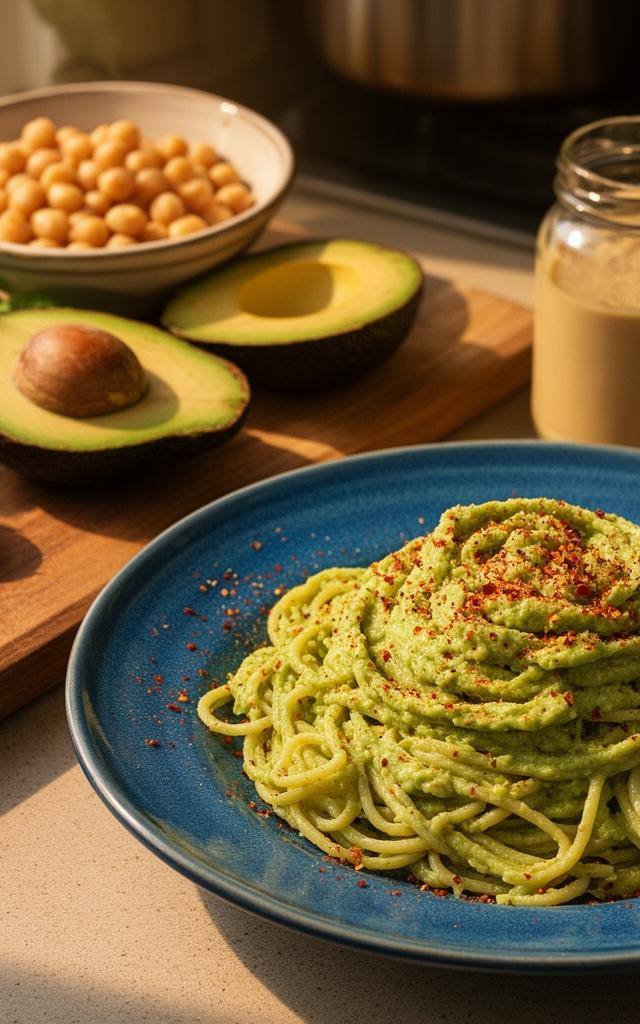
Plant Based Recipes Easy: 15-Minute Meals for Busy October 2026
Discover quick, delicious plant-based recipes easy enough for weeknights, backed by nutrition science and designed for busy schedules.
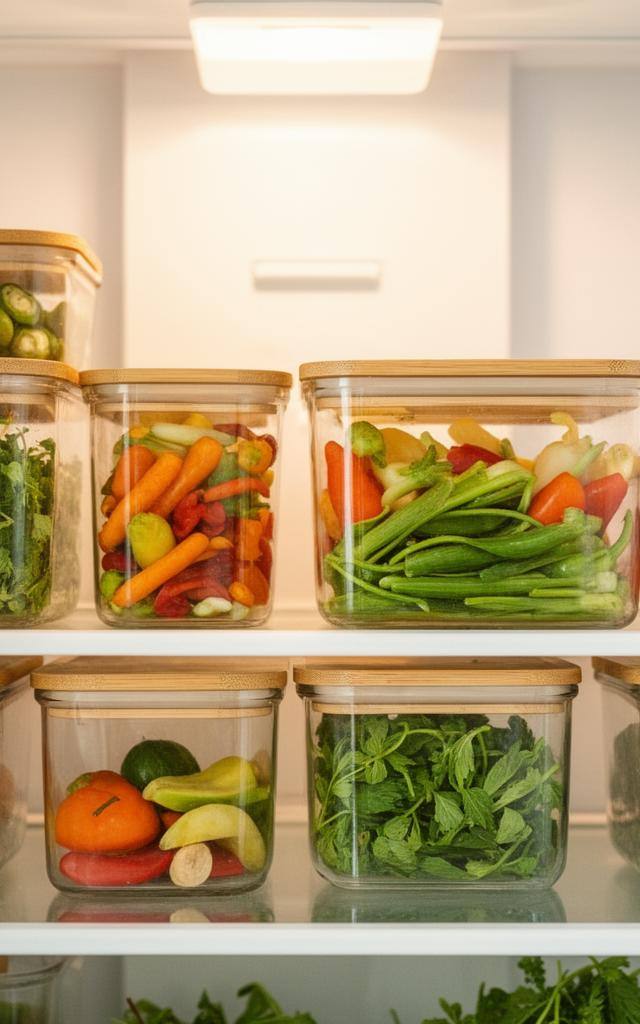
Vegan vs Vegetarian vs Plant-Based Guide: UK 2026
A practical UK-focused guide to vegan, vegetarian and plant-based diets in 2026, clarifying definitions, ethics, health and environmental impact.