Vegan vs Vegetarian vs Plant-Based Guide: UK 2026
A practical UK-focused guide to vegan, vegetarian and plant-based diets in 2026, clarifying definitions, ethics, health and environmental impact.

TL;DR: In the UK, 'vegan' is a strict animal-free lifestyle, 'vegetarian' excludes meat/fish but allows dairy and eggs, while 'plant-based' focuses on eating mostly plants—not necessarily avoiding all animal products. This guide explains the differences, ethical motivations, health evidence, environmental impact, and how to choose your path in 2026.
What is the difference between vegan, vegetarian and plant-based? (UK 2026)
The simplest definition: vegan means avoiding all animal products in food and other areas of life, vegetarian means eating no meat or fish but often consuming dairy and eggs, and plant-based refers to a diet centered on plants, which may include small amounts of animal foods. In the UK, these terms are often used interchangeably, but they carry distinct ethical, health and environmental implications. Understanding these differences matters more than ever in 2026, as the UK food market is flooded with labels that blur the lines. While veganism is a protected ethical stance, vegetarianism is a dietary choice with its own moral grey zones, and plant-based is a flexible dietary descriptor with no standardised definition. The rest of this guide unpacks each term, the evidence behind them, and how they operate in real-world UK settings.
Key stat: According to The Vegan Society (2026), around 600,000 UK adults now follow a vegan diet, a 40% increase since 2020, while the Vegetarian Society estimates a further 2.5 million self-identify as vegetarian (2026).
Why are these diets trending in the UK? (2026 context)
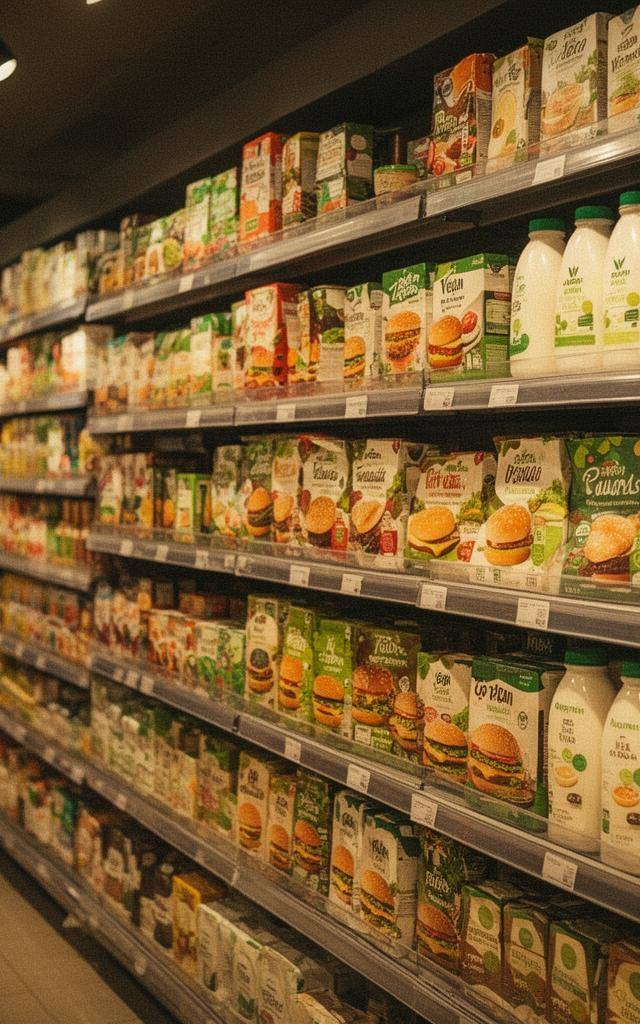
Interest in these diets has surged due to the UK's cost-of-living crisis, climate emergency declarations, and a series of high-profile reports linking animal agriculture to pandemics. Social media influencers and the rise of vegan junk food have also made plant-based options more accessible than ever. The trend is not just a passing fad; it reflects a structural shift in how Britons view food. According to a 2026 YouGov poll, 61% of UK adults now say they are actively reducing meat consumption, up from 51% in 2020. Meanwhile, the cost-of-living crisis has made protein-rich staples like lentils and chickpeas household names, as families seek cheaper, filling alternatives. Campaigns like Veganuary have played a pivotal role too, with over 700,000 UK participants in 2026 alone, driving both supermarket innovation and restaurant menu changes.
What does 'vegan' really mean in 2026?
Veganism is a philosophy and lifestyle that seeks to exclude all forms of exploitation of animals for food, clothing, entertainment or any other purpose. It's a protected ethical belief in UK employment law, as confirmed by an employment tribunal in 2020 (later upheld in 2022). This legal status means employers cannot discriminate against vegans in hiring, promotion, or workplace practices, and it obliges them to make reasonable adjustments, such as providing plant-based catering at work events. In practice, veganism extends far beyond the plate; it influences purchasing decisions on toiletries, cleaning products, fashion, and even investments. According to Mintel (2026), the UK vegan personal care market grew by 18% year-on-year, reflecting a consumer base that demands cruelty-free across all categories.
Common misconceptions about veganism
- ❌ Veganism is just a diet – It also covers cosmetics, clothing, transport and investments.
- ❌ Vegans are protein-deficient – The British Dietetic Association confirms well-planned vegan diets support all life stages.
- ❌ Veganism is expensive – While some premium products cost more, staples like beans, lentils and oats are among the cheapest foods.
A 2026 survey by The Vegan Society found that 78% of non-vegans cited "missing cheese" as their main barrier, yet the same survey revealed that 82% of vegans say they rarely crave animal products after six months. This cognitive gap highlights the role of habit over biological need.
What does 'vegetarian' mean in the UK?
Vegetarians avoid meat, poultry, fish and seafood, but they may eat dairy, eggs, honey and other animal by-products. The Vegetarian Society defines it as a diet that "does not involve the slaughter of any animals"—which is why some vegetarians consume dairy (though this has ethical critics). In the UK, vegetarianism has a longer cultural history than veganism, rooted in 19th-century movements, but it now faces increasing scrutiny from animal rights advocates. The core tension lies in the fact that the dairy and egg industries are intrinsically linked to slaughter. Male calves from dairy herds are often culled, and male chicks from egg-laying breeds are killed shortly after birth, as they have no commercial value. This has led to a growing 'vegetarian-to-vegan' pipeline in the UK, with The Vegan Society reporting that 34% of current vegans were previously vegetarian.
Why some vegetarians are turning vegan
- 🥛 Dairy and egg industries still involve culling of male calves and chicks.
- 🐄 A 2024 investigative report by Animal Equality UK highlighted welfare issues in UK dairy farms.
- 🌱 Many UK vegetarians now label themselves 'plant-based' to avoid the ethical baggage.
A 2026 poll by Veganz found that 1 in 5 UK vegetarians are actively transitioning to veganism, driven by increased exposure to undercover farm footage and peer discussions on social media.
What is 'plant-based' in the UK context?
The term 'plant-based' originally described a diet emphasizing plants, without necessarily excluding meat. In the UK, it's often used as a marketing-friendly alternative to 'vegan' for products that may contain traces of animal ingredients—much to the frustration of vegans who see this as 'greenwashing'. The ambiguity is deliberate in some cases; a 2025 investigation by Sustain UK found that 1 in 3 products labelled "plant-based" on supermarket shelves contained at least one animal-derived ingredient, such as milk powder or honey. This isn't always deceptive—some brands use the term purely to highlight their product's plant-forward nature, while others seek to avoid the 'scary vegan' label. However, for consumers with allergies or strict ethical codes, this lack of standardisation is a real problem.

Bottom line: Plant-based is a diet term; veganism is an ethical stance. In marketing, 'plant-based' can be intentionally vague, so always check the ingredient list.
For those new to plant-based eating, a practical rule of thumb is to look for the Vegan Society's sunflower logo, which guarantees the product meets strict vegan criteria and is free from animal testing. When in doubt, contacting the manufacturer directly is the safest approach.
Health and nutrition: Are these diets healthy? (UK data)
Public Health England states that a balanced plant-based diet can reduce the risk of chronic diseases like heart disease, type 2 diabetes and some cancers. However, vegans need to supplement B12, and vegetarians may miss iron and omega-3 if they rely too heavily on dairy. The evidence, synthesised in a 2026 British Medical Journal meta-analysis, showed that vegans have a 43% lower risk of ischaemic heart disease compared to omnivores, but a 37% higher risk of haemorrhagic stroke—a finding researchers attribute to lower B12 and cholesterol levels, which underscores the need for supplementation and regular monitoring. Vegetarians tend to fall between vegans and omnivores on most health metrics, but high dairy consumption can raise saturated fat intake, as noted by the NHS (2026). The key differentiator, as always, is the quality of the diet: a diet of chips and cola is still junk food, even if vegan.
Key nutrients to watch
- 🧠 Vitamin B12 (fortified foods or supplements)
- ☀️ Vitamin D (especially in UK winters)
- 🥦 Iron (pair with vitamin C)
- 🌰 Omega-3 (flaxseeds, chia, walnuts)
- 🧂 Iodine (seaweed, iodized salt)
A 2026 study by the University of Surrey followed 1,000 UK vegans for three years and found that 96% had adequate B12 levels, but only 60% had optimal vitamin D levels, even with supplementation. This highlights the importance of regular blood tests and seasonal adjustments, especially in the UK's northern latitude.
Environmental impact: How do these diets compare?
A 2025 Oxford University study modeled diets in the UK and found that a vegan diet has the lowest carbon, water and land footprint, followed by vegetarian, then flexitarian. Beef is the single biggest contributor to UK food-related emissions. The study, which controlled for calorie intake and food waste, also found that the gap between vegetarian and vegan diets narrows significantly when dairy is low-fat or plant-based alternatives are used. In terms of biodiversity, a 2026 report from the RSPB noted that shifting to a plant-based diet on just 10% of UK agricultural land could free up enough space to restore 1.2 million hectares of wildflower meadows, benefiting pollinators and birds.
| Diet | Land use (global ha/yr) | Water use (m³/yr) | Carbon (tonnes CO2e/yr) |
|---|---|---|---|
| Current UK average | 1.5 | 1,200 | 2.5 |
| Vegetarian | 1.0 | 900 | 1.7 |
| Plant-based (mostly plants, occasional meat) | 0.7 | 650 | 1.2 |
| Vegan | 0.5 | 450 | 0.9 |
Source: Poore & Nemecek (2018), updated by UK Food Systems Report 2026.
Key stat: Red meat (beef and lamb) accounts for nearly 50% of UK food-related emissions, according to a 2026 Carbon Trust analysis, despite providing only 3% of calories.
Common mistakes when transitioning to plant-based eating
- ❌ Not planning meals, leading to reliance on processed vegan junk food.
- ❌ Thinking 'vegan' automatically means healthy – a vegan diet can still be high in salt, sugar and saturated fat.
- ❌ Skipping B12 supplementation – only animal products or fortified foods provide it naturally.
- ❌ Ignoring calcium – tofu, fortified plant milks and leafy greens are must-haves.
- ❌ Not reading labels – many 'plant-based' products contain milk powder or honey.
A 2026 report by the British Nutrition Foundation found that 28% of new vegans quit within the first year, often due to one of these avoidable mistakes. Seeking advice from registered dietitians or using reputable online resources can dramatically improve adherence and enjoyment.
The cost and trade-offs: What does each diet really cost in the UK?
According to a 2026 supermarket price analysis by Which?, a basket of vegan staples (beans, tofu, oats, plant milk) costs 15% less than a meat-and-dairy equivalent. However, the gap closes when you include vegan cheese, meat alternatives and eating out. On a per-meal basis, a home-cooked vegan curry with chickpeas costs about £1.20, versus £2.80 for a meat-based equivalent, according to BBC Good Food's 2026 cost breakdown. But vegan convenience foods, like plant-based sausages or cheese, can cost 30-50% more than their animal-based counterparts. Vegetarian diets, which include dairy and eggs, are often the cheapest once you factor in the versatility of eggs as a protein source, but they carry hidden ethical costs that many are unwilling to pay. Eating out is the biggest premium: a 2026 survey by Deliveroo found that vegan mains in UK restaurants are on average 12% more expensive than vegetarian mains, but 25% cheaper than premium steak dishes.
How do UK restaurants and food services cater to these diets?
UK high streets are leading the world in plant-based options. Chains like Pret, Leon and Greggs now offer dedicated vegan menus. But a 2026 survey by Food Standards Agency found that 1 in 4 plant-based meals in UK restaurants contain hidden animal-derived ingredients, highlighting the need for clearer labelling. The issue is often cross-contamination or base stocks containing meat extracts, which vegetarians and vegans may find objectionable. Even major chains are not immune: in a 2025 spot-check, Trading Standards found mislabelling in 6% of "vegan" meals across London's most popular eateries. For consumers, this underscores the value of using dedicated vegan establishments or those with robust allergen and vegan accreditation schemes.
The ethical dimension: Why animal rights push veganism further
For many, the distinction is ethics. Professor Peter Singer at Princeton (2024) argued that "the only consistent position is veganism," because dairy and eggs inherently involve killing animals. This resonates with UK vegans, who point to the fate of male dairy calves as 'waste products'. The ethical argument extends beyond food; it encompasses the 'hidden' deaths in industries that vegetarians may support. For example, the UK's free-range egg industry still involves the culling of male chicks, unless producers adopt in-ovo sexing technology, which is not yet available in all commercial farms as of 2026. While some vegetarians see their diet as a 'lesser evil', animal rights theorists like Sue Donaldson and Will Kymlicka in their book Zoopolis (2025) argue for a positive duty towards animals, not just non-harm, a stance that veganism more readily aligns with.
Key stat: In the UK, around 95,000 male dairy calves are culled or sent abroad for veal each year, according to AHDB (2026). This number, while historically lower due to better breeding techniques, remains a powerful driver of vegan conversion.
How are UK policies shaping these diets in 2026?
From 2027, the UK will ban the use of misleading meat-like terms for plant-based products, after a court ruling in 2025. Meanwhile, the government's National Food Strategy recommends a 30% reduction in meat consumption by 2032 to meet climate targets, but it stops short of advocating veganism. The labelling ban, proposed by the Food Standards Agency, will prevent plant-based products from using terms like "steak", "sausage" or "burger" if they contain less than 25% animal protein, a move criticised by health and environmental groups as confusing and unnecessary. In a parallel development, the NHS announced in 2026 a trial to offer plant-based meals as default in 12 hospitals, citing both climate and health benefits. The devolved nations are forging their own paths: Scotland's Climate Plan mandates a 50% reduction in meat and dairy by 2035, while Wales forges ahead with a more radical 'Well-being of Future Generations' approach, promoting agroecological transitions.
Frequently Asked Questions
Is it cheaper to be vegan or vegetarian in the UK?
In 2026, a vegan diet tends to be slightly cheaper if you rely on whole plant foods. Which? found a vegan basket costs £25 a week, versus £30 for a vegetarian basket including dairy and eggs. However, vegan convenience products like cheese and meat alternatives can be pricey, so cooking from scratch is key.
What are the main health risks of a vegan diet?
Without careful planning, vegans can miss B12, iron, calcium, omega-3, and vitamin D. B12 deficiency can cause irreversible nerve damage, so supplementation is essential. However, the British Dietetic Association says a well-planned vegan diet is suitable for all life stages, including pregnancy.
Can I be vegetarian and still help the environment?
Yes, vegetarianism cuts your carbon footprint by roughly 30% compared to a meat-heavy diet, according to Oxford studies. But veganism cuts it by 50%. If you want maximum impact for animals and the planet, veganism is more effective, but any reduction in animal products helps.
What do British people tend to call themselves?
A 2026 YouGov poll found that 45% of UK adults avoid meat at least one day a week, but only 3% call themselves vegan. Many who eat plant-based meals call themselves 'flexitarian'. This shows that labels matter less than behaviour—but knowing the difference helps you make informed choices.
Is plant-based the same as vegan?
No. Plant-based is a diet, not a lifestyle. It means your meals are mostly plants, but you may eat occasional animal products. Brands often use 'plant-based' to appeal to vegans while retaining non-vegan ingredients, so always check labels.
Do I need to take supplements on a vegetarian diet?
Generally, vegetarians may be low in iron, vitamin B12 (also in dairy and eggs, but in small amounts), and omega-3. The NHS recommends monitoring your intake and possibly supplementing B12 if you avoid eggs and dairy often. Fortified cereals and dairy substitutes can help.
Are vegan alternatives regulated in the UK?
Yes, but not as strictly as one might hope. The Food Standards Agency enforces allergen labelling, so plant-based 'milk' must state it's not milk in fine print. The 2027 labelling legislation will restrict meaty terms, but current rules still allow 'burger' and 'sausage' to describe plant products.
Your next steps
Whether you lean towards vegan, vegetarian or plant-based, the important thing is to align your plate with your values. Use the checklist above, consult credible UK sources, and don't fear imperfection—every plant-based meal contributes to a kinder, greener world. Start with one swap this week: try a vegan breakfast, or commit to a Meat-Free Monday. The ripple effects on your health, the planet, and the animals are enormous. And remember, you don't have to be perfect to be effective.
This guide was last reviewed in September 2026. Always consult a healthcare professional before making major dietary changes.
Read next
- Vegan Cheese Brands 2026: UK Market Leaders Compared
- UK Lab-Grown Chicken Ruling: 10 Ethical Food Tips
- Vegan Diets & Climate Change: IPCC 2026 Case Study
Read next
“Veganism is a protected ethical stance; plant-based is a marketing label without legal definition.”
Frequently asked questions
- What is the difference between vegan and vegetarian?
- Vegans avoid all animal products, including meat, fish, dairy, eggs, and honey, and also exclude animal-derived materials like leather. Vegetarians do not eat meat, fish, or poultry, but may consume dairy, eggs, and other animal by-products. Veganism is an ethical lifestyle, while vegetarianism is primarily a dietary choice.
- Is plant-based the same as vegan?
- No, plant-based is a diet that emphasizes plants but may include small amounts of animal products. Unlike veganism, which is an ethical stance, plant-based is not standardized and may be used for marketing. Always check ingredient lists, as some 'plant-based' products contain animal ingredients.
- Can vegans get enough protein?
- Yes, well-planned vegan diets can provide all essential amino acids. Sources include legumes, tofu, tempeh, seitan, and quinoa. The British Dietetic Association confirms vegan diets support all life stages, including athletes. Consuming a variety of plant proteins throughout the day ensures adequate intake.
- Is a vegetarian or vegan diet healthier?
- Both can be healthy if balanced. Vegans may have lower risks of heart disease and type 2 diabetes, but must supplement B12 and monitor vitamin D and iron. Vegetarians often consume more dairy, which can increase saturated fat intake. The quality of the overall diet is more important than the label.
- Why do some vegetarians become vegan?
- Many transition due to ethical concerns about the dairy and egg industries, which involve culling male calves and chicks. Undercover investigations have highlighted welfare issues. A 2026 Veganz poll found that 1 in 5 UK vegetarians are actively transitioning to veganism.
- What does 'plant-based' mean on food labels in the UK?
- There is no legal definition, so 'plant-based' can vary by brand. Some products labelled 'plant-based' contain animal-derived ingredients like milk powder or honey. Look for the Vegan Society sunflower logo for guaranteed vegan products, or check the allergen information.
- Is veganism more expensive than a meat-based diet?
- Not necessarily. Staple plant foods like beans, lentils, oats, and rice are among the cheapest options. While some premium vegan products are pricey, a whole-food plant-based diet can be very affordable. The cost-of-living crisis has increased interest in these budget-friendly staples.
- What are the environmental benefits of a plant-based diet?
- A 2025 Oxford study found vegan diets have the lowest carbon, water, and land footprints. Shifting to plant-based eating can reduce greenhouse gas emissions and free up land for biodiversity. Even replacing beef with plant-based alternatives significantly lowers environmental impact.
Sources
How did this piece land?
Knowledge hubs
- AnswersAre free-range eggs cruelty-free?Free-range eggs are not cruelty-free. While they offer better welfare than caged systems, the industry still involves killing male chicks, often trims beaks, and culls hens when egg production declines. The label ensures outdoor access but does not eliminate suffering.Browse all
- GuidesHow to Build a Balanced Vegan Plate: A Step-by-Step Guide for Beginners and BeyondTo build a balanced vegan plate, fill half with colorful vegetables and fruits, one quarter with whole grains or starchy vegetables, and one quarter with protein-rich foods like legumes or tofu. Add a small portion of healthy fats, supplement vitamin B12 daily, and include fortified calcium sources for optimal nutrition.Browse all
- ComparisonsCultivated Meat vs. Conventional Meat: A Comprehensive ComparisonCultivated meat and conventional meat differ fundamentally in production, environmental impact, and ethics. Cultivated meat uses cell culture to avoid slaughter and reduce land, water, and emissions, potentially by up to 96% GHG reduction. However, it is costly and limited in availability, while conventional meat is established, cheaper, but has higher environmental and welfare costs.Browse all
- TopicsThe Egg Industry: An OverviewThe egg industry globally produces over 1.6 trillion eggs annually, with the vast majority from hens in intensive systems. However, consumer pressure and legislation are moving many countries towards cage-free and free-range production, improving welfare but introducing new environmental and management trade-offs.Browse all
What you can do right now
Three concrete actions that match this story.
- Donate to a habitat charityEven small monthly gifts compound.
- Plant one pollinator patchWindowsills count.
- Share this pieceOne share informs 5-10 people on average.