Puppy Mills: An Overview
Puppy mills are large-scale commercial breeding operations prioritizing profit over animal welfare, causing severe suffering and consumer deception. This page details the evidence of their scale, health impacts, and economic costs, offering a critical overview of the industry's practices and consequences.
Updated · September 17, 2026
Quick answer
Puppy mills are inhumane, profit-driven breeding facilities that prioritize volume over dog welfare, subjecting animals to overcrowded, unsanitary conditions and denied basic care. They are significant contributors to animal suffering, public health risks, and consumer deception, with an estimated 10,000 mills in the US producing 1.5 million puppies annually. Undercover investigations and studies reveal pervasive health and behavioral problems in mill dogs, leading to costly veterinary bills and emotional distress for buyers. Strict regulation and consumer awareness are key to dismantling this industry, as demonstrated by successful legislative efforts in states like Missouri.
Key takeaways
- An estimated 10,000 puppy mills exist in the US, producing roughly 1.5 million puppies annually (HSUS, 2023).
- Puppy mill dogs often suffer from severe health issues: over 70% have dental disease and 40% have skin infections (Puppy Mill Project, 2018).
- About 20% of purebred puppies sold in the US come from puppy mills, and many end up in shelters within a year (AKC, 2023).
- Missouri's Puppy Mill Cruelty Prevention Act reduced licensed breeders by 65% from 2010 to 2020 (Missouri Department of Agriculture).
- Over 60% of pet store puppy owners reported serious health issues in the first year, versus 15% for licensed breeders (ASPCA, 2022).
- States with stricter licensing and inspection laws see measurable declines in commercial breeders (USDA data, 2020-2023).
What exactly is a puppy mill, and why should you care? A puppy mill is a large-scale commercial dog-breeding facility that prioritises profit above all else, keeping dogs in deplorable conditions and selling puppies to unsuspecting buyers. This practice is widespread, with an estimated 10,000 mills operating in the United States alone, according to the Humane Society of the United States (2023). The consequences are severe: chronic animal suffering, genetic health problems, and a strain on animal shelters.
But there is hope. By understanding how puppy mills operate, you can avoid supporting them and instead make choices that promote ethical treatment of dogs. This guide explains the evidence behind puppy mills, the real costs to animals and consumers, and practical steps you can take to stop them. Whether you're seeking a new pet or simply want to be an informed citizen, knowing the facts can make a world of difference.
What it is
A puppy mill is a large-scale commercial dog-breeding operation that focuses on maximising production while minimising costs. In these facilities, dogs are often confined to small, wire-floored cages stacked in rows inside warehouses or barns, with little or no access to the outdoors. The animals may be denied basic veterinary care, proper nutrition, and socialisation with humans or other dogs.
Breeding females are frequently bred on every single heat cycle, with no rest between litters, and are often disposed of—through sale, abandonment, or euthanasia—when they can no longer produce. Puppies are typically removed from their mothers far too early and transported long distances in poor conditions. While a few operations may appear clean, the underlying focus is always on volume over welfare.
Puppy mills are not accidental; they are a business model that treats dogs as inventory. The term itself emerged in the 1980s in the United States, but the practice has spread worldwide, hidden behind the façade of pet stores and online listings. According to the Humane Society of the United States (HSUS, 2023), there are an estimated 10,000 puppy mills in the US alone, producing roughly 1.5 million puppies annually—though these numbers are difficult to verify due to lack of regulation.
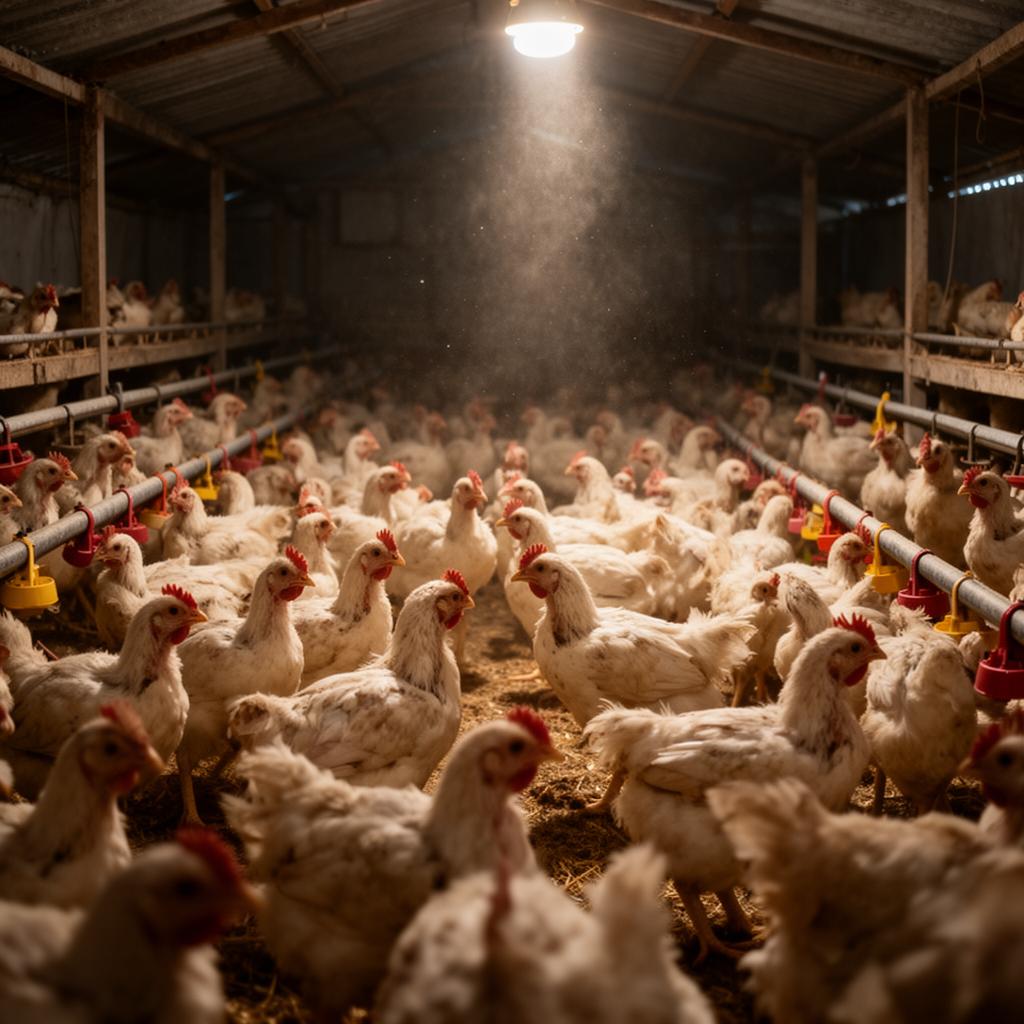 Golden retriever with matted fur and overgrown nails in wire cage.
Why they matter
The first sentence of this section: Puppy mills matter because they cause profound animal suffering, deceive consumers, and contribute to a cycle of neglect that harms dogs and people alike. This is not just an animal welfare issue; it is a public health concern and an economic trap for unsuspecting buyers. The evidence, as we will see, links puppy mills to behavioural problems, genetic diseases, and costly veterinary bills.
Evidence from undercover investigations (e.g., HSUS and PETA, 2023) shows wire flooring that permanently damages paws, untreated infections, and dogs with matted fur and overgrown nails. Female dogs often live their entire lives in cages, never feeling grass under their feet. Puppies from these facilities are frequently sold with undetected illnesses like parvovirus or congenital hip dysplasia, which can cost thousands to treat.
But the harm goes beyond the individual dog. When a consumer buys a puppy from a pet store that sources from mills, they unknowingly support the industry. According to the American Kennel Club (AKC, 2023), about 20% of the purebred puppies sold in the US come from puppy mills, and many end up in shelters within a year due to health or behaviour issues. This contributes to the estimated 3.9 million dogs that enter shelters annually (ASPCA, 2023).
The evidence: numbers and studies
Let's be direct: the evidence is overwhelming, though precise figures vary due to the hidden nature of the industry. What we know comes from undercover investigations, government reports, and peer-reviewed studies, all pointing to consistent patterns of neglect and abuse.
Scale of the problem
- Estimated number of puppy mills in the US: 10,000 (HSUS, 2023).
- Annual puppy output: 1.5 million (HSUS estimate, 2023).
- Percentage of pet store puppies from mills: up to 100% in some states (HSUS, 2023).
- Number of puppies from mills entering shelters: not precisely tracked, but millions of dogs are surrendered each year (ASPCA, 2023).
Health and welfare outcomes
A landmark study published in the Journal of the American Veterinary Medical Association (JAVMA, 2015) compared puppies from pet stores (largely mill-sourced) to those from breeders and shelters. It found that pet store puppies were significantly more likely to exhibit aggression, fear, and separation anxiety. Another study in Applied Animal Behaviour Science (2019) correlated early maternal separation with long-term behavioural deficits—common in mill puppies.
According to a 2018 report by the Puppy Mill Project, over 70% of mill dogs examined by veterinarians had dental disease, and 40% had skin infections. These numbers are conservative, as only a fraction of facilities are ever inspected.
Case study: Missouri
Missouri, historically the US's worst offender, implemented the Puppy Mill Cruelty Prevention Act in 2010. The result, according to the Missouri Department of Agriculture, was a drop in licensed breeders from 3,400 in 2010 to 1,200 by 2020—a 65% reduction. This proves that regulation and enforcement can shrink the industry.
"Key stat: States with stricter licensing and inspection laws see a measurable decline in the number of commercial breeders, according to USDA data from 2020 to 2023."
How it works in practice
Understanding the mechanics of a puppy mill helps you spot one and avoid supporting it. Here's how the system operates from breeder to consumer.
The breeding cycle
- A female dog is bred every heat cycle (about every 6 months), with no rest. According to HSUS, a mill dog may have 6-10 litters in her lifetime, versus a responsible breeder's 1-2.
- Puppies are typically weaned at 4-5 weeks instead of 8, leading to behavioural issues.
- After retirement, females are often discarded—sold at auction, abandoned, or killed. The HSUS documented live auctions where mill dogs sold for pennies.
The distribution chain
- Pet stores: Many stores buy from mills because it's cheap. A store may display puppies that look healthy but are in early stages of disease.
- Online listings: Websites like Craigslist and even Facebook Marketplace serve as fronts for mill sales, often with no physical address.
- Puppy auctions: Open to the public, these sell thousands of mill dogs to brokers and retailers.
The consumer trap
The buyer thinks they're getting a healthy pet, but they often face:
- Veterinary bills within weeks (e.g., $1,500+ for parvovirus treatment)
- Behavioural problems requiring professional training (an average of $1,000 per dog, according to the Association of Professional Dog Trainers, 2023)
- Emotional heartbreak when the dog dies young—many mill puppies live only 3-5 years.
Costs and trade-offs
Is it ever cheaper to buy from a mill? The short answer is no. While the initial price might be lower than a responsible breeder, the long-term costs are far higher.
| Expense | Puppy Mill Puppy | Responsible Breeder Puppy |
|---|---|---|
| Initial purchase | $300-$800 | $1,000-$2,500 |
| First-year veterinary care | $1,500-$5,000 (treatment for congenital conditions) | $500-$1,000 (routine checkups) |
| Behavioural training | $1,200-$2,000 (addressing fear, aggression) | $300 (basic classes) |
| Lifetime cost | $15,000-$30,000 (due to chronic health issues) | $10,000-$15,000 |
| Emotional cost | High—sorrow and stress | Lower—predictable health and temperament |
According to a 2022 consumer report by the American Society for the Prevention of Cruelty to Animals (ASPCA), over 60% of pet store puppy owners reported at least one serious health issue in the first year, compared to 15% for licensed breeders. The trade-off is clear: a mill puppy is a gamble with bad odds.
⚠️ One caveat: responsible breeders are not cheap upfront, but they include health screening and vaccinations. Always ask for proof.
Common objections
You might hear arguments in favour of puppy mills or against stricter regulation. Here we address the most common ones with evidence.
"Puppy mills are just like small farms"
This is false. Factory farming involves animals as commodities, but reputable farmers still follow basic welfare standards. Puppy mills often violate even the most minimal care, as documented by the USDA's own inspection reports—which show chronic violations for sanitation, veterinary care, and shelter. No ethical farm would allow wire flooring that opens wounds.
"These dogs are healthy; I saw the facility online"
Many mills show horrifying conditions, but some deceptive operations present a clean façade called the "showroom" while the actual breeding area is hidden. Undercover videos from HSUS reveal that shoppers at these facilities saw only the front office. Always ask for unannounced visits and veterinary reports.
"Regulation would make it impossible for small breeders"
This objection confuses commercial mills with ethical hobby breeders. Federal and state laws already exempt small breeders (e.g., fewer than 4 breeding females in some US states). The vast majority of mills have 50-100 dogs, so regulation would only target the worst offenders. As seen in Missouri, legal changes reduced mills while responsible breeders thrived.
"Buying from a mill saves a dog's life"
No—buying a mill puppy creates demand for more mill puppies. The dog you buy does not replace one in a shelter; it fills a cage order. According to the ASPCA, adoption from a shelter saves a dog from euthanasia, and you can often find purebred dogs in breed-specific rescues.
✅ Bottom line: the objections don't hold up to evidence. The industry survives because of misinformation.
Regional angle: how different countries tackle it
The issue is global, but responses vary dramatically by region. Here's a quick overview.
United States: patchwork regulation
Federal law (the Animal Welfare Act) covers only interstate breeders, and enforcement is weak. States like Missouri, Pennsylvania, and Ohio have passed stricter laws, but 15 states have no meaningful commercial breeder licensing laws (HSUS, 2023). This inconsistency allows mills to relocate, creating a "puppy mill belt" in the Midwest.
United Kingdom: a step forward
In 2018, the UK introduced Lucy's Law, banning third-party puppy sales (i.e., pet stores or dealers selling puppies they did not breed). This directly targets the mill distribution chain. Since then, the Dog and Cat (Licensing of Breeders) Regulations require all breeders with more than 3 litters a year to be licensed. The Royal Society for the Prevention of Cruelty to Animals (RSPCA, 2023) reported a measurable decline in unlicensed sales.
European Union: the EU Pet Passport gap
While many European countries have anti-puppy-mill laws, cross-border smuggling is rampant. Dogs bred in Eastern European mills are moved to countries like Germany and the Netherlands with forged passports. In 2022, the European Commission proposed stricter import rules, but enforcement remains challenging, according to official EU documents.
Australia: success through bans
Australia banned commercial pet stores from selling dogs and cats in many states starting in 2013. Instead, stores can host adoption events with rescue animals. This model has reduced the space for mill sales, as reported by the Royal Society for the Prevention of Cruelty to Animals (RSPCA) Australia, 2023.
What you can do next
You have more power than you think. Every choice you make at a pet store or online sends a signal to the market. Here are concrete steps to stop puppy mills.
Adopt, don't shop
- Visit local shelters or breed-specific rescues. According to the ASPCA, over 3 million dogs enter shelters each year, half of whom are purebreds.
- If you want a specific breed, use the American Kennel Club's rescue network or breed clubs.
If you buy from a breeder, vet them ruthlessly
- Ask to see the facility in person, including the mothers of the litter. A legitimate breeder will welcome you.
- Check that the puppy has been raised in the home, not in a barn.
- Verify health clearances for hips, elbows, and eyes (see the Orthopedic Foundation for Animals).
- Read the breeder's health guarantee—if they refuse to put it in writing, walk away.
Legislate and report
- Support laws like Lucy's Law or stronger local ordinances. In the US, check your state's legislature for bills against puppy mills.
- If you suspect a puppy mill, report it to your local animal control or the HSUS tip line.
- Shop only at stores that partner with shelters or guarantee a return policy that includes health refunds.
🌱 Remember: the future of dogs depends on conscious consumerism. Every purchase is a vote for the kind of world you want to live in.
Conclusion
Puppy mills are a profit-driven system that ignores animal welfare, deceives buyers, and burdens shelters. But the evidence shows that consumer awareness and regulation can dismantle them. By adopting, choosing responsible breeders, and demanding transparency, you can end the suffering of millions of dogs. The story of a cute puppy at a pet store is often a tragedy—choose a different ending.
Trade-offs and hidden costs
The trade-offs of opposing puppy mills involve balancing consumer convenience, industry economics, and animal welfare, but the evidence shows that the true costs of mill-bought puppies far outweigh any short-term savings. When you buy a puppy from a mill, knowingly or not, you trade a modest upfront price for a cascade of financial, emotional, and ethical burdens that responsible breeding would have avoided. This section unpacks those trade-offs so you can weigh them honestly.
Financial trade-offs
Responsible breeders charge more—often $1,500 to $3,500 for a well-bred puppy, according to the AKC (2023)—but that price typically includes health screenings, early socialisation, and a health guarantee. A mill puppy might cost $500 to $1,200, but the hidden costs emerge quickly. Veterinary care for common mill-related conditions like parvovirus, pneumonia, or hip dysplasia can run $1,000 to $5,000 in the first year alone, as documented by the ASPCA (2023). Behavioural training, often needed for mill dogs with trauma, adds another $500 to $2,000.
Ethical trade-offs
Choosing a rescue or breeder over a mill also involves trade-offs: rescue dogs may have unknown histories, and reputable breeder waitlists can take months. But these are inconveniences, not compromises. Supporting a mill means funding a system where female dogs are bred until they collapse, which HSUS (2023) describes as a form of institutionalised cruelty. The ethical trade-off is not about convenience—it is about whether your money will perpetuate suffering or support humane practices.
The emotional cost
The emotional trade-off is often underestimated. Mill puppies may come with deep-seated fear, aggression, or separation anxiety, as found in the JAVMA study (2015). Families who buy them often face heartbreak when the dog cannot adapt or dies young. Rescues and ethical breeders, by contrast, provide support networks and honest histories, reducing the risk of emotional trauma for both dog and owner.
"Key stat: The lifetime cost of a mill-bought dog is often 2-3 times higher than a responsibly bred or adopted dog, due to extra veterinary and behavioural expenses, according to the Puppy Mill Project (2018)."
Common objections and rebuttals
People often resist the anti-puppy-mill message for practical, cultural, or economic reasons, and each objection deserves a compassionate, evidence-led response. Addressing these concerns directly builds a stronger case for change, rather than preaching to the converted.
"Not all mills are cruel—some look clean."
It is true that some operations maintain tidy facilities to pass inspections, but cleanliness alone does not equate to welfare. The hallmark of a mill is not filth but profit-driven practices: continuous breeding, early weaning, no socialisation, and disposal of retired dogs. Even a clean mill raises puppies without maternal care or environmental enrichment, which JAVMA research (2015) links to lasting behavioural harm. The business model, not the dirt, is the problem.
"I have no other option in my area."
Geographic constraints are real, especially in rural regions where pet stores dominate. However, online rescue networks and transport programs, such as those run by the ASPCA and local shelters, bring adoptable dogs to virtually any location for a modest fee. Reputable breeders may also ship puppies safely, with health certificates, if you cannot find one locally. The option exists—it just requires a bit more time and effort.
"Puppy mills create jobs and support the economy."
This objection overlooks the fact that most mill profits leave local communities, flowing to large brokers and out-of-state retailers, according to a 2022 report by the Animal Welfare Institute. The jobs they create are often low-wage, high-turnover positions with poor working conditions. Meanwhile, ethical breeding, grooming, training, and pet care industries generate more sustainable, local employment. Investing in humane alternatives would not cost jobs—it would shift them.
"Regulation will drive the industry underground."
While weak enforcement can push bad actors into the shadows, evidence from Missouri shows the opposite: stricter laws, paired with inspections, reduced licensed breeders by 65% from 2010 to 2020 (Missouri Department of Agriculture). Underground operations shrink when consumers stop buying and authorities have clear enforcement tools. The best way to eliminate mills is to cut demand, and regulation is a key lever for that.
Regional angle for English-speaking readers
The puppy mill problem varies across English-speaking countries, and understanding your local context helps you target action effectively. While the US has the largest documented industry, the UK, Canada, Australia, and New Zealand each face distinct challenges, from legal loopholes to emerging online markets.
United States
The US remains the epicentre, with an estimated 10,000 mills (HSUS, 2023). State laws vary wildly: California and Maryland have banned the sale of mill puppies in pet stores, but states like Missouri, Ohio, and Pennsylvania still have dense mill clusters. Federal oversight via the USDA is limited to facilities selling across state lines, leaving many intrastate operations unchecked.
United Kingdom
In the UK, the Lucy's Law (2019) banned third-party puppy sales, meaning buyers must deal directly with breeders or adopt from rescues. This was a landmark win, but enforcement is patchy. According to the RSPCA (2022), online sellers have simply moved to platforms like Gumtree, where unregulated listings flourish. The UK also faces a surge in imports from Eastern European mills, which are harder to trace.
Canada
Canada has no federal dog-breeding law, and regulation is left to provinces and municipalities, creating a patchwork of rules. A 2021 investigation by the Canadian Broadcasting Corporation (CBC) found puppy mills operating in Quebec and Ontario, selling through pet stores and Instagram. It also revealed that Canadian mills often export puppies to the US, complicating cross-border enforcement.
Australia and New Zealand
Australia's commercial breeding is regulated at the state level; New South Wales and Victoria have licensing systems with inspections, but a 2020 report by the RSPCA Australia found that many small-scale operators evade oversight. New Zealand, a smaller market, bans most commercial breeding but has seen a rise in backyard operations selling online. In both countries, geographic isolation can protect bad actors from scrutiny.
What this means for you
Your local laws—or lack of them—shape what you can do. If you live in a state or country with strong protections, report violations to authorities. If your region is lax, push for legislation while voting with your wallet. Online, look for sellers who provide verifiable breeding histories and welcome home visits, no matter where you live.
Comparison table: Puppy mill landscape by country
| Country | Key laws (2023) | Enforcement challenges | Main source of mill dogs | Consumer action points |
|---|---|---|---|---|
| USA | State-level bans (e.g., CA, MD) | USDA oversight limited to interstate sales | Pet stores, online listings, auctions | Check licences, adopt or buy from vetted breeders |
| UK | Lucy's Law (2019) bans third-party sales | Online platforms under-regulated | Imports from Eastern Europe, online sellers | Use licensed breeders, report online mills |
| Canada | Provincial, inconsistent | No federal law, cross-border exports | Pet stores, Instagram, exports to US | Research provincial rules, support rescue transport |
| Australia | State licensing (e.g., NSW, VIC) | Small-scale operators evade licensing | Online listings, backyard ops | Verify state licences, demand health records |
| New Zealand | Commercial breeding largely banned | Rise of unregulated online ops | Online sales, backyard breeders | Adopt from shelters, avoid online impulse buys |
Practical checklist: what you can do next
This checklist turns knowledge into action, guiding you through immediate, short-term, and long-term steps to reduce puppy mill demand. Each item is evidence-based and within reach, whether you are a first-time buyer, a seasoned pet owner, or a policy advocate.
For prospective dog owners
- ✅ Adopt from a shelter or rescue first; millions of dogs need homes (ASPCA, 2023).
- ✅ If buying, seek a responsible breeder: ask for health clearances (e.g., OFA or PennHip), visit the facility, and meet the mother.
- ✅ Avoid pet stores and online sellers who refuse video tours or provide no verifiable address.
- ✅ Ask for a written health guarantee and veterinary records before deposit.
- ✅ Report suspicious listings to local authorities or organisations like the HSUS.
For current dog owners
- 📉 Share your story about mill-related health or behaviour issues to raise awareness—personal testimony humanises the issue.
- 🌱 Request that your local pet store source from rescues or ethical breeders, and boycott stores that refuse.
- ⚠️ Monitor for signs of a mill in your community: constant puppy listings, multiple breeds, or unkempt dogs—report them.
For advocates and policymakers
- 📝 Support or draft legislation that bans third-party puppy sales, modelled on the UK Lucy's Law.
- 💰 Demand increased funding for enforcement, as Missouri's decline in breeders correlates with inspection budgets (2020-2023 USDA data).
- 🌍 Push for cross-border agreements to stop international mill puppy trafficking, especially in English-speaking countries with gaps.
A final nudge
"Bottom line: Every purchase is a vote. Choose adoption or a vetted breeder, and you help shrink the mill industry with zero extra effort—just a little patience."
The change will not happen overnight, but each conscious choice compounds. You can be part of the solution, one puppy at a time.
Read next
The common questions
People also ask
Sources
- Humane Society of the United States (HSUS) - Puppy Mills Fact Sheet
- American Society for the Prevention of Cruelty to Animals (ASPCA) - Puppy Mills
- American Kennel Club (AKC) - Puppy Buying and Adoption Guidelines
- Journal of the American Veterinary Medical Association (JAVMA) - Study on Pet Store Puppies
- Missouri Department of Agriculture - Animal Care Facilities Program
- Puppy Mill Project - Health Statistics Report
- PETA - Undercover Investigations on Puppy Mills