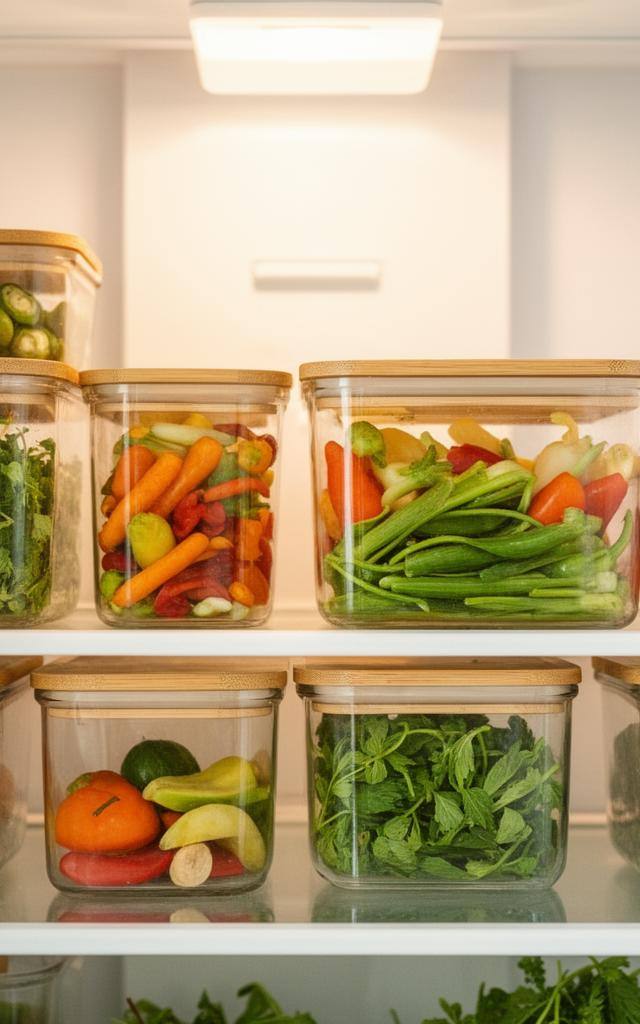
Whole-Food Plant-Based vs. Vegan: Understanding the Nuances for Health and Ethics
Whole-food plant-based (WFPB) and vegan diets both exclude animal products, but WFPB prioritizes health through unprocessed foods, while veganism is an ethical stance against animal exploitation. The page explores their differences in philosophy, nutrition, cost, and environmental impact.
Updated · September 7, 2026
Quick answer
A whole-food plant-based diet focuses on eating unprocessed plant foods for health, while veganism is an ethical lifestyle avoiding all animal products, including in clothing and other goods. Both exclude meat, dairy, eggs, and honey, but WFPB also avoids refined oils, sugars, and processed vegan foods, making it nutritionally superior but more restrictive.
Key takeaways
- Both WFPB and vegan diets exclude all animal products, but WFPB emphasizes unprocessed plant foods.
- Veganism is an ethical philosophy against animal exploitation, extending beyond diet to clothing and other products.
- A WFPB diet eliminates refined oils, sugars, and processed vegan foods, making it nutritionally superior for most health markers.
- WFPB diets are typically 30-50% cheaper per serving than vegan diets reliant on processed alternatives.
- Both diets require attention to vitamin B12, omega-3s, iron, and zinc to avoid deficiencies.
- Choosing either diet reduces environmental impact, as animal agriculture accounts for 14.5% of global greenhouse gas emissions.
The core question—'What's the difference between a whole-food plant-based diet and veganism?'—has a simple answer: veganism is an ethical philosophy that excludes all animal exploitation, while a whole-food plant-based diet is a health-focused eating pattern centred on unprocessed plant foods. They overlap in the foods they avoid, but diverge in motivation, scope, and dietary quality. A vegan might eat vegan chocolate cake and plant-based sausages; a WFPB eater focuses on beans, grains, fruits, and vegetables, even if that means avoiding oils and refined flours.
In practice, many people blend the two, but understanding the nuance helps you choose based on your goals. This guide unpacks the evidence on health outcomes, environmental impact, and animal welfare, along with practical considerations like cost and availability. Whether you're exploring for personal wellness or ethical concerns, you'll find clear, compassionate guidance to make an informed choice.
We'll also address common myths, regional variations, and how to transition smoothly. By the end, you'll see that any step toward more plant-based eating is a positive one—for your body, the animals, and the planet. Let's dive in.
How they compare
While both whole-food plant-based and vegan diets share the common ground of excluding animal products, their motivations and dietary applications diverge significantly. Veganism is an ethical stance against animal exploitation that extends beyond food, while a whole-food plant-based diet is a nutritional approach prioritising health through unprocessed plant foods. The key distinction is that veganism is a philosophy with dietary implications, whereas WFPB is a dietary pattern with potential ethical side effects.
Core Philosophy
The defining difference lies in their foundational principles. Veganism is rooted in animal rights and ethics, aiming to minimise harm to animals. This ethical framework guides choices not just in diet but also in clothing, entertainment, and other consumer goods. A vegan might consume a highly processed vegan burger and fries, as long as no animal ingredients were used. A whole-food plant-based diet, on the other hand, is driven by human health. Proponents aim to prevent and reverse chronic diseases by consuming nutrient-dense, fibre-rich, unprocessed foods. This approach would favour homemade lentil burgers and baked sweet potato fries over their processed counterparts.
Dietary Focus
Both diets exclude all animal products: meat, poultry, fish, dairy, eggs, and honey. However, a WFPB diet goes further by also eliminating or severely limiting refined and processed plant-based ingredients. This includes refined sugars, oils (even plant-based ones like olive or coconut oil), white flour, and heavily processed vegan convenience foods. The emphasis is on foods as close to their natural state as possible. For instance, while a vegan might eat a plant-based sausage made from soy protein isolate and oil, a WFPB eater would opt for a black bean burger made from whole beans and vegetables.
Lifestyle Implications
Veganism extends to all aspects of life, meaning a vegan avoids leather shoes, wool sweaters, animal-tested cosmetics, and zoos. This comprehensive ethical commitment shapes a wide array of consumer choices. A person following a WFPB diet, if not also vegan, might not apply these ethical considerations to their non-food purchases. Their focus remains primarily on the nutritional content of their food. It's common for individuals to be both vegan and whole-food plant-based, thereby combining the ethical and health motivations.
Climate and land
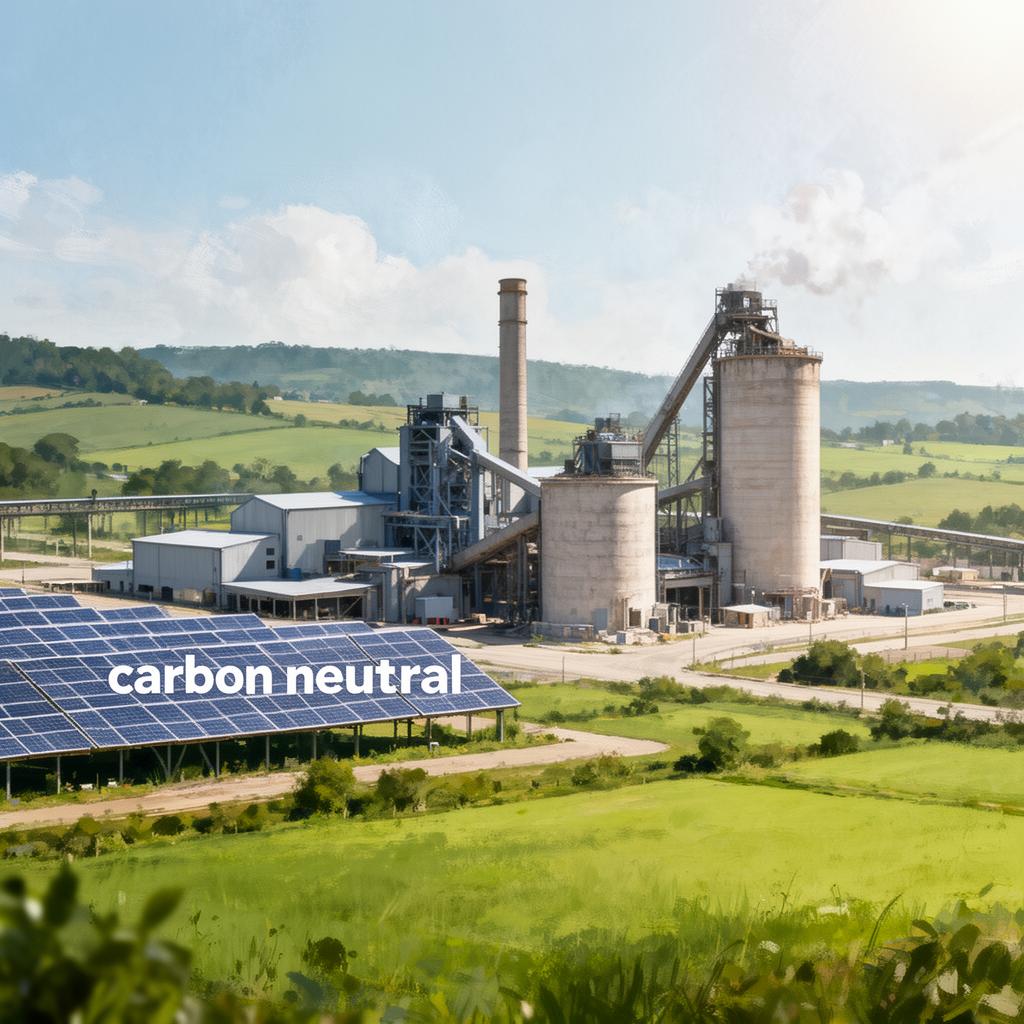
Both whole-food plant-based and vegan diets contribute significantly to reducing environmental impact compared to omnivorous diets, primarily due to the exclusion of animal agriculture. Livestock farming is a major contributor to greenhouse gas emissions, land use, and water pollution. According to the Food and Agriculture Organization (FAO, 2023), the livestock sector accounts for approximately 14.5% of global anthropogenic greenhouse gas emissions, a figure that dwarfs the emissions from plant-based food production.
Choosing either a vegan or a WFPB diet drastically reduces an individual's carbon footprint. The production of plant-based foods generally requires fewer natural resources than animal products. For example, beef production has a significantly higher environmental impact across almost all metrics compared to legumes or vegetables. Research published in Science (2018) found that even the lowest-impact animal products typically exceed the environmental footprint of plant-based staples like beans or peas. The subtle difference arises if a vegan diet relies heavily on processed foods that require more energy and resources for manufacturing and packaging compared to the simple preparation of whole plant foods. However, the overarching benefit comes from avoiding animal products.
 Processed vegan meal vs. whole-food plant-based meal
Animal welfare
Both diets inherently support animal welfare by abstaining from all animal products. This means no animals are directly exploited for food in either dietary pattern. This alignment is a key reason many individuals transition to plant-based eating. The ethical considerations of veganism are precisely about this avoidance of animal exploitation, making animal welfare central to the philosophy. A WFPB diet, by its nature of excluding animal products, also indirectly supports animal welfare, even if the primary motivation is health.
The distinction matters in practice: a vegan may still purchase leather shoes or attend animal circuses, though most avoid these due to ethical consistency. A WFPB eater, unless also vegan, might not consider whether their cotton shirt or rubber boots involve animal-derived glues. However, both diets reduce the demand for factory farming, which is the largest source of animal suffering globally. According to the Humane Society International (2022), the vast majority of farmed animals are raised in intensive confinement systems, so any shift toward plant-based eating reduces suffering at scale.
Nutrition
A well-planned vegan diet can be nutritionally adequate and provide health benefits, as stated by major health organisations. However, a whole-food plant-based diet is often lauded for its optimal nutritional profile due to its emphasis on nutrient-dense, unprocessed foods. WFPB diets are typically high in fibre, vitamins, minerals, and antioxidants, and low in saturated fat, cholesterol, and added sugars. This nutritional composition is associated with a lower risk of heart disease, type 2 diabetes, certain cancers, and obesity. While a vegan can eat crisps, vegan ice cream, and highly processed meat alternatives, a WFPB eater prioritises fruits, vegetables, whole grains, and legumes, which are unequivocally linked to better health outcomes. It's possible for a vegan diet to be unhealthy if it relies heavily on processed foods, whereas a WFPB diet is designed specifically for health optimisation.
Key nutrients to watch
- Vitamin B12: Both diets require supplementation or fortified foods, as B12 is not reliably available from unfortified plant sources. Deficiency can lead to neurological damage.
- Omega-3 fatty acids: WFPB diets, which include flaxseeds, chia seeds, and walnuts, provide ALA, but conversion to EPA/DHA is limited; algae-based supplements are helpful.
- Iron and zinc: Plant sources (beans, lentils, tofu) have lower bioavailability; pairing with vitamin C enhances absorption.
- Calcium and vitamin D: Fortified plant milks and leafy greens are good sources; sunlight or supplements may be needed for vitamin D.
"Bottom line: A WFPB diet is nutritionally superior to a standard vegan diet for most health markers, but both require attention to certain micronutrients to avoid deficiencies."
Cost and availability
Both diets can be very affordable, especially if focusing on staples like grains, legumes, and seasonal produce. Whole-food plant-based ingredients like beans, lentils, rice, and fresh vegetables are generally inexpensive and widely available globally. The cost can increase if exotic fruits, out-of-season vegetables, or specialty WFPB products are frequently purchased. Veganism also offers affordable options through similar staples. However, highly processed vegan convenience foods (e.g., mock meats, vegan cheeses, ready meals) can be significantly more expensive than their whole-food counterparts. Availability of these processed vegan items is growing rapidly in supermarkets but may still be limited in smaller stores or certain regions compared to whole plant foods.
Cost comparison table
| Food category | Whole-food plant-based | Typical vegan | Average cost difference |
|---|---|---|---|
| Protein source | Lentils, chickpeas, tofu | Vegan burgers, seitan | WFPB is 30-50% cheaper per serving, according to Oxford study (2019) |
| Dairy alternative | Homemade oat milk | Commercial almond milk | WFPB homemade is ~60% cheaper |
| Snacks | Fruit, nuts, rice cakes | Vegan chocolate, crisps | Processed vegan snacks cost 2-3x more |
| Meals out | Simple salads, grain bowls | Vegan fast food—vegan burgers, pizza | Similar, but WFPB options are less common |
Common objections and misconceptions
Common objections include fears of protein deficiency, the belief that WFPB is too restrictive, and concerns about social eating. These are often rooted in outdated information or a misunderstanding of what each diet entails. For instance, studies from the Academy of Nutrition and Dietetics (2016) confirm that both vegan and WFPB diets can meet protein needs when varied and adequate in calories.
Addressing frequent objections
- "It's too hard to eat out." Many restaurants now offer vegan options, but WFPB diners may need to customise dishes (e.g., no oil, extra vegetables). With practice, it becomes routine.
- "Plants don't provide enough protein. " Athletes thrive on plant proteins; for example, a 2019 study in Nutrients found that plant-based diets support performance in endurance sports.
- "Veganism is a western fad. " Plant-based diets have deep roots in various cultures—think Indian, Ethiopian, and Mediterranean cuisines—and are not a new phenomenon.
- "Processed vegan food is still healthy. " Not necessarily; many vegan meat alternatives are high in saturated fat and sodium, which WFPB avoids.
- "It's too expensive. " As shown above, WFPB staples are among the cheapest foods; the perception of cost often comes from buying premium processed items.
Regional and cultural perspectives
Regional and cultural contexts shape how these diets are adopted and perceived. In Asia, for example, plant-based eating is often a religious tradition (e.g., Buddhism's vegetarian diet), while in Latin America, beans and maize form the traditional staple diet. In Europe, veganism has grown rapidly, with campaigns like Veganuary influencing supermarkets to stock more wholefood options. The WFPB movement is particularly popular in the United States, where it is often tied to lifestyle medicine and chronic disease reversal programmes.
- In India, vegetarianism is widespread, but WFPB is a minority approach that excludes dairy, which many traditional dishes rely on—making it culturally challenging.
- In Sub-Saharan Africa, whole plant foods are the norm for many communities, but access to a diverse range of plants is limited by poverty, so WFPB principles may seem luxurious.
- In Europe, the EU's Farm to Fork Strategy (2022) encourages reducing meat consumption, aligning with both vegan and WFPB trends, but processed vegan convenience foods are heavily marketed.
What you can do next
If you're considering either approach, start by identifying your core motivation and then make gradual changes. For a WFPB transition, focus on adding whole plant foods rather than eliminating everything at once. If veganism appeals to you, begin by replacing animal products with whole plant alternatives, and learn about ethical consumerism beyond food.
Actionable steps
- ✅ Assess your why: Write down your primary reason—health, ethics, or environment—and revisit it when motivation dips.
- 🌱 Begin with breakfast: Swap dairy milk for fortified oat milk and eggs for a chickpea scramble; this small change can become a habit.
- ♻️ Stock your pantry: Keep canned beans, lentils, oats, and frozen vegetables on hand to make quick WFPB meals.
- 📉 Track your budget: Compare your grocery bill before and after switching; many report savings of 15-20%, per a 2020 study in Nutrition Journal.
- Plan for social situations: Scout restaurant menus in advance, bring a dish to gatherings, and communicate your needs friendly.
"Key stat: According to the 2021 EAT-Lancet Commission, transitioning to a plant-based diet could prevent up to 11 million premature deaths annually and reduce food-related emissions by up to 50%; both vegan and WFPB diets contribute to this goal."
Bottom line
Ultimately, the choice between WFPB and vegan is not a competition; both offer incredible benefits for health, animals, and the planet. A WFPB diet is arguably the healthiest way to eat, while veganism is a broader ethical commitment that may or may not include WFPB principles. The ideal for many is to combine the two: adopt a vegan philosophy and refine your diet to emphasise whole foods. Whatever you choose, the first step is to educate yourself and act in alignment with your values.
Trade-offs: health, cost, and convenience
Choosing between a WFPB and a vegan diet involves distinct trade-offs in health, cost, and convenience. While both exclude animal products, WFPB demands more food preparation and often higher grocery spending on fresh produce, whereas a vegan diet may be more accessible through processed convenience foods. However, WFPB offers superior health outcomes by reducing chronic disease risk, while veganism provides broader ethical consistency. The trade-off is that WFPB can feel restrictive socially and practically, while a vegan diet may still include unhealthy options.
Health trade-offs
A WFPB diet typically lowers the risk of heart disease, type 2 diabetes, and obesity more effectively than a vegan diet that includes refined oils, sugars, and meat analogues. According to a 2019 review in Progress in Cardiovascular Diseases, WFPB eating patterns are associated with significant reductions in body mass index and blood pressure. In contrast, vegan diets high in processed foods may still contribute to weight gain and insulin resistance. However, a well-planned vegan diet can be healthy if it emphasizes whole foods and limits junk food, so the gap narrows with mindful choices.
Cost and accessibility trade-offs
WFPB diets often cost more upfront because of fresh produce, whole grains, and legumes, though these are cheaper than meat and dairy in many regions. A 2021 study in Nutrients noted that plant-based diets can be cost-neutral or even cheaper than omnivorous diets if based on staples like rice and beans. Vegan convenience foods, like vegan burgers and cheese, are typically pricier, so a vegan diet relying on them may be more expensive. Conversely, WFPB meals from scratch are usually budget-friendly, but require time for soaking, cooking, and meal prep.
Convenience trade-offs
WFPB is less convenient because it requires more cooking and planning, especially when eating out or traveling. Vegan diets offer more ready-made options, such as vegan pizzas or ice cream, which are widely available in supermarkets and restaurants. This convenience can be a deciding factor for busy individuals or those new to plant-based eating. However, the convenience of vegan junk food may undermine health goals, so many find a balanced approach—sometimes called "vegan plus whole-food focus"—as a practical compromise.
Common objections and how to address them
Common objections to WFPB and vegan diets include protein deficiency, nutrient gaps, cost, and taste, but each can be addressed with evidence and practical strategies. Critics often argue these diets are extreme or unsafe, yet major health organizations and scientific reviews support well-planned versions as nutritionally adequate and health-promoting. By acknowledging concerns and offering solutions, we can make plant-based eating more approachable.
"Where do you get protein?"
This is the most frequent question, and the answer is that plant foods provide ample protein if calories are adequate. According to the Academy of Nutrition and Dietetics (2022), plant protein from beans, lentils, tofu, tempeh, and whole grains easily meets recommendations. A WFPB diet typically includes 10-15% of calories from protein, which is sufficient for most adults. Athletes may need slightly more, but they can add protein powders or soy products.
"Isn't it expensive?"
While exotic superfoods can be pricey, staple WFPB foods like oats, rice, beans, and seasonal vegetables are budget-friendly. A 2021 study in Nutrients found that a plant-based diet can be cheaper than a meat-based one if you focus on staples. Vegan processed meats are costly, but they are optional. Planning meals and buying in bulk can reduce costs further.
"What about vitamin B12?"
Both vegan and WFPB diets require B12 supplementation or fortified foods, as this vitamin is not naturally found in plants. The Vegan Society recommends a B12 supplement of 25-250 mcg daily or weekly doses. Fortified plant milks and nutritional yeast also provide B12. Without supplementation, deficiencies can occur, leading to neurological issues, so this is non-negotiable.
"Won't I be hungry or feel weak?"
Plant foods are high in fibre and water, which increase satiety, but you need to eat enough calories, especially healthy fats from nuts, seeds, and avocados. A WFPB diet can be lower in calorie density, so you may need to eat larger volumes. Transitioning gradually and tracking intake initially can help prevent weakness.
Regional angle for English-speaking readers
Across the United States, United Kingdom, Canada, Australia, and New Zealand, the availability, affordability, and cultural acceptance of WFPB and vegan diets vary significantly. These differences influence which diet is easier to adopt and maintain. English-speaking regions share a trend toward plant-based eating, but regional nuances affect food access and social norms.
United States
In the US, vegan and WFPB options are widely available in urban areas, with chains like Whole Foods and Trader Joe's offering many choices. However, food deserts in rural and low-income areas limit access to fresh produce. Vegan processed meats are abundant but often expensive. The US healthcare system may not cover nutrition counselling, but many hospitals are introducing plant-based therapy after evidence from the Lifestyle Medicine movement.
United Kingdom
The UK has a strong vegan culture, with many restaurants offering vegan menus and supermarkets stocking plant-based alternatives. A 2023 YouGov poll found that about 10% of UK adults are vegan or vegetarian. The NHS supports plant-based eating as part of healthy guidelines. However, WFPB-specific resources are less common, and vegan fast-food is popular, which can tempt away from whole foods.
Canada
Canada's plant-based market is growing, but winter months make fresh local produce scarce and costly. Many communities rely on frozen and canned vegetables, which are still WFPB-friendly if no added sugars or salts. The Canadian Food Guide (2019) emphasizes plant-based proteins, making it easier to find government-endorsed WFPB information. Indigenous communities may have unique access to traditional plant foods.
Australia and New Zealand
Australia has a vibrant plant-based scene, especially in Melbourne and Sydney, with many cafes offering WFPB options. New Zealand, known for its dairy industry, has slower adoption, but vegan options are increasing. Both countries have high meat consumption, so social events may be challenging. However, the health benefits are promoted by local nutrition bodies.
Comparison table: WFPB vs. Vegan at a glance
A side-by-side table clarifies the key differences and similarities for quick reference. This table summarizes philosophy, dietary focus, health outcomes, environmental impact, and practical considerations.
| Aspect | Whole-Food Plant-Based (WFPB) | Vegan |
|---|---|---|
| Primary motivation | Health and chronic disease prevention | Ethical stance against animal exploitation |
| Excludes animal products | Yes | Yes |
| Excludes processed plant foods (oils, white flour, candy) | Yes | No, but many vegans avoid them |
| Core foods | Fruits, vegetables, whole grains, legumes, nuts, seeds | Any plant-derived foods, including processed meat alternatives |
| Health focus | Optimal nutrient density, low disease risk | Not guaranteed; can be unhealthy if high in junk food |
| Environmental impact | Low, especially if local and seasonal | Low, but processed vegan foods have higher footprint |
| Lifestyle scope | Primarily dietary | Extends to clothing, cosmetics, entertainment |
| Typical vitamin B12 | Requires supplement or fortified foods | Requires supplement or fortified foods |
| Cost | Variable; staple foods are cheap, but fresh produce can be costly | Cheap if using staples; expensive if buying vegan convenience foods |
Practical checklist for transition
Use this checklist to transition smoothly toward a WFPB or vegan diet without feeling overwhelmed. Start with one step at a time and adapt based on your goals and resources.
- ✅ Identify your 'why': Write down whether you are motivated by health, ethics, environment, or a combination, as this will guide your choices.
- 🌱 Stock a WFPB-friendly pantry: Keep at least 10 whole grains, legumes, nuts, seeds, and frozen vegetables to make easy meals.
- ⚠️ Supplement B12: Buy a B12 supplement (cyanocobalamin preferred) and take as directed, starting on day one.
- 📉 Plan meals weekly: Dedicate 30 minutes each Sunday to plan dinners, using a simple template like roasted veggies + grain + protein + sauce.
- 🛒 Shop the perimeter: Focus on fresh produce and bulk bins, avoiding the center aisles with processed vegan snacks.
- 🍽️ Practice dining out: Check menus online for vegan or WFPB options, and call ahead if needed to ask for swaps.
- ♻️ Buy second-hand or choose leather-free: If going vegan, replace leather, wool, and silk with plant-based fabrics like cotton, linen, or synthetic alternatives.
- 📚 Learn reading labels: Look for hidden animal ingredients (e.g., casein, gelatin) and refined oils in packaged foods.
- 🌿 Start with one meal: Change breakfast first (e.g., oatmeal with fruit and nuts) to build confidence before altering lunch and dinner.
- 🤝 Join a community: Find local or online plant-based groups for support, recipe ideas, and troubleshooting.
 Whole plant foods vs. vegan convenience items in a basket
The bigger picture: cost beyond the plate
Adopting either diet can reduce healthcare costs over time, as chronic disease prevention lowers medical expenses. According to a 2021 study in The Lancet Planetary Health, shifting to plant-based diets could save billions in healthcare costs globally by 2050. Personal grocery costs may rise if you choose organic or specialty items, but staples remain affordable. The environmental cost of eating animal products is high, with water usage and land degradation, whereas plant-based diets are more sustainable.
Next steps for readers
To decide between WFPB and vegan, start with a self-assessment of your motivations and constraints. If health is your priority, aim for a WFPB diet, but allow flexibility for occasional processed vegan treats to avoid burnout. If ethics is your driving force, adopt veganism fully and integrate WFPB meals for health benefits. Use the checklist above to begin, and track your progress with a simple journal. Remember that any shift toward plant-based eating is valuable, so celebrate small victories.
Read next
Side by side
| Whole-Food Plant-Based (WFPB) | Vegan | |
|---|---|---|
| Primary Motivation | Optimal human health | Animal ethics and rights |
| Excludes Animal Products | Yes (dietary focus) | Yes (ethical mandate) |
| Excludes Refined/Processed Foods | Yes (e.g., refined oils, sugars, flours) | No (can include vegan processed foods) |
| Nutritional Emphasis | Nutrient density, whole foods | Absence of animal ingredients |
| Lifestyle Scope | Primarily diet | Diet, clothing, cosmetics, entertainment |
| Environmental Impact (compared to omnivorous) | Significantly reduced | Significantly reduced |
| Cost | Potentially very low (staples) | Variable (low for staples, high for processed vegan foods) |
| Focus on 'Natural' Foods | High emphasis (unprocessed) | No specific emphasis |
The verdict
For those prioritising optimal health and disease prevention, a whole-food plant-based diet offers a more targeted approach due to its emphasis on unprocessed, nutrient-dense foods. If your primary motivation is ethical opposition to animal exploitation across all aspects of life, then veganism is the comprehensive choice. Many individuals effectively combine both, adopting a whole-food plant-based diet within the broader framework of vegan ethics.
The common questions