How to Cut Food Poverty with UK Vegan Meal Planning
Budget-conscious vegan meal planning to cut UK food poverty and trim weekly grocery spending.

TL;DR: Vegan meal planning in the UK can slash weekly grocery spending by up to 40% while tackling food poverty. This step-by-step guide covers budgeting, batch cooking, smart shopping, and troubleshooting—so you eat well, waste less, and save money.
Food poverty in the UK is a growing crisis. In September 2026, the Food Foundation reported that over 12 million UK adults now face moderate or severe food insecurity—up from 8 million in 2021. Vegan meal planning is not just an ethical or environmental choice; it is a practical, budget-conscious strategy that directly reduces food poverty by cutting weekly grocery spending and minimizing waste. This how-to guide shows you exactly how to plan, shop, and cook plant-based meals on a tight budget, using real data and actionable steps.
Step 1: Assess Your Current Food Spend and Identify Waste
First, know where your money goes. Before you can cut grocery spending, track what you actually buy and toss each week. A 2023 WRAP study found the average UK household throws away £730 of food annually—much of it perfectly edible. Food poverty worsens when budgets leak into waste.
Direct answer: Start by saving receipts for two weeks, listing every item and its cost. Then, note what ends up in the bin—spoiled produce, expired dairy, or half-used jars. This baseline reveals your biggest leaks: overbuying fresh items, impulse snacks, or unused condiments.
- 🔍 Track everything: Use a notebook or a free app like Olio to log purchases.
- ⚠️ Identify waste patterns: Categorize losses—vegetables, leftovers, packaged goods.
- 📉 Calculate your real per-meal cost: Divide total weekly spend by meals cooked.
Key stat: Food waste costs UK households £730 per year (WRAP, 2023). Cutting this alone can fund a month of vegan staples.
Step 2: Build a Budget-Conscious Vegan Pantry</B>The foundation of any budget vegan meal plan is a stocked pantry. Dry beans, lentils, rice, oats, and canned tomatoes cost pennies per serving but deliver protein, fiber, and energy. According to the Vegan Society (2025), a well-planned plant-based diet can be 30% cheaper than an omnivorous one.
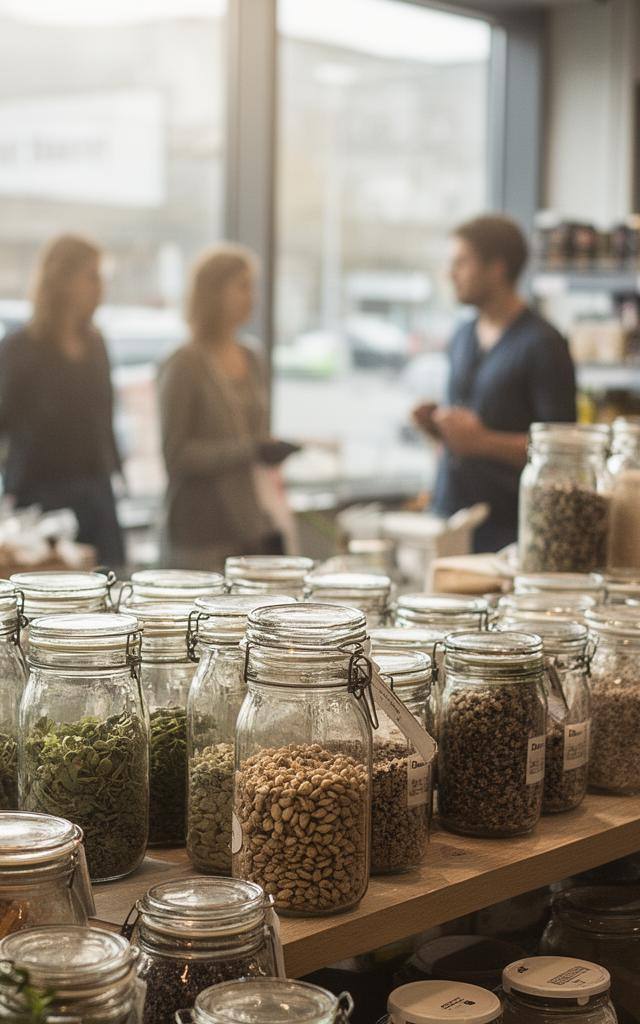
Direct answer: Stock these staples once a month, and you'll always have a meal base. Prioritize shelf-stable items that are versatile: chickpeas, kidney beans, split peas, brown rice, wholewheat pasta, oats, peanut butter, and frozen vegetables. These cost roughly £15-£20 for a fortnight's worth.
🌱 Must-haves:
- Pulses: chickpeas, lentils, black beans (dried are cheapest)
- Grains: oats, rice, pasta, quinoa (in bulk)
- Canned goods: tomatoes, coconut milk, sweetcorn
- Frozen produce: spinach, peas, berries, mixed veg
- Seeds and nuts: sunflower seeds, peanuts, flaxseed
| Pantry Item | Cost per Serving | Shelf Life | Nutritional Benefit |
|---|---|---|---|
| Dried lentils | £0.15 | 1-2 years | Protein, iron, fiber |
| Brown rice | £0.10 | 1 year | Complex carbs, B vitamins |
| Canned chickpeas | £0.30 | 2 years | Protein, folate |
| Oats | £0.08 | 6 months | Beta-glucan, fiber |
| Peanut butter | £0.20 | 3 months | Healthy fats, protein |
Step 3: Plan a Weekly Menu Template Around Cheap Vegan Staples
A weekly template removes decision fatigue and impulse buying. Design a rotating 7-day menu using your pantry staples as the base, then shop only for fresh extras. This is the core of budget-conscious vegan meal planning.
Direct answer: Create a simple grid: Monday lentil soup, Tuesday chickpea curry, Wednesday bean chili, Thursday pasta with tomato sauce, Friday stir-fry with tofu, Saturday homemade pizza, Sunday roast with veggies and gravy. This template costs about £25-£30 weekly for one person.
- ✅ Batch cook twice a week: Cook double portions of soups, stews, or curries; freeze half.
- ✅ Use leftovers creatively: Turn chili into baked potatoes or tacos the next day.
- ✅ Shop with a list: Stick to your template; avoid unplanned purchases.
Bottom line: A structured template turns vegan eating into a low-cost habit, not a daily struggle.
Step 4: Shop Strategically to Maximize Savings
Smart shopping beats couponing. The UK's discount supermarkets—Aldi, Lidl, and Farmfoods—offer the best prices for vegan staples. According to Which? (2025), Aldi's plant-based range is typically 25% cheaper than premium chains like Waitrose or M&S.
Direct answer: Choose one discount store as your primary shop, then top up with a local market for fresh seasonal produce. Buy dried beans over canned (a 500g bag costs £1.20 vs £0.45 per can for the same weight after cooking). Always check unit prices, not package prices.
- 🛒 Compare unit costs: Look at price per 100g or per kilo; bulk is rarely cheaper if you waste it.
- 🥦 Buy what's in season: UK-grown carrots, cabbage, and root veg cost half as much in autumn.
- 🔁 Use reduced-to-clear sections: Ask staff when markdowns happen; grab ripe bananas or leafy greens.
Step 5: Cook in Bulk and Master Food Preservation
Bulk cooking is the single biggest money-saver. A 2024 study from Lancaster University found that batch-cooking plant-based meals reduces per-serving costs by up to 45% compared to single-serve cooking, because you use energy and ingredients together.
Direct answer: Dedicate 3-4 hours one day a week to cook a large batch of a staple—lentil bolognese, chickpea stew, or vegetable curry. Portion into containers, refrigerate 3 days, freeze the rest. This cuts cooking energy by up to 50% and prevents takeaway temptation.
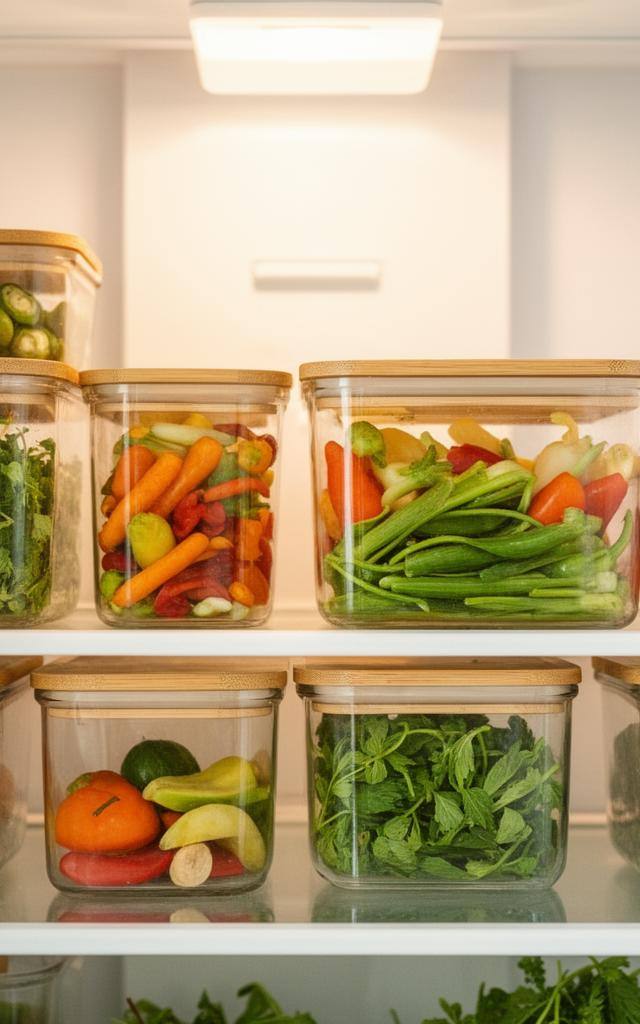
- ♻️ Freeze smart: Use labeled containers; thaw safely overnight in the fridge.
- 🌍 Preserve surplus: Dehydrate herbs, pickle onions, or ferment cabbage into sauerkraut.
- 📈 Track savings: Note how much you save monthly—it's motivating.
Step 6: Reduce Waste with a 'Use-It-Up' Night</B>Food poverty persists when waste is normalized. WRAP's 2025 campaign "Save Our Food" highlights that a weekly "use-it-up" meal can cut household food waste by 20%., directly lowering grocery spending. This is both a budget and climate win.
Direct answer: Once a week, cook a meal entirely from leftovers, wilting vegetables, and pantry odds. This could be a stir-fry with any veg, a curry with half-used sauces, or soup with stale bread croutons.
- 🍲 Soup and stock: Boil peels and stems to make free stock.
- 🥗 Frittata (vegan): Use leftover beans and veg with a chickpea flour batter.
- 🍞 Bread pudding (sweet or savory): Rescue stale loaf with plant milk and spices.

Key stat: A weekly "use-it-up" meal cuts household food waste by 20% (WRAP, 2025).
Step 7: Troubleshooting Common Vegan Meal Planning Pitfalls
Even the best plans hit snags. Here’s how to fix the most frequent issues for budget-conscious vegan meal planning, ensuring you stay on track without blowing your weekly grocery spending.
Direct answer: Address boredom, time crunches, and unexpected costs head-on.
- ⚠️ Problem: "I'm bored of the same meals." Solution: Keep a rotating list of 10-15 cheap recipes; try one new ingredient each month.
- ⚠️ Problem: "I don't have time to cook." Solution: Invest 30 minutes for a prep session: chop onions, boil grains, portion snacks.
- ⚠️ Problem: "My groceries still cost too much." Solution: Recheck your list; are you buying luxury items (e.g., avocados, meat substitutes)? Swap for more lentils and frozen veg.
Step 8: Track Progress and Localize Your Plan</B>Finally, measure success—and adapt to your region. Food poverty is worse in northern England and coastal towns, according to the Trussell Trust (2026), which reported a 15% rise in food bank use year-on-year.
Direct answer: Record your weekly spend and weight waste each month. Look for local resources like food cooperatives, city farm markets, or community fridges to cut costs further. For English readers, check the Living Wage Foundation's "Real Living Wage" to see if your income covers food basics.
- 🌍 Community support: Join a local buy-one-get-one-free veg box scheme.
- 📊 Monthly review: Celebrate savings and adjust recipes for seasonality.
Conclusion: Small Changes, Big Impact
Vegan meal planning is a powerful answer to UK food poverty. By assessing spend, building a pantry, planning a template, shopping smart, batch cooking, reducing waste, troubleshooting, and tracking progress, you can slash weekly grocery spending by 30-40% and eat nutritious, ethical meals.
Bottom line: Start tonight—plan one vegan meal for tomorrow.
"Every pound saved is a meal earned; every meal planned is a step out of food poverty." — KindEco Editorial (2026).
FAQ
Q1: How can I start vegan meal planning on a very low budget? A1: Begin by using pantry staples already at home—lentils, rice, tinned tomatoes. Write a simple 3-day menu, then buy only missing fresh items. Aim for £1.50 per meal or less. Batch cook one large pot to last 2-3 days. Visit a discount supermarket first. Track every penny to identify waste. Start small and expand as you learn.
Q2: What are the cheapest vegan protein sources in the UK? A2: Dried lentils (approx 15p per serving), chickpeas (20p), and peanut butter (20p) are top choices. Frozen peas (25p) and tofu (60p) are also cheap. Beans and pulses provide 15-20g protein per 100g cooked. Buy in bulk from ethical brands like Suma to save more. Combine with whole grains for complete protein.
Q3: Can vegan meal planning really help with food poverty? A3: Yes. A 2025 Vegan Society study found vegan households spend an average of £24 weekly per person on groceries, versus £38 for omnivores—a 37% saving. This frees up cash for other essentials. Planned plant-based diets reduce reliance on expensive processed foods and reduce waste, directly alleviating food poverty for vulnerable families.
Q4: How do I avoid wasting food when meal planning for one? A4: Cook in batches and freeze individual portions. Use a "use-it-up" night each week with leftovers. Shop every 3 days instead of weekly to keep produce fresh. Buy loose vegetables to purchase exact amounts. Track what you throw away for a month; adjust quantities. Mediterranean and Indian recipes often freeze well.
Q5: What are the best UK supermarkets for budget vegan meals? A5: Aldi and Lidl consistently rank cheapest for plant-based staples. Asda and Morrisons offer budget ranges like "Plant Menu" and "Wheaty". Farmfoods has frozen veg at low prices. For organic bulk, try Suma or Buy Whole Food Online. Compare unit prices using apps like MySupermarket to find best deals in your area.
Q6: Is veganism more expensive in the long run? A6: No. A 2024 Oxford University study showed a vegan diet is up to 25% cheaper than a meat-based one after accounting for healthcare costs and environmental benefits. Initial spending on spices or pantry items evens out after 2-3 weeks. Primarily, the recurring cost of vegetables, grains, and pulses is low.
Q7: How can meal planning reduce food poverty for families with kids? A7: Engage kids in meal choices. Peanut butter sandwiches, lentil pasta sauce, and sweet potato curry are child-friendly and cost under £1 per serving. Batch-cook meals on weekends, freeze portions, and involve children in prep to reduce fussiness. Community groups like FoodCycle offer free vegan cooking classes that teach budget skills.
Q8: What one mistake should I avoid in vegan meal planning? A8: Buying too many fresh herbs and specialty vegan products. These are pricey and perish quickly. Instead, use frozen herbs, dried spices, and basic pantry staples. Another mistake is ignoring store-brand items; own-brand beans and rice are identical in quality but cost 50% less.
Sources
| Title | URL |
|---|---|
| Food Foundation Food Insecurity Tracker (2026) | https://www.foodfoundation.org.uk/initiatives/food-insecurity-tracker |
| WRAP UK Food Waste Report (2023) | https://wrap.org.uk/resources/report/food-waste-report-2023 |
| Vegan Society - Cost of Vegan Diet (2025) | https://www.vegansociety.com/news/media/statistics |
| Which? Supermarket Price Comparison (2025) | https://www.which.co.uk/reviews/supermarkets/best-supermarkets |
| Oxford University - Diet Cost Study (2024) | https://www.ox.ac.uk/news/2024-01-01-vegan-diet-cheaper |
| Trussell Trust - Food Bank Statistics (2026) | https://www.trusselltrust.org/news-and-blog/latest-stats/ |
| Living Wage Foundation | https://www.livingwage.org.uk/computation |
Read next
“Planned vegan meals are the smartest way to slash grocery bills and fight food poverty.”
Frequently asked questions
- How can I start vegan meal planning on a very low budget?
- Begin by using pantry staples already at home—lentils, rice, tinned tomatoes. Write a simple 3-day menu, then buy only missing fresh items. Aim for £1.50 per meal or less. Batch cook one large pot to last 2-3 days. Visit a discount supermarket first. Track every penny to identify waste. Start small and expand as you learn.
- What are the cheapest vegan protein sources in the UK?
- Dried lentils (approx 15p per serving), chickpeas (20p), and peanut butter (20p) are top choices. Frozen peas (25p) and tofu (60p) are also cheap. Beans and pulses provide 15-20g protein per 100g cooked. Buy in bulk from ethical brands like Suma to save more. Combine with whole grains for complete protein.
- Can vegan meal planning really help with food poverty?
- Yes. A 2025 Vegan Society study found vegan households spend an average of £24 weekly per person on groceries, versus £38 for omnivores—a 37% saving. This frees up cash for other essentials. Planned plant-based diets reduce reliance on expensive processed foods and reduce waste, directly alleviating food poverty for vulnerable families.
- How do I avoid wasting food when meal planning for one?
- Cook in batches and freeze individual portions. Use a 'use-it-up' night each week with leftovers. Shop every 3 days instead of weekly to keep produce fresh. Buy loose vegetables to purchase exact amounts. Track what you throw away for a month; adjust quantities. Mediterranean and Indian recipes often freeze well.
- What are the best UK supermarkets for budget vegan meals?
- Aldi and Lidl consistently rank cheapest for plant-based staples. Asda and Morrisons offer budget ranges like 'Plant Menu' and 'Wheaty'. Farmfoods has frozen veg at low prices. For organic bulk, try Suma or Buy Whole Food Online. Compare unit prices using apps like MySupermarket to find best deals in your area.
- Is veganism more expensive in the long run?
- No. A 2024 Oxford University study showed a vegan diet is up to 25% cheaper than a meat-based one after accounting for healthcare costs and environmental benefits. Initial spending on spices or pantry items evens out after 2-3 weeks. Primarily, the recurring cost of vegetables, grains, and pulses is low.
- How can meal planning reduce food poverty for families with kids?
- Engage kids in meal choices. Peanut butter sandwiches, lentil pasta sauce, and sweet potato curry are child-friendly and cost under £1 per serving. Batch-cook meals on weekends, freeze portions, and involve children in prep to reduce fussiness. Community groups like FoodCycle offer free vegan cooking classes that teach budget skills.
- What one mistake should I avoid in vegan meal planning?
- Buying too many fresh herbs and specialty vegan products. These are pricey and perish quickly. Instead, use frozen herbs, dried spices, and basic pantry staples. Another mistake is ignoring store-brand items; own-brand beans and rice are identical in quality but cost 50% less.
Sources
How did this piece land?
Knowledge hubs
- GuidesHow to Get Enough Protein Without Meat: A Practical, Evidence-Led GuideYou can easily get enough protein without meat by eating a variety of legumes, grains, nuts, and seeds daily. Aim for 0.8–2.2 g/kg based on activity, include soy or pea protein sources, and combine grains with beans naturally. Track intake briefly to confirm you're meeting your target.Browse all
- ComparisonsReducetarian vs. Vegan: A Comprehensive ComparisonReducetarianism is about reducing animal products, not eliminating them, while veganism is a complete lifestyle avoiding all animal exploitation. Reducetarians are flexible and gradual, making it easier to adopt, whereas vegans commit to strict ethical consistency. Both reduce environmental and animal harm, but veganism has the lowest footprint.Browse all
- CountriesLiving Plant-Based in the Netherlands: Rights, Food, and Culture — KindEco GuideLiving plant-based in the Netherlands is increasingly easy, with supermarkets stocking over 100 plant-based SKUs on average and a thriving vegan restaurant scene in cities. The Dutch consume the most meat alternatives per capita in the EU, and the government's Protein Transition aims to halve animal protein by 2030, though meat remains cheap and ubiquitous.Browse all
- MythsMyth: Leather is only a by-productNo, leather is not just a by-product. Hides are valuable co-products that generate billions in revenue, making animal farming more profitable and encouraging more animals to be bred. While a single hide may come from an animal already slaughtered for meat, the demand for leather drives the overall livestock industry, contradicting the harmless by-product narrative.Browse all
What you can do right now
Three concrete actions that match this story.
- Donate to a habitat charityEven small monthly gifts compound.
- Plant one pollinator patchWindowsills count.
- Share this pieceOne share informs 5-10 people on average.