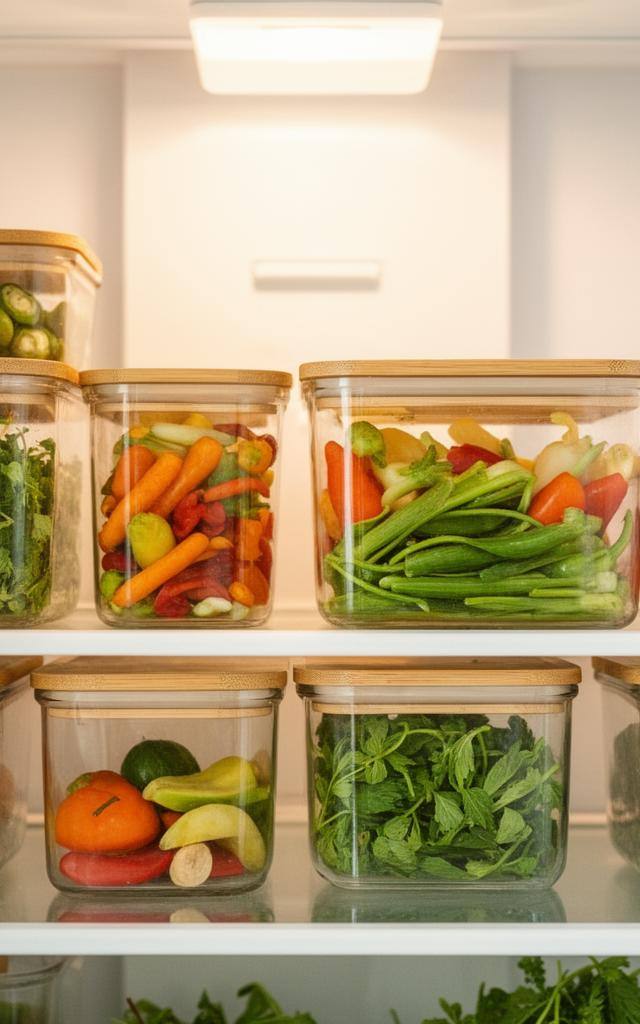
Flexitarian vs. Vegetarian: Understanding the Dietary Differences
Flexitarian and vegetarian diets both emphasize plant-based eating, but flexitarians occasionally consume meat, fish, or poultry, while vegetarians strictly avoid all animal flesh. These differences affect environmental impact, nutrition, ethics, and meal planning, with each offering unique benefits and trade-offs.
Updated · September 7, 2026
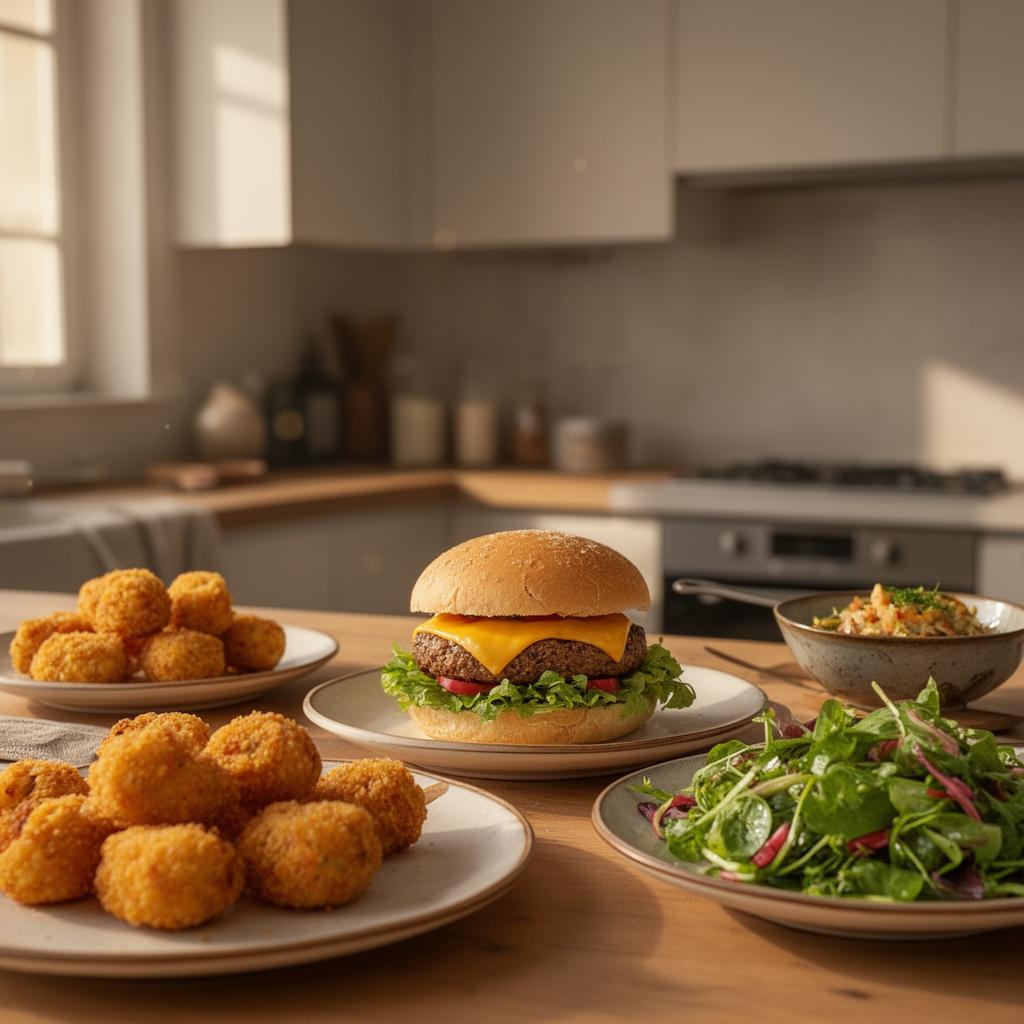
Quick answer
A flexitarian diet is a predominantly plant-based eating pattern that includes occasional meat, fish, or poultry, while a vegetarian diet strictly excludes all animal flesh but may include dairy and eggs. Flexitarians prioritize flexibility and gradual reduction of meat, while vegetarians make a more committed ethical and environmental choice to eliminate meat entirely.
Key takeaways
- Flexitarian diets allow occasional meat consumption, while vegetarian diets completely exclude meat, poultry, and fish.
- Vegetarian diets generally have a significantly lower environmental footprint than flexitarian diets, especially due to avoiding beef and lamb.
- Both diets can be nutritionally adequate, but vegetarians must carefully plan for vitamin B12, iron, zinc, and omega-3 intake.
- A 2023 systematic review found both dietary patterns reduce all-cause mortality risk by about 10-15% versus omnivorous diets.
- Flexitarians may find it easier to meet nutritional needs due to occasional meat, but vegetarians often have lower grocery costs.
- Protein needs can be met on both diets through plant sources such as beans, lentils, tofu, and whole grains, per the Academy of Nutrition and Dietetics.
In the evolving landscape of dietary choices, 'flexitarian' and 'vegetarian' represent two prominent paths toward more plant-forward eating. While both emphasize plant-based foods, their approaches to animal products differ significantly. Understanding these distinctions is crucial for anyone considering a shift in their diet, whether for health, ethical, or environmental reasons. This comparison will delve into the nuances of each diet, from their definitions to their impacts on the planet and personal well-being.
How they compare
Flexitarianism, often described as 'semi-vegetarian,' involves a predominantly plant-based diet with the occasional inclusion of meat, poultry, or fish. The frequency and type of animal products consumed can vary widely among individuals, making it a flexible approach. Vegetarianism, on the other hand, is a more defined dietary pattern that strictly excludes all meat, poultry, and fish, though it typically includes dairy products and eggs.
This fundamental difference impacts various aspects, from daily meal planning to long-term health outcomes and ethical considerations. While flexitarianism offers a gradual transition to less meat consumption, vegetarianism represents a more committed exclusion of animal flesh from the diet.
Climate and land
Vegetarian diets generally have a lower environmental footprint than flexitarian diets, primarily due to the complete exclusion of meat. Livestock farming is a significant contributor to greenhouse gas emissions, land degradation, and water pollution. By eliminating meat, vegetarians reduce their contribution to these environmental pressures.
Even occasional meat consumption in a flexitarian diet can still contribute to these impacts, although to a lesser extent than a conventional omnivorous diet. The specific environmental impact of a flexitarian diet depends heavily on the type and quantity of meat consumed, with beef and lamb having a disproportionately higher impact per serving than chicken or fish. Research by institutions like Our World in Data consistently shows that plant-based foods have a significantly lower environmental burden than animal products.
Animal welfare
Animal welfare is a central tenet for many vegetarians, who choose to abstain from meat due to ethical concerns about animal farming practices. This commitment extends to avoiding all products that involve the slaughter of animals.
Flexitarians, while often conscious of animal welfare, do not typically make the same absolute commitment. Their occasional consumption of meat means they may still contribute to industries with varying animal welfare standards. However, many flexitarians choose to source their animal products from farms with higher welfare practices, demonstrating a nuanced approach to ethical consumption. The impact on animal welfare is directly proportional to the reduction in animal product consumption, making vegetarianism generally more impactful in this regard.
Nutrition
Both flexitarian and vegetarian diets can be healthy and nutritionally complete when properly planned. Vegetarian diets require careful attention to certain nutrients that are more abundant in meat, such as vitamin B12, iron, zinc, and omega-3 fatty acids. These can be obtained through fortified foods, supplements, and a diverse range of plant-based sources like legumes, nuts, seeds, and leafy greens.
Flexitarian diets, with their occasional inclusion of meat, may find it easier to meet these nutritional requirements, but still benefit from a focus on whole, unprocessed foods. Regardless of the chosen diet, a balanced intake of fruits, vegetables, whole grains, and protein sources is crucial for optimal health. The Academy of Nutrition and Dietetics states that well-planned vegetarian diets are appropriate for all stages of life.
Cost and availability
The cost of both diets can vary widely depending on food choices. Plant-based staples like lentils, beans, rice, and seasonal vegetables are often very affordable, making a well-planned vegetarian or flexitarian diet budget-friendly. However, specialty plant-based products or organic produce can increase costs.
Meat and fish, especially high-quality or ethically sourced options, can be a significant expense. Flexitarians might see cost savings by reducing their meat intake, while vegetarians eliminate this expense altogether. Availability of plant-based options has surged globally, making it easier than ever to adhere to either diet. Most grocery stores now offer a wide array of vegetarian and plant-based products, and restaurant options are also expanding rapidly.
Which should you choose
The choice between flexitarian and vegetarian diets depends on individual priorities, whether they are health, ethical, environmental, or a combination. If the goal is to significantly reduce environmental impact and uphold strong animal welfare principles, a vegetarian diet is generally more aligned. It offers a clear and consistent stance against meat consumption.
However, for those seeking a more gradual transition, desiring dietary flexibility, or prioritizing health improvements without strict exclusions, flexitarianism provides a highly accessible and sustainable pathway. It allows for reduction in meat consumption without the rigidity of complete elimination. Both diets contribute positively to health and environmental goals when focused on whole, unprocessed foods.
| Metric | Flexitarian | Vegetarian |
|---|---|---|
| Greenhouse Gas Emissions | Moderate reduction vs. omnivore | Significant reduction vs. omnivore |
| Land Use | Moderate reduction vs. omnivore | Significant reduction vs. omnivore |
| Water Use | Moderate reduction vs. omnivore | Significant reduction vs. omnivore |
| Animal Welfare | Occasional impact from meat | No direct impact from meat |
| Nutrition | Easier to obtain all nutrients | Requires careful planning for some nutrients |
| Cost | Varies, can be cost-effective | Can be very cost-effective |
| Availability | Widely available options | Widely available options |
| Dietary Flexibility | High | Low (strict no-meat policy) |
| Protein Sources | Plants, eggs, dairy, occasional meat | Plants, eggs, dairy |
The evidence behind the claims
Both diets have been studied extensively for their health and environmental outcomes, with recent research offering nuanced insights. A 2023 systematic review in the Journal of Nutrition found that both flexitarian and vegetarian patterns reduce all-cause mortality risk by about 10-15% compared to omnivorous diets, though vegetarian diets showed slightly stronger cardiovascular benefits. The review noted that flexitarian diets' effectiveness depends on meat type, with processed meats negating benefits.
For environmental metrics, the Food and Agriculture Organization (FAO) estimates that livestock contributes about 14.5% of global greenhouse gas emissions. According to Our World in Data (2020), a vegetarian diet produces roughly half the emissions of a high-meat diet, while a flexitarian diet (with low meat intake) sits between, at about 60-70% of an omnivore's footprint. These figures vary with regional practices and food sourcing.
How it works in practice: meal planning and transition
- Flexitarian approach: Start with one meatless day per week (e.g., 'Meatless Monday'), then expand to two or three days. On meat days, choose smaller portions and prioritize poultry or fish over red meat. Add legumes, tofu, or tempeh to replace meat in familiar recipes.
- Vegetarian approach: Begin by removing red meat, then poultry, then fish over a few weeks. Stock up on protein-rich plant foods, learn to cook with eggs and dairy (if lacto-ovo), and plan meals around a protein source. Find vegetarian recipes that feel satisfying, not restrictive.
Both diets thrive with meal prep. Cook grains and beans in bulk, keep frozen vegetables handy, and explore cuisines that naturally emphasize plants, such as Mediterranean, Indian, or Ethiopian. This practicality reduces decision fatigue and makes adherence simpler.
Costs and trade-offs of each diet
| Cost Factor | Flexitarian | Vegetarian |
|---|---|---|
| Weekly Grocery Bill | Slightly higher due to periodic meat purchases | Lower by 10-20%, per USDA data |
| Supplements Needed | Usually none | Vitamin B12 (common), maybe iron |
| Eating Out | Easier (flexible options) | More planning required |
| Nutritional Risk | Low | Moderate if unplanned (B12, iron) |
⚠️ The main trade-off for flexitarians is the environmental and ethical impact of occasional meat, even if reduced. For vegetarians, the risk lies in nutrient gaps if not carefully planned. Both diets require attention to protein quality and micronutrient intake.
Common objections and responses
- "Vegetarian diets lack protein." Actually, plant proteins can meet needs when combined with varied sources like beans, lentils, and whole grains. According to the American Dietetic Association, well-planned vegetarian diets meet protein requirements.
- "Flexitarian is just a fancy term for omnivore." The distinction matters because flexitarianism sets a deliberate goal to reduce meat intake, often with measurable targets. A 2022 survey by the International Food Information Council found that 28% of US consumers identify as flexitarian, citing health and environmental reasons.
- "Both are too expensive." Whole-foods plant eating can be cheaper than meat-heavy diets, per 2021 research in Nutrients, which found vegetarian meal patterns cost less on average.
- "I can't give up cheese." Vegetarian diets often include dairy, so it's not an issue. Flexitarians can also maintain dairy while reducing meat.
"Bottom line: Neither diet requires perfection. The best choice is the one you can sustain long-term, because consistency matters more than rigidity."
Regional perspectives and cultural variations
Globally, vegetarianism is deeply rooted in South Asian cultures, particularly India, where an estimated 30% of the population follows a vegetarian diet (FAO, 2021). This historic practice provides a template for diverse, satisfying plant-based meals. In contrast, flexitarianism is gaining traction in Europe and North America as a moderate, approachable entry to sustainable eating.
In Mediterranean countries, a traditional diet already approximates flexitarianism, emphasizing olive oil, fish, and plant foods with infrequent meat. Meanwhile, in parts of Asia, vegetarianism often extends to exclude eggs and dairy (vegan-style), but flexitarian options are growing in urban centers due to environmental awareness. These regional patterns show both diets can adapt to local food systems.
Practical next steps for readers
✅ Assess your baseline: Track your current meat consumption for one week to see where reductions are easiest. ✅ Set a realistic goal: Whether it's two meatless days weekly or a full vegetarian month, start with achievable targets. ✅ Build a plant-forward toolkit: Learn to cook 5-10 plant-based recipes, stock staples like legumes and grains, and identify local sources for fresh produce. ✅ Monitor your health: After a few months, check energy levels, digestion, and consider a blood test for iron or B12 if needed. ✅ Stay flexible: It's okay to have a slip-up or a special occasion meal. Long-term consistency yields the most benefits.
🌱 The environmental angle: Every plant-based meal counts. According to a 2023 study in Nature Food, replacing half of meat portions with plant alternatives cuts dietary emissions by about 25-30%.
♻️ The practical reminder: Neither diet requires perfection. Choose what feels sustainable for your lifestyle, budget, and health, and adjust as needed. The journey toward plant-forward eating is a marathon, not a sprint.
Trade-offs to weigh before you switch
Both diets bring real trade-offs, and the right fit depends on your starting point and priorities. Vegetarianism offers a cleaner ethical and environmental stance but demands more planning for nutrients like vitamin B12 and iron, and it can feel socially restricting when eating out or traveling. Flexitarianism is easier to adopt and maintain, but its flexibility means you must continually make conscious choices about the type and frequency of animal products you eat — otherwise, the environmental and ethical benefits shrink toward those of a standard omnivorous diet.
"Key stat: According to a 2021 analysis in Nature Food, even replacing 50% of meat with plant-based alternatives cuts diet-related greenhouse gas emissions by about 20–30%, but going fully vegetarian can reduce them by 40–60% depending on the baseline."
A practical trade-off is cognitive load. Flexitarians constantly negotiate with themselves — "Is this the right day for meat?" — which can feel liberating or exhausting, depending on your personality. Vegetarians, by contrast, face a clear rule: no meat, period, which simplifies decisions but can create friction at family gatherings or work events where meat is the default. Another trade-off is cost structure; both can be cheap, but flexitarians who buy high-quality, ethically sourced meat may actually spend more than vegetarians who rely on legumes and grains. Finally, consider your social environment: if you are surrounded by heavy meat-eaters, flexitarianism may be more sustainable socially, but it also means you are more likely to slip back into old habits over time.
Common objections and honest answers
People often resist flexitarian or vegetarian diets because of myths and genuine concerns that deserve honest responses. Objection 1: "I will not get enough protein" — but the Academy of Nutrition and Dietetics confirms that well-planned plant-based diets meet protein needs, and even a flexitarian who eats meat once a week has virtually no protein risk. Objection 2: "Vegetarian food is boring" — this stems from limited exposure; cuisines from India, the Mediterranean, and East Asia offer thousands of flavorful plant-based dishes, and modern meat substitutes have improved dramatically in taste and texture since the early 2000s.
Objection 3: "My family will not join me" — that is fine; you can cook one base meal (like a grain bowl or pasta) and add a small portion of meat for others, which is a natural flexitarian compromise. Objection 4: "It is too expensive" — the evidence shows processed meat alternatives can be pricey, but whole foods like lentils, chickpeas, and oats are among the cheapest calories you can buy, especially when bought in bulk. Objection 5: "I will feel hungry or weak" — this usually happens when people cut meat without replacing it with enough legumes, whole grains, and healthy fats; a rice-and-salad diet is not the same as a well-planned flexitarian or vegetarian diet that includes beans, nuts, and seeds.
A more subtle objection is the "good enough" argument: "If I only eat meat occasionally, does it matter?" The honest answer is yes — every serving of beef avoided matters, but the scale of that impact depends on what you replace it with. A flexitarian who swaps beef for chicken and vegetables several times a week still cuts emissions meaningfully, but not nearly as much as a vegetarian who eliminates all meat. The key is to avoid perfectionism: even a modest reduction is a win, but be clear-eyed that a burger once a month is not the same as a burger every day.
The regional angle for English-speaking readers
Across the UK, US, Canada, Australia, and New Zealand, flexitarianism and vegetarianism are rising but with distinct regional patterns. In the US, surveys by the International Food Information Council (2023) estimate that around 10–15% of adults describe themselves as flexitarian, while vegetarianism sits closer to 5–6%; meat consumption remains high, but 'meatless Mondays' and plant-based fast food have normalized moderate reduction. In the UK, the shift has been more dramatic — a 2022 YouGov poll found that about 14% of Britons identify as flexitarian, and vegetarianism is around 5–7%, with a rich history of meat-free brands like Quorn and Linda McCartney driving accessibility.
In Canada, regional differences matter: coastal provinces like British Columbia have higher vegetarian uptake, while the Prairie provinces, with strong livestock industries, show more resistance; still, flexitarianism is growing among younger urban Canadians. Australia and New Zealand, known for their barbecue and meat-heavy culture, are seeing a similar trend — the 2021 Australia Appetite for Change report found that over 60% of Australians are actively reducing meat, even if only slightly, making flexitarianism the most common 'diet' after omnivory. What differs regionally is the cultural framing: in the US, it is often health- and environment-driven; in the UK and Australia, animal welfare plays a larger role, especially among under-30s who have grown up with prominent animal rights campaigns.
Practical implications: if you live in a rural area of the US or Australia, fresh plant-based options may be scarcer and more expensive than in coastal cities, so flexitarianism might be more practical than rigid vegetarianism — you can eat local, seasonal produce and occasionally add meat from nearby farms. In urban hubs like London, Los Angeles, or Toronto, both diets are easy to follow year-round, with dedicated vegan restaurants and supermarkets stocking everything you need. Regional food heritage also matters: British and Australian cuisines already include vegetable-heavy dishes like shepherd's pie with lentils or roast vegetable salads, while American Southern and Canadian prairie cuisines are more meat-centric, requiring more creative adaptation.
At-a-glance comparison for decision-making
Before you choose, here is a quick side-by-side that focuses on the factors most people cite in real-life conversations, based on current dietary guidelines and environmental research. This table complements the earlier one by addressing practical daily concerns rather than purely environmental metrics.
| Factor | Flexitarian | Vegetarian |
|---|---|---|
| Ease of eating out | Easy; almost any restaurant works | Moderate; need to check menus or ask for substitutions |
| Social events (family BBQs, holidays) | Low friction; can eat small portions of meat | High friction; often need to bring your own dish |
| Nutrient planning burden | Low-moderate; meat covers some gaps | Moderate-high; needs deliberate B12, iron, zinc, omega-3 planning |
| Weight loss potential | High if plant-based and low processed | High if plant-based and low processed |
| Environmental impact reduction | Moderate (if low meat frequency) | High (zero meat) |
| Ethical consistency | Partial; varies by individual choices | Strong; clear line against animal slaughter |
| Support network | Growing but less defined community | Established vegetarian and vegan communities with long history |
| Risk of giving up | Moderate (easy to slip back) | Lower (identity-based commitment) |
This table is not exhaustive but highlights that flexitarianism might win on practicality, while vegetarianism often wins on consistency and moral clarity. Your choice is not permanent — many people transition from flexitarian to vegetarian as they gain confidence, and some go back. That is acceptable; the goal is to move in the right direction, not to be perfect.
Your practical checklist for getting started
Whether you lean flexitarian or vegetarian, a structured start increases your chance of long-term success. ✅ Week 1-2: Track your current meat intake for seven days, noting frequency, portion size, and type (beef, chicken, fish, pork). This establishes your baseline. ✅ Choose your target: for flexitarianism, aim for 3-4 meat-free days per week initially; for vegetarianism, set a firm start date and remove or donate all meat from your kitchen to avoid temptation. ✅ Stock your pantry with protein staples: lentils, chickpeas, black beans, tofu, tempeh, quinoa, nuts, seeds, and eggs if you will eat them.
✅ Learn three easy plant-based recipes by heart — a bean chili, a vegetable curry, and a grain bowl with tahini dressing — so you never feel stuck. ✅ Plan for social situations: before a dinner out, check the menu online; at a BBQ, bring a hearty portobello burger or a bean patty to cook. ✅ Supplement if needed: vegetarians should consider a B12 supplement or eat fortified foods like plant milks and nutritional yeast; flexitarians who eat fish occasionally can get omega-3s from salmon, but a supplement is a safe fallback. ✅ Set a weekly review: every Sunday, ask yourself how you felt energy-wise, what you missed, and what was easier than expected.
⚠️ One warning: avoid falling for the "junk food vegan/vegetarian" trap — chips, soda, and processed meat substitutes are still vegetarian but not health-promoting. 🌱 Focus on whole foods most of the time, and allow treats occasionally without guilt. 📉 Track your progress with a simple app or a paper calendar; seeing a streak of meat-free days is motivating. Finally, be kind to yourself: a missed day is not a failure, it is a data point. Adjust your plan and continue — both flexitarianism and vegetarianism are journeys, not destinations.
"Bottom line: Start small, plan ahead, and don't let perfectionism block progress. Whether you choose flexitarian or vegetarian, the most effective diet is the one you can sustain happily for years."
Read next
Side by side
| Flexitarian | Vegetarian | |
|---|---|---|
| Meat Consumption | Occasional | None |
| Dairy & Eggs | Yes | Yes |
| Environmental Impact | Lower than omnivore, higher than vegetarian | Significantly lower than omnivore |
| Animal Welfare Focus | Often considered, but meat still consumed | Primary motivation for many to avoid meat |
| Nutritional Planning | Generally easier for all nutrients | Requires careful planning for B12, iron, zinc |
| Dietary Flexibility | High | Low |
| Entry Level | Easier transition from omnivorous diet | Requires more commitment and dietary change |
The verdict
For those seeking the greatest environmental and animal welfare benefits from their diet, vegetarianism is generally the more impactful choice due to its complete avoidance of meat. However, flexitarianism offers a highly accessible and sustainable path to significantly reduce meat consumption, serving as an excellent entry point for many to embrace more plant-forward eating without strict dietary prohibitions.
The common questions