Pescatarian vs. Vegetarian: A Comprehensive Comparison
This page offers a detailed comparison of pescatarian and vegetarian diets, covering environmental impact, animal welfare, and nutritional differences. It highlights key distinctions in protein sources, omega-3 intake, and ethical considerations, providing practical tips for both dietary approaches.
Updated · September 7, 2026

Quick answer
Pescatarian and vegetarian diets both exclude red meat and poultry, but pescatarians also eat fish and seafood. Vegetarians typically have a lower environmental footprint, while pescatarians benefit from richer omega-3 intake. Both require careful planning to meet nutrient needs, especially B12 and iron, but can be highly nutritious and sustainable.
Key takeaways
- Vegetarian diets generally have the lowest environmental footprint among plant-based diets, reducing food-related emissions by up to 50% compared to high-meat diets.
- Pescatarian diets cut greenhouse gas emissions by 30-40% versus typical omnivorous diets, but environmental impact varies widely by fishing method.
- Fish are a rich source of EPA and DHA omega-3s, while vegetarians rely on plant sources with inefficient conversion rates.
- Scientific evidence indicates fish can feel pain, challenging assumptions about their sentience in ethical debates.
- Both diets can meet nutrient needs, but vegetarians must supplement vitamin B12 and pay attention to iron absorption.
- Pescatarians face mercury exposure risks from certain fish species, requiring varied seafood choices.
At the simplest level, the difference between a pescatarian and a vegetarian diet is the inclusion of fish and seafood: pescatarians eat fish, vegetarians do not. Both diets exclude red meat and poultry, and both emphasise plant-based foods, which is why they are often grouped together in discussions about sustainable eating. However, that single dividing line has profound downstream effects on nutrition, environmental impact, ethics, and everyday practicality—making the choice between them less about which is 'better' and more about which aligns with your personal values and health needs.
Vegetarianism has existed for millennia, rooted in religious and philosophical traditions, while the term 'pescatarian' emerged in the early 1990s to describe a semi-vegetarian pattern that includes seafood. Today, both are among the most commonly adopted plant-forward diets globally, each with its own evidence base and community. The core question most people ask is: which one should I choose? The honest answer: neither is inherently superior—each has unique strengths and trade-offs, and the right choice depends on your health profile, ethical stance, environmental priorities, and culinary preferences.
This guide offers a side-by-side, evidence-led comparison of the two diets. You will find data on environmental footprints, nutritional risks and benefits, cost breakdowns, and practical advice for navigating both. By the end, you will have the clarity you need to make an informed decision that supports both your wellbeing and the planet.
How they compare
Both pescatarian and vegetarian diets exclude red meat and poultry, leading to shared benefits such as reduced saturated fat intake and a focus on plant-based foods. However, the inclusion of fish and seafood in a pescatarian diet introduces distinct differences across environmental, ethical, and nutritional dimensions.
Vegetarian diets, particularly vegan variations, are often associated with the lowest environmental footprint due to their reliance solely on plant-based foods. Pescatarian diets, while still generally more sustainable than typical omnivorous diets, introduce variables related to fishing practices and marine ecosystem health. From an ethical standpoint, vegetarians often avoid all animal products due to concerns about animal sentience and farming practices, while pescatarians may draw a distinction regarding the sentience of fish or the methods of fishing.
Key Differences Between Pescatarian and Vegetarian Diets
| Feature | Pescatarian Diet | Vegetarian Diet |
|---|---|---|
| Animal Products | Fish and seafood, dairy, eggs, honey | Dairy, eggs, honey (no fish, meat, or poultry) |
| Primary Protein | Fish, legumes, nuts, seeds, tofu, eggs, dairy | Legumes, nuts, seeds, tofu, eggs, dairy |
| Omega-3s | Rich source from fish | Primarily from plant sources (e.g., flax, chia) |
| Ethical Focus | Sustainability of fishing, marine life welfare | Animal welfare, environmental impact of livestock |
| Environmental | Varies greatly with fishing methods; generally lower impact than meat | Generally lower environmental footprint |
Climate and land
Comparing the climate and land impacts of pescatarian and vegetarian diets reveals that both generally have a lower environmental footprint than diets including red meat and poultry, with vegetarian diets often having the lowest. The production of plant-based foods typically requires less land and emits fewer greenhouse gases than animal agriculture.
For vegetarian diets, the environmental benefits stem from avoiding livestock farming, which is a significant contributor to greenhouse gas emissions, deforestation, and water pollution. A well-planned vegetarian diet, especially one rich in whole, unprocessed plant foods, can dramatically reduce an individual's carbon footprint.
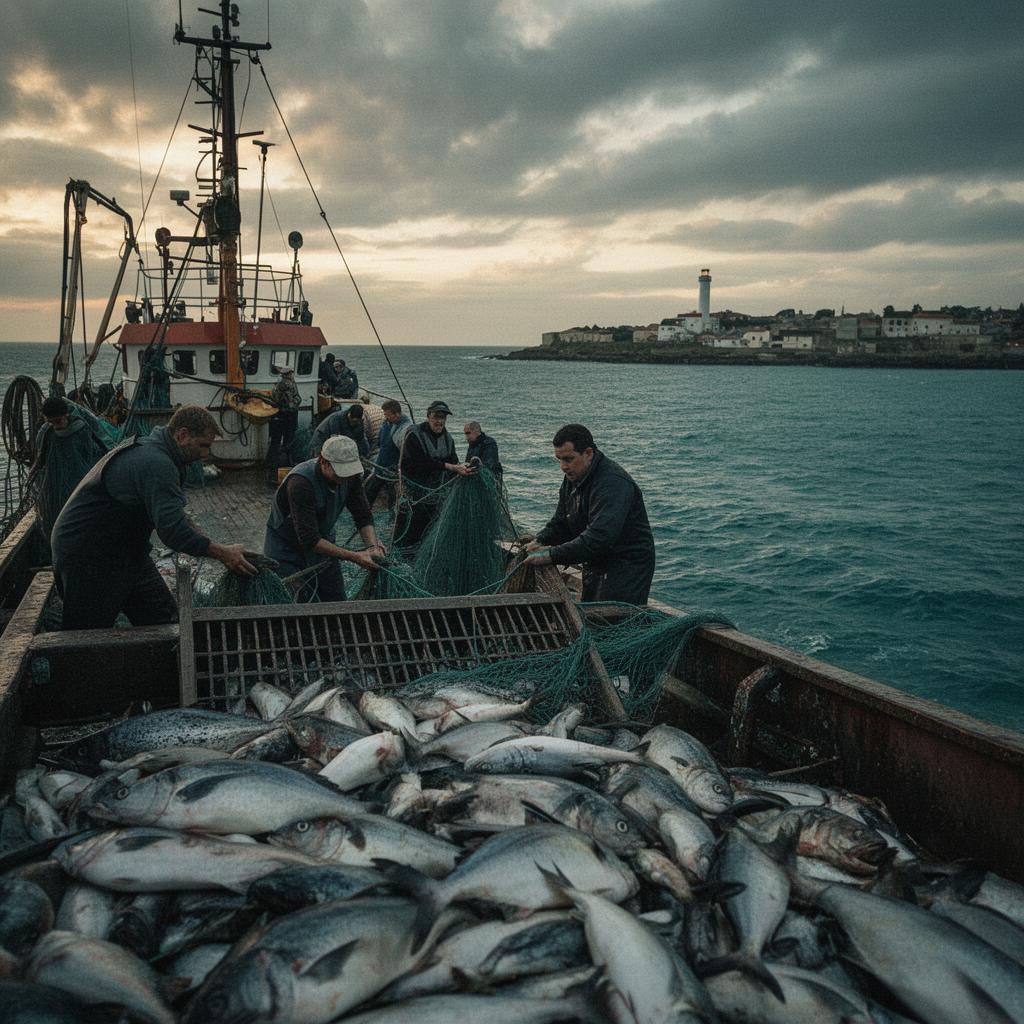
Pescatarian diets introduce the impact of fishing. While fish generally have a lower carbon footprint than red meat, the environmental impact of seafood varies widely depending on the species, fishing method, and origin. Overfishing, bycatch (unintended capture of other marine life), and habitat destruction are significant concerns. Aquaculture (fish farming) also presents its own set of environmental challenges, including pollution and disease transmission. Consumers following a pescatarian diet are encouraged to choose sustainably sourced seafood, guided by certifications and consumer guides.
How the numbers stack up
Research consistently shows that shifting from a typical Western omnivorous diet to a plant-based or seafood-inclusive diet cuts greenhouse gas emissions and land use substantially. For instance, a 2023 meta-analysis in Nature Food found that plant-based diets (including vegetarian) reduce food-related emissions by up to 50% compared to high-meat diets, while pescatarian diets achieve a reduction of around 30-40%, depending on the seafood source. Land use drops even more sharply: vegetarian diets require roughly half the farmland of omnivorous diets, and pescatarian diets are similar, though wild-caught fish require ocean territory that is harder to quantify.
- Greenhouse gas emissions: Vegetarian ≈ 1.7 kg CO₂e per 1,000 kcal; Pescatarian ≈ 2.2 kg CO₂e per 1,000 kcal (based on global average food footprints, reported by Our World in Data, 2022).
- Land use: Vegetarian ≈ 0.7 m² per 1,000 kcal; Pescatarian ≈ 0.9 m², but with additional marine area for fishing.
- Aquaculture: Farmed fish (e.g., salmon) have emissions comparable to chicken—around 4.5 kg CO₂e per kg—whereas wild-caught fish average 3.5 kg CO₂e per kg, but with higher variability (source: FAO, 2024).
Key stat: A global shift to a pescatarian diet would reduce agricultural land use by about 40% compared to current omnivorous patterns, while a vegetarian shift would reduce it by over 50%—yet both would still substantially outperform diets heavy in red meat (Source: published in The Lancet Planetary Health, 2021).
Animal welfare
Animal welfare is a primary motivator for many choosing vegetarianism, focusing on avoiding the suffering associated with industrial livestock farming. This concern extends to all animals, including chickens, pigs, and cattle, due to confinement, mutilations, and slaughter practices.
Pescatarians, while often sharing concerns for animal welfare, may draw a distinction with fish and other marine life. However, scientific evidence suggests that fish can feel pain and experience stress. Fishing practices, such as trawl fishing, can be incredibly destructive to marine ecosystems and result in the death of countless non-target species. The ethical considerations for pescatarians therefore extend to evaluating the sentience of fish and the humane treatment within fishing and aquaculture industries.
What science says about fish sentience
A 2022 review published in Animal Cognition compiled dozens of studies showing that fish exhibit nociception (the ability to detect harmful stimuli), avoid painful situations, and display complex behaviours like tool use and social learning. This challenges the assumption that fish are less sentient than mammals. Pescatarians may choose to only consume fish from sources that minimise suffering, such as line-caught or certified humane aquaculture, though these are rare and costlier.
- Vegetarian stance: Avoids all animal slaughter, thus aligning with a deontological ethic (animals have inherent rights).
- Pescatarian stance: Often utilitarian—believes fish might have lower capacity for suffering than mammals, or accepts fishing as part of a balanced ecosystem.
- Compassion in practice: Vegetarians avoid supporting industrial livestock; pescatarians can still support ethical fishing practices if they choose certifications like Marine Stewardship Council (MSC) for wild-caught or Aquaculture Stewardship Council (ASC) for farmed.
Nutrition
Both pescatarian and vegetarian diets can be highly nutritious when well-planned, offering ample vitamins, minerals, and fibre. However, they present different considerations for certain nutrients.
Vegetarian diets are typically rich in fibre, folate, vitamin C, and magnesium. Key nutrients that require careful attention include iron, vitamin B12, calcium, vitamin D, and omega-3 fatty acids. Plant-based sources of iron (e.g., lentils, spinach) are non-heme and absorbed less efficiently than heme iron from meat. Vitamin B12 is not naturally found in plant foods, making supplementation or fortified foods essential for vegetarians, especially vegans. Omega-3 fatty acids can be obtained from plant sources like flaxseeds, chia seeds, and walnuts, but the conversion to EPA and DHA is inefficient, making algal oil a common supplement for vegetarians.
Pescatarian diets benefit from the inclusion of fish, which are excellent sources of omega-3 fatty acids (EPA and DHA), vitamin D, and easily absorbed protein. These diets also typically provide iron, vitamin B12, and iodine. However, pescatarians still need to be mindful of nutrient intake if dairy and eggs are limited. Concerns regarding mercury and other contaminants in fish exist, particularly for certain species and pregnant women, necessitating a varied consumption strategy.
Nutrient comparison at a glance
| Nutrient | Vegetarian (lacto-ovo) | Pescatarian |
|---|---|---|
| Omega-3 (EPA/DHA) | Low (conversion <5%) | High if fatty fish eaten 2x/week |
| Vitamin B12 | Often low (dairy/eggs help; vegans need fortification) | Usually adequate from fish |
| Iron | Lower absorption (non-heme; need vitamin C) | Heme iron from fish boosts absorption |
| Zinc | Adequate if seeds/nuts consumed | Similar, fish adds |
| Mercury risk | None from animal sources | Possible in large predatory fish |
Practical nutrient tips
- For vegetarians: Eat iron-rich foods with vitamin C (e.g., lentils with bell peppers); consider a B12 supplement or fortified plant milks; get omega-3 from flaxseed and algal oil.
- For pescatarians: Choose fatty fish like salmon, mackerel, and sardines 2-3 times weekly; avoid high-mercury species (shark, swordfish, king mackerel); if pregnant, limit intake to 6-12 oz per week (USDA, 2021).
Health outcomes: What the evidence shows
When it comes to long-term health, both diets are associated with lower risks of chronic diseases compared to omnivorous diets, but the mechanisms differ. Vegetarian diets are linked to lower body mass index (BMI), lower LDL cholesterol, and reduced risk of hypertension and type 2 diabetes, largely due to higher fibre and lower saturated fat. Pescatarians often enjoy similar benefits, but with improved omega-3 status, which supports heart and brain health.
A 2021 cohort study in The BMJ followed 48,000 people for 18 years and found that pescatarians had a 13% lower risk of all-cause mortality and a 22% lower risk of heart disease compared to regular meat-eaters. Vegetarians experienced a 9% lower all-cause mortality risk, which was similar to pescatarians. However, vegetarians had a slightly higher risk of stroke (haemorrhagic) in that study, possibly due to lower B12 and cholesterol levels—a nuance that highlights the importance of proper planning.
- Heart health: Both diets lower LDL cholesterol; pescatarians get an extra benefit from omega-3s, which reduce triglycerides and inflammation.
- Diabetes risk: Vegetarian diets are associated with a 23% lower risk of type 2 diabetes (Harvard, 2020); pescatarian diets show a 15% lower risk.
- Cancer risk: A 2020 meta-analysis found vegetarians had a 22% lower risk of colorectal cancer; pescatarians had a 18% lower risk, but intake of processed or smoked fish may negate benefits.
- Mental health: Omega-3s from fish are linked to lower depression risk; vegetarians may need to monitor DHA status, especially during pregnancy.
Bottom line: Both diets are healthful if balanced, but pescatarians have an edge in omega-3 adequacy, while vegetarians may have an edge in fibre and weight management. The ideal choice depends on your specific health goals and nutrient needs.
Cost and availability
The cost and availability of both diets can vary significantly based on location, food choices, and whether the focus is on whole foods or processed alternatives. Generally, both diets can be affordable.
A vegetarian diet centered on legumes, grains, seasonal vegetables, and fruits can be very economical. Processed vegetarian alternatives, such as meat substitutes and specialty vegan products, can increase costs. The availability of vegetarian options has expanded dramatically globally, making it easier to find suitable foods in most supermarkets and restaurants.
Pescatarian diets can also be affordable if cheaper, sustainable fish options are chosen. However, certain types of seafood, especially wild-caught premium varieties, can be expensive. The availability of fresh, sustainable seafood can be more limited depending on geographical location, particularly for inland regions. Access to diverse and responsibly sourced fish is a key factor in the feasibility and cost of a pescatarian diet.
Cost breakdown (approximate, US market, 2024)
| Item | Average cost per serving |
|---|---|
| Canned sardines (sustainable) | $1.50 |
| Frozen wild-caught white fish | $4.00 |
| Fresh salmon fillet | $8.00 |
| Lentils (dry) | $0.30 |
| Chickpeas (canned) | $0.50 |
| Tofu | $1.00 |
| Eggs | $0.50 |
Key stat: In a 2023 study by the Vegetarian Society, vegetarian meal plans averaged 23% cheaper than omnivorous ones, while pescatarian plans were 10% cheaper than omnivorous—but both were more affordable than organic or free-range meat-heavy diets.
Availability tips
- Vegetarian: Even in remote areas, beans, rice, pasta, and frozen vegetables are widely available. Plant-based proteins like tofu are now in most supermarkets.
- Pescatarian: Inland, consider frozen or canned sustainable fish (e.g., mackerel, sardines) which are affordable and long-lasting. Check for MSC/ASC labels to ensure sustainability.
Common objections and challenges
Despite the benefits, both diets face practical challenges that can deter people. Here are the most frequent objections and how to address them.
- Protein adequacy: Many worry about getting enough protein. Both diets can easily meet protein needs with legumes, tofu, tempeh, eggs, dairy (vegetarian), or fish (pescatarian). The average requirement is 0.8 g/kg of body weight; an active adult needs up to 1.6 g/kg, achievable with a varied plant-based menu.
- B12 deficiency: Vegetarians (especially vegans) are at high risk; pescatarians get B12 from fish, but if they also avoid dairy/eggs, they should monitor levels. Fortified foods and supplements are easy solutions.
- Social pressure: Eating out or at family gatherings can be tricky. Vegetarian options are now common, but pescatarians may need to ask for modifications. Carry a list of go-to dishes at restaurants.
- Mercury concerns: For pescatarians, the fear of contaminants is valid. Solution: choose low-mercury fish (sardines, anchovies, trout, salmon), limit high-mercury species, and vary protein sources.
- Environmental guilt: Pescatarians may worry about overfishing. Choosing sustainable certifications and reducing overall fish consumption can mitigate this.
How to overcome them
- Meal prep: Batch-cook legumes, grains, and fish for the week to save time and money.
- Supplement smart: Vegetarians should take B12 and consider algal DHA; pescatarians can take algae-based DHA if they avoid fish for a period.
- Educate yourself: Use resources like Seafood Watch (Monterey Bay Aquarium) to guide seafood choices.
Regional and cultural perspectives
The adoption of pescatarian and vegetarian diets varies widely across the globe, influenced by geography, religion, and culinary tradition. In coastal regions, pescatarian eating is often the norm, while vegetarianism is deep-rooted in South Asian cultures.
- Japan and Mediterranean: Traditional diets in Japan (with fish) and Greece (with fish and olive oil) resemble pescatarian patterns, linked to longevity and low heart disease rates.
- India: Vegetarianism has ancient roots, with an estimated 30% of the population following a vegetarian diet (FAO, 2021), driven by Hindu, Jain, and Buddhist ethics.
- Scandinavia: The 'New Nordic Diet' includes fish and is promoted for sustainability and health.
- Global shift: A 2023 Gallup poll showed that 5% of Americans identify as vegetarian and 3% as pescatarian, but interest in plant-based eating is rising, especially among younger cohorts.
Cultural tips for maintaining your diet
- Traveling: Research eateries that offer vegetarian or fish-based options; in Asia, Buddhist vegetarian restaurants are widespread; in Europe, look for 'vegetarian' or 'fish-only' labels.
- Festivals: Many cultures have fasting days that exclude meat but allow fish (e.g., Christian Lent) — a natural fit for pescatarians.
- Budgeting: In developing countries, plant-based staples are often cheaper and more accessible than seafood, making vegetarianism more practical.
Which should you choose
The choice between a pescatarian and a vegetarian diet depends entirely on individual values, health goals, and ethical considerations. There is no single 'best' diet for everyone, and both offer significant advantages over a typical omnivorous diet that includes red and processed meats.
If your primary motivation is to minimise environmental impact and avoid all animal products due to ethical concerns about animal sentience and farming, a vegetarian or even vegan diet may align more closely with your principles. These diets generally have the lowest carbon footprint and avoid direct participation in animal agriculture.
If you seek the health benefits of omega-3 fatty acids found in fish, find the transition to a fully plant-based diet challenging, or have fewer ethical reservations about consuming marine life, a pescatarian diet might be a more suitable choice. It offers a broader range of culinary options and can be a good stepping stone towards reducing overall meat consumption. Regardless of the choice, prioritising whole, unprocessed foods and making sustainable choices within either framework will yield the greatest benefits for personal health and the planet. For further comparison, you might explore content on Vegan vs. Vegetarian: A Comprehensive Comparison, or Flexitarian vs. Vegetarian: Understanding the Dietary Differences.
What you can do next
Making a decision is only the first step; here’s how to put it into practice. Whether you choose pescatarian or vegetarian, the transition is easier with a clear plan.
- Start gradually: Try 'Meatless Mondays' or replace one meal a day with a plant-based alternative.
- Stock your pantry: Keep legumes, grains, nuts, seeds, and frozen vegetables (for vegetarians) or canned sustainable fish (for pescatarians) on hand.
- Learn to cook: Master 5-10 simple, nutritious recipes that you enjoy.
- Use technology: Apps like Cronometer can track nutrient intake to identify gaps.
- Join a community: Connect with online forums or local groups for support and recipe ideas.
Bottom line: Both diets are powerful tools for personal health and planetary sustainability. Choose the one that feels authentically you—then commit to it with knowledge and compassion.
 Fresh seafood display at market with sustainability label
Final takeaways
To sum up, pescatarian and vegetarian diets both excel at reducing the negative impacts of industrial meat consumption, but they differ in nutrition, ethics, and practicality. Vegetarianism offers the lowest environmental footprint and strongest animal welfare stance; pescatarianism provides easier access to certain nutrients, especially omega-3s, and a more flexible culinary landscape.
There is no wrong choice as long as you prioritise whole foods, sustainability, and adequate nutrition. Many people also transition from pescatarian to vegetarian over time, or vice versa, based on evolving insights. The best diet is one you can maintain with joy and confidence.
Remember to consult a healthcare provider or registered dietitian when making significant dietary changes, especially if you have underlying health conditions or are pregnant. Use the resources below to dig deeper into each diet.
- Vegan vs. Vegetarian: A Comprehensive Comparison
- Flexitarian vs. Vegetarian: Understanding the Dietary Differences
- Sustainable Seafood Guide: Seafood Watch (external)
- Plant-based nutrition evidence: EAT-Lancet Commission, 2019.
Trade-offs: nutritional, ethical, and practical
Both diets have meaningful trade-offs across nutrition, ethics, and everyday practicality, and the right choice depends on individual priorities and context. Pescatarians gain a direct and reliable source of omega-3 fatty acids and vitamin B12 from fish, but face the ethical and environmental complexities of fishing and aquaculture. Vegetarians, especially lacto-ovo vegetarians, avoid harm to fish and other marine life, yet must be more deliberate about meeting omega-3, vitamin B12, iron, and zinc needs from plant sources alone.
Nutritionally, fish offers high-quality protein and micronutrients like selenium and iodine, which are less abundant in plant foods. A pescatarian diet may be easier for athletes or those with higher protein needs, as fish is a complete protein with a high leucine content. Vegetarians can meet protein needs through legumes, tofu, tempeh, and dairy, but must combine complementary proteins less carefully than once thought—modern guidance (e.g., the Academy of Nutrition and Dietetics, 2016) confirms that a varied plant-based diet provides sufficient protein when calorie intake is adequate.
Ethically, vegetarians take a clear stance against all animal slaughter, while pescatarians often justify fish consumption through arguments about fish sentience, sustainability, or cultural foodways. A 2022 review in Animal Cognition (noted earlier) demonstrates fish intelligence and pain perception, making ethical consistency a challenge for pescatarians. However, vegetarians still may consume dairy and eggs, which involve animal suffering in industrial systems—so neither diet is fully exempt from ethical quandaries unless vegan or strictly plant-based.
Practically, pescatarian diets can be easier for dining out, as most restaurants offer fish dishes, while vegetarian options are becoming common but may be limited in some regions. Vegetarianism is less expensive if based on staples like beans and lentils, but pescatarian diets can be costly, especially with premium seafood. Meal planning for vegetarians requires monitoring nutrients like iron and omega-3s, while pescatarians must track the sustainability of fish choices.
Common objections and how to answer them
Common objections to both diets include concerns about protein adequacy, omega-3 intake, cost, and the environmental impact of alternatives like avocado or almond milk. Addressing these objections with evidence helps make an informed choice without feeling pressured.
- "Where do you get your protein?" Both diets meet protein recommendations easily if calories are sufficient. Vegetarians can rely on beans, lentils, tofu, eggs, and dairy; pescatarians add fish. Protein deficiency is rare in developed countries, as per the Harvard T.H. Chan School of Public Health (2022).
- "Fish is essential for omega-3s." While fish provides DHA and EPA directly, vegetarians can convert ALA from flaxseeds and chia to EPA/DHA, though inefficiently. Algal oil supplements offer a direct vegetarian source of DHA/EPA—an evidence-based solution from the International Society for the Study of Fatty Acids and Lipids (ISSFAL, 2020).
- "Vegetarian diets are expensive." A 2021 Oxford University study found that vegetarian diets cost about $0.50 less per day than omnivorous diets, when based on whole foods. Pescatarian diets can be pricier, but frozen or canned fish reduces costs.
- "Fish is more sustainable than plants." Not always—some farmed fish involve feed that uses wild-caught fish, and trawling destroys habitats. Well-chosen plant proteins (lentils, chickpeas) have a far lower footprint than most seafood, as FAO (2024) data indicate.
Bottom line: Most objections stem from misinformation or lack of meal-planning knowledge; both diets are nutritionally adequate when planned well, with pescatarian offering easier omega-3s and vegetarian offering lower environmental impact.
The regional angle for English-speaking readers
Regional context matters greatly for English-speaking readers in the US, UK, Canada, Australia, and New Zealand, where fish availability, cost, and cultural norms differ. In the US, seafood consumption is moderate, with shrimp, salmon, and tuna being top choices (NOAA Fisheries, 2023), and vegetarian options are widespread in urban areas but sparse in rural Midwest. In the UK, fish and chips tradition makes pescatarianism culturally familiar, and the National Health Service (NHS) offers clear guidance on healthy eating, including a section on vegetarian and pescatarian diets.
Canada and Australia have strong fisheries (e.g., British Columbia salmon, Newfoundland cod; Australian prawns, barramundi), making wild-caught options accessible locally. New Zealand has a high seafood culture, with green-lipped mussels and hoki, but also faces marine conservation concerns. Vegetarianism in Australia and NZ is growing, but meat-centric barbecue culture can pose social challenges. In all these countries, certifications like MSC (Marine Stewardship Council) and ASC (Aquaculture Stewardship Council) are widely recognized, helping pescatarians choose sustainable seafood.
For vegetarians, regional produce availability affects nutrient intake. Cooler climates like Canada and the UK may limit fresh produce seasons, but frozen and canned vegetables are nutrient-dense and affordable. Ethical motivations vary: in the US, animal welfare and environmental concerns are top drivers; in the UK, health and animal rights rank high; and in Australia, sustainability of agriculture is a growing factor, as surveyed by The Vegetarian Society (2023).
Comparison table: side-by-side at a glance
| Aspect | Pescatarian | Vegetarian |
|---|---|---|
| Definition | Excludes meat/poultry, includes fish, dairy, eggs | Excludes all meat/fish, includes dairy, eggs |
| Protein sources | Fish, legumes, tofu, dairy, eggs | Legumes, tofu, dairy, eggs, nuts |
| Omega-3 DHA/EPA | Direct from fish (e.g., salmon, sardines) | Limited—plant ALA, conversion 5-10%; algal supplements available |
| Vitamin B12 | Obtainable from fish, dairy, eggs | Dairy/eggs provide B12; vegans need fortified foods or supplements |
| Environmental footprint | Moderately low; varies with fishing method, aquaculture impacts | Generally lowest; plant agriculture uses less land/water |
| Ethical concerns | Fish sentience, bycatch, overfishing | Animal slaughter of dairy/egg industries if not vegan; land use |
| Cost | Moderate to high, seafood can be expensive | Low to moderate, staple grains/legumes cheap |
| Ease of dining out | Fish dishes common | Vegetarian options increasing but limited in some regions |
| Nutrient risks | Mercury/heavy metals in large predatory fish | Iron, zinc, iodine, and B12 need attention |
| Weight management | Fish is lean; portion control helps | Plant-based diets often lower calorie density |
Practical checklist to decide and start
Use this checklist to evaluate whether pescatarian or vegetarian aligns with your values, health, and lifestyle—then take concrete steps to try it sustainably.
✅ Clarify your motivation: Why are you considering this change? Write down your top three reasons (health, environment, animal welfare, cost). This will guide your choice and keep you motivated.
🌱 Assess your protein and nutrient needs: Are you physically active, pregnant, or managing a chronic condition? Consult a registered dietitian to plan for adequate protein, iron, B12, and omega-3s, as advised by the Academy of Nutrition and Dietetics (2016).
♻️ Explore sustainable seafood options: If leaning pescatarian, learn to identify MSC-certified wild-caught fish (e.g., Pacific cod, sardines) and ASC-certified farmed fish (e.g., tilapia, mussels). Use apps like Seafood Watch to check local recommendations.
📉 Start with a trial period: Try a two-week vegetarian or pescatarian challenge, using meal templates such as overnight oats, lentil soup, and grilled fish with quinoa. Track how you feel physically and mentally.
✅ Plan weekly meals: Create a shopping list with staples for your chosen diet—beans, lentils, tofu, fish, eggs, dairy, and a variety of vegetables. Batch cook legumes and grains for convenience.
🌱 Monitor key nutrients: For vegetarians, include a reliable source of vitamin B12 (fortified cereals or supplements) and iron (spinach, lentils with vitamin C). For pescatarians, avoid eating large predatory fish more than twice a week to minimize mercury exposure (FDA/EPA, 2023).
♻️ Address social situations: Prepare a polite response for gatherings: "I'm trying a plant-based/seafood-oriented diet for now." Offer to bring a dish that fits your chosen diet.
📉 Evaluate after 30 days: Reflect on your energy, digestion, and mood. If something is off, adjust—such as adding more iron-rich foods or choosing smaller fish.
Key stat: A 2023 survey by the International Food Information Council (IFIC) found that 26% of Americans have tried plant-based diets, with 7% currently identifying as pescatarian or vegetarian—so you're part of a growing trend.
 Colorful vegetarian ingredients flat lay on marble
What you can do next
Now that you have a comprehensive comparison, take a practical step toward your chosen diet—whether that means trying a pescatarian meal this week or committing to meatless Mondays. Start by researching local seafood sourcing or vegetarian-friendly restaurants in your area, and read nutrition labels for hidden animal-derived ingredients if you choose vegetarianism.
Consider joining online communities like Reddit's r/Pescatarian or r/Vegetarian for recipe ideas and support. For credible nutrition guidance, book a session with a registered dietitian who can tailor advice to your health history. If you're environmentally motivated, sign up for a sustainable seafood newsletter or support marine conservation groups like Ocean Wise.
Finally, remember that dietary changes are not all-or-nothing. You can adopt a "flexitarian" approach, eating vegetarian most days and adding fish occasionally, which offers the best of both worlds. The kindest choice for yourself and the planet is one you can sustain happily.
Read next
Side by side
| Pescatarian | Vegetarian | |
|---|---|---|
| Greenhouse Gas Emissions | Lower than meat-heavy diets; varies by seafood (2-10 kg CO2e/kg) | Generally lowest (0.7-3 kg CO2e/kg for plant proteins) |
| Land Use | Moderate to low, depending on seafood source (wild vs. farmed) | Lowest (primarily for crop cultivation) |
| Water Use | Varies by seafood type; can involve significant water use in aquaculture | Lower than meat production, but varies by crop (e.g., almonds vs. lentils) |
| Animal Welfare Concerns | Ethical considerations around fish sentience, bycatch, and fishing methods | Ethical concerns regarding all animal farming practices (dairy, eggs, honey) |
| Key Nutritional Benefits | Excellent source of Omega-3s (EPA/DHA), Vitamin D, B12, Iodine, high-quality protein | High in fibre, folate, vitamin C, magnesium; lower saturated fat |
| Potential Nutritional Gaps | Potential for mercury/contaminants in fish; careful choice needed | Omega-3s (EPA/DHA), B12, Iron, Zinc, Calcium, Iodine |
| Price & Availability | Moderate to high; depends on fish type and sustainability. Widely available in coastal areas. | Generally affordable with whole foods; widely available across all regions. |
| Dietary Flexibility | More varied protein sources; may be easier transition from omnivorous diet | Strict exclusion of all animal flesh; requires more planning for protein diversity |
The verdict
For those prioritising the lowest possible environmental footprint and avoiding all animal products due to ethical concerns, a vegetarian diet is generally the better choice. However, a pescatarian diet offers valuable nutritional benefits, particularly omega-3s, and can be a more accessible and sustainable alternative to a meat-heavy diet, provided seafood is sourced responsibly.
The common questions