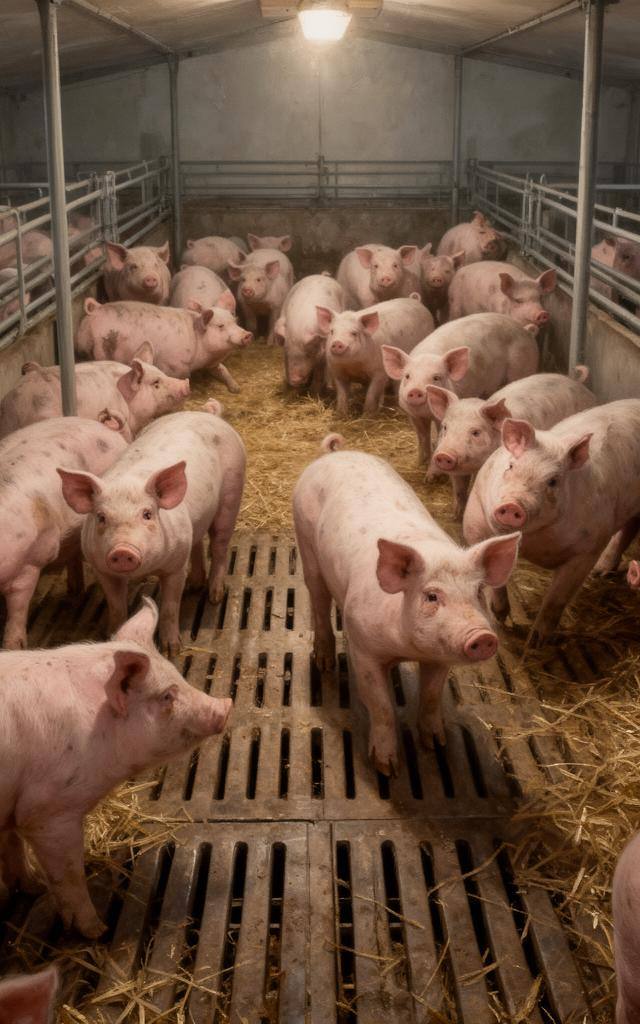
Welfarism: Understanding the Movement for Animal Welfare
Welfarism is an animal ethics approach focused on improving the welfare of animals used by humans, without necessarily challenging their use. It advocates for humane treatment through regulations, certifications, and reforms, but faces criticism from animal rights advocates who see it as legitimizing exploitation.
Updated · September 7, 2026

Quick answer
Welfarism is the movement and ethic that seeks to reduce animal suffering and improve quality of life for animals used by humans, while generally accepting that use. It operates through regulations, certification schemes, and consumer campaigns, but critics argue it may perpetuate animal exploitation by making it seem more acceptable.
Key takeaways
- Welfarism accepts animal use but aims to improve their treatment, focusing on reducing suffering and enhancing well-being.
- It has a long history, from the 1822 Martin's Act to modern bans on battery cages and gestation crates.
- Welfarist policies are visible in farming, research, veterinary ethics, companion animal laws, and entertainment regulations.
- Certification schemes like RSPCA Assured and Certified Humane are practical applications of welfarist principles.
- Critics argue that welfarist reforms legitimize animal exploitation and may delay or hinder animal liberation.
- Scientific evidence shows that welfarist interventions like environmental enrichment can reduce stress and improve animal health.
Welfarism is an approach to animal ethics that seeks to reduce suffering and improve the quality of life for animals within the existing systems that use them, rather than advocating for an end to all animal use. It is distinct from abolitionism and animal rights philosophies because it accepts, with qualifications, the human use of animals for food, research, clothing, and other purposes, focusing instead on 'humane' treatment through legislation, industry standards, and consumer choices. This pragmatic framework has shaped much of modern animal protection policy, from bans on battery cages to certification labels like RSPCA Assured.
At its core, welfarism asks a pragmatic question: how can we make the lives of animals better right now, within the constraints of a world that still widely uses them? Its answer lies in incremental reforms, backed by scientific evidence and political will, that have demonstrably improved conditions for billions of animals globally. However, this approach is not without controversy; critics charge that by making exploitation more 'acceptable,' welfarism can inadvertently sustain the very systems that cause harm. Whether you are a reformist, an abolitionist, or simply curious, understanding welfarism is essential for navigating the complex landscape of animal advocacy and your own choices within it.
Definition
Welfarism, in the context of animal ethics, is an approach that prioritizes the reduction of suffering and the enhancement of the quality of life for non-human animals. It operates within the existing framework of human-animal interaction, accepting, for the most part, the human use of animals for various purposes including food, clothing, research, and companionship. The core tenet is that if animals are to be used, they should be treated 'humanely', meaning their physical and psychological well-being should be considered and protected to a reasonable extent. This often involves advocating for reforms and regulations to improve housing, diet, and handling practices, as described in What is Animal Welfare?.
The welfarist perspective is pragmatic, aiming for incremental changes that can be implemented within current societal and economic structures. It typically does not question the moral legitimacy of using animals but rather focuses on the 'how' – how animals are raised, transported, and slaughtered, or how they are housed and experimented upon. Welfarism's historical roots trace back centuries to early anti-cruelty laws, such as the UK's Martin's Act of 1822, which protected cattle and horses from mistreatment, reflecting a long-standing focus on mitigating suffering rather than eliminating use.
Welfarism operates on a spectrum, from minimal legal standards (e.g., basic shelter and feeding) to higher-welfare certifications that go beyond compliance, like RSPCA Assured. This flexibility allows it to adapt to different cultural and economic contexts, making it a globally relevant framework. However, the definition also highlights a key tension: it improves lives within systems that cause harm, which is the central point of contention explored later.
Where you'll see it
Welfarism is visible in virtually every sector where humans interact with animals, from farm to lab to home. Its influence spans laws, industry standards, and individual choices, making it the dominant approach in modern animal protection policy worldwide. Examples of welfarism are pervasive in modern society, influencing legislation, industry practices, and consumer choices. You will encounter welfarist principles in:
- Agricultural Regulations: Many countries have laws dictating minimum space requirements for farmed animals, ventilation standards, and methods of slaughter intended to reduce pain. For instance, the UK's Welfare of Farmed Animals (England) Regulations 2007 sets out basic welfare standards for all farm animals, covering areas like staffing, accommodation, feeding, and inspection. Similarly, the EU's 1999/74/EC directive banned barren battery cages for hens, a landmark welfarist reform.
- Certification Schemes: Labels such as 'RSPCA Assured' in the UK or 'Certified Humane' in the US indicate that products come from animals raised to specific welfare standards that exceed conventional practices. These schemes often focus on factors like free-range access, environmental enrichment, and restrictions on painful procedures. Certification bodies conduct audits, though critics note that compliance can be inconsistent.
- Veterinary Ethics: The field of veterinary medicine is inherently welfarist, aiming to alleviate animal suffering through treatment, pain management, and advocating for responsible pet ownership. Veterinarians are often the first line of defense in identifying welfare breaches in farms and homes.
- Research Guidelines: Ethical guidelines for animal research often mandate the '3 Rs' principle: Replacement (using non-animal methods where possible), Reduction (minimizing the number of animals used), and Refinement (improving experimental techniques to reduce pain and distress). This is a clear application of welfarist principles, codified in regulations like the US Animal Welfare Act and the EU's Directive 2010/63/EU.
- Consumer Campaigns: Many animal protection organizations launch campaigns encouraging consumers to choose 'welfare-friendly' products, such as cage-free eggs or responsibly sourced meat, rather than advocating for a complete cessation of animal product consumption. These campaigns often target large corporations, as seen in the global cage-free egg pledges from companies like Nestlé and McDonald's, which respond to consumer pressure.
Impact on Policy and Industry
Welfarism has significantly influenced policy development globally, from local ordinances to international agreements. Here’s a breakdown of some areas:
| Area of Influence | Examples of Welfarist Policy/Practice | | :---------------------- | :----------------------------------------------------------------------------------- | | Farmed Animals | Bans on barren battery cages for laying hens (EU Directive 1999/74/EC), gestation crates for pigs (various EU countries, some US states), requirements for stunning before slaughter. | | Laboratory Animals | Legislation requiring institutional animal care and use committees (e.g., Animal Welfare Act in the US), standards for housing and enrichment. | | Companion Animals | Laws against animal cruelty, mandatory licensing, requirements for adequate food, water, and shelter. | | Entertainment Animals | Regulations for zoos and circuses regarding enclosure sizes, environmental enrichment, and veterinary care. |
These interventions, while not ending animal use, demonstrably improve the lives of millions of animals by mitigating some of the most egregious forms of suffering associated with intensive human practices. For example, the EU's 2012 ban on conventional battery cages, implemented after a 13-year phase-in, affected an estimated 300 million laying hens annually, according to the European Commission (2012). Similarly, California's Proposition 2 (2008) led to nationwide shifts in hen and pig housing practices as producers adapted to market demands.
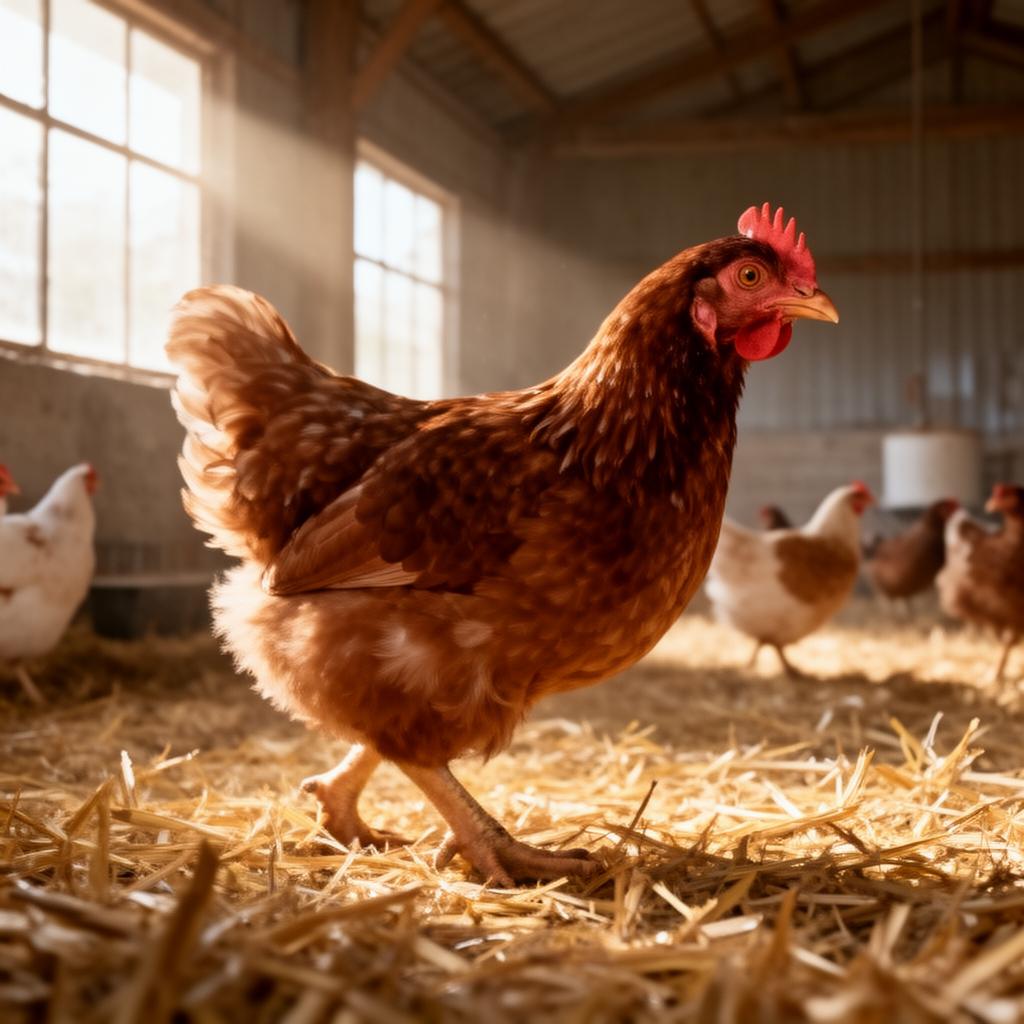 Free-range hen in a spacious, well-lit barn.
Why it's contested
Welfarism is contested because it occupies a middle ground that both pragmatists and idealists find uncomfortable. It faces significant criticism, particularly from advocates of Animal rights and abolitionism, who argue that incremental reform legitimizes exploitation. The primary objection is that by seeking to improve the conditions of animal use, welfarism implicitly endorses the idea that animals are property or resources to be exploited.
Gary Francione, a prominent abolitionist, contends that welfarist reforms often serve to make the public feel better about consuming animal products, thereby perpetuating the very system that causes suffering. He argues that such reforms may even make animal exploitation more economically viable by offering a 'humane' option, thus delaying or even hindering the eventual goal of animal liberation. This critique is echoed in the concept of Speciesism: Unpacking the Bias Against Non-Human Animals, which highlights how welfarism may still embed speciesist hierarchies.
Furthermore, there's debate about the effectiveness of welfarist reforms. Some argue that legislative changes are often weak, poorly enforced, or easily circumvented by industry. For instance, undercover investigations, such as those by Animal Outlook (2021), have repeatedly documented cruelty on certified 'welfare-friendly' farms, raising questions about audit integrity. Others suggest that the very nature of industrial animal agriculture makes truly 'humane' conditions impossible at scale, as space, stress, and genetic selection for productivity inherently compromise well-being. This leads to a cycle of advocating for minimal improvements rather than addressing systemic harm.
The debate also touches upon consumer complicity: whether purchasing 'welfare-friendly' products truly helps animals or merely assuages consciences while sustaining demand. This is a common discussion point in relation to What is Carnism?, where the ideology of meat-eating normalizes consumption, making welfarist labels a psychological buffer.
The Evidence for Welfarism
Welfarism is supported by a substantial body of scientific evidence demonstrating its impact on animal outcomes, though its limits are equally documented. According to a 2020 review in Animals, environmental enrichment, a core welfarist intervention, reduces stress indicators (e.g., cortisol) in pigs and hens by significant margins, improving immune response and even productivity. The evidence base spans ethology, veterinary science, and psychology, offering concrete data on what improves animal lives.
Evidence shows that welfarist reforms yield measurable gains. For example, the removal of battery cages in the EU correlated with reduced keel bone fractures and improved feather condition in hens, as reported in a 2015 study in PLOS ONE. However, evidence also reveals trade-offs: cage-free systems can increase risks of feather pecking and disease if not managed properly, underscoring the complexity of 'better' standards. Research from the European Food Safety Authority (2019) highlights that welfare is multidimensional, involving health, behavior, and mental state, so no single indicator suffices.
"Key stat: A 2020 Animals review found that environmental enrichment reduces stress-related behaviors in farmed pigs by up to 50%, yet enrichment is still not a legal requirement in many regions, including most U.S. states (as of 2023)."
How It Works in Practice
In practice, welfarism operates through a multi-stakeholder process involving legislation, industry self-regulation, and consumer feedback loops. It is not a single mechanism but a network of tools designed to nudge systems toward better outcomes. The process typically begins with advocacy: NGOs document abuses, propose standards, and lobby lawmakers. For instance, the 2015 EU ban on pig gestation crates followed decades of campaigns by groups like Compassion in World Farming, which used scientific evidence to sway policymakers.
Implementation relies on enforcement and verification. Government inspectors, such as those from the UK's Department for Environment, Food & Rural Affairs (Defra), conduct unannounced farm visits, while third-party certifiers use audits and sanctions. However, enforcement is often underfunded; a 2021 report by the Animal Welfare Institute noted that many U.S. states have fewer than 10 inspectors for thousands of farms, leading to gaps in compliance. On the consumer side, labels and campaigns create market pressure, as seen with the proliferation of cage-free pledges.
Costs and Trade-offs
Welfarism carries both economic costs and ethical trade-offs that shape its adoption and backlash. For producers, higher welfare standards often require upfront investment—e.g., transitioning to cage-free housing costs an estimated $40 per hen in retrofits, according to a 2018 USDA study—which can be passed to consumers as higher prices. This creates a barrier for low-income consumers and can disadvantage producers in global markets where cheap imports lack similar standards.
Trade-offs also exist within welfare itself. For example, improving outdoor access for pigs may increase risks of disease and sunburn, while reducing stocking density in aquaculture can raise water usage. Moreover, welfarist reforms may inadvertently sustain industries by making them more 'acceptable,' a central critique from abolitionists. Ethically, welfarism walks a line between pragmatism and principle, often satisfying neither side fully—reformers seek more, while radicals reject any reform as insufficient.
Common Objections and Rebuttals
Objections to welfarism range from philosophical to practical, but each has counterpoints from welfarist advocates. The most frequent criticisms and responses include:
- Objection: Welfarism legitimizes exploitation by making it 'humane.' Rebuttal: Welfarists argue that reducing suffering now is morally imperative, regardless of long-term goals; incremental gains save lives. They point to bans on sow crates, which improved conditions for millions of pigs even if pigs are still used.
- Objection: Welfare standards are poorly enforced, so they're meaningless. Rebuttal: While enforcement gaps exist, legal standards create legal recourse; campaigns result in successful prosecutions, and consumer pressure can improve compliance, as seen in the cage-free market.
- Objection: 'Humane' meat misleads consumers into eating more meat. Rebuttal: Welfarist labels are often paired with education; research suggests they increase awareness of animal suffering, potentially driving some to reduce consumption, though the net effect remains debated.
- Objection: True welfare is impossible under industrial production. Rebuttal: Higher-welfare systems, like pasture-based or crate-free, are viable at moderate scale; welfarism doesn't require perfection, only progress, and has achieved measurable improvements.
Regional Variations
Welfarism manifests differently across regions due to cultural, economic, and political factors, creating a patchwork of standards. In the EU, a centralized regulatory framework, such as Directive 98/58/EC, sets baseline standards, and member states can adopt stricter rules; as a result, Europe leads in bans on practices like battery cages. In contrast, the US relies on state-level initiatives and corporate policies, leading to uneven protections; for example, Massachusetts Question 3 (2016) banned certain confinement systems, but federal laws remain weak.
In Asia, welfarism is evolving rapidly, driven by export demands and local activism. China, the world's largest pork producer, released its first national welfare standards for pigs in 2020, focusing on space and enrichment, though enforcement is inconsistent. Meanwhile, in Australia, welfare standards are voluntary in parts of the industry, but consumer pressure has pushed major retailers to adopt higher standards for eggs and pork. These variations highlight that welfarism is adaptable but also subject to political and economic priorities.
What You Can Do Next
As an individual, you can engage with welfarism in ways that align with your values, whether that means supporting reforms, changing consumption, or advocating for systemic change. A practical first step is to educate yourself: use resources like KindEco's guides on What is Animal Welfare? and Sentience: Understanding the Capacity to Feel to understand the stakes. From there, you can:
- Support welfarist reforms: Advocate for stronger laws in your region, sign petitions, and vote for candidates committed to animal protection. Organizations like the RSPCA and Humane Society provide actionable campaigns.
- Make informed purchases: If you consume animal products, choose certified higher-welfare options when possible, and engage with companies on social media to demand better standards. For example, ask your local supermarkets to disclose their cage-free commitments.
- Explore veganism: If welfarism feels insufficient, consider reducing or eliminating animal products; What is Veganism? offers a starting point, but even partial shifts reduce demand for intensive systems.
- Engage in dialogue: Discuss welfarism's strengths and limits with others, avoiding polarization; understanding both sides fosters more effective advocacy.
Related terms
- Animal Welfare: The physical and psychological state of an animal, which welfarism aims to improve. It refers to the animal's ability to cope with its environment and experience positive states. (What is Animal Welfare?)
- Abolitionism: A philosophy advocating for the complete cessation of human use of animals, arguing that animals have a fundamental right not to be property. (Abolitionism: Ending the Exploitation of Animals)
- Animal Rights: The belief that animals are entitled to possess their own lives and should not be used by humans, often grounded in the concept of sentience. (Animal rights and Sentience: Understanding the Capacity to Feel)
- Veganism: A lifestyle that seeks to exclude, as far as is possible and practicable, all forms of exploitation of, and cruelty to, animals for food, clothing, or any other purpose. While many vegans hold abolitionist views, some may support welfarist reforms as steps towards reducing suffering. (What is Veganism?)
- Speciesism: Discrimination against or exploitation of animal species by human beings, based on an assumption of mankind's superiority. Critics of welfarism argue that it does not fully address speciesism. (Speciesism: Unpacking the Bias Against Non-Human Animals)
- Carnism: The invisible ideology that conditions people to support animal exploitation without question, which welfarism often negotiates with through 'humane' labels. (What is Carnism?)
Trade-offs
Welfarism, while providing immediate benefits to animals, also entails trade-offs. The primary trade-off is that it accepts the use of animals in exchange for improved welfare. Critics argue that this approach can inadvertently bolster industries by legitimizing them and deflecting criticism, a phenomenon known as 'welfarism as window-dressing'. Additionally, welfarist improvements can come at a cost, such as increased production prices due to higher standards of care. Some argue that these costs could be better spent on more impactful or direct interventions.
Common Objections
Welfarism, despite its widespread influence, faces several common objections:
- Inconsistent Application: Critics point out that welfarist standards are not consistently enforced or met, with audits often relying on self-reporting and limited sampling. A 2019 study by the US Department of Agriculture found that 65% of farms inspected had at least one Animal Welfare Act violation.
- Focus on Individual Over Systemic Change: Welfarism tends to focus on individual animal welfare rather than addressing the systemic issues that cause mass suffering, such as the demand for animal products or the funding of animal research.
- Normalization of Exploitation: By accepting animal use, welfarism can normalize and perpetuate industries that exploit animals, diluting the message that the best way to protect animals is to refrain from using them.
The Regional Angle: English-speaking Readers
Welfarism's influence is evident in English-speaking countries, reflecting both shared cultural values and historical ties.
- North America: In the US, welfarist policies include the Animal Welfare Act (1966) and the Humane Slaughter Act (1958). Canada's Code of Practice for the Care and Handling of Farm Animals (2021) sets out minimum standards. Certification schemes like 'Certified Humane' and 'American Humane Certified' are prevalent.
- United Kingdom: The UK has extensive welfarist legislation, including the Animal Welfare Act (2006) and regulations for various animal sectors. Certification schemes like 'RSPCA Assured' are also common.
- Australia: The state of Victoria's Prevention of Cruelty to Animals Act 1986 enshrines welfarist principles, and projects like the RSPCA's Approved Farming Scheme certify farms that meet higher welfare standards.
How It Works in Practice: An Example
Broiler Chicken Welfare
Broiler chickens are a stark example of welfarism's impact and limitations.
Key stat: The global broiler industry produces 66 million tonnes of chicken meat annually, with intensive farming dominant (according to WATTAgone, 2021).
- Welfarist Improvements: Welfare-quarters and higher stocking densities, improved lighting, and enhanced veterinary care have improved bird health and reduced mortalities compared to traditional intensive systems.
- Trade-offs: Despite these improvements, broilers still face significant welfare challenges due to selective breeding for rapid growth leading to health issues, high stocking densities, and environmental concerns related to manure disposal and water usage.
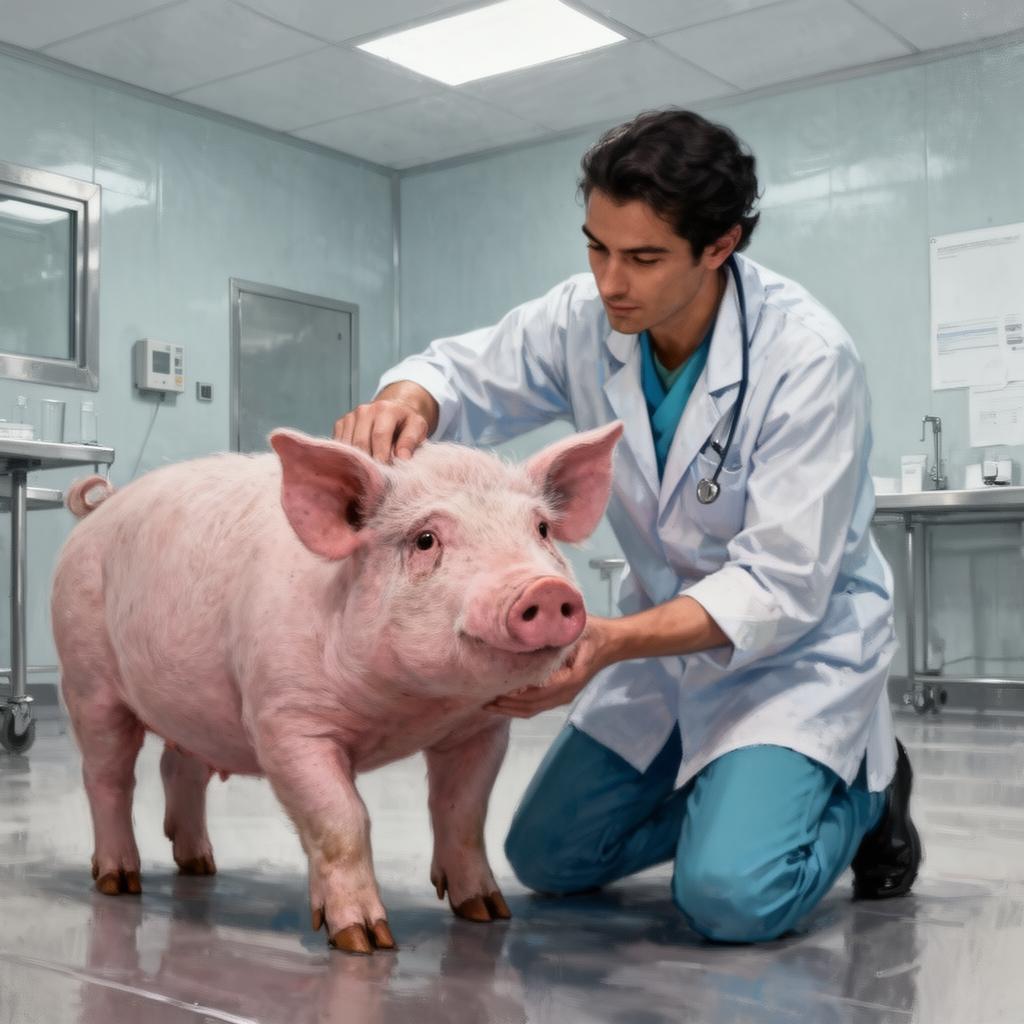 Veterinarian examining a pig in a modern facility.
Arance of Broiler Welfare Around the World (Key stat: varying standards according to World Animal Protection, 2021)
| Country/Region | Broiler Welfare Standards | | :----------------- | :------------------------ | | European Union | EU broiler directive (2007/43/EC) sets stocking densities, lighting conditions and others.
- United States | No federal standards; some states have higher-welfare laws. Nevada has banned battery cages for broilers.
- Brazil | World's largest producer. Few regulations; welfare mainly unaddressed.
Costs and Trade-offs in the Meat Industry
Costs: Higher welfare standards, such as more space per bird and enhanced lighting, increase production costs. A 2014 study by the EU's JRC found that abolishing conventional cages could increase egg prices by 7-11%.
Trade-offs: Futures consider redirecting these costs towards more animals or recovering them in higher product prices. Study: Disney, S., et al. (2014). Welfare label economics: Will consumers pay more for 'higher welfare' products? Animal Welfare, 23(2), 209-219.
Comparison Table: Welfarism vs. Abolitionism
| Criteria | Welfarism | Abolitionism | | :-------------------------------------------- | :----------------------------------------------- | | Approach | Work within existing systems | Aim for system dismantling | | Animal Use | Accepts, but seeks to minimize harm | Sees all use as inherently harmful | | Interventions | Incremental change | Radically transformative | | Timeline | Immediate, tangible improvements | Long-term vision | | Feasibility | Realistic, tailor to context | Philosophically appealing, ambitious | | Potential Pitfalls | Can be inconsistent; normalization of exploitation | Dependent on individual commitment; political | | Examples | European broiler directive; stray animal care | Veganism, sentience-based law reform |
Practical Checklist: Getting Involved
- Edcuate Yourself: Deepen your understanding of welfarism, its successes, and limitations.
- Support Reputable Organizations: Back non-profits and charities engaged in welfarist reforms.
- Advocate: Lobby local governments for stronger welfare laws.
- Vote/Engage with Politicians: Elect policy-makers who prioritize animal welfare.
- Make Smart Shopping Choices: Opt for products from higher welfare systems.
- Consider Testing and Purchases: Reduce demand for animal-tested products and entertainment.
- Share Your Voice: Encourage friends and family to consider welfare issues.
Bottom line: Welfarism offers immediate improvements to animal lives but faces challenges in consistent application and systemic change.
Read next
The common questions