What is Veganism?
Veganism is a philosophy and lifestyle that seeks to exclude all forms of animal exploitation, with a core dietary component eliminating meat, dairy, eggs, and honey, and often extending to avoid leather, wool, and animal-tested products. It is increasingly visible in food, fashion, and policy, but remains contested over nutritional, economic, and cultural concerns.
Updated · September 7, 2026
Quick answer
Veganism is a lifestyle and philosophy that excludes all animal products and exploitation, driven by ethical, environmental, or health motivations. It goes beyond diet to avoid leather, wool, and animal-tested goods. While growing in popularity, it requires careful planning for nutrients like vitamin B12 and is debated for its economic and cultural impacts.
Key takeaways
- Veganism officially seeks to exclude all forms of animal exploitation as far as possible and practicable, extending beyond diet to clothing and other products.
- The global plant-based food market was valued at over $44 billion in 2022 and is projected to grow at about 12% annually through 2030.
- A 2018 study found that beef requires 20 times more land and emits 20 times more greenhouse gases per gram of protein than peas.
- The vegan population in the US increased by 300% between 2004 and 2019.
- Well-planned vegan diets are nutritionally adequate for all life stages and may reduce risk of heart disease, type 2 diabetes, and certain cancers.
- Vitamin B12 is almost exclusively found in animal products, so vegans must rely on fortified foods or supplements.
Veganism is a philosophy and lifestyle that seeks to exclude, as far as possible, all forms of animal exploitation for food, clothing, and other purposes. At its heart, it answers the question "What is veganism?" with a clear answer: it is a deliberate choice to minimize harm to animals, alongside a recognition of the interconnected benefits for human health and the environment. This page unpacks the definition, the evidence, and the practical realities of veganism, helping you understand why it matters and how it works in everyday life.
Veganism is not a single monolithic movement; it spans ethical, environmental, and health motivations, each influencing how individuals practice it. It extends beyond diet to avoid leather, wool, silk, and animal-tested products, and it has gained measurable traction in recent decades. According to a 2023 report by the Plant Based Foods Association, the global plant-based food market surpassed $44 billion in 2022, reflecting a growing hunger for animal-free alternatives. Yet veganism remains contested, with debates over nutrition, economics, and cultural traditions.
This guide provides a comprehensive, evidence-led perspective on veganism—what it is, why it is contested, and how it works in practice. It aims to inform and empower, whether you are a curious omnivore, a new vegan, or a seasoned advocate looking for clear facts. The tone is rigorous and compassionate, never preachy, because understanding is the first step to change.
Definition
Veganism, as officially defined by The Vegan Society, is "a philosophy and way of living which seeks to exclude—as far as is possible and practicable—all forms of exploitation of, and cruelty to, animals for food, clothing or any other purpose; and by extension, promotes the development and use of animal-free alternatives for the benefit of humans, animals and the environment." This foundational definition highlights that veganism is more than a dietary choice; it is a moral stance against animal exploitation that influences consumer decisions across many sectors.
At its core, the dietary aspect of veganism involves abstaining from all animal products. This includes the obvious, such as meat (beef, pork, chicken, fish, seafood), but also extends to products derived from animals, such as dairy (milk, cheese, yogurt, butter), eggs, and honey. Beyond food, ethical veganism typically avoids leather, wool, silk, fur, down, and products tested on animals, like certain cosmetics and household cleaners.
Types of Veganism
While the core definition remains consistent, motivations can lead to slightly different focuses:
- Ethical Veganism: This is the most common form, driven by a moral conviction that animals have a right to life and freedom, and that humans should not exploit them. It extends to all aspects of life, not just diet.
- Environmental Veganism: Motivated by concerns over the environmental impact of animal agriculture, including greenhouse gas emissions, deforestation, water pollution, and land degradation.
- Health Veganism (Plant-Based Diet): Primarily focused on the perceived health benefits of a diet rich in fruits, vegetables, grains, and legumes, and free from animal products. While dietary, many health vegans eventually adopt broader ethical stances.
Where you'll see it
Veganism is increasingly visible in various aspects of modern life, reflecting its growing acceptance and influence. From supermarket aisles to restaurant menus, and from fashion brands to policy discussions, its presence is expanding globally.
In the food sector, the rise of plant-based alternatives is undeniable. Supermarkets now commonly stock an array of vegan products, including plant-based milks (almond, oat, soy), meat substitutes (burgers, sausages, chicken pieces), and dairy-free cheeses and yogurts. Many mainstream food brands have introduced vegan lines or clearly label their products as vegan-friendly. Restaurants, from fast-food chains to fine dining establishments, are also adapting, offering dedicated vegan options or entirely plant-based menus to cater to this growing demographic. The demand for these products is not solely from vegans; a significant portion comes from flexitarians and omnivores looking to reduce their meat and dairy consumption.
Beyond food, vegan principles are evident in the fashion and beauty industries. Brands are increasingly offering clothing and accessories made from animal-free materials, such as synthetic leathers, plant-based silks, and organic cotton. The 'cruelty-free' label, indicating that products and their ingredients were not tested on animals, has become a significant selling point in cosmetics and personal care. Even in entertainment and media, documentaries and educational content on veganism and animal rights have gained widespread viewership, raising public awareness and stimulating discussion.
Globally, national policies and public health campaigns are beginning to acknowledge the role of diet in sustainability and health, occasionally promoting plant-rich diets. For instance, some governmental dietary guidelines now emphasize reducing red meat consumption or increasing plant-based protein sources. The growth of vegan and plant-based movements is also fostering new businesses and innovations, from cell-cultured meat companies to sustainable material developers, illustrating a dynamic and evolving landscape.
Why it's contested
Despite its growing acceptance, veganism remains a topic of considerable debate and often faces criticism or misconceptions. The primary reasons for contestation typically revolve around nutritional adequacy, economic impact, perceived extremism, and cultural traditions.
Nutritionally, concerns are often raised about the ability of a vegan diet to provide all necessary nutrients, particularly protein, iron, calcium, vitamin B12, and omega-3 fatty acids. While scientific consensus, such as that from the Academy of Nutrition and Dietetics, states that a well-planned vegan diet is healthful, nutritionally adequate, and may provide health benefits for the prevention and treatment of certain diseases, the planning aspect is crucial. Critics often highlight instances of poorly planned vegan diets leading to deficiencies, fueling the narrative that it is inherently unhealthy. Vitamin B12, which is almost exclusively found in animal products, requires supplementation or fortified foods for vegans, which some see as an unnatural or inconvenient necessity.
| Nutrient | Vegan Sources | Common Concern |
|---|---|---|
| Protein | Legumes, tofu, tempeh, nuts, seeds, quinoa | Incomplete protein |
| Iron | Lentils, spinach, fortified cereals, dark chocolate | Non-heme iron absorption |
| Calcium | Fortified plant milks, tofu, kale, broccoli | Absorption rate |
| Vitamin B12 | Fortified foods, supplements | Exclusively from animal products |
| Omega-3 | Flaxseed, chia seeds, walnuts, algal oil | ALA conversion to EPA/DHA |
Economically, the large-scale shift to veganism could have significant implications for industries reliant on animal agriculture, such as farming, meat processing, and dairy production. Critics argue this could lead to job losses and disrupt established food systems. There are also concerns about the sustainability of growing certain plant-based ingredients, such as soy or almonds, which can be resource-intensive if not managed properly. However, proponents argue that these concerns can be mitigated through innovation, investment in plant-based agriculture, and retraining programs.
From a social and cultural perspective, veganism is sometimes perceived as an extreme or exclusionary lifestyle. Traditional cuisines and cultural practices in many societies are deeply intertwined with animal products, making a full embrace of veganism seem challenging or even disrespectful to heritage. The ethical arguments for veganism can also be seen as accusatory or judgmental by those who consume animal products, leading to defensiveness and conflict. Misinformation and stereotypes further contribute to the contested nature of veganism, often portraying vegans as dogmatic or humorless.
Evidence and impact: the numbers behind veganism
Veganism's growth is not just anecdotal; it is backed by measurable trends in consumer behavior, environmental science, and health research. The evidence consistently shows that plant-based diets have a lower environmental footprint, and they are increasingly adopted globally.
According to a 2023 report by the Plant Based Foods Association, the global plant-based food market was valued at over $44 billion in 2022 and is projected to grow at a compound annual growth rate of about 12% through 2030. In the UK, a 2022 survey by Finder.com found that approximately 1 in 10 adults now identify as vegetarian or vegan, a significant rise from previous decades. Meanwhile, the number of vegans in the US has increased by 300% between 2004 and 2019, according to a study by GlobalData.
The environmental impact of veganism is well-documented. A landmark 2018 study published in Science by Poore and Nemecek, which analyzed data from 38,000 farms across 119 countries, found that beef production requires 20 times more land and emits 20 times more greenhouse gases per gram of protein than plant-based proteins like peas. The same study found that avoiding meat and dairy is the single biggest way to reduce your environmental impact on Earth—more than reducing flights or switching to electric cars.
"Key stat: The global food system is responsible for about 26% of global greenhouse gas emissions, and animal-based foods account for the majority of that—with beef and dairy being the largest contributors, according to the UN FAO, 2023."
On the health front, the 2021 update of the Academy of Nutrition and Dietetics position paper reaffirmed that "well-planned vegetarian and vegan diets are appropriate for all stages of the life cycle" and may reduce the risk of heart disease, type 2 diabetes, and certain cancers. However, the evidence is nuanced: health outcomes depend on the quality of the diet, and a vegan diet high in processed plant-based meats and refined sugars can be less healthy than a well-balanced omnivorous diet. A 2019 study in the Journal of the American Heart Association found that plant-based diets rich in whole grains, fruits, and vegetables were associated with reduced cardiovascular risk, but plant-based diets high in sugary drinks, fruit juices, and refined grains did not show the same benefit.
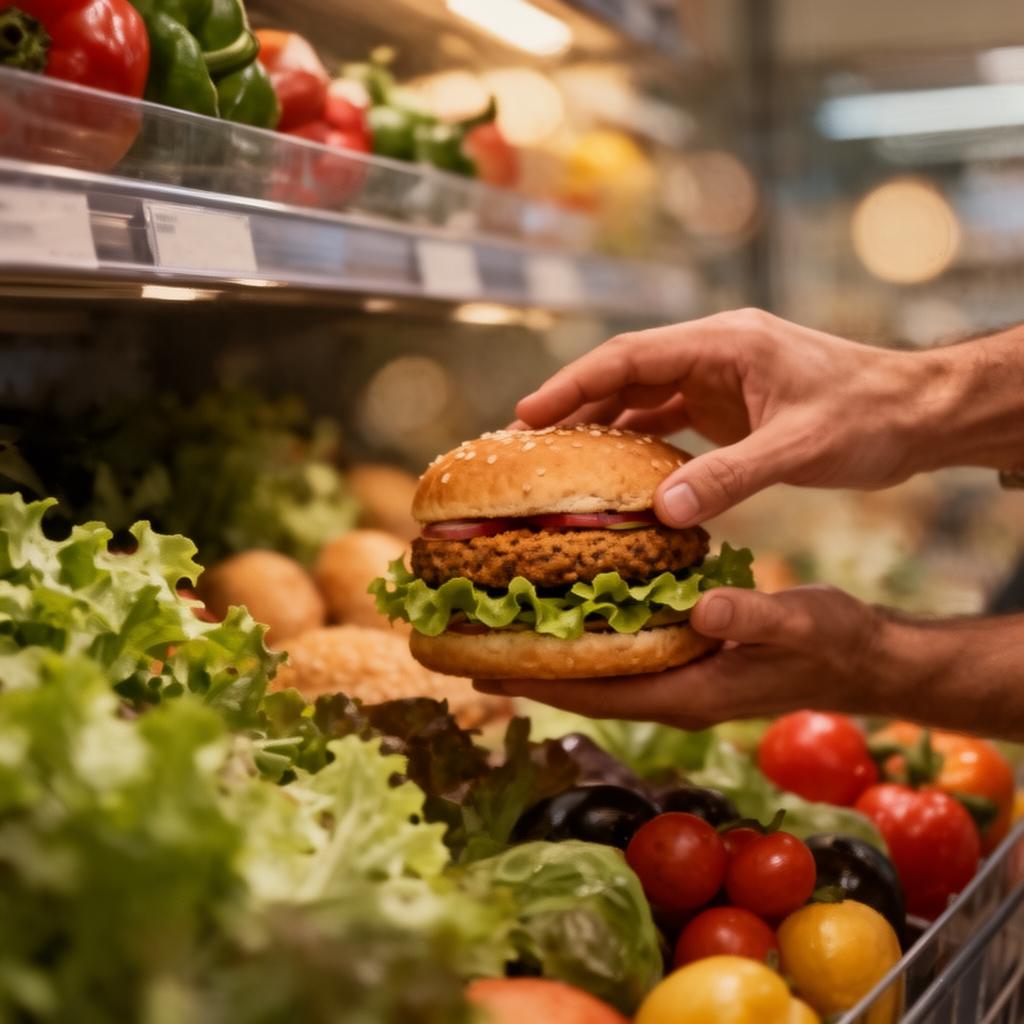
 Supermarket aisle with plant-based milk and meat alternatives
How it works in practice
Adopting veganism in daily life is more straightforward today than ever, thanks to a growing range of products and resources. The key is planning: ensuring nutrient adequacy, navigating social situations, and understanding how to read labels effectively.
Step 1: Plan your plate. A balanced vegan diet includes a variety of fruits, vegetables, legumes, whole grains, nuts, and seeds. To meet protein needs, include sources like lentils, chickpeas, tofu, and quinoa. For calcium, rely on fortified plant milks, leafy greens, and tahini. Vitamin B12 should come from fortified foods (like plant milks, breakfast cereals, and nutritional yeast) or a daily supplement.
Step 2: Learn to read labels. Vegan labeling has improved, but vigilance is still needed. Look for certified vegan logos, but also check ingredient lists for hidden animal-derived additives like casein (from milk), whey, gelatin, and certain E-numbers. The app "Vegan Scanner" can help decode labels in real-time, covering over 100,000 products globally, according to its developer, 2023.
Step 3: Navigate dining out. Many restaurants now offer vegan options or are willing to customize dishes. Apps like HappyCow aggregate vegan and vegetarian restaurants worldwide, with over 150,000 listings as of 2023. When in doubt, call ahead or choose ethnic cuisines—Indian, Middle Eastern, and East Asian cuisines often have naturally vegan dishes like dal, falafel, and vegetable stir-fries.
Step 4: Budget and convenience. Contrary to stereotypes, veganism can be affordable. Staple foods like rice, beans, oats, and seasonal vegetables are among the cheapest groceries. Meal prepping on weekends saves time and money. Frozen vegetables and canned legumes are convenient and cost-effective alternatives, though opt for low-sodium options when possible.
Common pitfalls and solutions
- Vitamin B12 deficiency: The most common deficiency; always supplement or use fortified foods.
- Iron deficiency: Pair iron-rich plant foods with vitamin C (e.g., a squeeze of lemon over lentil soup) to enhance absorption.
- Omega-3 intake: Include ground flaxseeds, chia seeds, or an algal oil supplement.
- Over-reliance on processed foods: Vegan junk food exists; prioritize whole foods for optimal health.
- Social pressure: Bring a vegan dish to gatherings; educate without lecturing; focus on shared values.
Costs and trade-offs
Veganism is not a cost-free choice; it involves financial, social, and environmental trade-offs that vary by individual and location. Understanding these helps make the transition sustainable.
Financially, a vegan diet can be cheaper or more expensive depending on choices. A 2021 US study by Oregon State University found that a whole-foods vegan diet costs about $40 less per week on average than a typical American omnivore diet when using budget-friendly staples. However, premium vegan alternatives like plant-based steaks or artisanal cheeses can cost more than their animal counterparts. Specialty supplements (B12, omega-3) add a small recurring cost, though many fortified foods cover needs.
Socially, veganism can create friction in cultures where meat is central. In family gatherings or business meals, explaining your needs can be uncomfortable. A 2020 survey in the UK by the Vegan Society found that 49% of vegans reported experiencing social pressure, and 31% felt excluded at communal meals. This underscores the importance of community support and proactive communication.
Environmentally, the trade-offs are complex. While global veganism could reduce farmland demand by up to 76% (Poore & Nemecek, 2018), the production of certain plant ingredients like almonds and avocados can be water-intensive in drought-prone regions. The solution is not to abandon plant-based diets but to choose seasonal, local, and low-impact plant foods. For example, lentils and beans have a much lower water footprint than almonds, according to the Water Footprint Network.
"Bottom line: The costs of veganism are real but manageable—financially, it can be cheaper; socially, it requires communication; environmentally, it is overwhelmingly positive, but mindful choices are needed."
Common objections and compassionate responses
Objections to veganism often stem from misconceptions, genuine concerns, or cultural identity. Addressing them with empathy and evidence is more effective than debate.
"Plants have feelings too, so why not eat animals?" This objection conflates plant responsiveness (scientific, yes, but not sentience) with animal consciousness. While plants are alive, they do not have a central nervous system or the capacity to suffer. A 2012 declaration signed by 200+ neuroscientists, the Cambridge Declaration on Consciousness, asserted that humans are not unique in having the neurological substrates for consciousness, acknowledging that many animals do.
"I need animal protein to build muscle." This is a myth. Many top athletes are vegan, including Olympic weightlifter Kendrick Farris and tennis champion Venus Williams. A 2017 review in the Journal of the International Society of Sports Nutrition found that adequately planned plant-based diets can support athletic performance and muscle building, provided protein intake meets requirements—which is easily achieved with legumes, tofu, and protein-rich grains.
"Veganism is too expensive and elitist." While some vegan products are luxury items, the core staples are globally affordable. In low-income countries, plant-based diets are often the norm due to economics. The cost of veganism depends on food choices, not the diet itself.
"What about my cultural heritage?" Veganism is not about erasing culture; it's about reimagining it. Many traditional dishes are already vegan (e.g., Indian dal, Ethiopian injera with lentil stew, Italian pasta with tomato sauce). Culinary traditions evolve, and vegan versions of family recipes can preserve heritage while avoiding animal exploitation.
Regional angle and global perspectives
Veganism manifests differently across regions, shaped by food availability, cultural norms, and economic conditions. The global north has seen the fastest growth in veganism, but the global south has its own plant-based traditions.
In Europe, veganism is thriving—Germany has over 1.1 million vegans (2023, German Federal Ministry of Food and Agriculture), and the Netherlands boasts the world's largest vegan festival annually. The EU labels vegan products with a green leaf logo, and European supermarkets dedicate entire aisles to plant-based alternatives.
In Asia, veganism can be rooted in religious traditions like Jainism and certain Buddhist sects. However, contemporary veganism is rising in urban centers—India has an estimated 500 million vegetarians (though veganism is a smaller subset), and China's plant-based protein market is projected to grow by 20% annually (2022, China Plant-Based Food Association). Still, accessibility varies; rural areas may lack fortified foods.
In Africa, veganism is often the default for economic reasons, with many traditional diets being plant-forward—like Ethiopian lentil stews or Nigerian bean dishes. However, meat consumption is rising as incomes grow, and vegan educational initiatives are emerging to counter Western-style meat-heavy diets.
In the Americas, veganism is mainstream in cities like Los Angeles, São Paulo, and Toronto, but rural and meat-producing regions may be hostile. In Latin America, soy and quinoa are traditional staples, but the rise of animal agriculture for export has environmental costs. South American countries like Brazil have seen a 75% increase in vegan product launches between 2017 and 2021 (Mintel, 2022).
What you can do next
Transitioning to veganism, or even reducing animal products, is a personal journey. Here are concrete steps to start or deepen your commitment.
- Educate yourself: watch documentaries ("Cowspiracy," "What the Health"), read books like "Eating Animals" by Jonathan Safran Foer, and follow credible sources like the Vegan Society.
- Start small: Try Veganuary (committing to veganism for January) or designate a few days a week as plant-based. According to Veganuary, over 700,000 people participated in 2023, and 80% pledged to continue eating significantly less meat afterward.
- Shop intentionally: Prioritize whole foods; explore your local farmers' market for seasonal produce; learn to cook two or three simple vegan recipes.
- Connect with community: Join local vegan meetups, online forums (r/vegan, r/plantbased), or the KindEco community for support and recipe ideas.
- Advocate gently: Share your experiences, host a vegan potluck, or simply be a resource for others.
- Review your non-food products: Switch to cruelty-free cosmetics and household cleaners; check for Leaping Bunny or PETA-certified logos.
Related terms
Understanding veganism often involves familiarity with several related terms that describe different dietary or lifestyle choices, or concepts that underpin its philosophy.
- Plant-based diet: A diet consisting mostly or entirely of foods derived from plants, with minimal or no animal products. This term is often used interchangeably with vegan diet, but "plant-based" generally focuses on the dietary aspect without necessarily adhering to the broader ethical and lifestyle components of veganism.
- Vegetarianism: A dietary practice that excludes meat (including poultry, seafood, and other animal flesh) but typically includes dairy products, eggs, and sometimes honey. There are sub-types, such as lacto-ovo vegetarians (consume dairy and eggs) and lacto-vegetarians (consume dairy, but no eggs).
- Flexitarian: An individual who primarily follows a plant-based diet but occasionally consumes meat or other animal products. It emphasizes flexibility and reducing meat consumption rather than strict avoidance.
- Cruelty-free: A label for products that have not been tested on animals. While often associated with vegan products, a cruelty-free product itself may still contain animal-derived ingredients if not explicitly labeled as vegan.
- Animal rights: A philosophical position that animals should have the same consideration as humans in terms of their interests, and that they should not be used as property or resources. This concept forms a core ethical foundation for many vegans.
- Animal welfare: Focuses on the humane treatment of animals, ensuring they are free from suffering and have good living conditions. While animal welfare advocates seek to improve conditions, they may not necessarily advocate for the abolition of animal product consumption, differing from animal rights.
- Sustainability: The ability to meet the needs of the present without compromising the ability of future generations to meet their own needs. Environmental vegans often highlight how plant-based diets contribute to a more sustainable food system due to lower resource intensity compared to animal agriculture.
Trade-offs and Realistic Costs
The practical trade-offs of veganism usually fall into three buckets: nutrition, convenience, and social friction. None of these are insurmountable, but naming them upfront helps you plan for the transition instead of being caught off guard. According to the Academy of Nutrition and Dietetics (2023), a well-planned vegan diet is healthful and nutritionally adequate, yet the keyword is "planned"—you will need to think about meals more than you did before, at least for the first several months.
Nutritionally, the main trade-off is vitamin B12, which is nearly absent from plant foods. You can get it from fortified plant milks, nutritional yeast, or a low-cost supplement, and most vegan health organisations recommend a daily 25–100 mcg dose (Vegan Society, 2023). Iron and zinc are also less bioavailable from plants, so pairing legumes with vitamin C (e.g., lentils with bell peppers) becomes a habit. The upside? You naturally consume more fibre and fewer saturated fats, which many studies link to lower heart disease risk (BMC Medicine, 2021).
Convenience is the second real cost. While urban centres now offer abundant vegan options, smaller towns may have fewer choices, and eating out often requires asking questions or checking menus. Meal prep becomes a weekly ritual for many vegans—batch-cooking grains, beans, and sauces to avoid last-minute frustration. However, the environmental and ethical payoff is substantial: a global shift to plant-based diets could reduce food-related greenhouse gas emissions by up to 70% by 2050, according to a 2023 United Nations Environment Programme report.
Socially, you may encounter awkward dinners, family skepticism, or the feeling of being the "difficult" guest. The trade-off is that you become an ambassador for a gentler food system, and many find that over time, friends and family become curious rather than critical. A 2022 YouGov poll found that 38% of non-vegans are actively trying to eat more plant-based foods, so your plate can spark positive conversation, not just tension.
Key stat: A 2023 Oxford University study estimated that a vegan diet reduces an individual's carbon footprint by up to 73% compared to a high-meat diet—yet only 1% of the global population currently follows a fully vegan lifestyle.
Common Objections and How to Address Them
The most frequent objection is that veganism is "expensive" or "elitist." While some premium plant-based meats are pricey, staples like rice, beans, lentils, oats, and seasonal vegetables are among the cheapest foods worldwide. A 2022 study by the International Food Policy Research Institute found that in high-income countries, a balanced plant-based diet costs on average 20–30% less than a meat-heavy diet, once you factor out processed alternatives. The real cost barrier is access, not price—food deserts affect everyone, and we discuss that in the regional angle below.
Another common objection is "but plants feel pain too." This is a misunderstanding of sentience—plants lack a central nervous system and the capacity to suffer in the way animals do, as affirmed by a 2020 consensus statement in Trends in Plant Science. What vegans do acknowledge is that plant agriculture still causes harm to animals through habitat loss and farm machinery, so veganism isn't about perfection—it's about reducing harm to the greatest degree possible, which the Vegan Society's definition captures with the phrase "as far as is possible and practicable."
"Where do you get your protein?" is probably the most tired question. The answer is: everywhere—legumes, tofu, tempeh, seitan, quinoa, nuts, and even broccoli. The American College of Sports Medicine (2022) notes that plant proteins can fully support athletic performance when consumed in adequate amounts and variety. Even bodybuilders like Nimai Delgado have thrived on a vegan diet, and a 2021 meta-analysis in Nutrients found no significant difference in muscle strength gains between vegan and omnivorous athletes.
"Veganism is unnatural" is another pivot, but anthropology shows that human diets have always been flexible. Archaeological evidence suggests early hominins consumed mostly plants, and our digestive systems are adapted for omnivory, not meat dependency (Scientific American, 2019). More importantly, "natural" doesn't equal "good"—vaccines, antibiotics, and agriculture are all unnatural, yet we accept them. Veganism is an ethical choice, not a biological error.
Finally, "won't it hurt the economy?" is a legitimate concern, but it's also a transition issue. A 2023 report by the Center for Biological Diversity argued that a just transition to plant agriculture could create net job growth in plant farming, food processing, and renewable industries, while phasing out subsidies for factory farms could free up billions for public health and soil restoration. The shift won't be frictionless, but it's neither inevitable collapse nor utopia.
The Regional Angle: Veganism for English-Speaking Readers
English-speaking countries—the US, UK, Canada, Australia, and New Zealand—share similar patterns: a rising tide of vegan interest, but with distinct regional food cultures that shape how veganism is practised. In the US, veganism has moved from niche to mainstream, with 9.7 million Americans identifying as vegan in 2022 (a 3000% increase from 2004, per Plant Based Foods Association). California leads, but the South is catching up with plant-based comfort food like vegan mac and cheese and BBQ jackfruit.
The UK is arguably the most vegan-friendly nation in the world, with a 2023 estimate of 1.1 million vegans (The Vegan Society). London boasts over 500 fully vegan restaurants, and most pub chains now offer at least one hearty vegan pie or burger. The UK also pioneered the 'vegan financial' space, with apps like VitusVita helping you track your plant-based impact.
Canada and Australia have their own nuances. Canada's multicultural cities—Toronto, Vancouver, Montreal—offer everything from vegan poutine to plant-based dim sum, and the country is a top exporter of pulses, making protein access easy. Australia leads in vegan product innovation, with brands like v2food and Heura expanding globally, and a 2022 survey showing 15% of Australians now eat plant-based meals daily. New Zealand, while smaller, benefits from strong dairy industry roots that are slowly pivoting to plant-based alternatives, given the environmental pressures on dairy farming.
However, each region has its own 'food desert' problem. Rural areas in the US and Canada often lack access to fresh produce, and vegan staple foods may be scarce or pricier. The same applies to remote parts of Australia and the UK. This regional inequity is a real barrier, and it's why KindEco emphasises local solutions: community gardens, buying clubs, and online bulk suppliers can help close the gap. If you live in a rural area, consider starting or joining a food cooperative—the USDA notes that co-ops often carry specialty vegan items at lower prices than convenience stores.
Comparison Table: Vegan vs. Other Plant-Based Diets
To help you choose the right path, here's a clear comparison of veganism and related dietary patterns. The table highlights key differences in philosophy, practical constraints, and health outcomes.
| Diet Type | Definition | Foods Excluded | Primary Motivation | Typical Challenges | Health Notes (per 2023 studies) |
|---|---|---|---|---|---|
| Vegan | Excludes all animal products | Meat, dairy, eggs, honey, gelatin, etc. | Ethical, environmental, health | Vitamin B12 supplementation, social friction | Lower heart disease risk, but may need iron and omega-3s |
| Vegetarian | Excludes meat but allows dairy/eggs | Meat, poultry, fish, seafood | Often ethical, religious, or health | Dairy/egg consumption may raise saturated fat intake | Generally lower chronic disease risk than omnivores |
| Pescatarian | Vegetarian plus fish/seafood | Meat (excluding fish) | Health, sustainability | Overfishing and mercury concerns | Fish provides omega-3s, but sustainability is a question |
| Flexitarian | Mostly plant-based with occasional meat | No strict exclusions | Reduce environmental impact | Lack of clear boundaries | Good for beginners, but environmental benefits depend on frequency of meat eating |
| WFPB (Whole-Food Plant-Based) | Focus on whole plants, minimises processed foods | All animal products, plus oils, refined grains | Health, longevity | Requires more cooking time and label-reading | Often emphasised in heart disease reversal programmes (e.g., Dr. Esselstyn) |
This table helps you see where veganism fits among the broader plant-based spectrum. For many, veganism is the most rigorous ethical choice, but even a flexitarian approach can be a meaningful step, as long as you keep reducing animal product consumption.
 Minimalist vegan pantry with jars of legumes and grains
Practical Checklist for Starting Your Vegan Journey
Ready to go vegan? Use this checklist to make the transition smooth and sustainable. You don't need to do everything at once—pick a few items and build from there.
-
Nutrition Essentials
- ✅ Schedule a blood test to see your baseline levels of iron, B12, and vitamin D.
- ✅ Start a daily B12 supplement (25–100 mcg) or rely on fortified foods at every meal.
- ✅ Include a source of iron (lentils, chickpeas) with vitamin C (citrus, tomatoes) in at least two meals daily.
- ✅ Add a tablespoon of ground flaxseed or chia seeds daily for omega-3s.
- ✅ Consult a registered dietitian, especially if you're pregnant, elderly, or an athlete.
-
Kitchen and Pantry
- 🌱 Replace dairy milk with fortified plant milks—oat and soy typically have the most protein.
- 🌱 Stock up on canned beans, dried lentils, tofu, and tempeh for quick proteins.
- 🌱 Buy a high-quality nutritional yeast for a cheesy flavour and extra B12 (if fortified).
- 🌱 Learn to cook five simple vegan recipes before you start—so you never go hungry.
-
Social and Dining Out
- 📉 Know the restaurant chains with clear vegan menus (most fast-food places have them now).
- 📉 When dining with friends, suggest a vegan-friendly restaurant or offer to bring a dish.
- 📉 Use apps like HappyCow or Abillion to find vegan options anywhere.
- 📉 Politely explain your choice without lecturing—people are more open to a friendly "why" than a debate.
-
Clothing and Household
- ♻️ Check labels for wool, leather, silk, and down—choose cotton, canvas, or synthetic alternatives.
- ♻️ Switch to cruelty-free cosmetics and cleaning products certified by Leaping Bunny or PETA.
- ♻️ When buying second-hand, ask about materials—or embrace the vintage aesthetic of plant-based fabrics.
-
Mindset and Long-Term
- ✅ Expect a two-week adjustment period where you may feel hunger or cravings; that's normal.
- ✅ Join a local vegan group on Meetup or Facebook for support and idea swaps.
- ✅ Track your environmental impact with a footprint app—it's motivating to see your progress.
- ✅ Remember that veganism is a journey, not a perfection contest—any reduction in animal products helps animals and the planet.
Bottom line: Veganism is humanly attainable, nutritionally sound when planned, and widely supported by evidence—but it requires learning, adjustment, and a bit of grace. Use this checklist to start small, stay consistent, and let your values guide you.
Read next
The common questions
People also ask
Related hubs
Do fish feel pain?
Read moreAnswersWhat is the difference between vegan and vegetarian?
Read moreAnswersIs a vegan diet healthy for children?
Read moreAnswersIs cheese addictive?
Read moreAnswersIs almond milk bad for the environment?
Read moreAnswersHow much water does it take to produce a kilo of beef?
Read moreRead next

Animal Rights vs Welfare 2026: 61% Demand End to Factory Farms
A new 2026 global survey reveals that 61% of consumers now support a complete phase-out of factory farming, reshaping the animal rights vs welfare debate.
How to Shift Diets for UK Carbon Mitigation Using IPCC AR6
A practical guide to aligning UK diets with IPCC AR6 WGIII carbon mitigation pathways.

How to Spot Vegan Eating Disorder Risks Clinically
A step-by-step clinician's guide to assessing vegan eating disorder risks without stigmatizing plant-based diets.