
The KindEco

A kinder world starts on your plate.

For the animals. For the planet. For your health. We help curious, compassionate people make the shift to plant-based living — without judgement, and without the noise.

11 languages · Newsroom

The problem

The quiet cost of how we eat.

Every day, more than 200 million land animals are slaughtered for food. Add aquatic animals and the daily number climbs into the billions. To produce them we've built a system that occupies roughly 80% of the world's farmland, drives more deforestation than any other industry, and contributes between 14.5% and 19.5% of global greenhouse-gas emissions. It is, by most measures, the single largest human enterprise on Earth — and the one we think about least.

This isn't an accusation; it's an invitation. KindEco exists because we believe that when people see clearly, they choose differently. And that the way we eat is one of the most meaningful levers ordinary people have to make the world less cruel.

The food system in one chart

Most farmland feeds animals, yet returns little food

Meat, dairy, eggs and farmed fish take up most of the world's agricultural land, including the cropland grown for feed. They supply a small share of what we eat.

More than 80 billion land animals are slaughtered for food each year.
Animal productsPlant foods
  • Share of farmland77% / 23%
  • Share of calories18% / 82%
  • Share of protein37% / 63%

Shifting plates toward plants could free up land on the scale of continents for forests and wildlife.

Source: Poore & Nemecek (2018), Science, via Our World in Data; FAOSTAT

Make it concrete

What does one person actually save?

Slide to a number of days — a week, a month, a year of plant-based eating — and see what your individual decision adds up to.

Illustrative estimates, not measured personal savings. Fixed daily assumptions are multiplied by days; the water figure is an upper-bound footprint estimate. Results depend on the original diet, location, food production and waste. They do not count individual animals rescued or land actually released.

30
1 day1 year
1.7
Animal lives spared
124,920
Litres of water saved
273 kg
CO₂e avoided
255 m²
Land conserved

Upper-bound estimates from Poore & Nemecek (Science, 2018); Mekonnen & Hoekstra (water footprints); Counting Animals (incl. aquatic).

Where to start

Which door speaks to you?

Answer five quick questions and we'll point you to the part of the site most likely to land — for the kind of person you actually are.

Voices

“Auschwitz begins wherever someone looks at a slaughterhouse and thinks: they are only animals.”
Theodor Adorno
Philosopher

The common questions

What people actually ask us

Beans, lentils, rice, oats, potatoes, tofu and seasonal produce are among the cheapest foods on Earth. Meat-analog products can be pricier, but nobody has to buy them.

From the magazine

Latest reporting

All articles →
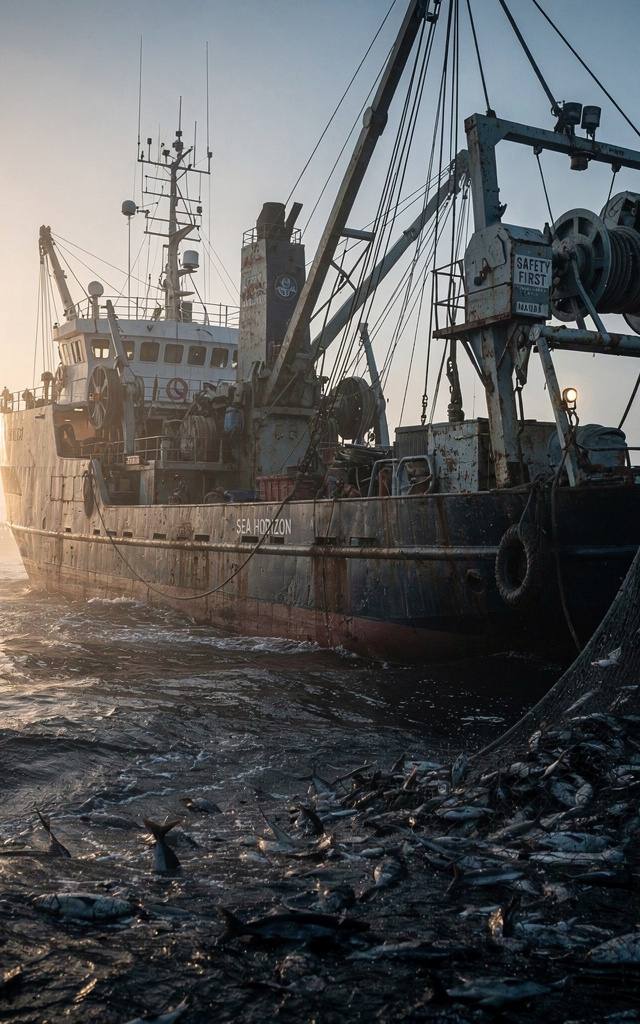
Industrial fishing trawler with a huge net at dawn, illustrating overfishing and ocean collapse
Conservation

Overfishing and Ocean Collapse: Your Seafood Choices Explained

Overfishing is pushing marine ecosystems toward collapse—here is how industrial fishing works, what seafood labels really mean, and how shoppers in the US, UK, Canada, Ireland, Australia and NZ can choose lower-impact options.

7 min read
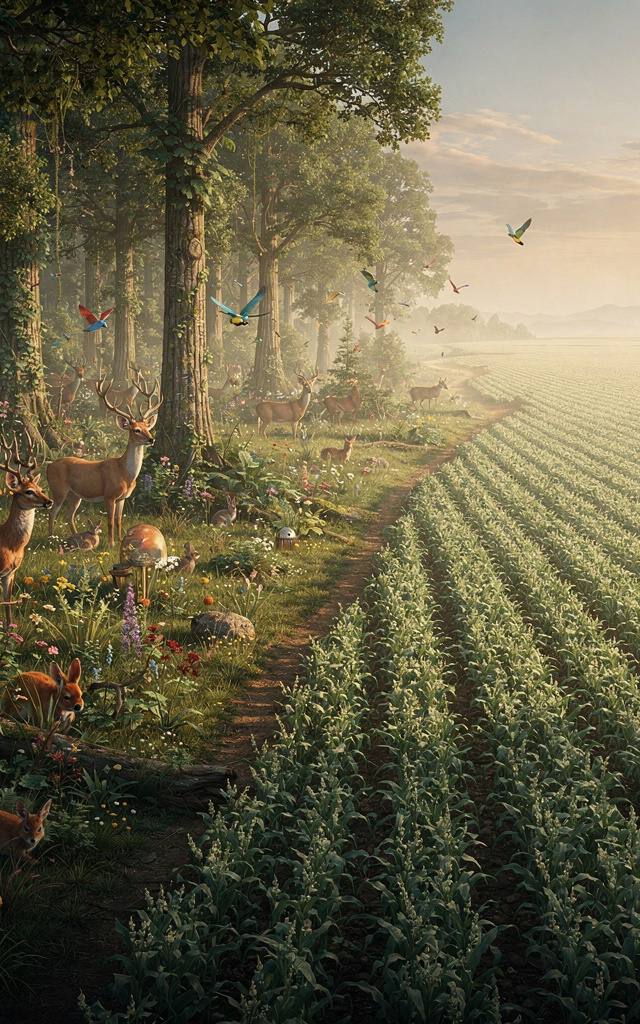
Split landscape showing biodiverse forest and monoculture feed crop field, illustrating biodiversity loss from animal agriculture.
Conservation

Biodiversity Loss from Animal Agriculture: Why Our Food Choices Matter

Animal agriculture is a leading driver of biodiversity loss — here's how factory farming harms wildlife, and which local plant foods can help.

9 min read
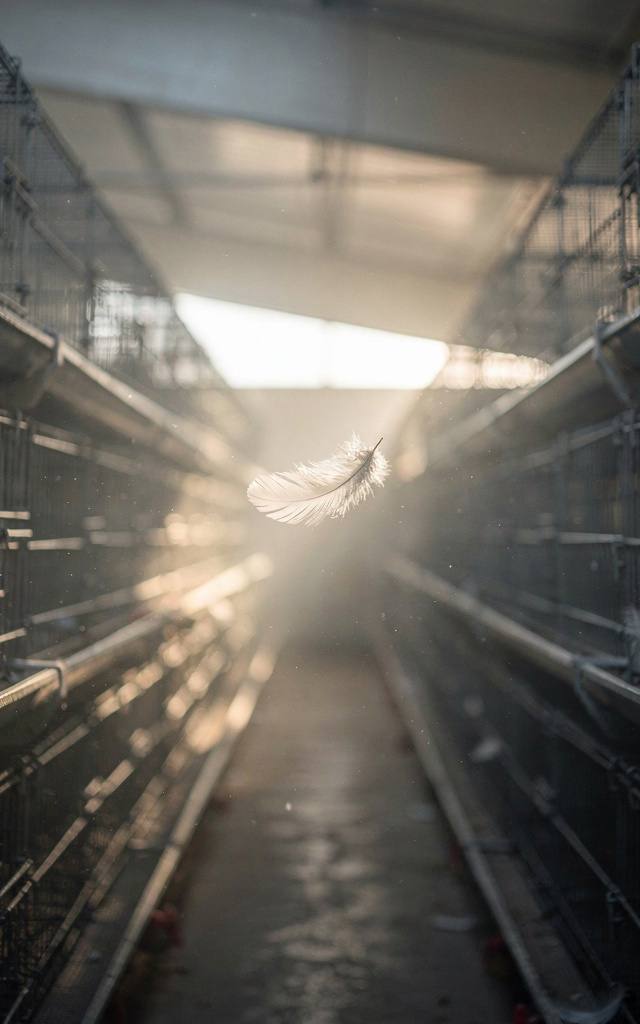
Rows of metal cages inside an industrial factory farming poultry shed at dawn.
Animal Rights

Factory Farming: What It Is and How to Take Action

A clear-eyed explainer on factory farming, its toll on animals and the planet, and the practical steps you can take to opt out.

9 min read
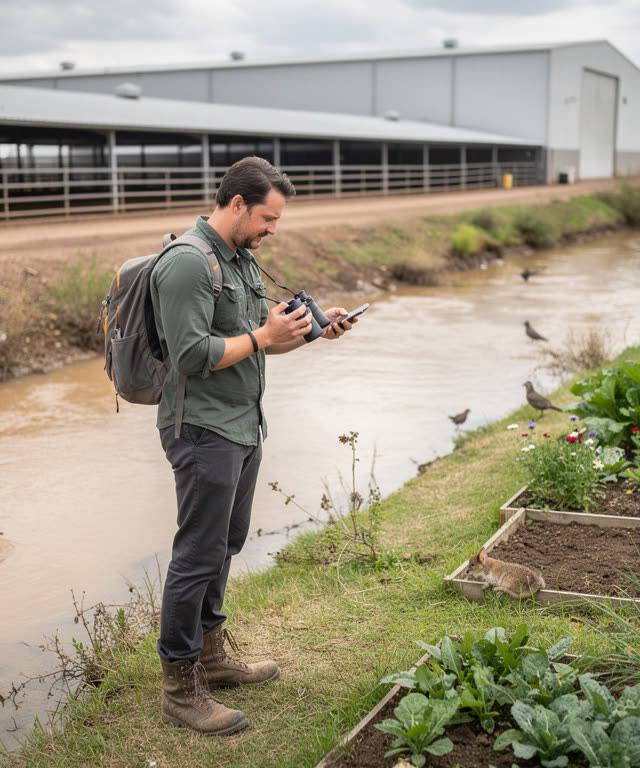
Citizen scientist with binoculars and smartphone monitoring wildlife and water quality near an industrial farm
Farming & Agriculture

Rewilding the Record: Citizen Science Can Help Curb Factory Farming

Volunteer wildlife monitoring can trace the damage done by animal agriculture—and help build the case for a plant-based food system.

9 min read
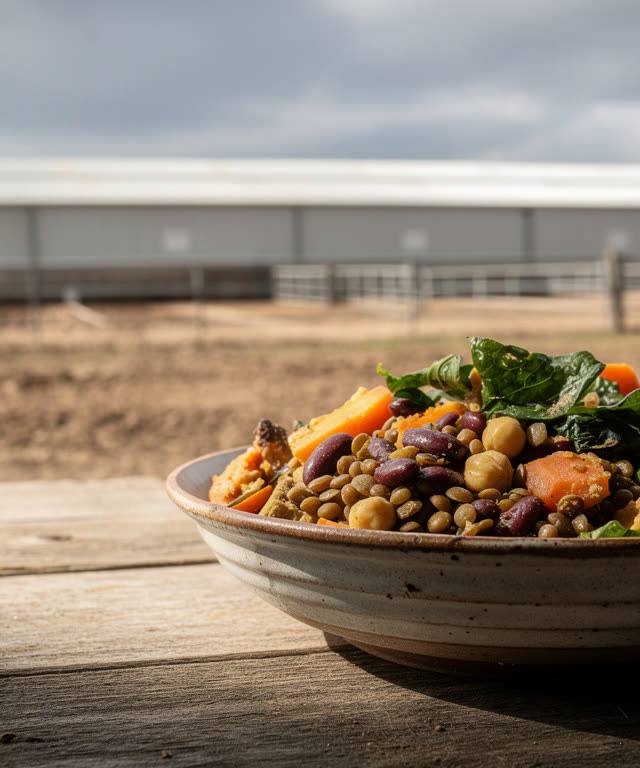
Plant-based meal of lentils and beans on a table with a distant factory farm barn in the background
Ethical Food

Seaweed vs Soil: Carbon Capture and the Meat Industry

How the seaweed-versus-soil carbon debate looks once you put animal agriculture, the planet's biggest land-use problem, at the centre of the frame.

8 min read
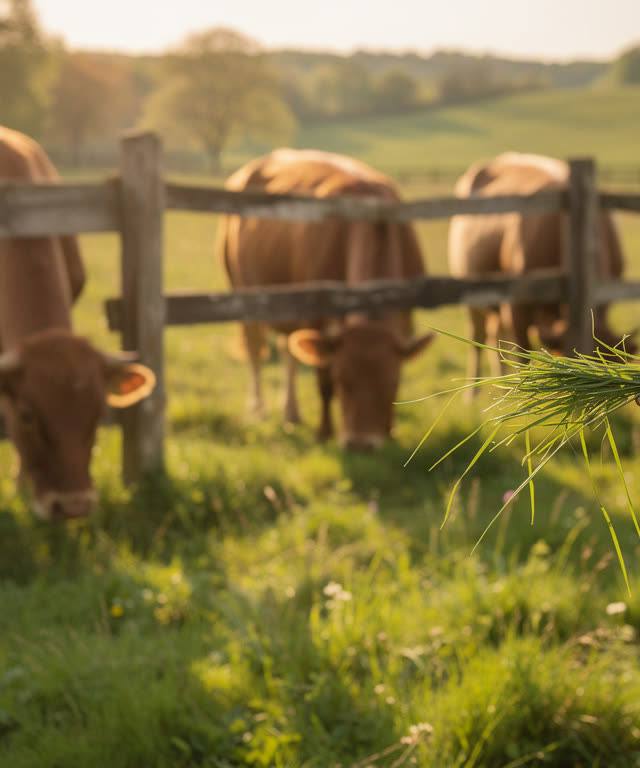
A rescued cow grazing in a sunlit meadow at golden hour, with a person offering grass in the foreground.
Veganism

Welfare Labels Can't Make Factory Farming Kind

Even the strictest animal-welfare certification still ends in a slaughterhouse — and it distracts from the one choice that does the most good.

9 min read

Newsletter

One short letter. Once a month.

A handful of recipes, a story worth your time, and one thing you can do this week. Nothing else.

The kinder briefing

One weekly email: animal advocacy wins, plant-based ideas, climate stories worth your time.

No spam. Unsubscribe with one click.