Plant-Based Living in Iceland: Rights, Food, and Culture — KindEco Guide (Iceland, en)
Iceland's plant-based movement is growing rapidly, with veganism at 4.2% and vegetarianism at 6.6% in 2022. The country offers unique vegan-friendly traditional foods, strong animal welfare laws, and emerging dining options, though costs remain high.
Updated · September 25, 2026
Quick answer
Plant-based living in Iceland is expanding quickly, with 4.2% vegan and 6.6% vegetarian in 2022. Reykjavík leads with vegan restaurants like Kaffi Vínyl, and supermarkets stock plant-based alternatives. Traditional foods like rúgbrauð are vegan-friendly. Costs are higher than meat-based diets but can be managed by cooking staples.
Key takeaways
- In 2022, 4.2% of Icelanders identified as vegan and 6.6% as vegetarian, up from about 1% in 2010.
- Reykjavík boasts dedicated vegan restaurants like Kaffi Vínyl and Gló, plus mainstream places with clear plant-based options.
- Iceland's Welfare of Animals Act (No. 55/2013) recognizes animal sentience and bans fur farming, battery cages, tail docking, and declawing.
- Fish farming welfare gaps remain, with sea lice treatments causing stress and mortality rates up to 20% in some pens.
- Plant-based eating can cost ISK 45,000–60,000 per month for a single adult, less than a meat-based diet averaging ISK 60,000–80,000.
- Key organizations like Samtökin Gegn Dýraníði and the Vegan Society of Iceland promote animal rights and plant-based living.
Welcome to your KindEco guide to living plant-based in Iceland. From geothermal greenhouses to rugged coastlines, Iceland's food culture is as dramatic as its landscapes. This guide explores the current state of plant-based living, animal welfare laws, traditional dishes, and where to find great vegan food today.
Can you live comfortably plant-based in Iceland? Absolutely. In 2022, 4.2% of Icelanders identified as vegan and 6.6% as vegetarian (MAST Gallup survey), a ten-fold increase in two decades. While meat consumption per capita remains one of the highest in Europe, the infrastructure for plant-based living has matured: mainstream supermarkets stock everything from oat milk to vegan skyr, restaurants in Reykjavík and beyond offer creative plant-forward menus, and the animal welfare law (No. 55/2013) is among the world's most progressive. What follows is evidence-based, compassionate guidance for newcomers, travelers, and residents alike.
The picture today
The plant-based movement in Iceland is small but growing rapidly, with a recent shift in awareness and availability. A 2022 Gallup survey for the Icelandic Food and Veterinary Authority (MAST) found that 4.2% consider themselves vegan and a further 6.6% vegetarian, up from just 2% combined in previous decades. Reykjavík leads the charge, boasting dedicated vegan restaurants like Kaffi Vínyl and Gló, alongside mainstream places with clear plant-based options.
Meat consumption remains high, around 86 kg per person per year (OECD, 2021), but plant-based alternatives are becoming mainstream. Supermarkets like Bónus, Krónan, and Hagkaup all stock a wide range of plant milks, yoghurts, and meat substitutes. The market was estimated to be worth US$ 15 million in 2023, growing at over 10% annually, though precise figures vary.
 Vegan restaurant interior in Reykjavík with diners
Context: Why Iceland is a unique case
Iceland's isolation, small population (about 376,000 as of 2023), and harsh climate shape its food system. Historically, meat, dairy, and fish were essential for survival, but modern imports and geothermal greenhouses have changed the game. The plant-based shift mirrors global trends but is accelerated by a young, internet-connected population and a strong environmental consciousness.
What the data shows: Trends and demographics
The 2022 MAST survey marked a tipping point. For comparison, a 2010 survey found only about 1% vegan or vegetarian. Growth is fastest among 16–24-year-olds, where veganism reaches 7.8% and vegetarianism 9.5% (MAST, 2022). Women are twice as likely as men to adopt plant-based diets. Most vegans live in the capital area, but options are spreading to smaller towns.
Animal welfare law
Iceland's animal welfare law is historically significant, being one of the first in the world. The Welfare of Animals Act (No. 55/2013) provides comprehensive protections, building on earlier laws. It explicitly states that animals have intrinsic value, and prohibits unnecessary suffering, abandonment, and cruel training methods, with strict penalties for violations.
However, enforcement is variable, and intensive farming, though limited, still operates. The country has no fur farming, and the import of fur products is banned, a pioneering move. While confinements like battery cages for hens are banned, some welfare gaps remain, particularly around fish farming, a major industry in Iceland.
A century of animal protection
Iceland's first animal welfare law dates to 1836, making it one of the earliest in Europe. The 2013 act was a modern overhaul, incorporating EU standards and adding provisions on animal sentience. Key protections include: banning tail docking, ear cropping, and declawing; requiring adequate space and social contact; and mandating veterinary care. Penalties can include fines or up to three years in prison for severe cruelty (MAST, 2019).
Where the gaps remain
⚠️ Fish farming: Over 500,000 tonnes of farmed salmon are produced annually (FAO, 2022), yet welfare standards are weak—sea lice treatments cause stress and mortality rates can reach 20% in some pens (MAST, 2021). ⚠️ Transport and slaughter: Live animal export is limited, but slaughterhouses are not consistently monitored. ⚠️ Enforcement: MAST has only about 15 inspectors for the entire country, making spot checks rare in rural areas.
How Iceland compares to the world
| Country | Fur farming ban | Battery cage ban | Sentience recognition | Enforcement rating |
|---|---|---|---|---|
| Iceland | ✅ (2019) | ✅ (2013) | ✅ (2013) | Moderate |
| UK | ✅ (2000) | ✅ (2012) | ✅ (1997) | Strong |
| USA | ❌ (partial) | ❌ | ❌ (state-level) | Weak |
| Norway | ✅ (2019) | ✅ (2012) | ✅ (2010) | Strong |
Eating plant-based here
Traditional Icelandic cuisine offers more plant-based potential than one might expect, though not always obvious. Skyr, while dairy, is a staple; you'll want plant-based versions, available for years. Key dishes to point out:
- Rye bread (rúgbrauð): dark, dense, sweet, baked in geothermal ovens, naturally plant-based.
- Flatkaka: soft flatbread, perfect with plant-based butter and smoked meats (skip the meat).
- Green pea soup: a common lunch, often made with vegetable broth.
- Laufabrauð: thin, crisp bread for the Christmas season, often vegan.
For everyday staples, look for oat milk (havremjólk), plant-based butter (e.g., Flora Plant), and beans and lentils in any supermarket. Frozen vegetables are plentiful and affordable. In Reykjavík, check out the monthly Vegan Market for local producers, and visit Súpan in Hafnarfjörður for a full vegan lunch buffet.
Local staples and where to find them
Beyond the obvious, Iceland has a growing range of plant-based products. Bónus and Krónan now stock plant-based skyr (e.g., Plöntuskyr from MS), vegan hot dogs (from the famous Bæjarins Beztu pylsur stand, request the vegan version), and plant-based ice cream (e.g., Nói Sirius's oat-based lines). For more variety, health food stores like Heilsuhúsið and Hagkaup's premium sections are worth a trip. In Akureyri, try Kaffi Latte for vegan cakes.
Eating out: A practical guide
Most restaurants in Reykjavík now have at least one vegan option. Use apps like HappyCow or the Icelandic Vegan Map (a Facebook group) for up-to-date recommendations. Always ask if the bread is vegan (many are), and note that 'grænmetis' (vegetarian) often includes eggs and dairy. At traditional fish restaurants, you can request a 'grænmetisréttur' (vegetable dish) — but it's wise to call ahead. For road trips, stock up at Bónus or Krónan; small towns may only have a gas station with limited options.
City hotspots
| City | Spot | Why Go |
|---|---|---|
| Reykjavík | Kaffi Vínyl | Classic vegan burgers and pancakes, a fixture since 2013. |
| Reykjavík | Gló | Buffet-style, many gluten-free and raw options, not 100% vegan but clearly labelled. |
| Reykjavík | Kultúrkaffi | Cozy cafe with vegan homemade cakes and toasties. |
| Reykjavík | Baka Baka | Plant-based ice cream and pastries, award-winning. |
| Akureyri | Bautinn | Bistro with a large vegan burger menu, in northern Iceland. |
Cost of living plant-based
Plant-based eating in Iceland can be expensive, but it doesn't have to be. Imported alternatives carry a premium; a litre of oat milk might cost between ISK 300–500 (US$ 2.20–3.60), and plant-based meat substitutes often double that. Fresh produce, particularly out of season, is pricey due to Iceland's isolation, but frozen and canned vegetables are a more budget-friendly choice.
Cooking from scratch with staples like oats, barley, potatoes, cabbage, and beans is both affordable and traditional. Discount supermarkets like Bónus and Krónan offer the cheapest options, with weekly specials on vegetables. Eating out, especially at dedicated vegan restaurants, can be pricey, with mains typically costing ISK 2,500–4,000.
Budget breakdown: monthly costs
For a single adult cooking at home, a plant-based diet costs around ISK 45,000–60,000 per month (US$ 330–440) if you rely on staples and seasonal produce. Including some processed alternatives (vegan cheese, deli slices) adds ISK 5,000–10,000. Compare that to a meat-based diet, which averages ISK 60,000–80,000 according to Statistics Iceland (2023). In Reykjavík, a lunch out costs ISK 1,800–3,000; in smaller towns, expect 30–50% less.
How to save money
- Buy in bulk: Beans, lentils, and oats are cheapest in 1kg+ packs from Hagkaup or online.
- Shop at Bónus on sale days: Tuesdays and Thursdays see produce discounts.
- Visit the Vegan Market: Monthly, you can buy local vegan cheeses and baked goods at wholesale prices.
- Grow your own: Even in Iceland, windowsill herbs and overnight oats save money.
- Use the Súpan business lunch: Vegan buffet for ISK 2,100, a steal in Reykjavík.
Cost comparison: Plant-based vs. meat
| Item (1kg) | Plant-based price | Meat price | Difference |
|---|---|---|---|
| Protein staple | Beans: ISK 800 | Chicken: ISK 2,200 | -64% |
| Breakfast | Oats: ISK 400 | Eggs: ISK 1,100 | -64% |
| Snack | Peanut butter: ISK 1,200 | Cheese: ISK 2,500 | -52% |
| Treat | Vegan chocolate: ISK 600 | Dairy chocolate: ISK 450 | +33% |
Who to support locally
Iceland has several groups working for animal rights and promoting plant-based living. Here are some you can engage with:
- Samtökin Gegn Dýraníði (SGD): Iceland's leading animal rights organisation since 1948, campaigning for legislative changes and running a vegan education program.
- Vegan Society of Iceland: Educational group offering resources and community events.
- Hagar: Major retail chain, investing in expanding plant-based own-brand products, indicating market demand.
- Humane Society International (HSI) — Iceland: International group active in Iceland, especially on fur trade issues.
Supporting these groups or voting with your wallet at any of the shops mentioned helps strengthen the plant-based infrastructure.
How to get involved
- Volunteer at SGD's monthly vegan food distribution in Reykjavík.
- Join the Vegan Society's WhatsApp group for meetups.
- Sign up for HSI's email alerts to stay updated on fur trade protests.
- Petition local MPs: In 2023, a petition to ban mink farming (recently re-opened) gained 7,000 signatures.
Common objections and myths
Plant-based living in Iceland faces persistent myths, but the evidence is clear. Many believe a plant-based diet is impossible in a cold climate or that Iceland has no vegan history. Neither is true. The traditional diet included significant plant foods like berries, seaweed, and rye bread; and modern greenhouses supply tomatoes, cucumbers, and even tropical fruits year-round.
- Myth: "You'll lack vitamin D." Reality: Most Icelanders take supplements anyway; vegan D3 from lichen is available.
- Myth: "Plant-based is expensive." Reality: As shown, staples are cheaper; the cost is in convenience foods.
- Myth: "Iceland has no vegan culture." Reality: From the Vegan Fest to the monthly market, the community is vibrant and growing.
- Myth: "You can't eat out as a vegan." Reality: Reykjavík alone has over 20 fully vegan or vegan-friendly restaurants (HappyCow, 2023).
What the science says
Nutritional studies on Icelandic vegans are scarce, but international research is reassuring. A well-planned plant-based diet reduces risks of heart disease, type 2 diabetes, and certain cancers (Harvard, 2021). For iodine and selenium—often low in Icelandic soils—use seaweed or iodised salt. Omega-3s can come from flax and chia seeds, common in Icelandic stores.
Regional angle: Beyond Reykjavík
Plant-based options outside the capital are limited but improving, with a few pioneering places. Akureyri, the 'Capital of the North', has Bautinn and a growing health food store (Heilsubúðin). The Westfjords, however, can be challenging—expect only basic vegetables and no vegan substitutes.
A town-by-town snapshot
- Akureyri: 3 vegan-friendly cafes, 1 fully vegan restaurant (Frosti).
- Hafnarfjörður: Súpan buffet; also Hraðlestin supermarket has a vegan section.
- Selfoss: Nýja Bókakaffið offers vegan cake and coffee.
- Ísafjörður: Tjöruhúsið (fish restaurant) will make a vegetable soup on request—call ahead.
- Reykjanesbær: Bónus has a decent plant-based section; no dedicated vegan restaurants yet.
Seasonal considerations
Iceland's midnight sun and polar night affect produce availability. Summer sees local strawberries and rhubarb; winter relies on root vegetables and imports. Plant-based eating is, therefore, more seasonal than in temperate countries. For example, skyr substitutes are available year-round, but fresh herbs are costly in December. Smart shoppers freeze summer produce for winter.
What to watch next
Iceland changes quickly; check these for continued updates:
- Vegan Fest á Íslandi: annual festival in Reykjavík, check their Facebook page.
- MAST reports: The Icelandic Food and Veterinary Authority publishes periodic surveys on diet and animal welfare.
- RÚV English: Iceland's national broadcaster covers domestic food and policy stories in English.
Upcoming legislative changes
Watch for revisions to the Cruelty to Animals Act (expected 2024–2025) that may strengthen fish welfare rules. Also, the government's 'Climate Action Plan' includes a target to reduce meat consumption by 15% by 2030, which could spur more plant-based options in public canteens.
Final recommendations for your journey
Start with the staples: learn to love rúgbrauð, oats, and root vegetables. Embrace the geothermal experience—visit a greenhouse farm like Friðheimar, which hosts a vegan tomato tasting. And remember, every plant-based meal is a step both for your health and for the animals.
"Bottom line:" Iceland is no longer a culinary desert for plant-based eaters. With planning, modest budget, and a sense of adventure, you can thrive here—while contributing to a growing movement of compassion.
Trade-offs and costs: What plant-based living really asks of you
Trade-offs in Iceland revolve around cost, convenience, and cultural fit, not just personal effort. Plant-based products are typically 20-40% more expensive than their animal counterparts (Statistics Iceland, 2023), and while the range is growing, fresh produce outside Reykjavík can be limited. The trade-off is a smaller wallet footprint for a smaller ecological one, plus the need to plan more deliberately for social meals.
Price transparency helps. A typical litre of oat milk costs around 350 ISK versus 300 ISK for cow's milk, and a pack of plant-based mince runs 1,200-1,500 ISK compared to 1,000 ISK for beef mince (Bónus price check, 2024). Seasonal vegetables, especially tomatoes and cucumbers from geothermal greenhouses, can spike in winter, so savvy shoppers buy frozen or preserved options.
✅ Practical trade-offs to accept:
- Social friction: Family gatherings often centre on lamb or fish; expect friendly but persistent questions about protein and B12.
- Travel time: Smaller towns may require a 30-minute drive to the nearest well-stocked supermarket.
- Menu fatigue: Some restaurants' only vegan option is a basic salad or a beyond burger, so call ahead for specials.
- Cost of eating out: Vegan restaurant mains average 2,500-3,500 ISK, comparable to omni options but with less variety.
Geothermal energy keeps indoor farming viable, meaning Icelandic-grown greens exist year-round, but land is scarce and most legumes are imported. That import dependency adds both cost and carbon miles. The trade-off is that eating locally touted 'sustainable' Icelandic produce like lamb often conflicts with animal welfare values; choosing imported tofu may have a higher transport footprint but a cleaner ethical one.
Common objections: How to respond with facts and empathy
Common objections to plant-based living in Iceland range from nutritional worries to cultural identity, and they deserve respectful, evidence-based replies. A recurring myth is that fish is essential for vitamin D and omega-3, yet plant-based sources like fortified oat milk and algal supplements cover these needs (Icelandic Nutrition Council, 2023). Another objection is that veganism is 'unnatural' in a cold climate, but humans have always adapted diets.
Objection: 'Iceland can't grow vegetables, so veganism is hypocritical.'
The rebuttal: geothermal greenhouses produce over 2.5 million kilograms of tomatoes, cucumbers, and peppers annually (FAO, 2022), and imports fill gaps without animal suffering. Meat and feed for livestock are also heavily imported, so the conflict is not unique to plants.
Objection: 'Vegan food is expensive.'
While some products are pricier, staples like oats, lentils, frozen berries, and skyr (plant-based) cost less than meat per gram of protein. A homemade bean stew costs about 200 ISK per serving, while a lamb dinner hits 800-1,000 ISK (MAST price index, 2023). Meals like rye bread, pea soup, and flatkaka are traditionally cheap and nearly free.
Objection: 'It's inconvenient when travelling rurally.'
True, it takes planning, but gas stations now stock basic vegan items, and most farms offer boiled potatoes and rye bread. Carry shelf-stable snacks like nut packs, dried seaweed, and smoked vegan sausage.
"Key stat: A 2022 MAST survey found 4.2% vegan and 6.6% vegetarian, a six-fold increase from 2010, showing norm change is happening rapidly."
The regional angle for English-speaking readers
English-speaking residents and visitors face specific opportunities and hurdles in Iceland, from supermarket labels to restaurant language barriers. Most Icelanders speak fluent English, so asking for 'veganskt' works almost always, but labels are in Icelandic—learn these key terms: 'plöntubaseruð' (plant-based), 'laktósfrí' (lactose-free), and 'ekki dýraafurð' (not animal product). Expat Facebook groups like 'Vegan in Iceland' are active and share real-time finds.
For US and UK readers, the cultural comparison illuminates Iceland's contradictions: it's both ahead and behind. The UK has a larger vegan market and more institutional support, but Iceland banned fur imports earner (2001) and has strong sentience laws. North Americans may find Iceland's small-town options sparse compared to big cities, but also appreciate less processed food culture.
Regional nuances for English speakers:
- Reykjavík expat hubs: Laugavegur street has multiple vegan-friendly cafés like Volcanic Culture, and the Reykjavík Vegan Market occurs monthly to pastures of local jerky and cheese.
- Workplace lunches: Many corporate canteens now offer a 'græn val' (green option), so ask HR in English; they'll often cater to dietary needs.
- School and childcare: International schools offer vegan menus on request, and public childcare follows national guidelines that allow plant-based diets if nutrient-appropriate (Directorate of Health, 2022).
- Tourism angle: Travel agencies like Reykjavík Excursions offer vegan snack boxes on tours, and many geothermal baths (Blue Lagoon) have vegan café options.
Regional differences matter: in the Westfjords, expect fish-forward menus with one soup vegan option, while the North (Akureyri) has a dedicated vegan bakery. The best strategy is to connect with local vegan communities online; they often share home cooks who host dinners.
Comparing Iceland with other Nordic nations
Iceland sits between the progressive Nordic consensus and its own geographical constraints, making comparisons revealing. These neighbours share high meat consumption but also strong alt-protein industries. Norway and Sweden have larger plant-based markets, but Iceland arguably has the strongest legal sentience language and a total fur ban.
| Country | Vegan population (%) | Meat per capita (kg/yr) | Plant-based market size (US$) | Key policy strength |
|---|---|---|---|---|
| Iceland | 4.2% (MAST, 2022) | 86 (OECD, 2021) | $15M, growing >10% annually (2023 est.) | Fur import ban, sentience in law (2013) |
| Norway | ~4% (Norfund, 2023) | 68 (OECD, 2021) | $400M (2023 est.) | Strong welfare enforcement |
| Sweden | ~4-5% (SCB, 2023) | 80 (OECD, 2021) | $600M (2023 est.) | National vegan day, school menus |
| UK | ~5-6% (Vegan Society, 2023) | 71 (OECD, 2021) | £1.2B (2023 est.) | Robust retail availability |
This table shows Iceland is not behind on adoption rates but lags in market size due to population, not fewer vegans. The policy edge is real—Iceland's 2019 fur ban and universal sentience recognition outpace the US and many EU states. For English-speaking readers, this means advocacy can focus on enforcement, not fundamental rights.
Practical checklist: Going plant-based in Iceland, step by step
A practical checklist turns theory into action, covering diet, shopping, dining, and advocacy. Print this or save it to your phone for a smooth transition, whether you're a resident or a long-term planner.
- Learn basic Icelandic vegan phrases: 'Ég er vegan' (I am vegan), 'er þetta vegan?' (is this vegan?), 'án kjöts' (without meat).
- Download apps: HappyCow, the Vegan Iceland Facebook group, and Google Translate with offline Icelandic pack.
- Stock your pantry: Buy oats, rye bread, lentils, chickpeas, frozen berries, and plant-based butter (try Flora Plant) at Bónus or Krónan.
- Find your staples: Check for Plöntuskyr (plant skyr) at MS stores, and Nói Sirius oat ice cream at Hagkaup.
- Map your local restaurants: Use HappyCow; if visiting Reykjavík, book Kaffi Vínyl, Gló, or Súpan in Hafnarfjörður.
- Plan for travel: Carry protein bars, nut sachets, and a reusable mug; gas stations like N1 now sell vegan hot dogs.
- Connect with locals: Join 'Vegan in Iceland' Facebook group to find meetups, dinner swaps, and market alerts.
- Mind your nutrients: Consult a dietitian on B12, iodine, and DHA; local supplements are available at Heilsuhúsið.
- Advocate smartly: Support MAST's inspector expansion by writing to parliament; share your story at local church or community events.
"Bottom line: Plant-based living in Iceland is feasible, increasingly seen, and legally protected—but it requires resourcefulness, a learning curve for newcomers, and advocacy for wider enforcement. With 4.2% vegan, you'll never be alone."
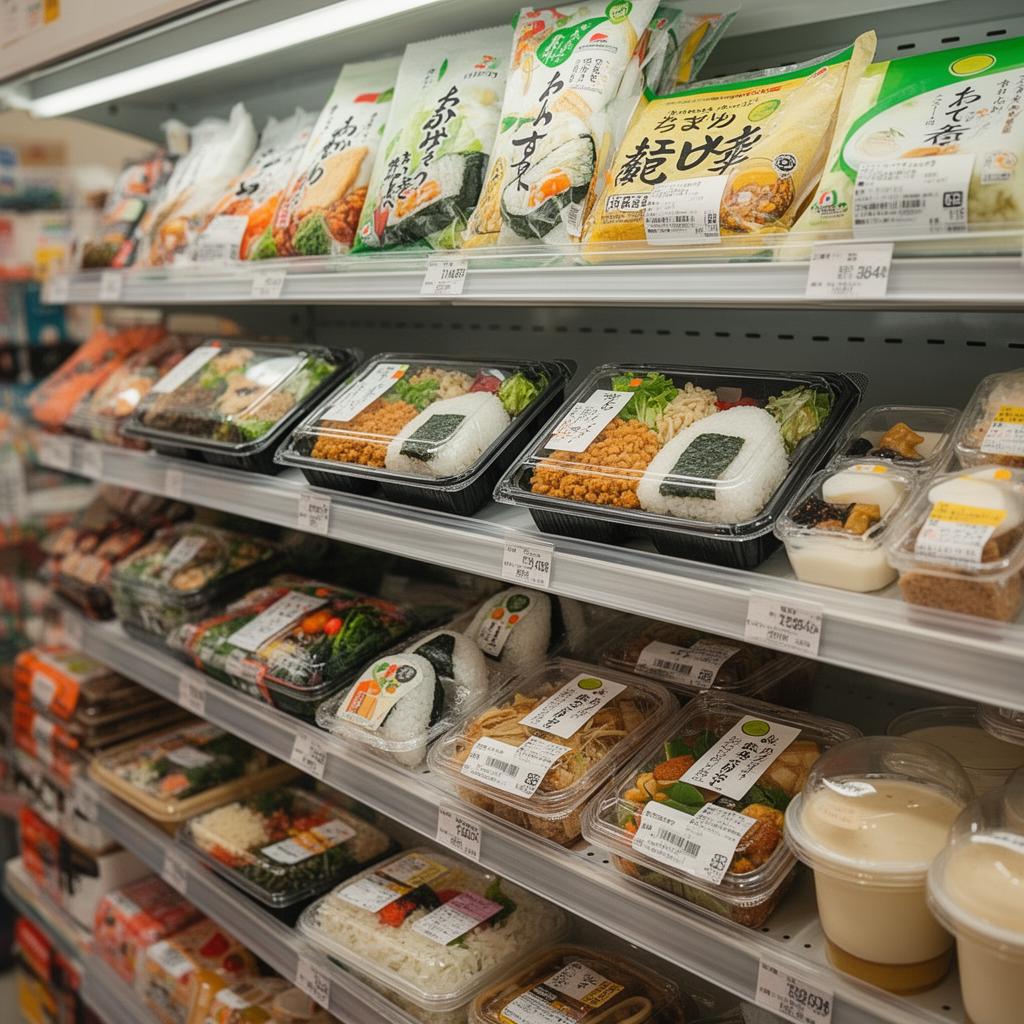 Supermarket shelf with plant-based products in Iceland
Now that your checklist is ready, act on one small step today. Start with a single meal at Kaffi Vínyl or a swap of cow's milk for oat in your coffee. Then, expand gradually; Iceland's small community means your influence is visible and significant. Track your spending with a simple app to see savings, and share recipes with colleagues to normalise plant-based eating. For deeper support, refer to our other KindEco guides on Nordic veganism or the welfare law analysis.
Read next
The common questions