How to Batch-Cook Beans and Pulses: A Simple, Time-Saving Guide for Plant-Based Meals
Batch-cooking beans and pulses saves time, money, and reduces food waste while providing a versatile, protein-rich base for plant-based meals. This guide covers the process, benefits, and practical tips to make it a sustainable weekly habit.
Updated · September 22, 2026
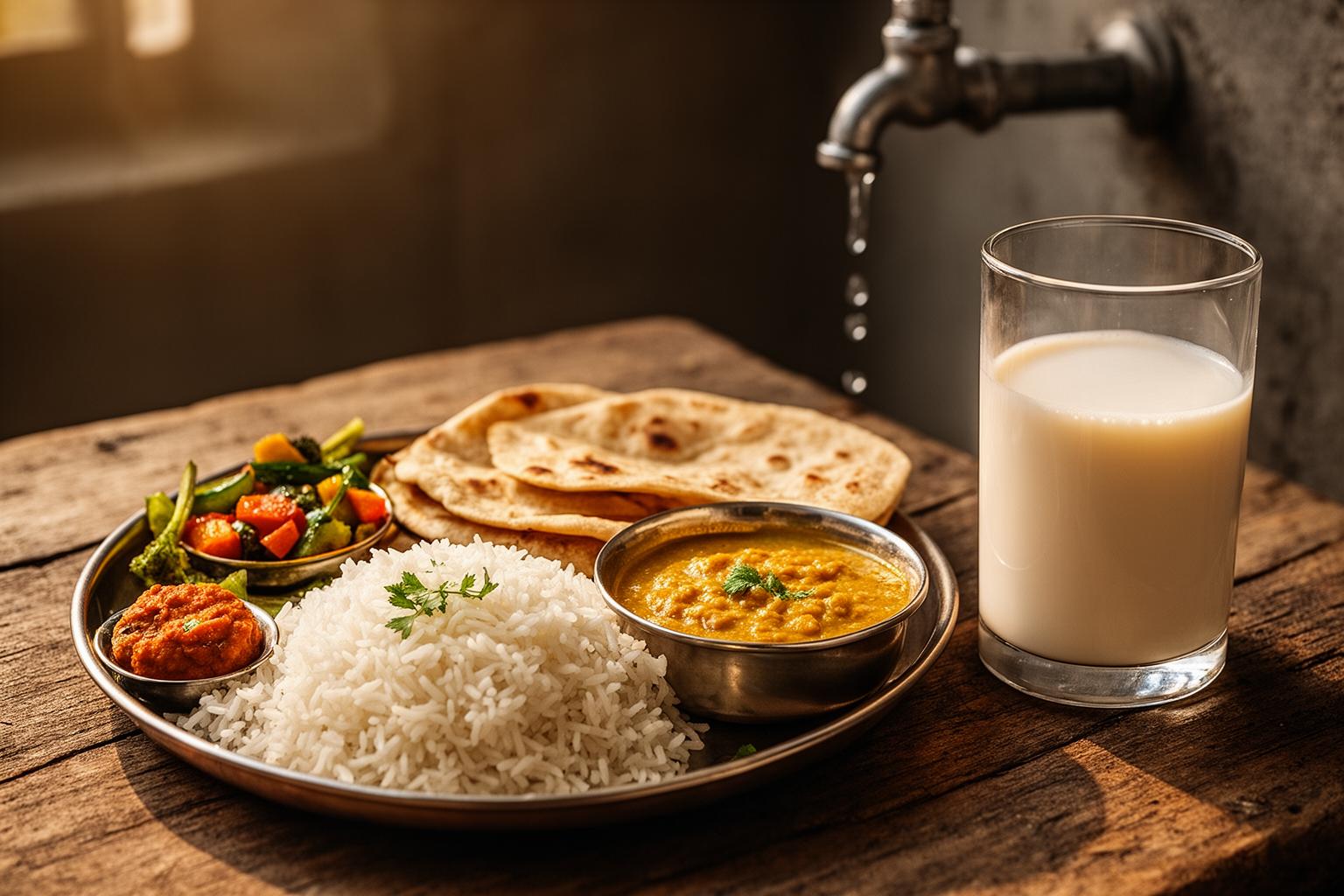
Quick answer
Batch-cooking beans involves sorting, soaking, simmering, cooling, and storing beans in bulk, typically once a week. It saves time and money—dried beans cost under £0.35 per serving versus £0.70-£1.00 for canned—and ensures you always have a nutritious base for quick meals across the week.
Key takeaways
- Batch-cooking beans saves at least 2 hours and £10 per month compared to canned or takeaways.
- Dried beans cost under £0.35 per serving, versus £0.70-£1.00 for canned, saving £150-£300 yearly for a family of four.
- Legume consumption is linked to a 22% lower risk of cardiovascular disease and 33% lower risk of type 2 diabetes (2020 meta-analysis).
- If the UK ate 50% more pulses, diet-related carbon emissions could drop by nearly 5% (WWF 2020).
- Meal preppers save an average of 1.5 hours per week, totaling 78 hours annually (IFIC 2023 survey).
- Beans are a primary protein source in many low-income countries, aligning with sustainable eating (FAO).
Batch-cooking beans and pulses is the single simplest way to save time, money, and stress in a plant-based kitchen. By soaking and simmering a large pot of dried beans once a week, you transform a handful of cheap ingredients into 5-6 servings of protein-rich, fibre-filled food that you can use in salads, stews, dips, or wraps in minutes. This guide covers everything from choosing your beans to storing them properly, so you can build a weekly rhythm that fits your life.
Why bother? Because dried beans cost about a third of canned ones, cook in under two hours (mostly passive), and give you control over salt and flavour. Plus, according to the FAO, plant proteins have a fraction of the environmental impact of meat. Whether you're a busy professional, a parent, or a student, mastering this one habit will revolutionise your weeknight cooking—and your wallet. Let's get started.
Why batch-cooking beans is a game-changer
Batch-cooking beans saves time, money, and mental energy while ensuring you always have a protein-rich, fibre-packed base for plant-based meals. According to the US Dry Bean Council, beans are among the most affordable protein sources, costing roughly one-tenth the price of beef per gram of protein. By dedicating 2 hours once a week, you can eliminate daily cooking stress, reduce food waste, and cut your grocery bill significantly. This practice also aligns with sustainable eating—plant proteins have a much lower carbon footprint than animal proteins, as highlighted by the Food and Agriculture Organization (FAO) in 2023.
The habit is especially valuable for busy professionals, parents, and students who want healthy meals without the daily scramble. A study in the journal Nutrients (2022) found that meal prepping is associated with higher intake of fruits, vegetables, and legumes, and lower body mass index. Batch-cooking beans is the simplest entry point because beans are forgiving, cheap, and versatile. Once your batch is ready, you can toss them into salads, soups, stews, tacos, or grain bowls in minutes.
✅ Bottom line: Even if you only cook one batch a month, you’ll save at least 2 hours and £10 compared to buying canned beans or takeaways. Start small—your future self will thank you.
The evidence: why beans deserve a weekly slot in your kitchen
Beans and pulses are nutritional powerhouses backed by decades of research. The American Heart Association (2021) notes that eating legumes regularly can lower LDL cholesterol, reduce blood pressure, and improve blood sugar control. Full of soluble fibre, beans also feed beneficial gut bacteria, which supports digestion and immunity, per a 2019 review in Gut Microbiome.
Batch-cooking doesn’t change the nutrition profile—it just makes it easier to eat beans daily. A 2020 meta-analysis in Advances in Nutrition concluded that legume consumption (including canned or cooked) is linked to a 22% lower risk of cardiovascular disease and a 33% lower risk of type 2 diabetes. Even canned beans retain most of their nutrients, though drying and cooking from scratch can slightly increase mineral bioavailability, especially for iron and magnesium.
📉 Key stat: If everyone in the UK ate just 50% more pulses (about 100g per week), the UK could cut its diet-related carbon emissions by nearly 5%, according to the WWF's 2020 'Eating for Net Zero' report. Batch-cooking is the practical way to make that a habit.
How batch-cooking beans works in practice
Batch-cooking is a simple routine: sort, soak (for larger beans), simmer, cool, and store. The magic lies in doing it in bulk, so the upfront effort pays off for days. Here’s a typical weekly flow:
- Choose 2-3 bean types (e.g., black beans, chickpeas, and lentils) to keep meals varied.
- Soak overnight in water—no need to refrigerate unless your kitchen is very warm.
- Drain and rinse to remove anti-nutrients, then simmer in fresh water.
- Cool in a single layer for 30 minutes to avoid bacterial growth.
- Portion into 1-2 cup containers, freeze some, refrigerate the rest.
- Use them in curries, grain bowls, wraps, dips, or as a side.
This process can be done in the background—soak before bed, cook while you work from home, and freeze within an hour. On the weekend, you can prepare 3-4 kg of beans in one go, covering 20+ meals.
Costs and trade-offs: what you invest vs. what you save
Batch-cooking beans is one of the most cost-efficient culinary habits. A 500g bag of dried beans costs £1.50-£2.50 and yields about 1.5kg cooked—which is 6-8 servings. That’s under £0.35 per serving, compared to £0.70-£1.00 for a 400g can of beans. Over a year, cooking beans from scratch can save £150-£300 for a family of four, based on UK prices from the Office for National Statistics (ONS, 2024).
⚠️ But note the upfront cost: you’ll need a large pot (5-6 litres) and airtight containers, which you may already own. The energy cost is modest—roughly 10-20p per batch on gas or electric. A pressure cooker can cut cooking time in half, but it’s an optional purchase.
Trade-offs include planning ahead (soaking takes time) and using more storage space in your fridge or freezer. However, the time saved during the week far outweighs the prep effort. For example, a batch of black beans cooked on Sunday gives you 10-minute lunches on Tuesday and Thursday.
Common objections (and why they’re not deal-breakers)
- “I don’t have time to soak.” Use the quick-soak method: bring beans to a boil, let sit for 1 hour, then cook. Or use a pressure cooker with no soak—it works but increases cook time.
- “Beans cause bloating.” Discarding the soaking water removes oligosaccharides. Gradually increasing intake helps your gut adapt, as gastroenterologists advise.
- “Canned beans are easier.” They are, but they cost 2-3x more and often contain added sodium. Batch-cooking gives you control over salt and is far cheaper.
- “I’m cooking for one.” Batch size is flexible—even cooking 1 cup of dry beans gives you 3 cups cooked, enough for 3-4 meals. Freeze in single portions.
- “My beans come out hard.” Check cooking time, use fresh beans (older beans dry out), and don’t cook with acidic ingredients until the end.
✅ Bottom line: Most barriers are minor and fixable with a little knowledge. Start with lentils (no soak) and build up.
Regional angle: beans around the world
Beans are a global staple, each culture adding its twist. In India, dal (lentils) are pressure-cooked daily in minutes; they’re often seasoned with turmeric and cumin. In Mexico, black beans are simmered with onion and epazote, then refried. In Lebanon, chickpeas become hummus or foul, a breakfast stew. The Mediterranean diet highlights beans as a centrepiece, and the FAO reports that pulses are a primary protein source in many low-income countries.
This global perspective matters for batch-cooking: you can adopt any method—stovetop, pressure cooker, slow cooker—and adapt to your flavour preferences.
| Bean type | Cultural use | Flavour pairings | Typical cook time (stovetop) |
|---|---|---|---|
| Black beans | Mexican tacos, Brazilian feijoada | Cumin, lime, coriander | 60-90 min |
| Chickpeas | Middle Eastern hummus, Indian chana masala | Garlic, tahini, garam masala | 60-90 min |
| Lentils (red) | Indian dal, soups | Turmeric, ginger, coconut | 20-30 min |
| Kidney beans | Caribbean rice and peas, chilli | Scotch bonnet, thyme, cocoa | 90-120 min (boil first) |
| Mung beans | Asian stir-fries, desserts | Garlic, sesame, coconut | 30-45 min |
The takeaway: batch-cooking isn’t just Western—it’s how many global cuisines have always fed families.
How to make batch-cooking a weekly habit
Start simple: choose one bean, cook it on Sunday, use it in three meals. Track your time savings to stay motivated. For example, time yourself cooking a 10-minute pasta sauce with beans versus ordering takeout; it’s easy to get hooked.
- Set a recurring calendar reminder for Sunday afternoon.
- Stock up on dried beans in bulk—buy from wholefood shops to save more.
- Keep a “bean log” of what you cooked and used to avoid forgetting.
- Involve family members—delegate sorting and portioning.
🌱 Key stat: Meal preppers save an average of 1.5 hours per week, which is 78 hours a year—enough for three full days of rest, according to a 2023 survey by the International Food Information Council.
Don’t aim for perfection; even a partial batch helps. If you only cook a double amount when you already make a pot, that’s a successful start.
Frequently asked questions about batch-cooking beans
- Can I cook different beans together? Yes, but add them at the right times—chickpeas take 90 minutes, black beans 60, so stagger. Or cook separately and mix later.
- How do I know beans are safe to eat? Especially for kidney beans, boil hard for 10 minutes to destroy lectins, then simmer. Always taste—if gritty, cook longer.
- What if my beans are old? Old beans may never soften; but fresher batches from reputable stores are best.
- Can I freeze cooked beans with liquid? Yes, but it takes longer to thaw. Drain slightly for flat packs.
- Do I need to add baking soda to soften beans? It can help, but it may affect flavour and nutrients; better to cook longer or use a pressure cooker.
⚠️ Safety note: Never eat raw or undercooked kidney beans—they contain harmful toxins. Following the 10-minute boil first is non-negotiable.
What to do next: your first batch plan
Grab a 500g bag of chickpeas and a recipe—hummus, salad, or curry. Follow the steps below for your first session:
- Soak overnight (8-12 hours).
- Drain, rinse, and cook in fresh water for 60-90 minutes.
- Cool and portion into 2-cup containers.
- Use in a meal within 3-4 days, or freeze for up to 3 months.
- Repeat next week with a new bean.
Join a meal-prep community (e.g., r/MealPrepSunday) for inspiration. Track your savings in a notebook—money saved and time freed.
🌱 Bottom line: Your first batch is the hardest; it gets easier. Within a month, you’ll wonder how you ever managed without it.
 Overhead shot of glass containers with portioned beans and herb garnish.
Recap: your batch-cooking cheat sheet
- Soak large beans 8-12 hours (or boil-and-rest for 1 hour).
- Cook in fresh water, simmering gently, until creamy.
- Cool within 30 minutes.
- Store 3-4 days in the fridge, up to 3 months in the freezer.
- Use in salads, soups, stews, dips, bowls.
With this guide, you have everything you need to save time, cut costs, and eat better. Happy cooking!
Trade-offs: convenience vs. control, and how to tip the balance
Batch-cooking beans involves a handful of trade-offs—mainly the initial time investment, the need for planning, and the physical space for storage—but each can be managed with simple strategies. The biggest trade-off is convenience: canned beans are ready in seconds, while dried beans require forethought. However, for most home cooks, the weekly 2-hour batch pays for itself in weekday speed, lower cost, and flavour control. Another trade-off is sodium and additives: canned beans often contain added salt or preservatives, whereas cooking from scratch lets you season exactly to your taste. Storage space can also be a constraint—a large pot, containers, and freezer space are needed—but using stackable containers or vacuum-sealed bags can minimise the footprint. Finally, energy use: simmering beans for 1-2 hours uses electricity or gas, which some argue offsets the cost savings; yet, as the ONS (2024) data suggests, the financial win remains significant. To tip the balance, cook in large batches and freeze half, use a pressure cooker to cut energy and time, and repurpose leftovers into soups or dips to avoid waste. The key is to see the trade-off as a weekly investment, not a daily chore.
Common objections (and why they’re not deal-breakers)
People often hesitate to batch-cook beans due to perceived time, digestive issues, or a preference for canned convenience—but each objection has a practical workaround. The most common objection is “I don’t have time to soak overnight,” solved by the quick-soak method: bring beans to a boil, let them sit for one hour, then cook normally. Another frequent concern is bloating or gas, which can be reduced by discarding the soaking water and introducing beans gradually into your diet—a strategy supported by gastroenterologists. Many argue that canned beans are simpler, but they cost 2-3 times more per serving and often have added sodium; batch-cooking gives you control over salt and reduces packaging waste. Some worry about cooking for one, but you can scale down—even 1 cup of dry beans yields 3 cups cooked—and freeze single portions. Others fear beans turn out hard or bitter, which usually comes down to using old beans, not soaking long enough, or adding acidic ingredients like tomatoes too early.
Bottom line: Most objections are minor and fixable with a little know-how. Start with lentils, which need no soaking, and build your confidence.
Regional angle: how English-speaking cultures are embracing beans
Across the UK, US, Canada, Australia, and Ireland, beans are being rediscovered not just as budget staples but as climate-friendly protein sources, with regional twists shaping how they’re batch-cooked. In the UK, baked beans on toast is a cultural icon, but trend reports from the British Nutrition Foundation (2023) show a rise in home-cooking dried beans, especially in curries and stews, as consumers seek cost savings. In the US, the bean renaissance is visible in Southern cooking (pinto beans) and new-wave plant-based bowls, with the US Dry Bean Council noting increased interest in heirloom varieties like Mayocoba and black-eyed peas. Canada’s multicultural food scene, from Ethiopian shiro to Caribbean red beans and rice, encourages batch-cooking, and climate-conscious consumers often choose chickpeas or lentils for their lower water footprint. Australia, with its sunshine and vegan-friendly cafe culture, sees a surge in hummus and bean dips made from scratch, featured in cookbooks like The Plant-Based Country (2023). Ireland, historically reliant on the potato, is now adopting beans in stews and breakfast scrambles, as the Irish Heart Foundation champions legume-rich diets. Across these regions, the common thread is that batch-cooking beans aligns with local cuisines—British baked beans, American chilli, Australian bean burgers—while also answering the call from environmental groups like WWF to shift protein sources.
Comparison: dried vs. canned vs. frozen beans (cost, time, nutrition, taste)
To help you decide, here’s a practical comparison table of the three main ways to have beans on hand, based on typical UK supermarket prices and nutrition data from the NHS (2023):
| Aspect | Dried (batch-cooked) | Canned | Frozen (pre-cooked) |
|---|---|---|---|
| Cost per 100g cooked | £0.08–£0.12 | £0.25–£0.35 | £0.20–£0.30 |
| Prep time (hands-on) | 10–20 minutes + simmering | 1 minute | 1 minute |
| Total cook time | 1–3 hours (soak + simmer) | None | None |
| Sodium level | Low (you control) | High (often added) | Moderate (check label) |
| Texture & taste | Best—firm, nutty, customised | Good—softer, tinny aftertaste | Good—similar to fresh-cooked |
| Storage life | 12+ months dry; 4 days cooked | 12+ months unopened | 3–6 months in freezer |
| Environmental impact | Low packaging, low energy | High packaging, high transport | Medium packaging, frozen energy |
✅ Key takeaway: Dried beans are the cheapest and most flavourful, but they require the most planning. Frozen beans offer a middle ground—they are already cooked, so you just reheat, and they’re often as affordable as canned when on offer. You can mix approaches: batch-cook dried beans for weekend meals and keep a few cans for emergencies.
Practical checklist: your first batch, step by step
Here’s a checklist to make your first batch-cooking session smooth and successful:
- ✅ Choose your beans — Start with lentils (no soak) or canned-equivalent chickpeas. Pick 1-2 kg total for a weekly batch.
- ✅ Sort and rinse — Spread dried beans on a tray to remove stones or debris, then rinse under cold water.
- ✅ Soak (if needed) — For larger beans, soak overnight in cool water with a pinch of baking soda (optional) to soften skins.
- ✅ Drain and rinse — Always discard the soaking water—it contains anti-nutrients that cause bloating.
- ✅ Cook — Add fresh water (3 cups per cup of beans), bring to a boil, then simmer until tender. Use a pressure cooker to halve time.
- ✅ Season wisely — Add salt, herbs, and spices at the end, not the beginning, to avoid tough skins.
- ✅ Cool quickly — Spread beans on a baking sheet for 30 minutes to bring them below 100°C before storing.
- ✅ Portion — Divide into serving sizes (1–2 cups) using airtight containers or freezer bags.
- ✅ Store — Refrigerate for up to 4 days, freeze for up to 3 months. Label with dates.
- ✅ Plan meals — List 3-4 recipes (salads, stews, dips) and match portions to those.
This checklist condenses all the advice—from the initial cost-saving logic to food safety—so you can follow it every Sunday. Once you’ve done it twice, it’ll become second nature, and you’ll wonder how you ever managed without a fridge full of ready beans.
📉 Key stat: According to a 2022 survey by the UK’s Waste & Resources Action Programme (WRAP), home-cooked dried beans can cut food waste by up to 20% compared to opening cans that you may not fully use. Batch-cooking lets you use every serving, saving both money and the planet.
 Hand filling glass container with beans in a bright kitchen.
What to do next: from batch to bowl in 10 minutes
Once your batch is ready, here are five quick, nutritious ways to turn beans into meals, each under 15 minutes:
- Mash black beans with olive oil, lime, and garlic for instant refried beans.
- Blend chickpeas with tahini, lemon, and ice water for creamy hummus.
- Toss white beans into a pan with cherry tomatoes, spinach, and herbs for a protein-packed sauté.
- Fold cannellini beans into pasta with a splash of pasta water and parmesan.
- Puree red lentils into a warm-spiced soup with coconut milk and curry powder. These ideas require no extra cooking—just reheating—and can be tailored to regional flavours: add harissa in London, chipotle in Austin, or garam masala in Toronto. For longer-term planning, set a recurring calendar reminder every Sunday afternoon, and keep a jar of your favourite spice mix next to the pot. As the UK’s National Health Service (2023) advises, aiming for at least 4 tablespoons of legumes a day is a simple target—your batch makes that effortless. And if you’re cooking for a crowd, double the batch and share with neighbours or freeze for busy weeks. With this guide, you now have the evidence, the practical steps, and the flexibility to make bean-batch cooking a sustainable habit—one that feeds your body and the planet.
Bottom line: Start with one batch this week, use it in two meals, and you’ll see the time and cost savings immediately. The habit compounds.
Read next
The common questions