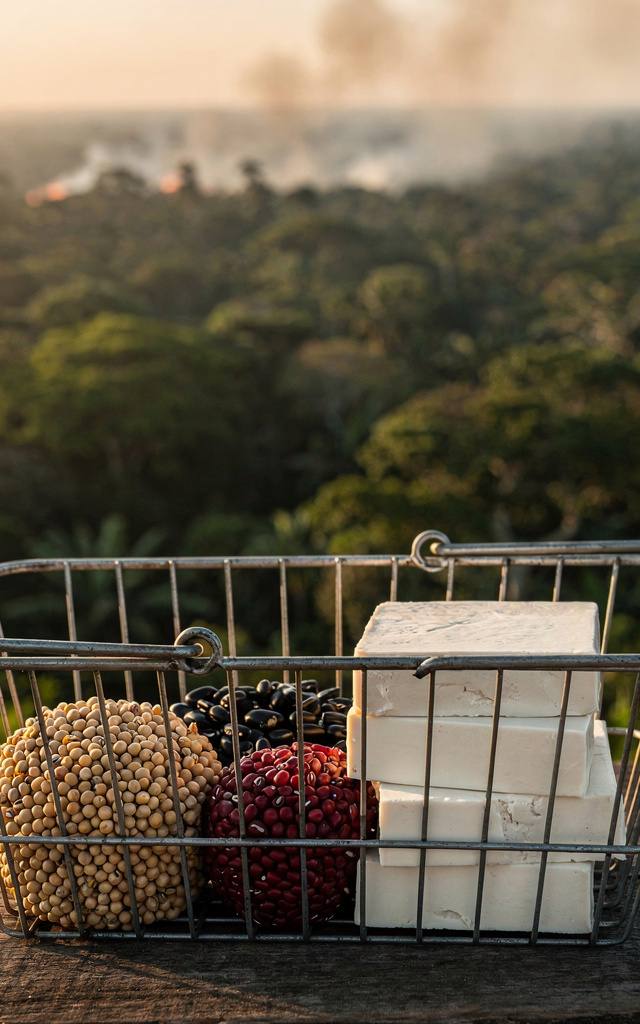
Conservation
Amazon Deforestation: Beef, Soy and Your Shopping Basket
Amazon deforestation is driven largely by cattle ranching and soy fed to factory-farmed animals — here's how your supermarket basket connects to the rainforest.
9 min read

For the animals. For the planet. For your health. We help curious, compassionate people make the shift to plant-based living — without judgement, and without the noise.
11 languages · Newsroom
The problem
Every day, more than 200 million land animals are slaughtered for food. Add aquatic animals and the daily number climbs into the billions. To produce them we've built a system that occupies roughly 80% of the world's farmland, drives more deforestation than any other industry, and contributes between 14.5% and 19.5% of global greenhouse-gas emissions. It is, by most measures, the single largest human enterprise on Earth — and the one we think about least.
This isn't an accusation; it's an invitation. KindEco exists because we believe that when people see clearly, they choose differently. And that the way we eat is one of the most meaningful levers ordinary people have to make the world less cruel.
The food system in one chart
Meat, dairy, eggs and farmed fish take up most of the world's agricultural land, including the cropland grown for feed. They supply a small share of what we eat.
Shifting plates toward plants could free up land on the scale of continents for forests and wildlife.
The four pillars
People come to plant-based living from very different doors. The reasons differ; the destination converges.
More than 80 billion land animals — and trillions of aquatic ones — are killed for food each year. Most never see the sun.
Read more →A 2018 Oxford study of 38,700 farms in 119 countries found plant-based eating is the single biggest thing one person can do.
Read more →Adventist Health, EPIC-Oxford, PREDIMED, EAT-Lancet: plant-eaters live longer, with less heart disease and diabetes.
Read more →A third of the world's grain is grown to feed farmed animals. Redirected to humans, it could nourish billions more.
Read more →Make it concrete
Slide to a number of days — a week, a month, a year of plant-based eating — and see what your individual decision adds up to.
Illustrative estimates, not measured personal savings. Fixed daily assumptions are multiplied by days; the water figure is an upper-bound footprint estimate. Results depend on the original diet, location, food production and waste. They do not count individual animals rescued or land actually released.
Upper-bound estimates from Poore & Nemecek (Science, 2018); Mekonnen & Hoekstra (water footprints); Counting Animals (incl. aquatic).
Where to start
Answer five quick questions and we'll point you to the part of the site most likely to land — for the kind of person you actually are.
Voices
“Auschwitz begins wherever someone looks at a slaughterhouse and thinks: they are only animals.”
Curated films
Documentaries, investigations and short films from advocacy groups and independent filmmakers.
 Documentary trailer
The documentary that made the plant-based case to millions.
Source: Forks Over Knives
 Short film
If slaughterhouses had glass walls, McCartney once said, everyone would be vegetarian. This is what he meant.
Source: PETA
 Documentary trailer
The environmental case against industrial animal agriculture, in 90 seconds.
Source: Cowspiracy
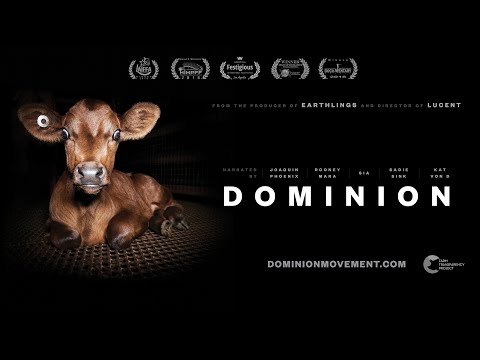 Documentary trailer
An unflinching look at how humans exploit non-human animals across every industry.
Source: Dominion Movement
 Explainer
A calm, data-rich explainer on the environmental math of eating meat.
Source: Kurzgesagt
 Investigation
What the milk carton doesn't show.
Source: Mercy For Animals
The common questions
From the magazine
Amazon deforestation is driven largely by cattle ranching and soy fed to factory-farmed animals — here's how your supermarket basket connects to the rainforest.

A plant-based diet guide to the climate solution science—how far your footprint can fall, and how to start with beans, lentils and tofu from any supermarket.
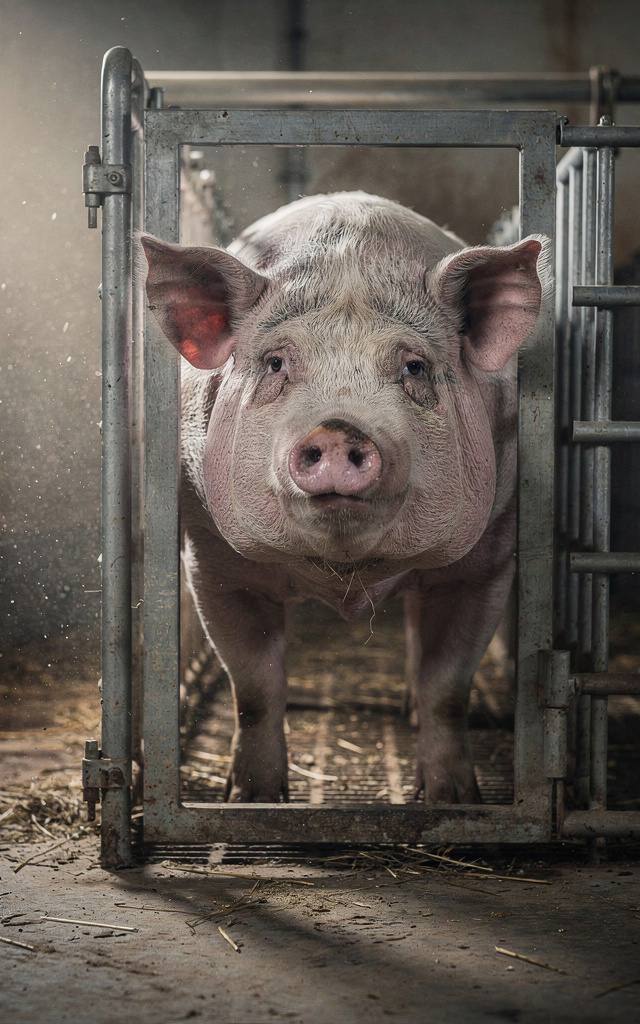
A journey through the life of a factory-farmed pig—from gestation crate to transport—and a map of US state laws versus what actually happens on the ground, with labels and swaps you can use.
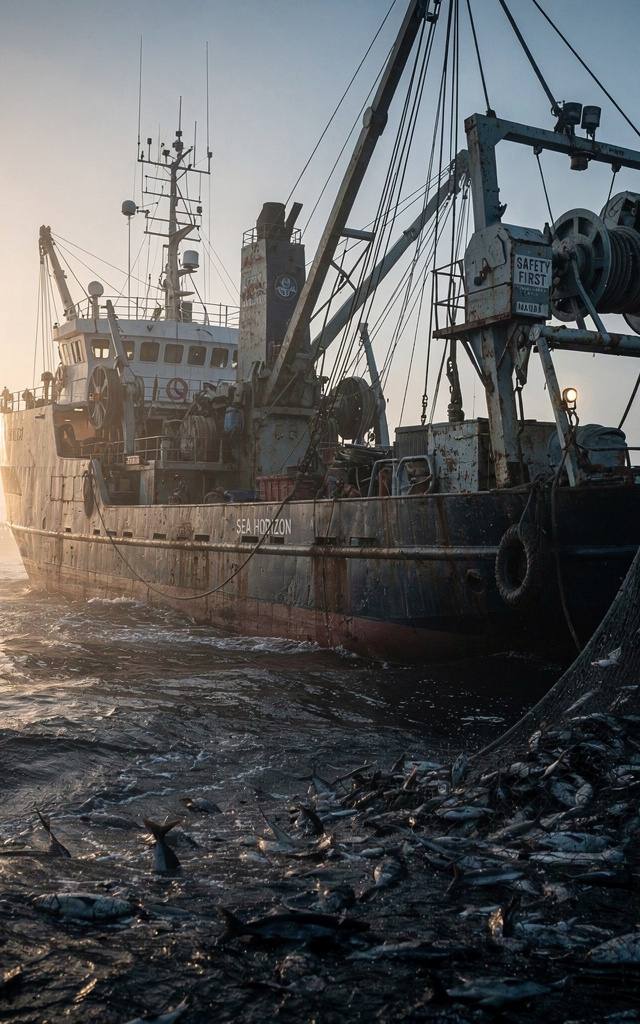
Overfishing is pushing marine ecosystems toward collapse—here is how industrial fishing works, what seafood labels really mean, and how shoppers in the US, UK, Canada, Ireland, Australia and NZ can choose lower-impact options.
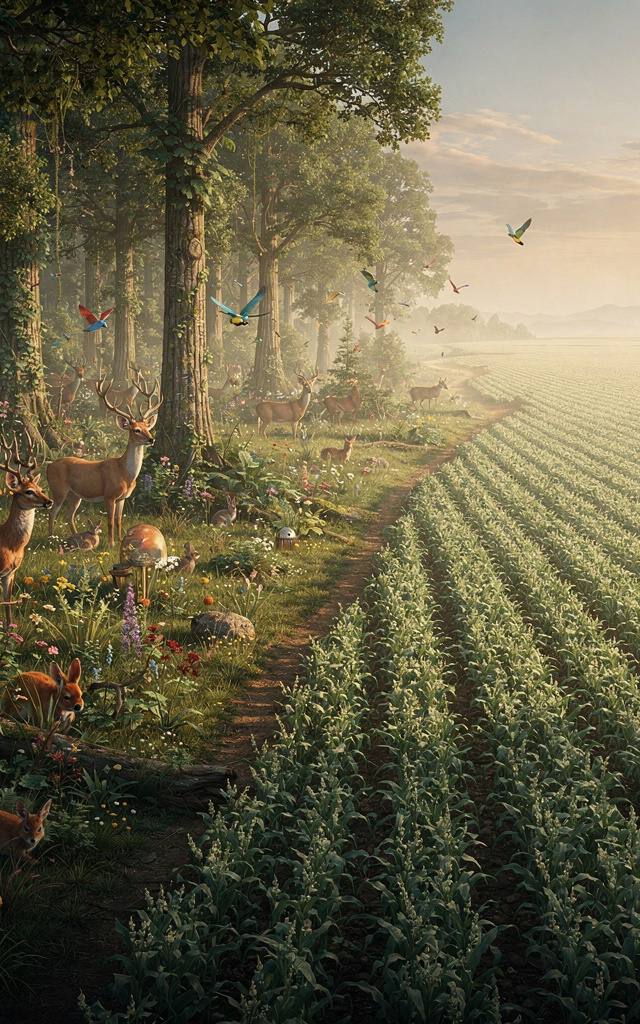
Animal agriculture is a leading driver of biodiversity loss — here's how factory farming harms wildlife, and which local plant foods can help.

A clear-eyed explainer on factory farming, its toll on animals and the planet, and the practical steps you can take to opt out.
Newsletter
A handful of recipes, a story worth your time, and one thing you can do this week. Nothing else.