Tofu vs. Chicken: A Comprehensive Comparison
Tofu and chicken are both protein sources with stark differences in environmental impact, ethics, and nutrition. Tofu is plant-based, cruelty-free, and more sustainable, while chicken offers higher protein but comes with higher emissions and land use.
Updated · September 7, 2026

Quick answer
Tofu is the more sustainable and ethical choice, with lower greenhouse gas emissions, land use, and water consumption per kilogram. While chicken provides more protein per serving, tofu is cholesterol-free, affordable, and avoids animal suffering, making it a compelling alternative for many diets.
Key takeaways
- Chicken produces 6.9 kg CO2eq per kg, while tofu produces only 2.0 kg CO2eq per kg, making tofu over three times more climate-friendly.
- Producing 100g of protein from chicken requires 3.5 square meters of land, while tofu needs only 0.3 square meters—an 11-fold difference.
- Tofu is cholesterol-free and contains isoflavones with potential health benefits, while chicken breast has 85mg of cholesterol per 100g.
- Water usage for 1 kg of chicken is about 4,325 liters, compared to roughly 2,500 liters for tofu.
- Most soy grown globally is for animal feed, not human food; choosing tofu directly supports more efficient human-grade soy production.
- Tofu prices are stable and often cheaper per serving than chicken, especially compared to premium poultry options.
As consumers become more aware of the environmental and ethical implications of their food choices, comparing common staples like tofu and chicken becomes increasingly relevant. Tofu, a plant-based protein made from soybeans, has been a cornerstone of Asian cuisines for centuries, while chicken is one of the most widely consumed meats globally. This comparison delves into their respective impacts on the planet, their nutritional contributions, animal welfare considerations, and economic factors.
The core question—'Which is better: tofu or chicken?'—has a nuanced answer, but the evidence leans strongly toward tofu for most criteria. According to Our World in Data (2020), tofu generates significantly lower greenhouse gas emissions (2.0 kg CO2eq per kg) compared to chicken (6.9 kg CO2eq per kg), uses a fraction of the land, and involves no animal suffering. Nutritionally, both provide protein, but tofu offers heart-healthy benefits with zero cholesterol, while chicken provides more protein per serving but with cholesterol and potential antibiotic concerns. Ultimately, the 'better' choice depends on your priorities: for environmental sustainability, animal welfare, and long-term health, tofu emerges as the superior option; for those valuing high protein density and traditional taste, chicken may appeal, though mindful sourcing can mitigate some drawbacks.
This guide expands on these comparisons, exploring the evidence, practical implications, costs, common objections, and regional differences. Whether you're a curious eater or a committed sustainability advocate, you'll find actionable insights to inform your next meal choice.
How they compare
Tofu and chicken differ fundamentally: tofu is a plant-based protein made from soybeans, while chicken is an animal-based protein. This difference drives disparities across environmental impact, ethics, nutrition, and cost. Both can fit into a healthy diet, but their production methods and broader consequences vary significantly.
Tofu originates from soybeans, which are processed into soymilk and then coagulated into blocks. Chicken, by contrast, involves raising birds for slaughter—a process that consumes feed, water, land, and energy. These differences matter when weighing sustainability, animal welfare, and health outcomes.
Climate and land
Chicken has a significantly higher environmental footprint than tofu, particularly in greenhouse gas emissions and land use. The gap is driven by feed production, waste management, and farming operations.
According to Our World in Data (2020), chicken meat produces an average of 6.9 kg CO2eq per kilogram, while tofu produces only 2.0 kg CO2eq per kilogram—more than three times less. This difference is largely due to the energy and resources required to grow feed for chickens, manage their waste, and operate farming facilities. Land use for chicken farming also far exceeds that for soy cultivation for tofu. Raising chickens requires land for coops, as well as vast agricultural areas to grow feed crops like corn and soy. In contrast, soybeans grown for human consumption directly, as in tofu, are a much more efficient use of land. A 2017 study published in Environmental Science & Technology highlighted that producing 100g of protein from poultry requires about 3.5 square meters of land, whereas the same amount of protein from tofu requires only 0.3 square meters. This means chicken requires approximately 11 times more land than tofu for an equivalent amount of protein.
Water usage is another area where tofu outperforms chicken. Producing 1 kg of chicken meat requires an estimated 4,325 litres of water, encompassing water for drinking, cleaning, and feed production (Mekonnen & Hoekstra, 2010). In comparison, producing 1 kg of tofu requires significantly less water, estimated at around 2,500 litres, although figures can vary based on agricultural practices and specific region. The environmental benefits of choosing tofu extend to reduced methane and nitrous oxide emissions, which are potent greenhouse gases primarily associated with animal agriculture.
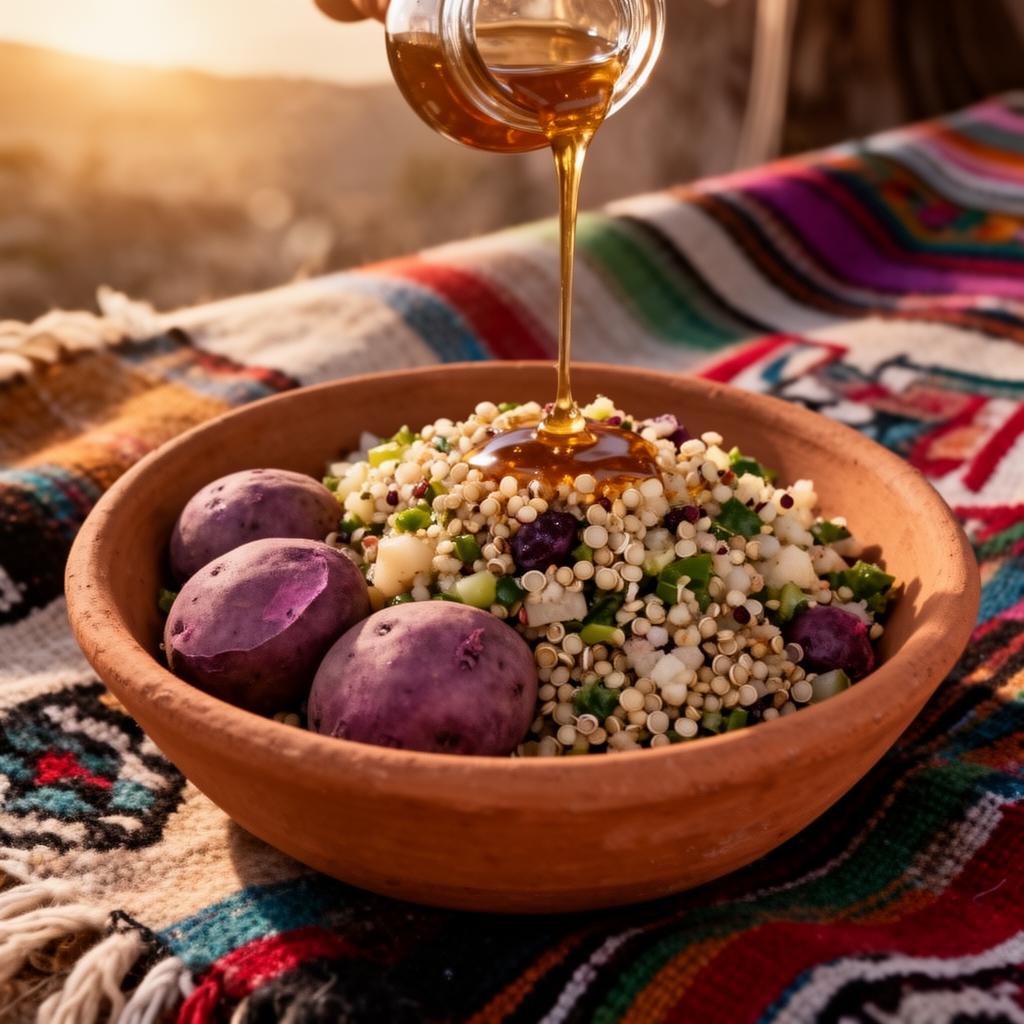 Tofu package with soybeans at a market
Animal welfare
Animal welfare is a primary concern for many consumers, and chicken farming—especially industrial operations—raises significant ethical issues. Tofu, being plant-based, involves no animal suffering.
The vast majority of chickens raised for meat live in crowded, windowless sheds, often unable to express natural behaviours like roosting, dustbathing, or foraging. These conditions can lead to stress, injury, and disease. Organizations like the RSPCA highlight concerns about rapid growth rates in broiler chickens, which can lead to lameness and organ failure. The process of slaughter also involves practices that can be distressing for animals. Tofu production, conversely, involves no animal products or direct animal exploitation. It is made from soybeans, water, and a coagulant, making it a cruelty-free protein source by definition. This fundamental difference makes tofu an appealing choice for those prioritising animal ethics.
Nutrition
Both tofu and chicken provide high-quality protein, but their nutritional profiles differ notably. Tofu offers plant-based protein with beneficial compounds, while chicken delivers lean animal protein with certain vitamins and minerals.
A 100g serving of firm tofu typically provides around 8-10g of protein, 5g of fat, and is a good source of calcium, iron, and manganese. It is naturally cholesterol-free and contains isoflavones, which are plant compounds with potential health benefits (Messina, 2016). Chicken, particularly lean cuts like breast, is a high-quality complete protein source. A 100g serving of cooked chicken breast offers about 31g of protein, 3.6g of fat, and is rich in B vitamins (niacin, B6), phosphorus, and selenium (USDA FoodData Central). However, chicken also contains dietary cholesterol and saturated fat, though in lean cuts, these levels are relatively low. For those monitoring cholesterol intake, tofu presents an advantage. Both foods can be part of a balanced diet, providing essential macronutrients and micronutrients, but tofu offers a clear advantage for those seeking to avoid animal products and cholesterol.
To help visualise the nutritional differences, see the table below.
| Nutrient (per 100g) | Firm Tofu | Chicken Breast (cooked) |
|---|---|---|
| Protein | 8-10g | 31g |
| Fat | 5g | 3.6g |
| Cholesterol | 0mg | 85mg |
| Calcium | 350mg | 15mg |
| Iron | 5.4mg | 1.0mg |
| B12 | 0µg | 0.3µg |
Source: USDA FoodData Central (2021); approximate values.
Cost and availability
In terms of cost and availability, tofu is generally more affordable and consistent in price than chicken, though both are widely accessible. Tofu is a budget-friendly protein, while chicken prices can fluctuate significantly.
A block of firm tofu often costs between £1.50 and £2.50 in UK supermarkets, providing multiple servings (e.g., 4 servings per block). Chicken prices fluctuate, with whole chickens and standard cuts often being economical, but specialty products like organic or free-range can be much pricier. For budget-conscious consumers, tofu frequently offers a more consistent and lower-cost protein source. Both are readily available in most major supermarkets, health food stores, and international markets across the UK.
- Tofu: Typically £1.50-£2.50 per block (400-500g), yielding ~4 servings. Often cheaper per serving than chicken.
- Chicken: Whole chicken ~£3-£5, breast fillets ~£5-£7 per kg, premium options higher.
- Availability: Both are found in supermarkets, but tofu may be limited in smaller stores; chicken is universally stocked.
- Stability: Tofu prices are less volatile than chicken, which is affected by feed costs and disease outbreaks.
Environmental costs beyond climate
Beyond climate, chicken production contributes to other environmental costs such as water pollution and biodiversity loss. Tofu production has lower impacts in these areas, though soy cultivation can contribute to deforestation if not sourced sustainably.
Chicken manure and runoff can contaminate waterways, leading to algal blooms and dead zones (FAO, 2018). Intensive chicken farming also requires antibiotics, which can contribute to antimicrobial resistance. Soy used for tofu, when sourced from certified sustainable farms, avoids deforestation—a key concern in the Amazon. However, it's important to note that most soy grown globally is for animal feed, not human food; choosing tofu directly supports human-grade soy production, which is more efficient.
Common objections and rebuttals
Objection: "Tofu is bland and lacks protein." Rebuttal: Tofu's neutral flavour absorbs seasonings, and its protein content is comparable to many meats per calorie when eaten in typical serving sizes.
Objection: "Soy production destroys rainforests." Rebuttal: The vast majority of soy is fed to livestock; tofu uses a small fraction of soy grown for human consumption, and certified options ensure sustainable practices (WWF, 2020).
Objection: "Tofu is processed and unhealthy." Rebuttal: Traditional tofu is minimally processed—soybeans, water, and a coagulant—and offers health benefits like isoflavones.
Objection: "Chicken is cheaper." Rebuttal: While some chicken cuts are inexpensive, tofu often costs less per serving, especially when considering protein yield (less waste).
Regional angle
Globally, consumption patterns vary, but trends show rising tofu consumption in Western countries and declining chicken consumption in some markets due to health and environmental concerns.
In Asia, tofu has been a staple for centuries, with Japan, China, and Korea having rich traditions of soy-based cuisine. In Europe and North America, tofu is increasingly popular as a meat alternative, with sales growing steadily (Plant Based Foods Association, 2023). Meanwhile, chicken consumption remains high globally but faces scrutiny over antibiotics and factory farming. Local tofu production can reduce carbon footprint by shortening supply chains, whereas chicken often involves long-distance feed transport.
How to make the switch
If you're considering incorporating more tofu, start by choosing the right type—firm or extra-firm for stir-fries, silken for smoothies and desserts.
- Start simple: Replace chicken in a stir-fry with cubed extra-firm tofu—just press and pan-fry until golden.
- Marinate well: Tofu absorbs flavors; use soy sauce, garlic, ginger, or spices.
- Try firmness: Use firm tofu for grilling, silken for soups, and medium for scrambles.
- Budget-friendly: Buy in bulk from Asian markets; prices are often lower.
- Balance meals: Pair tofu with whole grains and vegetables for complete nutrition.
Which should you choose
The choice between tofu and chicken ultimately depends on individual priorities regarding ethics, environmental impact, nutrition, and budget. Tofu consistently wins on sustainability, animal welfare, and cholesterol-free benefits.
For those aiming to reduce their carbon footprint, minimise animal suffering, and consume a cholesterol-free diet, tofu is the superior choice. Its versatility in cooking also makes it an easy substitute for chicken in many recipes, from stir-fries to curries. If your priority is a high-protein, low-fat animal-based option and ethical concerns are secondary, lean chicken can be part of a healthy diet. However, for a truly sustainable and compassionate protein source, tofu consistently outperforms chicken across multiple metrics.
Key takeaways
- Tofu produces about 70% fewer greenhouse gas emissions per kilogram than chicken.
- Tofu uses roughly 11 times less land per unit of protein than chicken.
- Tofu is cholesterol-free and supports animal welfare, while chicken involves factory farming practices that often compromise bird health.
- Both are affordable, but tofu offers more consistent pricing and is often cheaper per serving.
"Bottom line: Tofu is a lower-impact, cruelty-free protein that can easily replace chicken in most diets, offering clear benefits for the planet and its inhabitants."
Trade-offs and hidden costs
Choosing between tofu and chicken involves trade-offs that go beyond price and nutrition, including processing, soy sourcing, and culinary flexibility. Understanding these trade-offs helps you make a choice aligned with your values and practical needs.
One hidden cost of tofu is that it is a processed food: soybeans are soaked, ground, boiled, and coagulated, which requires energy and water at the factory level. However, this processing footprint remains smaller than the full lifecycle of chicken production, which includes feed cultivation, housing, slaughter, and cold-chain distribution. Another trade-off is soy sourcing—unless you choose organic or certified non-GMO tofu, the soy may come from conventionally grown crops, and according to the WWF (2022), soy expansion has been linked to deforestation in South America. For chicken, the hidden costs are more about animal welfare compromises and antibiotic use in intensive systems, with the WHO (2017) noting that antimicrobial resistance is accelerated by routine antibiotic use in livestock.
✅ Key stat (blockquote):
"Key stat: According to the FAO (2013), livestock supply chains contribute 14.5% of global greenhouse gas emissions, and while chicken is lower than beef, it still dwarfs plant-based options like tofu—so the trade-off is not just personal but planetary."
Common objections and honest responses
Common objections to choosing tofu over chicken include concerns about soy's estrogenic effects, the assumption that plant protein is inferior, and the idea that tofu lacks culinary appeal. Each objection deserves a balanced, evidence-based response rather than dismissing it outright.
On the soy estrogen myth: soy isoflavones are not the same as human estrogen, and a 2016 meta-analysis in Critical Reviews in Food Science and Nutrition found no adverse hormonal effects in men consuming soy; in fact, moderate intake may reduce prostate cancer risk. On protein quality: tofu is a complete protein, meaning it provides all nine essential amino acids, though in slightly lower amounts than chicken per serving—so you simply need to eat a bit more tofu to hit the same protein target, which is easy given its lower cost. On taste: tofu's neutral flavour is a blank canvas, but novice cooks often find it bland; the solution is pressing, marinating, or using high-heat techniques like baking or frying, which transform its texture completely.
⚠️ Bottom line (blockquote):
"Bottom line: Most objections to tofu stem from misinformation or unfamiliarity—not from inherent flaws of the food. With a few preparation skills, tofu can match chicken in satisfaction and exceed it in sustainability."
The regional angle for English-speaking readers
For readers in the UK, US, Canada, Australia, and New Zealand, the tofu-versus-chicken decision is shaped by local prices, cultural familiarity, and agricultural policies. Regional context matters because what is affordable in one country may not be in another.
- 🇬🇧 UK: Tofu is widely available in supermarkets (e.g., Tesco, Sainsbury's) and costs £1.50–£2.50 per block, while chicken is cheaper per kilo but has surged in price post-Brexit and due to feed inflation; a 2023 UK government report noted a 15% rise in poultry prices in a year.
- 🇺🇸 US: Chicken is historically cheaper in the US due to industrial scale, but tofu is also affordable, with blocks at $1–$3; the USDA (2022) reports that chicken breast averages $3.50–$4.00 per pound, making tofu competitive per 100g of protein when considering servings.
- 🇨🇦 Canada: Both are accessible, but Canada's rising carbon tax (during 2023) increases the cost of chicken due to fuel and feed transport, while locally produced tofu from companies like Sunrise Soya Foods keeps prices stable.
- 🇦🇺 Australia: Chicken is a staple and cheaper in many stores, but tofu is growing in popularity, especially in urban centres like Sydney and Melbourne; a 2023 survey by Food Frontier indicated that 40% of Australians are now eating plant-based proteins weekly.
- 🇳🇿 New Zealand: Tofu can be pricier due to import costs, but local soy production is emerging, and chicken is expensive relative to other meats, making tofu a viable budget option for many.
🌱 Regional practical note: Check local labels for 'organic' or 'non-GMO' tofu—this addresses both health and environmental concerns, and in the UK, look for the Soil Association mark, while in the US, the USDA Organic seal.
Comparison table: tofu vs. chicken at a glance
The table below summarises key differences across environmental, ethical, nutritional, and practical dimensions. Use it as a quick reference when deciding what to buy.
| Dimension | Tofu | Chicken | Winner (for most readers) |
|---|---|---|---|
| Greenhouse gas emissions (per 1kg) | ~2.0 kg CO2eq (Our World in Data, 2020) | ~6.9 kg CO2eq (Our World in Data, 2020) | Tofu |
| Land use (per 100g protein) | ~0.3 m² (Environmental Science & Technology, 2017) | ~3.5 m² (Environmental Science & Technology, 2017) | Tofu |
| Water use (per 1kg) | ~2,500 L (Mekonnen & Hoekstra, 2010) | ~4,325 L (Mekonnen & Hoekstra, 2010) | Tofu |
| Animal welfare | No animals harmed | Industrial farming often causes suffering | Tofu |
| Protein (per 100g) | 8–10g | 31g | Chicken |
| Cholesterol | 0mg | 85mg | Tofu |
| Cost (UK, per serving) | ~£0.50 | ~£1.50–£2.00 | Tofu |
| Culinary versatility | High, but needs marination | High, cooks quickly | Tie |
| Cultural familiarity | Lower in Western diets | Very high | Chicken |
Note: Values are approximate and vary by production method and region—see sources in the sections above.
Practical checklist for making the switch
If you are considering adding more tofu to your diet, use this checklist to succeed without feeling like you are missing out. Each step is designed to be actionable and low-effort.
- Start with extra-firm tofu: It holds its shape better than silken or soft tofu and is easier for beginners to cook.
- Press it properly: Wrap the tofu block in a clean towel and place a heavy object on it for 20–30 minutes to remove excess water—this helps it crisp up when cooked.
- Marinate for at least 30 minutes: Use a mix of soy sauce, garlic, ginger, or your favourite spices; longer marination (overnight) yields deeper flavour.
- Try these cooking methods: Bake at 200°C (400°F) for 25–30 minutes, pan-fry with oil until golden, or air-fry for a crispy texture without deep frying.
- Mix it with chicken occasionally: If full transition feels hard, do a 50/50 blend (e.g., tofu and chicken in a stir-fry) to reduce environmental impact without giving up familiarity.
- Read labels for sourcing: Prioritise organic, non-GMO, or locally produced tofu to minimise deforestation and transport emissions.
- Plan a weekly 'tofu night': Start with one meal per week (e.g., Tofu Tuesday) to build habit without pressure—consistency beats perfection.
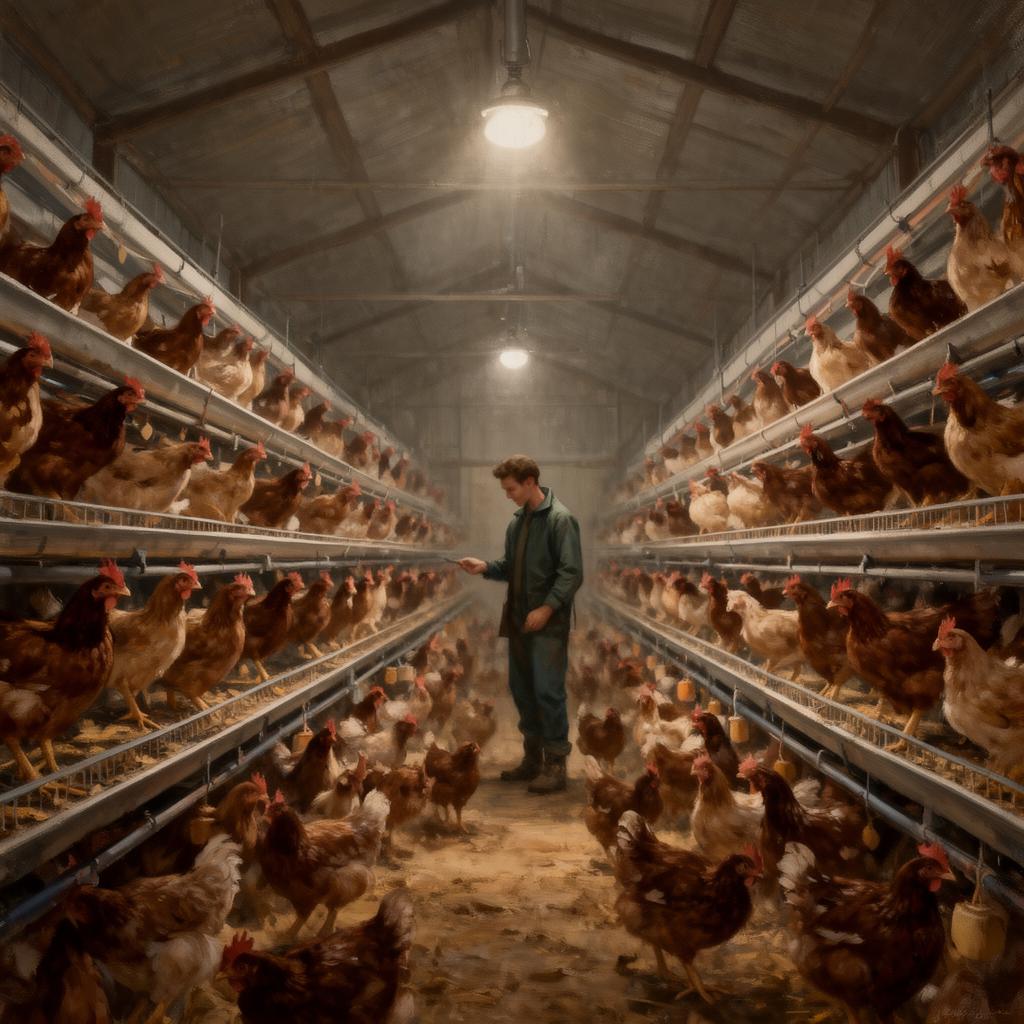 Chicken farm interior with rows of chickens
What you can do next
Beyond your own plate, you can amplify the impact of choosing tofu by engaging with your community, supporting better policies, and staying informed. Individual choices matter, but collective action creates systemic change.
- 📉 Track your impact: Use a footprint calculator (e.g., from the WWF or Climate Watch) to see how swapping chicken for tofu twice a week reduces your annual emissions—you may be surprised by the equivalent in car miles avoided.
- 📢 Share your recipes: Post your favourite tofu dishes on social media or share them with friends; normalising plant-based meals reduces the cultural barrier others face.
- 🏛️ Advocate for transparency: Support campaigns that require better labelling of meat and plant-based products, such as 'carbon footprint labels' now being piloted in some UK supermarkets (e.g., Omsco's 2023 labelling initiative).
- 🌍 Support local tofu producers: Buying from local brands like Taifun (Germany) or Sunrise (Canada) reduces transport emissions and strengthens ethical supply chains.
- 📚 Stay evidence-based: Return to KindEco for updated research and comparisons, as new studies on soy and poultry continue to emerge, refining our understanding of these trade-offs.
"Bottom line: The switch to tofu is not about perfection—it is about direction. Every tofu meal replaces a high-impact chicken meal, and over a year, that cumulative choice is powerful. Start small, cook creatively, and let your values guide you."
Read next
Side by side
| Tofu | Chicken | |
|---|---|---|
| Greenhouse Gas Emissions (per kg) | 2.0 kg CO2eq | 6.9 kg CO2eq |
| Land Use (per 100g protein) | 0.3 m² | 3.5 m² |
| Water Use (per kg product) | Approx. 2,500 litres | Approx. 4,325 litres |
| Animal Welfare | None (plant-based) | Significant concerns, especially in factory farming |
| Protein (per 100g cooked) | 8-10g | Approx. 31g (breast) |
| Cholesterol | 0 mg | Approx. 85 mg (breast) |
| Price (per kg, UK average) | £6-£10 | £5-£15 (depending on cut/type) |
| Availability | Widespread | Widespread |
The verdict
When comparing environmental impact, animal welfare, and health considerations like cholesterol, tofu emerges as the more sustainable and ethically sound choice. While chicken offers a higher protein density per gram, tofu is a complete protein that can easily replace chicken in most diets, often at a lower or comparable cost, without the associated environmental and ethical burdens of animal agriculture.
The common questions