The Moral Circle: Expanding Our Ethical Considerations
The moral circle concept defines which beings we extend moral consideration to, evolving from tribal boundaries to potentially include animals, ecosystems, and AI. This dynamic framework shapes laws, policies, and personal ethics, driven by scientific discoveries about sentience and social movements advocating for broader inclusion.
Updated · September 7, 2026
Quick answer
The moral circle is a metaphorical boundary determining which beings receive ethical consideration. It has historically expanded from family or tribe to all humanity, and now increasingly includes sentient animals, ecosystems, and potentially AI entities. This expansion is supported by scientific evidence of consciousness and drives practical changes in laws, consumer choices, and business practices.
Key takeaways
- The moral circle is a dynamic, not fixed, boundary defining which beings deserve moral consideration and protection.
- Historically, moral circles have expanded from immediate family to all humanity, and now increasingly include sentient non-human animals.
- The 2012 Cambridge Declaration on Consciousness confirmed that many non-human animals possess the neurological substrates of consciousness.
- About 95% of US adults support some level of animal protection, though only one-third support full animal rights, per a 2023 Gallup poll.
- In 2021, the UK government formally recognized animal sentience in law, requiring ministers to consider animal welfare in policymaking.
- New Zealand granted legal personhood to the Whanganui River in 2017, reflecting an ecocentric expansion of the moral circle.
The moral circle is the imaginary boundary we draw around those beings whose interests we consider, whose suffering we aim to alleviate, and whose rights we respect. It is not static; it has expanded throughout history, from family and tribe to all humanity, and increasingly to non-human animals and even ecosystems. This expansion reflects evolving scientific understanding of sentience and a growing ethical commitment to include all beings who can experience harm.
This page explores what the moral circle means, why it is contested, and how it works in practice—from philosophical debates to everyday choices. You'll find evidence on how public support for animal protection is rising, the costs and trade-offs of expansion, and regional differences in moral boundaries. Whether you're new to these ideas or deepening your understanding, this guide offers a comprehensive overview of one of the most pressing ethical challenges of our time.
At its core, the moral circle challenges us to ask a simple yet profound question: Who deserves our moral concern? The answer, supported by science and ethics, is expanding—and this page shows you why and how.
Definition
The moral circle is a metaphorical boundary that delineates which beings are considered worthy of moral consideration and protection. Inside this circle lie those whose interests, well-being, and rights are taken into account when making ethical decisions. Those outside are often disregarded or seen as mere means to an end. The precise location of this boundary varies significantly among individuals, cultures, and historical periods, reflecting deeply held beliefs about value and sentience.
Historically, early moral circles often encompassed only immediate family or tribe members. Over centuries, these circles gradually expanded to include larger groups, such as fellow citizens, all members of a nation, and eventually, all humanity, irrespective of race, gender, or religion. This expansion was driven by philosophical arguments, social movements, and increased understanding of shared humanity. Key thinkers in ethics, from ancient philosophers to modern utilitarians, have grappled with the question of who or what deserves moral concern, influencing the contours of these circles.
In practical terms, the moral circle is not a fixed or universal concept; it is a dynamic framework that shifts with new scientific evidence, cultural change, and moral reflection. For example, the recognition of animal sentience in biology and neuroscience has prompted many to argue that sentient animals belong inside the circle, based on their capacity to experience suffering and pleasure. This is not merely an abstract idea but one that has tangible consequences for laws, policies, and everyday choices, from what we eat to how we fund research.
Where you'll see it
The moral circle concept appears wherever societies debate who or what deserves moral and legal protection, from animal welfare to environmental policy to bioethics. You'll encounter it in discussions about extending rights to non-human beings, in arguments for sustainable practices, and in legal cases about personhood for animals or natural entities.
In the context of Animal rights, the moral circle is a central theme. Advocates argue that non-human animals, especially those proven to be sentient, should be included within our circle of moral concern. This means acknowledging their capacity to feel pleasure and pain and considering their interests when making decisions about food, scientific research, and entertainment. The philosophical basis for this often draws on utilitarian arguments, suggesting that if a being can suffer, its suffering should count equally with the suffering of any other being.
- Animal Welfare and Rights: Debates around Welfarism: Understanding the Movement for Animal Welfare versus Abolitionism: Ending the Exploitation of Animals are fundamentally about the extent to which animals are inside our moral circle. Welfarists seek to improve conditions for animals, while abolitionists argue for their complete liberation, placing them fully within the circle with rights similar to humans.
- Environmental Ethics: The moral circle also extends to discussions about ecosystems, species, and the planet itself. Some argue for a biocentric or ecocentric expansion, where moral consideration is given to all living things or even entire ecological systems, not just individual sentient beings.
- Bioethics: Questions regarding the moral status of embryos, foetuses, or individuals in persistent vegetative states also touch upon the boundaries of the moral circle, as societies decide who qualifies for specific moral and legal protections.
- Artificial Intelligence and Robotics: As AI systems become more advanced, a new frontier emerges: should certain AI entities, if they exhibit signs of sentience or sophisticated agency, be included in the moral circle? This is an emerging ethical debate, with some arguing for precautionary inclusion and others cautioning against anthropomorphism.
The evidence and numbers
The expansion of the moral circle is supported by a growing body of scientific and historical evidence, showing that as our understanding of non-human minds deepens, public attitudes shift toward greater inclusion. According to a 2023 Gallup poll, in the United States, the percentage of adults who believe animals deserve some protection from harm and exploitation has remained high, with about 95% supporting some level of animal protection, though only around one third support full rights. These numbers indicate a widening, though incomplete, circle of moral concern.
Scientific research on animal cognition and sentience has been pivotal. A 2012 declaration, the Cambridge Declaration on Consciousness, signed by prominent neuroscientists, stated that non-human animals, including all mammals, birds, and many invertebrates, possess the neurological substrates of consciousness. This supports the ethical argument that these animals have interests worth considering, a view echoed by philosophers like Peter Singer, who argues in Animal Liberation (1975) that the capacity to suffer is the baseline for equal consideration.
Historical data also suggest a trend of moral expansion. According to political scientist Steven Pinker, violence against marginalized human groups has declined over centuries, partly due to an expanding circle of empathy. While precise statistics on the moral circle itself are hard to measure, proxies like public support for animal welfare laws show significant growth. For instance, the European Union's ban on cosmetics testing on animals, effective since 2013, reflects legislative adoption of the moral circle principle. Similarly, the number of countries banning fur farming has increased—by 2020, over 20 countries had implemented such bans, according to the Fur Free Alliance.
 Hand holding a plant with soil, water glass, and leaf on wooden table in soft light
How it works in practice
The moral circle is not just a theoretical concept; it shapes laws, policies, and daily individual choices. In practice, it operates through a layered process of recognition, advocacy, and legislation, where groups of beings are gradually moved from outside to inside the circle of universal consideration.
For individuals, expanding the moral circle might involve making everyday decisions that align with broader ethical boundaries. This can include:
- Dietary choices: Adopting a plant-based or vegan diet, which excludes animal exploitation, is a common way to extend moral consideration to farmed animals. According to the Vegan Society, the number of vegans in Great Britain quadrupled between 2014 and 2019, from 150,000 to 600,000.
- Consumer activism: Avoiding products tested on animals, choosing cruelty-free cosmetics, and supporting companies with ethical sourcing policies. Many certifications, like Leaping Bunny, help consumers identify such products.
- Supporting legislation: Voting for animal welfare laws, signing petitions, and pressuring policymakers to extend legal protections to animals, endangered species, or even rivers and ecosystems.
Institutional practice is equally important. For instance, in law, the concept of moral circle expansion has led to changes in animal welfare regulations. The UK's Animal Welfare Act 2006 recognizes animals as sentient beings, and in 2021, the UK government formally acknowledged animal sentience in law, requiring ministers to consider animal welfare when making policy. Similarly, in 2017, New Zealand granted the Whanganui River legal personhood, recognizing its intrinsic rights, a move that reflects an ecocentric expansion of the moral circle.
For organizations, operationalizing an expanded moral circle involves adopting ethical guidelines and conducting impact assessments. Companies like Beyond Meat and Impossible Foods have built business models around reducing animal suffering, responding to consumer demand for cruelty-free alternatives. This demonstrates that the moral circle's expansion is not only ethical but also economically viable.
Costs and trade-offs
Expanding the moral circle involves tangible costs and trade-offs, both economically and socially, which are often cited by opponents. These costs include potential job losses in animal-based industries, reduced profits for corporations, and lifestyle changes for individuals accustomed to certain products.
- Economic impact: Transitioning to plant-based agriculture may reduce employment in livestock farming, but it also creates jobs in alternative protein sectors. According to a 2023 report by the Good Food Institute, the alternative protein industry employed over 100,000 people globally, with substantial growth potential.
- Personal inconvenience: Individuals may face higher costs for cruelty-free or organic products, though prices are becoming more competitive. A 2023 study found that plant-based alternatives are increasingly affordable, with some costing less than their animal-based counterparts.
However, the trade-offs are not purely negative. The moral benefits—reduced suffering, environmental sustainability—are substantial, and many argue that the costs are justified by the ethical imperative. As philosopher Peter Singer notes, the cost of expanding the moral circle to animals is minor compared to the enormous reduction in suffering it would bring.
"Bottom line: The expansion of the moral circle is not cost-free, but the ethical and long-term environmental benefits often outweigh the immediate economic costs."
Why it's contested
The expansion of the moral circle is a deeply contested idea because it challenges established norms and power structures. The primary point of contention revolves around the criteria for inclusion within this circle. Historically, attributes like rationality, language, and self-awareness have been used to define the boundaries, effectively excluding many non-human animals and sometimes even certain groups of humans.
Common Arguments Against Expansion:
| Argument Point | Explanation | Counter-Argument |
|---|---|---|
| Anthropocentrism | The belief that humans are the central or most important entity in the universe, and all other beings exist for human benefit. (Anthropocentrism: Understanding Humanity's Place in the World) | Critics argue this is a form of Speciesism: Unpacking the Bias Against Non-Human Animals, an unjustifiable bias similar to racism or sexism. |
| Lack of Reciprocity | Animals cannot participate in a social contract or fulfill moral duties, therefore they cannot be subjects of rights or full moral consideration. | Many humans (e.g., infants, severely disabled individuals) also cannot reciprocate but are firmly within our moral circle; capacity for suffering is often proposed as a more relevant criterion. |
| Practicality/Cost | Extending full moral status to all sentient beings would have immense practical and economic implications, making current practices (like meat consumption or animal testing) unsustainable or unethical. | While challenging, ethical progress often requires re-evaluation of practices. The moral imperative should outweigh convenience. |
| Defining Sentience | While some animals clearly exhibit Sentience: Understanding the Capacity to Feel, scientifically proving it across all species is complex and open to interpretation. | The precautionary principle suggests that where there is doubt, it is safer to err on the side of caution and assume sentience rather than risk inflicting unnecessary suffering. |
Beyond these criteria, the expansion is contested because it threatens established power structures, from the meat and dairy industries to political ideologies. As sociologist Melanie Joy explains in Why We Love Dogs, Eat Pigs, and Wear Cows (2010), the ideology of Carnism maintains a narrow moral circle for animals by labeling some as edible and others as companions. This cognitive dissonance is a barrier to expansion.
Regional angle
The moral circle is not uniform across the globe; it is shaped by cultural, religious, and economic factors, leading to significant regional differences in its expansion. In some regions, the circle includes a wide range of animals, while in others it remains more exclusive, reflecting varying traditions and legal frameworks.
- Europe: Generally leads in animal welfare legislation, with the EU's stricter bans on animal testing and fur farming. Countries like the UK and Germany have strong animal protection laws, and there is a growing cultural shift toward plant-based diets, with Germany's vegan population increasing to about 1.5 million in 2023.
- Asia: Cultural practices vary widely. In India, the moral circle is influenced by Jainism and Hinduism, which emphasize non-violence; many Indians are vegetarian, yet the dairy industry often goes unchallenged. In China, growing awareness of animal welfare is rising, but the scale of industrial farming remains large, and there are movements advocating for more ethical treatment.
- Latin America: Deforestation for cattle ranching in countries like Brazil has ecological consequences, but indigenous communities often hold ecocentric views that include nature in the moral circle. The UN's Declaration on the Rights of Peasants (2018) recognizes rights of nature, influencing regional debates.
- North America: The moral circle is polarized, with strong animal rights movements in cities, but also powerful agricultural lobbies that resist expansion. A 2023 Pew Research Center survey found that 74% of Americans support animal welfare laws, but only 29% are willing to give animals the same rights as humans.
Regional disparities highlight that the moral circle's expansion is not a linear process but a negotiated one, where local values and economic pressures shape outcomes. For example, countries with high meat consumption, like Australia and the US, tend to have slower legislative progress on animal rights, while European countries with stronger vegetarian traditions progress faster.
Common objections
Common objections to expanding the moral circle are often raised in public debates, and addressing them is crucial for advancing the conversation. These objections range from philosophical concerns to practical fears, but they often rest on misunderstandings or selective reasoning.
- Objection: "Animals aren't rational, so they don't deserve moral consideration." This perspective, rooted in Aristotelian ethics, has been challenged by philosophers like Peter Singer, who argue that rationality is not a prerequisite for moral standing; the capacity to suffer is more relevant.
- Objection: "If we include animals, we'll be stuck protecting bacteria or plants." This slippery slope fallacy is unfounded; most ethical frameworks draw lines based on sentience, which is unlikely to include bacteria, and plants lack the neural substrates for consciousness.
- Objection: "Expanding the circle harms human interests, especially in developing economies." While there are economic transitions, many argue that sustainable, plant-based systems can create jobs and reduce environmental damage, benefiting long-term human welfare.
- Objection: "Animal rights are a Western, elite concern." This objection overlooks the fact that many indigenous and Eastern philosophies, such as Jainism, have long emphasized non-violence toward all sentient beings, and that animal welfare is a universal ethical issue.
Addressing these objections requires evidence, empathy, and a recognition of the complexity involved. As an answer, the precautionary principle—if in doubt, assume sentience—provides a pragmatic path forward, especially as science continues to reveal more about animal minds.
What you can do next
Expanding your moral circle is not just an abstract exercise; it is a practical journey with clear steps you can take today. Here are actionable ways to integrate this concept into your life, based on current best practices from ethical frameworks and advocacy groups.
- Educate yourself: Read foundational books like Animal Liberation by Peter Singer (1975) or The Expanding Circle by Peter Singer (1981), which trace the historical and philosophical roots of moral expansion. Watch documentaries like Dominion (2018) to see the reality of animal agriculture.
- Reflect on your values: Use the moral circle as a self-assessment tool. Ask yourself: "Who or what do I consider morally considerable?" Then identify one being or group you might be excluding without justification.
- Make incremental changes: You don't have to go vegan overnight. Start by reducing meat consumption, choosing cruelty-free products, and supporting companies that align with your ethics. Even small changes, such as using a plant-based milk, can have a ripple effect.
- Advocate for change: Support organizations working to expand the moral circle, such as the Humane Society, PETA, or local animal sanctuaries. Write to your representatives about animal welfare legislation, and use your voice on social media to educate others.
These actions are not just about animals—they also apply to environmental ethics and human rights. By expanding your moral circle, you contribute to a more compassionate world, one that recognizes the intrinsic value of all beings, as argued by ethicists and scientists alike.
Related terms
- Anthropocentrism: The belief that human beings are the central or most significant entities in the world, often leading to a human-exclusive moral circle.
- Sentience: The capacity to feel, perceive, or experience subjectively. It is often proposed as the most relevant criterion for moral consideration, extending the moral circle to all sentient beings.
- Speciesism: Discrimination against or exploitation of animal species by human beings, based on an assumption of human superiority. This bias limits the moral circle to humans.
- Veganism: A philosophy and way of living which seeks to exclude—as far as is possible and practicable—all forms of exploitation of, and cruelty to, animals for food, clothing or any other purpose, reflecting an expanded moral circle that includes animals. (What is Veganism?)
- Animal Rights: The idea that some, or all, non-human animals are entitled to the possession of their own lives and basic interests, and these interests should be afforded the same consideration as the similar interests of human beings, irrespective of their capacity to be rational or self-aware.
- Utilitarianism: An ethical framework that often advocates for the expansion of the moral circle based on the principle of maximizing overall happiness or minimizing suffering, regardless of species.
- Welfarism: A philosophical position that seeks to improve the welfare of animals within existing systems, rather than advocating for their total liberation. It represents an inclusion of animals within the moral circle, but with limited rights.
- Carnism: The invisible belief system that conditions people to eat certain animals. (What is Carnism?) This ideology often reinforces a narrow moral circle that excludes farmed animals.
Trade-offs and tensions
Expanding the moral circle involves real trade-offs, and acknowledging them is essential for honest ethical reasoning, because every inclusion carries practical and material costs that advocates must weigh. The most immediate tension is economic: extending moral consideration to animals, ecosystems, or future beings often conflicts with industries built on their use, such as factory farming, biomedical research, and resource extraction. For example, shifting to higher-welfare meat alternatives or plant-based diets may raise food costs for low-income households, while stricter animal testing regulations can slow medical innovation and increase drug development expenses, according to a 2021 analysis in Nature Medicine. Another trade-off concerns cultural and religious practices, where calls to expand the circle—such as banning ritual slaughter or traditional hunting—can be perceived as neocolonial or culturally insensitive, risking backlash that undermines broader ethical progress. Finally, there is the risk of diffusion of responsibility; if we expand the circle so widely that every being counts equally in theory, we may become paralyzed in practice, unable to prioritize urgent human needs or even the most severe animal suffering. Therefore, the moral circle is not a binary switch but a spectrum, and the practical challenge is to find a balance that is both compassionate and feasible, as argued by philosopher Shelly Kagan in his 2019 book How to Count Animals, More or Less. For compassionate consumers, this means accepting that perfect expansion is impossible; instead, we can adopt a
The common questions
People also ask
Read next

Animal Rights vs Welfare 2026: 61% Demand End to Factory Farms
A new 2026 global survey reveals that 61% of consumers now support a complete phase-out of factory farming, reshaping the animal rights vs welfare debate.
Estrellita Monkey Ecuador: Rights of Nature 2026 Landmark
Ecuador's Estrellita monkey ruling reshapes animal rights and wildlife conservation—here's why it matters globally.
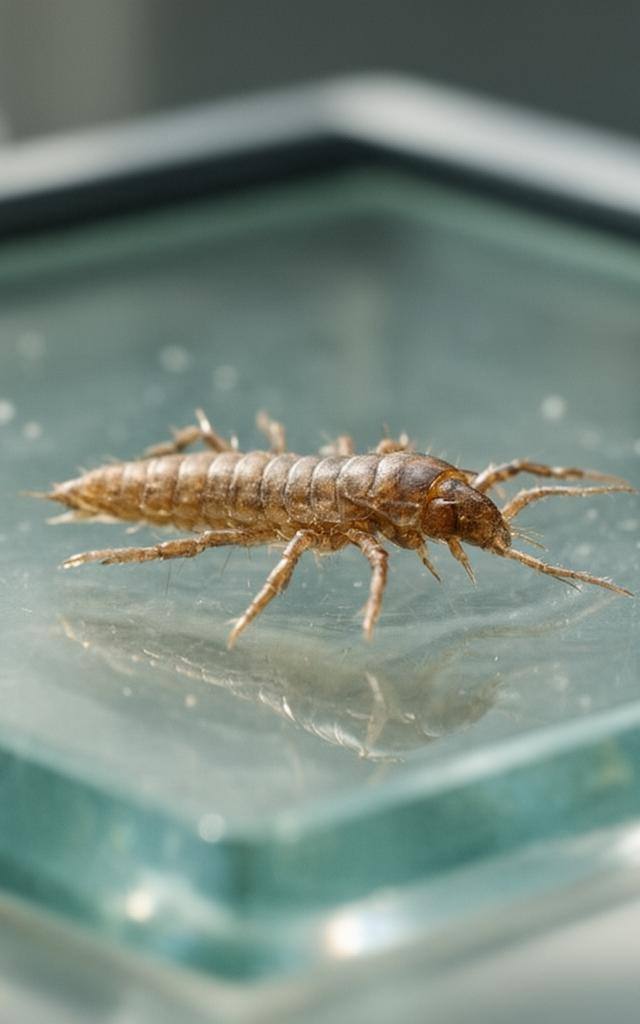
The Glass Floor: Rethinking Invertebrate Sentience in the Lab
As scientific evidence of consciousness in octopuses and crustaceans grows, our ethical frameworks must evolve to protect the world's most overlooked animals.